
The question, “How far is Nebraska?” is more than just a geographical inquiry; it’s an invitation to explore a state often overlooked in the grand tapestry of American travel. Nestled in the heartland of the United States, Nebraska is a realm of rolling prairies, burgeoning cities, and a rich history etched into its landscapes and its people. For travelers seeking authentic experiences beyond the well-trodden tourist paths, Nebraska offers a surprising depth of discovery, from charming small towns to vibrant cultural hubs and natural wonders that speak to the soul of the American West. This article delves into the multifaceted answer to “How far is Nebraska?”, encompassing not only its physical distance from various points but also the distance one travels in experience and understanding once they arrive.
Understanding Nebraska’s Geographic Heart
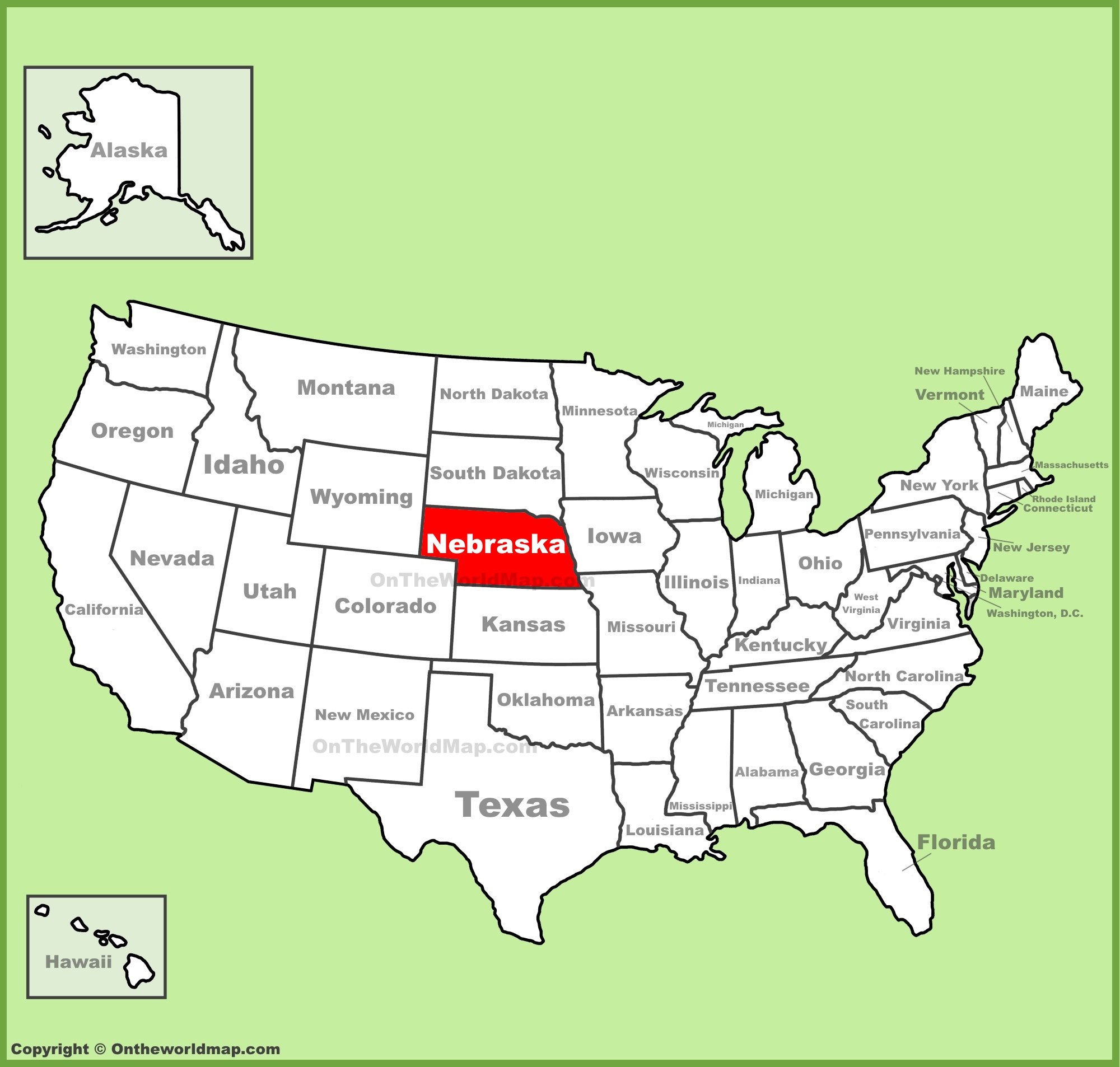
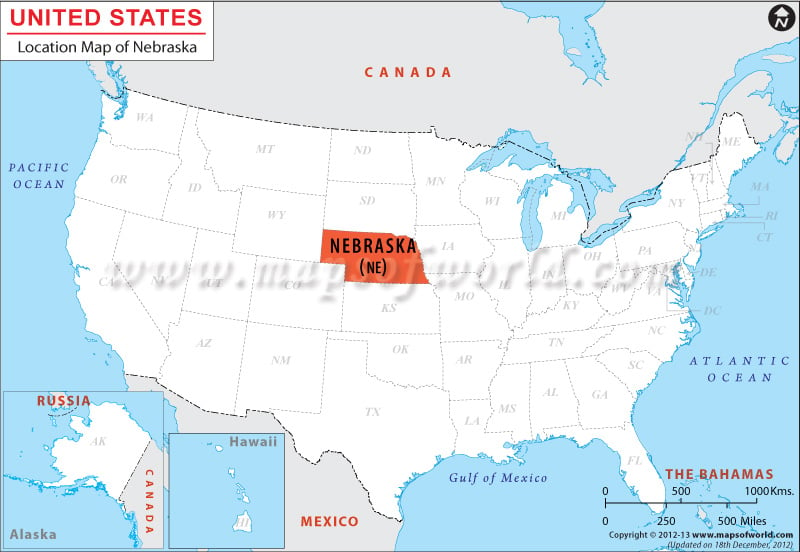
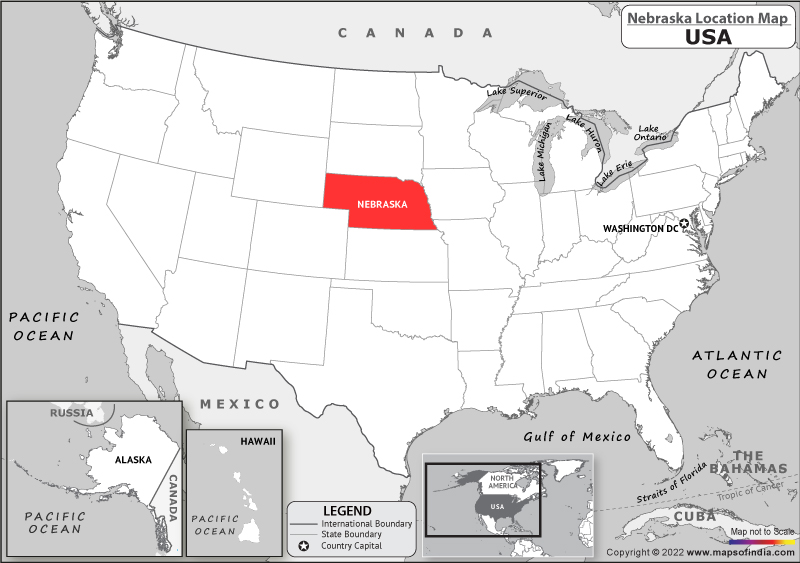
At its core, Nebraska is a land of plains, a defining characteristic that shapes its accessibility and the types of adventures it offers. Situated in the Midwest, it’s bordered by South Dakota to the north, Iowa and Missouri to the east, Kansas to the south, and Colorado and Wyoming to the west. This central location means that for many Americans, Nebraska is not as distant as one might assume, particularly for those traveling by car. The state’s expansive size, stretching approximately 450 miles east to west and 300 miles north to south, suggests a journey that unfolds gradually, revealing diverse scenery and experiences along the way.
Major Entry Points and Transportation
Reaching Nebraska is facilitated by a network of highways and air travel, making it more accessible than its reputation might suggest. The state boasts two primary interstate highways that traverse its breadth: Interstate 80 (I-80) running east-west and Interstate 29 (I-29) running along its eastern border. I-80 is a major transcontinental route, connecting Nebraska to major cities like Chicago, San Francisco, and many points in between. This makes it a convenient stop or destination for road-trippers exploring the country.
For those flying, Omaha‘s Eppley Airfield (OMA) and Lincoln‘s Lincoln Airport (LNK) are the main gateways. These airports handle commercial flights from major carriers, offering connections to national hubs. Traveling from the east coast, a flight to Omaha might take around 3-4 hours, while from the west coast, it could be 2-3 hours. For those coming from neighboring states like Colorado or Kansas, driving distances are generally manageable, often ranging from a few hours to a full day’s journey. For instance, driving from Denver, Colorado, to Omaha, Nebraska, takes approximately 8-9 hours. From Kansas City, Missouri, the drive to Omaha is around 3 hours. These are just a few examples illustrating that Nebraska is often closer than people imagine, especially for those in the central and western parts of the United States.
Unveiling Nebraska’s Diverse Attractions
Beyond its geographical coordinates, “How far is Nebraska?” also speaks to the breadth of experiences waiting to be discovered. The state offers a compelling mix of natural beauty, historical significance, and vibrant urban centers, each contributing to a unique travel narrative. Whether you’re a history buff, an outdoor enthusiast, a foodie, or someone seeking a tranquil escape, Nebraska has something to offer, making the journey there a worthwhile endeavor.
Exploring the Natural Landscape
Nebraska‘s natural beauty lies in its subtle, yet profound, landscapes. The Sandhills, a vast expanse of rolling sand dunes and native grasses, is a unique ecological region that covers about a quarter of the state. This area is home to abundant wildlife and offers opportunities for hiking, birdwatching, and experiencing a sense of vast solitude. The Niobrara River, a designated National Scenic River, flows through the northern part of the state, providing opportunities for canoeing, kayaking, and exploring stunning rock formations and waterfalls like those found at Smith Falls State Park. Further south, the Platte River is renowned for its annual spring migration of sandhill cranes, an awe-inspiring spectacle where hundreds of thousands of cranes gather, drawing visitors from around the world. This natural phenomenon alone makes the journey to Nebraska an unforgettable experience. For those interested in geology and paleontology, the fossil-rich Badlands in the western part of the state, though more famously associated with South Dakota, have extensions and similar geological formations within Nebraska, offering a glimpse into prehistoric life. The presence of state parks like Chadron State Park and the Scotts Bluff National Monument further highlight the diverse natural terrains awaiting exploration.
Delving into History and Culture
Nebraska‘s history is deeply intertwined with the westward expansion of the United States. The Overland Trail, the Oregon Trail, and the California Trail all passed through Nebraska, leaving behind a legacy of pioneer spirit and adventurous tales. Visiting historical sites like the Chimney Rock National Historic Site and the Scotts Bluff National Monument provides a tangible connection to this era. Chimney Rock, an iconic natural landmark, served as a crucial reference point for emigrants. Scotts Bluff is another prominent geological feature that guided travelers westward. The Strategic Air Command & Aerospace Museum near Ashland offers a fascinating look at the Cold War era and the role of air power.
In its cities, Nebraska showcases a growing cultural scene. Omaha, the state’s largest city, is a hub of activity. Visitors can explore the historic Old Market district with its cobblestone streets, boutique shops, and diverse culinary offerings. The Henry Doorly Zoo and Aquarium in Omaha is consistently ranked among the best in the world, featuring impressive exhibits like the Desert Dome and the Lied Jungle. The city also boasts a thriving arts community with the Joslyn Art Museum and the Orpheum Theater, which hosts a variety of performances. Lincoln, the state capital, offers a more laid-back atmosphere, centered around the impressive Nebraska State Capitol building, an architectural marvel. The University of Nebraska–Lincoln contributes to the city’s youthful energy, with cultural events and a lively downtown area. Exploring these urban centers reveals that Nebraska is far from a cultural desert, offering a rich tapestry of activities and attractions.
Experiencing Nebraska: Accommodation and Lifestyle
The question of “How far is Nebraska?” can also be interpreted through the lens of the traveler’s experience once they arrive. The state offers a spectrum of accommodation options and lifestyle experiences to suit various preferences and budgets, ensuring that the journey is as comfortable and enjoyable as the destination itself.
Diverse Accommodation Options
From luxurious resorts to cozy bed and breakfasts, Nebraska provides a range of places to stay. In Omaha and Lincoln, travelers will find a good selection of major hotel chains, including options like the Magnolia Hotel Omaha and the Hyatt Place Omaha Downtown-Old Market, catering to both business and leisure travelers. For those seeking a more intimate experience, charming bed and breakfasts can be found in historic districts or nestled in the scenic countryside, offering personalized service and local flavor. For longer stays or those desiring more space and amenities, apartment rentals and vacation homes are increasingly available, particularly in the larger cities. Many hotels offer amenities such as swimming pools, fitness centers, and complimentary breakfast, while some higher-end establishments might include fine dining restaurants and spa services. The accessibility of booking platforms makes it easy to compare prices and read reviews, ensuring a smooth accommodation experience.
Lifestyle Travel in the Cornhusker State
Nebraska caters to a variety of travel lifestyles. For the luxury traveler, the state offers sophisticated dining experiences and upscale accommodations, particularly in Omaha. Boutique hotels and fine dining establishments provide a taste of indulgence. Conversely, Nebraska is also an excellent destination for budget travelers. The abundance of national and state parks, along with numerous free or low-cost attractions, makes it an affordable option for exploring. Camping, hiking, and scenic drives are all budget-friendly ways to experience the state’s natural beauty.
Family trips can be immensely rewarding in Nebraska. The Henry Doorly Zoo and Aquarium, the Strategic Air Command & Aerospace Museum, and numerous parks with playgrounds and recreational facilities offer plenty of entertainment for children of all ages. The state’s generally safe environment and friendly locals also contribute to a positive family travel experience. For business travelers, the presence of major corporations in Omaha and Lincoln, coupled with excellent convention facilities, makes Nebraska a viable destination. The easy accessibility via major highways and airports, combined with a range of business-friendly hotels, ensures a productive and comfortable stay.
In essence, Nebraska is not defined by a single distance but by a multitude of journeys. It’s a destination that rewards those who venture beyond the familiar, offering a rich tapestry of experiences that are often closer than one might think. Whether you are drawn by its vast prairies, its historical echoes, or its emerging urban sophistication, the answer to “How far is Nebraska?” ultimately depends on how far you’re willing to explore, discover, and embrace the heartland of America.
LifeOutOfTheBox is a participant in the Amazon Services LLC Associates Program, an affiliate advertising program designed to provide a means for sites to earn advertising fees by advertising and linking to Amazon.com. Amazon, the Amazon logo, AmazonSupply, and the AmazonSupply logo are trademarks of Amazon.com, Inc. or its affiliates. As an Amazon Associate we earn affiliate commissions from qualifying purchases.