
The California Roll stands as an undisputed icon of global cuisine, a dish so ubiquitous that its origins are often overlooked. Far more than just a menu item, it represents a pivotal moment in culinary history, a bridge between Eastern tradition and Western innovation, profoundly impacting the way the world perceives and consumes sushi. For visitors exploring the Golden State, understanding and experiencing this unique creation is not merely about tasting food; it’s about delving into a piece of California‘s cultural tapestry, a testament to its pioneering spirit and diverse influences. This article delves into the essence of the California Roll, exploring its fascinating genesis, its distinctive characteristics, its profound cultural impact, and why it remains an essential culinary experience for anyone touring California.

The Culinary Icon of California Tourism
The California Roll is arguably the most famous sushi roll in the American lexicon, a culinary ambassador that introduced countless individuals to the world of Japanese cuisine. Its success story is deeply intertwined with the vibrant, innovative, and multicultural spirit of California, making it a significant element of the state’s tourism appeal. Tourists often seek it out not just for its taste, but as a symbolic representation of the fusion culture that thrives here.
Origins: A Tale of Fusion and Innovation
The true origin of the California Roll is a delightful culinary debate, primarily centered around Los Angeles in the late 1960s and early 1970s. While several chefs have been credited with its invention, the most widely accepted narrative points to Ichiro Mashita, a sushi chef at the now-defunct Tokyo Kaikan in Los Angeles’ Little Tokyo. Mashita-san is said to have developed the roll around 1966.
His motivation was ingenious: to cater to the American palate, which was largely unfamiliar with, and sometimes apprehensive of, raw fish and the texture of nori (seaweed) on the outside of a roll. He experimented with ingredients that were readily available and palatable to his local clientele, replacing tuna with cooked crab meat and adding creamy avocado, a staple of California’s agriculture. Crucially, he pioneered the uramaki style – rolling the rice on the outside and tucking the nori and fillings within – making the seaweed less visible and thus more appealing to first-time sushi eaters. This innovation was a stroke of genius, effectively demystifying sushi and making it approachable for a broader market. The name “California Roll” itself emerged naturally, reflecting its birthplace and the ingredients that evoked the state’s abundance.
Defining Characteristics: Inside-Out and Avocado-Rich
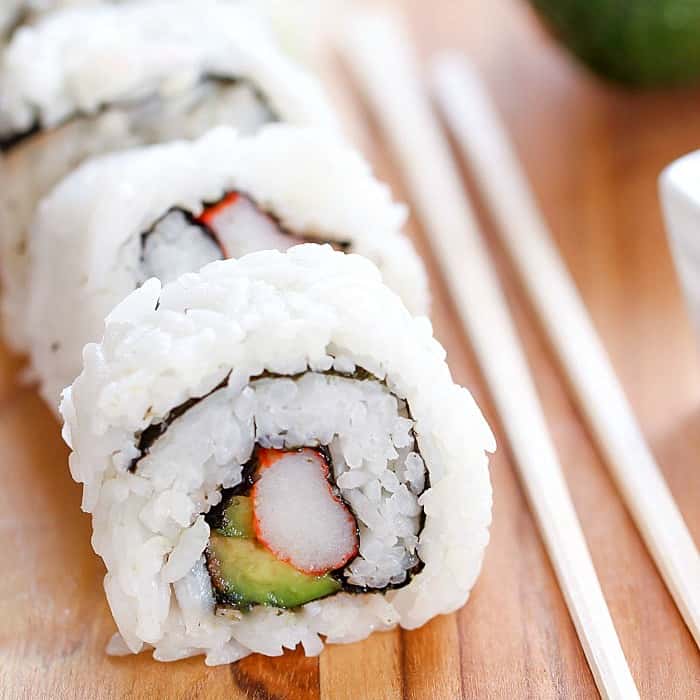
The California Roll is instantly recognizable by its signature “inside-out” construction, known as uramaki. This distinctive style places the seasoned sushi rice on the exterior of the roll, often sprinkled with sesame seeds or tobiko (flying fish roe), while the nori wraps around the internal fillings. This design choice was pivotal in its success, softening the visual and textural impact of the seaweed for new consumers.
At its heart, the classic California Roll comprises three essential fillings:
- Imitation Crab (Surimi): Often flake-style, providing a mild, sweet, and slightly saline flavor with a tender texture. This choice was deliberate, addressing concerns about raw fish while still delivering a satisfying protein component.
- Avocado: Sliced or mashed, avocado imparts a rich, creamy texture and a subtle, buttery flavor that beautifully complements the other ingredients. The avocado’s prominence is a nod to California’s agricultural bounty, particularly from regions like San Diego county, where the fruit thrives.
- Cucumber: Typically cut into thin, crisp matchsticks, cucumber provides a refreshing crunch and a subtle, cooling counterpoint to the richness of the avocado and the sweetness of the crab.
Together, these elements create a harmonious blend of textures and flavors – soft, creamy, crisp, and slightly chewy – making the California Roll an incredibly satisfying and universally appealing dish.
Beyond the Basics: Ingredients and Preparation
Understanding the California Roll is not just about appreciating its flavor but also about recognizing the careful selection and preparation of its components. Each ingredient plays a crucial role in delivering the roll’s iconic taste and texture profile, contributing to its widespread appeal and its status as a culinary entry point.
Decoding the Components
The success of the California Roll lies in its accessible ingredients, many of which were familiar to the American palate.
- Imitation Crab (Surimi): This processed seafood product, made from deboned fish meat (often pollock) and other ingredients, was a brilliant substitute for raw crab. Surimi has a long history in Japan, dating back centuries, primarily used in fish cakes and other traditional preparations. Its adoption in the California Roll offered a cooked, mild, and affordable alternative to real crab, addressing both safety concerns regarding raw seafood and cost-effectiveness. Its slightly sweet, briny flavor and flaky texture mimic crab meat convincingly, making it an excellent choice for broad appeal.
- Avocado: The inclusion of avocado is arguably the most “Californian” aspect of the roll. California is a major producer of avocados, especially the Hass variety. The fruit’s creamy texture and healthy fat content provide a luxurious mouthfeel, while its subtle, earthy flavor pairs exceptionally well with the seafood. It also adds a vibrant green color, enhancing the visual appeal of the roll. Its popularity in dishes like guacamole made it a comforting and familiar ingredient for American diners.
- Cucumber: Beyond its refreshing taste, cucumber contributes a vital textural contrast. Its crispness cuts through the softness of the rice and avocado, preventing the roll from becoming monotonous. It also adds a clean, watery freshness that balances the richness of the other ingredients, leaving the palate refreshed.
- Nori (Seaweed): A fundamental component of all sushi, nori is roasted sheets of dried seaweed. In the California Roll, it serves as the structural layer, holding the fillings together, but is intentionally placed inside the rice. This ingenious placement made the roll less intimidating for those unaccustomed to the strong flavor and slightly chewy texture of exposed seaweed.
- Sushi Rice: The foundation of any sushi roll, sushi rice is short-grain white rice seasoned with vinegar, sugar, and salt. This seasoning, known as sushi-zu, gives the rice its characteristic slightly sweet and tangy flavor, and its sticky texture is essential for holding the roll together. Proper preparation of sushi rice is an art form, critical for the overall taste and integrity of the California Roll.
The Art of Rolling: Uramaki Style
Crafting a California Roll requires precision and a practiced hand, especially due to its uramaki (inside-out) style. The process typically involves:
- Preparing the Workspace: A bamboo rolling mat (makisu) is covered with plastic wrap to prevent the rice from sticking.
- Laying the Rice: A thin, even layer of seasoned sushi rice is spread over roughly two-thirds of the nori sheet. This sheet is then carefully flipped, so the rice side faces down onto the plastic-wrapped mat, leaving the nori exposed upwards.
- Adding Fillings: The imitation crab, avocado slices, and cucumber strips are meticulously arranged in a line across the center of the nori.
- The Roll: Using the bamboo mat, the chef gently but firmly rolls the ingredients, ensuring a tight, compact cylinder. Pressure is applied evenly to create a uniform shape without squeezing the fillings out.
- Finishing Touches: Once rolled, the exterior of the rice often gets a decorative and flavorful coating. This could be toasted sesame seeds, tiny, vibrant orange tobiko (flying fish roe), or green masago (capelin roe), which add both visual appeal and a burst of flavor and texture.
- Slicing: The finished roll is then carefully sliced into 6-8 uniform pieces using a very sharp, moistened knife, ready for serving.

This meticulous process ensures that each piece of California Roll is not just a treat for the palate but also a visually appealing culinary creation, reflecting the high standards of sushi preparation.
Cultural Impact and Global Phenomenon
The California Roll transcends its identity as a mere dish; it is a cultural artifact that profoundly shaped the global culinary landscape. Its impact extends far beyond the borders of California, influencing food trends, dining habits, and the popularization of a cuisine once considered exotic.
Bridging Cuisines: A Gateway to Sushi
The most significant legacy of the California Roll is its role as a “gateway sushi.” Before its advent, sushi was a niche cuisine, often viewed with skepticism by the mainstream American public due to its raw fish component and unfamiliar textures. The California Roll ingeniously sidestepped these barriers. By using cooked crab, creamy avocado, and masking the nori, it offered a familiar, non-threatening entry point. It was approachable, palatable, and delicious, transforming skeptics into sushi enthusiasts.
This accessibility led to an explosion in sushi’s popularity across North America and subsequently, the world. It taught diners that sushi wasn’t solely about raw fish; it was about fresh ingredients, artistic presentation, and harmonious flavors. The success of the California Roll paved the way for more adventurous sushi varieties, eventually leading to a broader acceptance of traditional sashimi and nigiri. It de-exoticized Japanese cuisine, making it a beloved staple in countless restaurants, grocery stores, and even home kitchens globally.
Variations and Modern Interpretations
The foundational structure of the California Roll has inspired an endless array of creative variations and modern interpretations, demonstrating its adaptability and enduring influence. While the classic remains a beloved choice, chefs continuously innovate, adding new layers of flavor and texture.
- Toppings: Beyond sesame seeds and tobiko, rolls inspired by the California Roll often feature masago (capelin roe) for a different pop of color and subtle brininess. Some might incorporate a drizzle of spicy mayo or unagi (eel) sauce for an added kick or sweetness.
- Ingredient Swaps: While the original uses imitation crab, many upscale versions now feature real crab meat, elevating the flavor profile. Other popular fillings in “California-style” rolls include shrimp tempura, smoked salmon, or even vegetarian options like bell peppers and carrots.
- Descendant Rolls: The uramaki style pioneered by the California Roll led directly to the creation of many other popular rolls. The Dragon Roll, typically featuring eel and avocado, and the Rainbow Roll, adorned with various colorful slices of fish and avocado on the outside, are direct descendants, showcasing the versatility of the inside-out technique. These rolls are now staples in sushi restaurants worldwide, particularly in cities like San Francisco and New York, known for their vibrant food scenes.
- Global Adaptations: The concept of creating localized sushi rolls spread globally. From the Philadelphia Roll (with cream cheese) to rolls incorporating local ingredients in Europe or Asia, the California Roll showed that sushi could be a flexible canvas for culinary creativity, adapting to regional tastes while retaining its core identity.
These variations underscore the California Roll’s dynamic legacy, proving that its innovative spirit continues to inspire new generations of chefs and delight diverse palates.
A Tourist’s Culinary Adventure in California
For anyone visiting California, experiencing a California Roll is more than just a meal; it’s an immersion into the state’s unique culinary narrative. It’s a chance to taste history, innovation, and the vibrant fusion that defines Californian culture.
Where to Find the Best California Rolls
Given its birthplace and enduring popularity, California offers an unparalleled opportunity to savor exceptional California Rolls. You’ll find them almost everywhere, catering to all budgets and preferences:
- High-End Japanese Restaurants: Cities like Los Angeles, San Francisco, and San Diego boast world-class sushi establishments where master chefs often prepare California Rolls with premium ingredients, sometimes using real crab meat and perfectly ripe, locally sourced avocados. These restaurants offer a refined dining experience that elevates the roll to an art form.
- Casual Sushi Bars and Cafes: For a more relaxed setting, numerous sushi bars and cafes throughout the state offer consistently delicious and affordable California Rolls. These are perfect for a quick lunch or a casual dinner, providing an authentic local experience.
- Grocery Stores and Markets: Reflecting its ubiquity, even local supermarkets and gourmet food markets in California often feature freshly made California Rolls in their deli or prepared foods sections. While perhaps not as artisanal as restaurant versions, they offer a convenient and fresh option, especially for travelers on the go.
- Coastal Towns: Given California’s extensive coastline, many beach towns and coastal communities pride themselves on fresh seafood, and their sushi restaurants often serve outstanding California Rolls made with the freshest local produce.
Experiencing California’s Food Scene
The California Roll is more than just a snack; it’s a testament to California’s dynamic culinary landscape, characterized by its emphasis on fresh, local ingredients and a willingness to blend diverse cultural influences. When touring California, savoring a California Roll provides insight into this broader gastronomic philosophy.
Consider pairing your California Roll with other local delights. A crisp California white wine, perhaps a Sauvignon Blanc or Chardonnay from Napa Valley or Sonoma, can beautifully complement its flavors. Alternatively, a refreshing craft beer from one of California’s many microbreweries or a traditional sake could enhance the experience.
As you explore California, from the bustling streets of Los Angeles to the scenic beauty of San Francisco and the laid-back vibes of San Diego, making time to enjoy a California Roll is an essential part of the journey. It’s a simple yet profound way to connect with the state’s culinary heritage, a flavorful symbol of innovation, adaptation, and the enduring appeal of Californian creativity. It truly encapsulates the essence of California – diverse, pioneering, and utterly delicious.
LifeOutOfTheBox is a participant in the Amazon Services LLC Associates Program, an affiliate advertising program designed to provide a means for sites to earn advertising fees by advertising and linking to Amazon.com. Amazon, the Amazon logo, AmazonSupply, and the AmazonSupply logo are trademarks of Amazon.com, Inc. or its affiliates. As an Amazon Associate we earn affiliate commissions from qualifying purchases.