
The question of whether a state is facing financial difficulties can often feel abstract, a topic confined to budget reports and legislative sessions. However, for travelers and those interested in destinations, the financial health of a region can have tangible impacts on their experiences. From the quality of infrastructure and public attractions to the availability of diverse accommodation options and the vibrancy of local tourism, a state’s fiscal well-being can subtly or overtly shape what a visitor encounters. This is particularly true for states like Nebraska, a vast and often overlooked gem in the American heartland, known for its wide-open spaces, agricultural heritage, and a growing appreciation for its unique attractions.

When considering a trip to Nebraska, one might wonder about the state’s economic stability and how it might affect their journey. While Nebraska might not always be top-of-mind for international tourists in the same way as a New York City or a Grand Canyon, it offers a compelling array of experiences that are deeply intertwined with its economic landscape. The state’s ability to invest in its parks, maintain its historical sites, support its local businesses, and enhance its tourism infrastructure are all dependent on its financial footing. Therefore, exploring the financial health of Nebraska is not just an exercise in fiscal analysis; it’s a way to understand the potential richness and sustainability of the travel and tourism experiences it offers.
Understanding Nebraska’s Economic Landscape
To assess if Nebraska is in financial trouble, it’s crucial to look beyond sensational headlines and examine the underlying economic indicators. Nebraska‘s economy is historically robust, largely driven by agriculture, a sector that provides a stable foundation. However, like any state, it faces challenges and opportunities that influence its financial health. Understanding these dynamics can provide valuable insights for travelers planning a visit, as a financially stable state is often one that can better invest in and promote its attractions.
Agricultural Dominance and Diversification
The backbone of Nebraska‘s economy has long been its agricultural output. With vast plains dedicated to growing corn, soybeans, and raising cattle, the state consistently ranks among the top agricultural producers in the United States. This sector not only provides raw materials but also fuels a significant portion of the state’s economy through processing, transportation, and related industries. For travelers, this agricultural heritage is a visible and integral part of the landscape, offering unique experiences such as visiting working farms, exploring farmers’ markets in cities like Omaha and Lincoln, and understanding the local food culture that stems directly from this production.
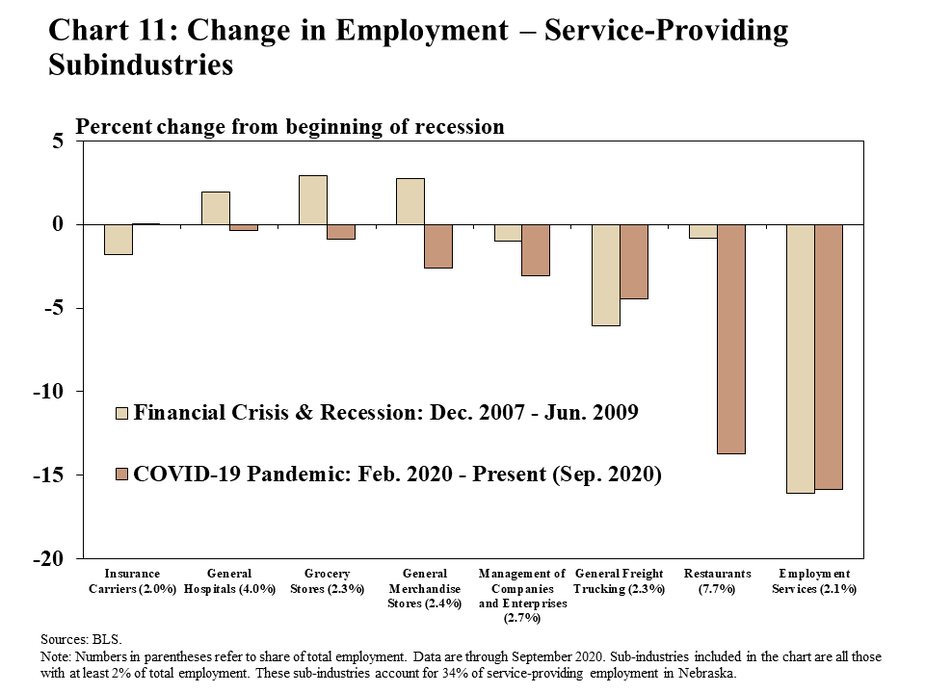
However, relying solely on agriculture can expose an economy to the volatility of commodity prices and weather patterns. Recognizing this, Nebraska has been actively working to diversify its economy. The growth of industries such as advanced manufacturing, insurance, finance, and transportation, particularly in and around Omaha, is a testament to this effort. These diversified sectors create a more resilient economic base, which can translate into greater state revenue and the capacity to invest in public services and tourism initiatives. A strong and diversified economy generally means better-funded parks, well-maintained historical sites, and a more vibrant cultural scene, all of which enhance the travel experience.
Fiscal Health: Budget Balances and Debt
When discussing whether a state is in “financial trouble,” the focus often narrows to its budget. Nebraska, in recent years, has generally maintained a reputation for fiscal prudence. State budgets are typically managed with an eye towards balancing revenue and expenditures, a practice that contributes to a stable financial outlook. Unlike some states that have faced significant budget deficits, Nebraska has often operated with surpluses or managed its finances to avoid substantial shortfalls.
This fiscal discipline can have several positive implications for tourism and travel. A state that is not burdened by overwhelming debt is more likely to have funds available for capital improvements, such as upgrading infrastructure around popular tourist destinations like the Chimney Rock National Historic Site or the Scotts Bluff National Monument. It also means that investments can be made in marketing and promoting Nebraska as a travel destination, reaching potential visitors who might otherwise overlook its offerings. For travelers seeking accommodation, a stable economy can support a diverse range of hotel and resort options, from luxury suites to budget-friendly apartments, as businesses feel more confident investing in the state.
Impact on Tourism and Infrastructure
The financial health of Nebraska has a direct bearing on the quality and accessibility of its tourism offerings and the infrastructure that supports them. A state’s economic well-being influences everything from the upkeep of its natural landmarks to the development of new cultural attractions and the ease with which travelers can navigate its roads and cities.
Investment in Attractions and Landmarks
For a state to attract and retain tourists, its key attractions and landmarks must be well-maintained and accessible. In Nebraska, this includes a range of historical sites, natural wonders, and cultural hubs. For example, the Strategic Air Command & Aerospace Museum near Ashland, which showcases Nebraska‘s aviation history, relies on public and private investment to maintain its exhibits and expand its offerings. Similarly, the preservation of historical sites like the Arbor Day Farm in Nebraska City or the unique geological formations at Agate Fossil Beds National Monument requires ongoing financial commitment.
When a state is financially sound, it can allocate resources to these areas, ensuring that they remain appealing and informative for visitors. This might involve funding for interpretative programs, restoration projects, or the development of new visitor centers. Conversely, financial strain could lead to budget cuts that impact the upkeep of these sites, potentially diminishing their appeal and the overall visitor experience. This can also affect smaller towns that rely heavily on tourism for their local economies, such as those near attractions like the Ogallala Lake McConaughy.
Infrastructure Development and Connectivity
The ability of travelers to reach and explore Nebraska is heavily reliant on its infrastructure. This includes the quality of its roadways, airports, and public transportation systems. A robust economy typically supports continuous investment in these areas, making travel within the state smoother and more efficient. For instance, the accessibility of cities like Omaha and Lincoln via major highways and airports is crucial for attracting both business and leisure travelers.
Furthermore, reliable infrastructure enhances the experience of exploring rural Nebraska. Well-maintained secondary roads allow easier access to attractions like the Niobrara River for outdoor adventures or smaller historical towns that offer a glimpse into prairie life. A state facing financial difficulties might find it challenging to undertake large-scale infrastructure projects or even to maintain existing roads and bridges, which could deter visitors who prioritize convenience and ease of travel.
The Lifestyle of Travel in Nebraska: Opportunities and Considerations
The financial condition of Nebraska also plays a role in shaping the lifestyle of travel within its borders, influencing the variety of experiences available and their associated costs. Whether one is planning a luxury escape, a budget-friendly family trip, or a business stay, the state’s economic health can impact what is possible and accessible.
Accommodation Options and Affordability
The range and quality of accommodation are key factors for any traveler. Nebraska offers a spectrum of lodging, from the upscale hotels in Omaha‘s Old Market district to charming bed and breakfasts in smaller towns and motels catering to budget-conscious travelers. The financial stability of the state can influence the development and maintenance of these establishments. A healthy economy encourages investment in new hotels and resorts, ensuring a competitive market that can offer better amenities and prices.
For travelers seeking extended stays or apartment-style accommodations, the economic climate can also play a role in the availability and affordability of such options. In a thriving economy, there might be more options for serviced apartments or vacation rentals, catering to a wider range of travel styles. Conversely, economic downturns could lead to reduced investment in the hospitality sector, potentially limiting choices or increasing prices as existing businesses try to recoup costs. This can impact the ability to experience Nebraska through various lifestyle lenses, from luxury resorts to long-term budget stays.
Experiencing Local Culture and Activities
Nebraska‘s local culture is deeply rooted in its history, agriculture, and the spirit of its people. The financial health of the state directly impacts the ability to experience these elements fully. For example, funding for state parks and recreational areas ensures that natural landscapes are preserved and accessible for hiking, camping, and exploring. The state’s support for museums, art galleries, and historical societies in cities like Scottsbluff and Grand Island allows them to offer enriching educational programs and exhibits.
The vibrancy of local food scenes, from farm-to-table restaurants to classic diners, is also indirectly linked to economic prosperity. When local economies are strong, there is greater support for small businesses, including those in the culinary sector. Travelers seeking authentic experiences, such as attending local festivals or exploring antique shops in historic towns like Brownville, will find these opportunities are often more numerous and well-supported in a financially stable environment. The ability to engage in diverse activities, whether it’s attending a college football game in Lincoln or exploring the vastness of the Platte River ecosystem, is a testament to a state’s capacity to invest in and promote its unique cultural and recreational assets.
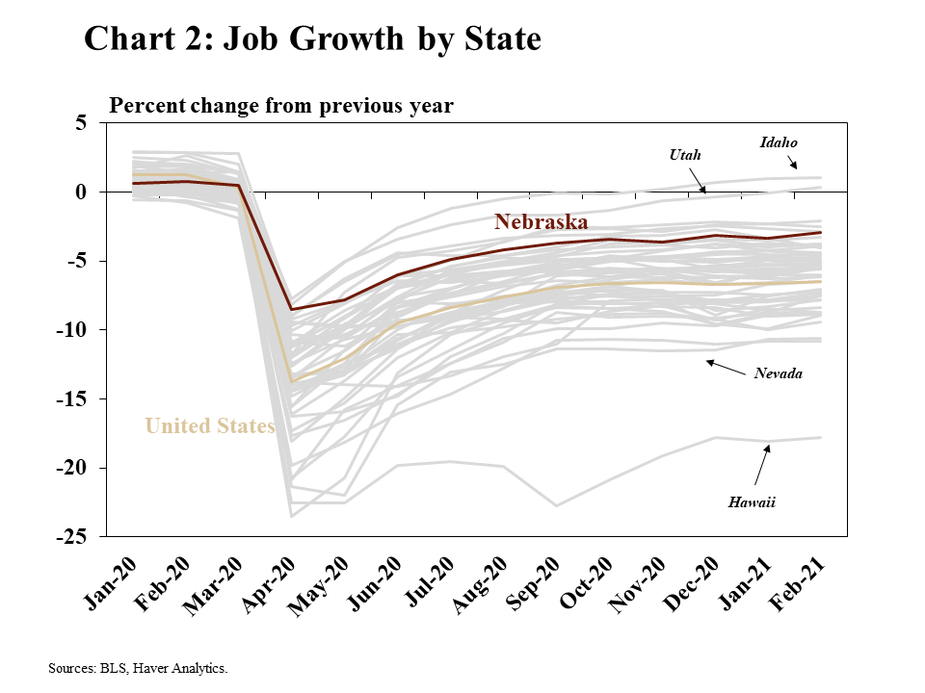
In conclusion, while Nebraska may not face the same dramatic financial crises as some other states, understanding its economic landscape is vital for anyone considering a visit. The state’s agricultural strength, coupled with growing diversification, generally points towards a stable financial outlook. This stability underpins the quality of its infrastructure, the preservation of its landmarks, and the diversity of its tourism and accommodation options, all of which contribute to a rich and rewarding travel experience. For the discerning traveler, Nebraska offers a compelling blend of natural beauty, historical depth, and authentic heartland charm, supported by an economy that is steadily working to ensure these experiences remain accessible and vibrant for years to come.
LifeOutOfTheBox is a participant in the Amazon Services LLC Associates Program, an affiliate advertising program designed to provide a means for sites to earn advertising fees by advertising and linking to Amazon.com. Amazon, the Amazon logo, AmazonSupply, and the AmazonSupply logo are trademarks of Amazon.com, Inc. or its affiliates. As an Amazon Associate we earn affiliate commissions from qualifying purchases.