
While the question of “How many electoral votes are there in Nevada?” might initially seem like a straightforward inquiry into political mechanics, delving into it opens a fascinating window into the state’s identity, its place within the United States, and its unique contributions to the national discourse. Nevada, often stereotyped for its dazzling lights and casinos, is far more than just a playground for adults. It’s a state rich in natural beauty, historical significance, and a burgeoning lifestyle that attracts a diverse range of visitors and residents. Understanding Nevada’s electoral votes is, in a sense, understanding its voice in the grand tapestry of American democracy, a voice amplified by its growing population and its strategic position.
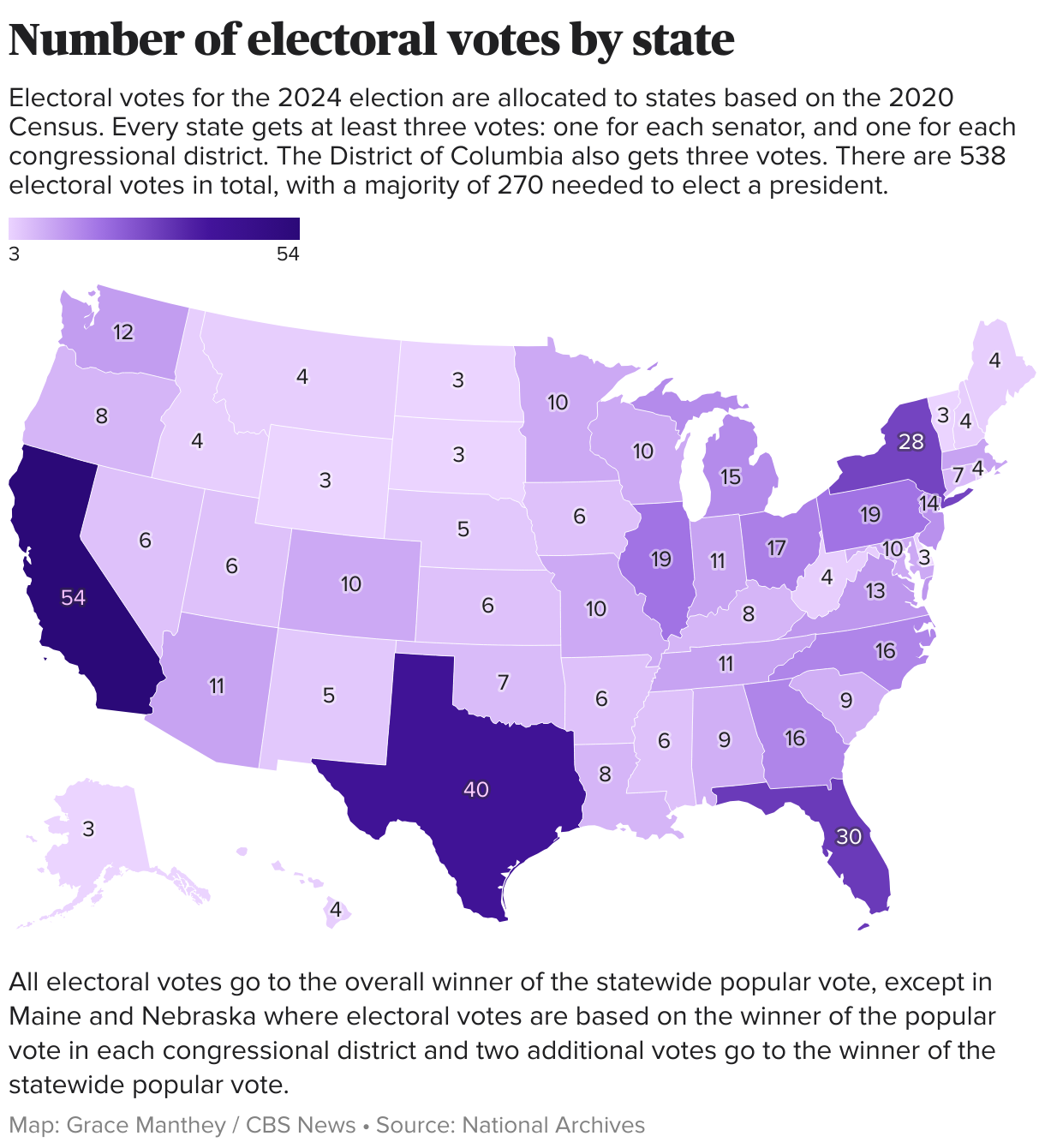
The number of electoral votes a state possesses is directly tied to its representation in the United States Congress. This representation, in turn, is based on the state’s population as determined by the decennial U.S. Census. Each state is allocated a number of electors equal to the sum of its senators (always two) and its representatives in the House of Representatives. The number of representatives is apportioned among the states based on their population relative to other states. Therefore, a state with a larger population will have more representatives and, consequently, more electoral votes. This system ensures that states with more citizens have a proportionally larger say in the presidential election outcome.
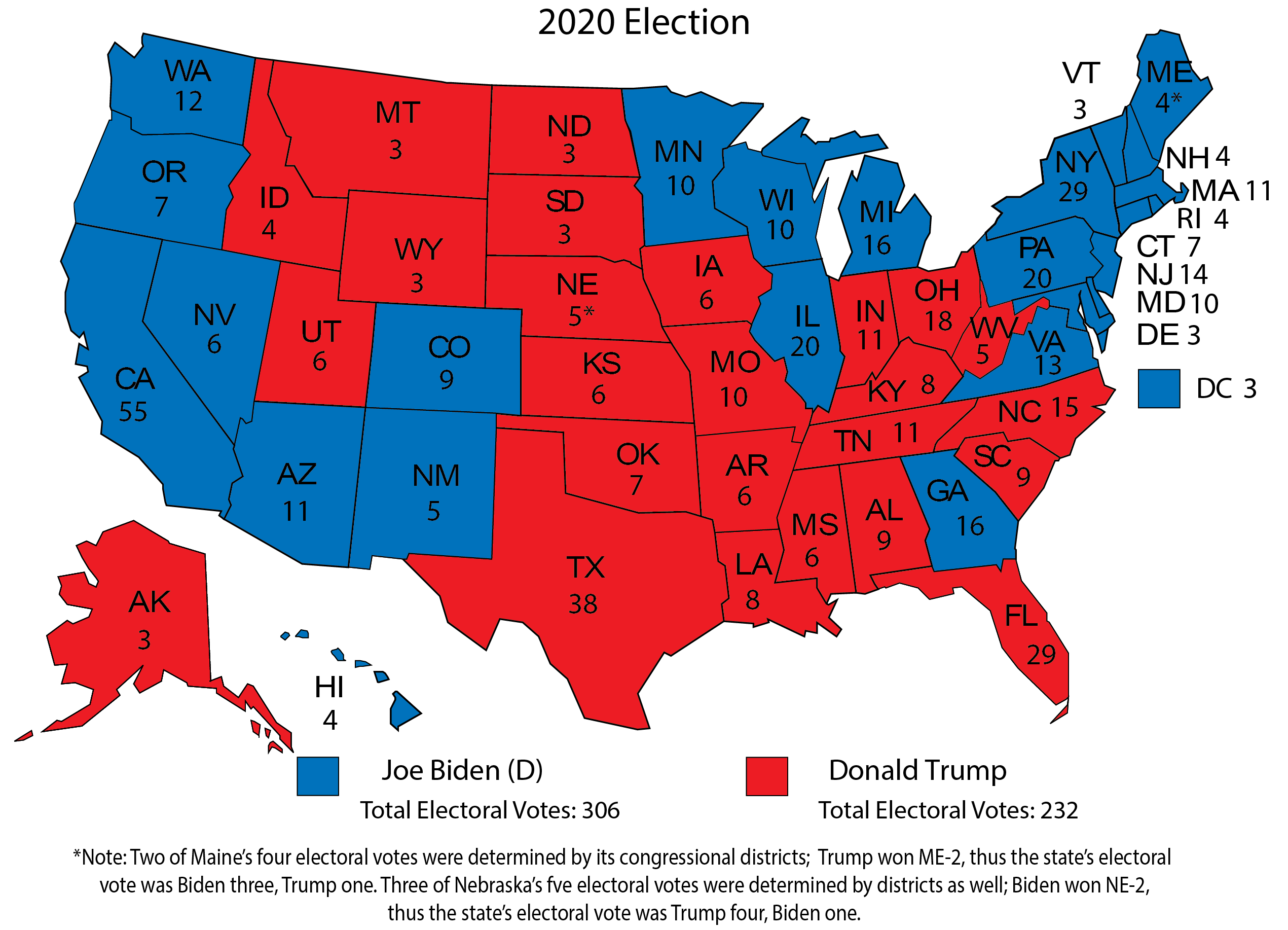
For Nevada, this number has seen fluctuations over time, reflecting its dynamic population growth. As of the most recent apportionment following the 2020 U.S. Census, Nevada is allocated six electoral votes. This number has remained consistent since the 2010 Census, a testament to its continued, albeit slightly moderated, population expansion. This figure places Nevada as a significant, though not overwhelming, player in the Electoral College, often making it a state to watch during presidential campaigns.
Nevada’s Electoral Journey: A Reflection of Growth and Influence
Nevada’s electoral vote count is not static; it’s a living number that has evolved alongside the state itself. From its early days as a sparsely populated territory, its representation has grown, mirroring the pioneering spirit and the subsequent influx of people drawn to its unique opportunities and landscapes.
From Territory to Statehood: Early Electoral Beginnings
When Nevada was admitted to the Union on October 31, 1864, during the throes of the Civil War, its initial representation in Congress was modest. As a newly formed state, it was granted two senators and one representative. This equated to three electoral votes in its first presidential election as a state. This foundational number was a reflection of its nascent population, primarily concentrated around mining camps and early settlements. The discovery of the Comstock Lode, for instance, spurred significant, albeit often transient, population growth, influencing its early political standing. The rapid growth, however, was often tied to the boom-and-bust cycles of mining, leading to population shifts that would continue to shape its electoral future.
Post-War Expansion and The Shifting Sands of Representation
Following World War II, Nevada experienced a significant demographic and economic transformation. The growth of its gaming industry, particularly in cities like Las Vegas and Reno, coupled with the expansion of military installations and the burgeoning tourism sector, attracted a steady stream of new residents. This population boom translated directly into increased congressional representation and, consequently, more electoral votes.

- 1940s Census: Nevada saw its number of representatives increase, leading to more electoral votes.
- 1970s Census: The state’s persistent growth meant another reapportionment, again increasing its electoral vote count.
- 1980s Census: Continued population increases solidified Nevada’s position and its electoral weight.
- 2000 Census: Nevada’s rapid expansion, particularly in Clark County, led to a further increase in its representation, pushing its electoral votes higher.
- 2010 Census: The state continued its impressive growth trajectory, securing its current allocation of six electoral votes.
This historical progression underscores a key aspect of the U.S. electoral system: it is designed to be responsive to population shifts. Nevada’s journey from three electoral votes to six is a clear indicator of its evolving importance within the nation. This growth also means that Nevada has become a more significant battleground in presidential elections, as candidates recognize the potential impact of its growing bloc of voters. The state’s demographic makeup, with its diverse population and a substantial proportion of younger voters, makes it a particularly interesting case study for political strategists.
Beyond the Ballot Box: Nevada’s Broader Impact
While the number of electoral votes is a specific metric for presidential elections, Nevada’s influence extends far beyond this single aspect. The state’s unique character, its economic drivers, and its cultural contributions all play a role in shaping its identity and its standing, both nationally and internationally.
Tourism and Economic Powerhouse
Nevada is globally renowned as a premier travel destination. The dazzling Las Vegas Strip with its iconic hotels like Bellagio and Caesars Palace, world-class entertainment, and a vibrant nightlife, draws millions of visitors each year. Beyond the city lights, the state boasts stunning natural wonders, from the majestic Hoover Dam and the awe-inspiring Grand Canyon (with its West Rim accessible from Nevada) to the serene beauty of Lake Tahoe and the otherworldly landscapes of Valley of Fire State Park. This robust tourism industry is a significant economic engine, generating billions of dollars and supporting countless jobs. The influx of tourists also subtly influences the state’s culture and its outward perception. Travelers experience firsthand the hospitality, the unique blend of entertainment and natural beauty, and the spirit of innovation that characterizes Nevada.
Accommodation and Lifestyle
The demand for accommodation in Nevada is immense, catering to every type of traveler. From luxurious resorts and sprawling casinos offering opulent suites and gourmet dining to budget-friendly hotels and cozy apartments for longer stays, the options are vast. The state has become a hub for various lifestyles, attracting those seeking the thrill of the casino, the serenity of a mountain retreat, or the vibrant energy of urban life. Families find adventure in theme parks and outdoor excursions, while business travelers benefit from world-class convention centers and sophisticated amenities. The burgeoning tech sector in areas like Reno also contributes to a growing professional class, seeking different kinds of experiences and accommodations, including more modern apartment complexes and co-living spaces. This diversification of lifestyle and accommodation reflects the state’s ongoing evolution beyond its traditional image.
Landmarks and Cultural Richness
Nevada’s landmarks are as diverse as its landscapes. The aforementioned Hoover Dam, an engineering marvel, stands as a testament to human ingenuity and a vital resource for the region. The Neon Museum in Las Vegas preserves the iconic signage that once illuminated the city, offering a nostalgic glimpse into its past. Natural landmarks like Red Rock Canyon National Conservation Area provide breathtaking vistas and opportunities for hiking and exploration. Culturally, Nevada embraces its heritage, from the cowboy spirit of its rural towns to the cosmopolitan flair of its major cities. Local food scenes are increasingly vibrant, offering everything from classic diner fare to innovative culinary experiences. The state’s commitment to preserving its history, from ghost towns to its Native American heritage, adds further depth to its cultural tapestry.
In conclusion, while the question “How many electoral votes are there in Nevada?” directly pertains to its presidential election participation, understanding Nevada requires looking at its dynamic population, its significant economic contributions through tourism and innovation, and its diverse lifestyle offerings. The six electoral votes are a tangible representation of its voice in the national arena, a voice that has grown stronger over time and will likely continue to do so as the Silver State further carves its unique niche in the American narrative.
LifeOutOfTheBox is a participant in the Amazon Services LLC Associates Program, an affiliate advertising program designed to provide a means for sites to earn advertising fees by advertising and linking to Amazon.com. Amazon, the Amazon logo, AmazonSupply, and the AmazonSupply logo are trademarks of Amazon.com, Inc. or its affiliates. As an Amazon Associate we earn affiliate commissions from qualifying purchases.