
Navigating the complexities of proving residency in Texas can feel like a bureaucratic maze, especially when you find yourself without the usual utility bills or lease agreements. Whether you’re a newcomer settling into a new Texas city, a student at University of Texas or Texas A&M University, or someone who has recently relocated and hasn’t yet received your official mail, the need to establish your domicile often arises unexpectedly. Fortunately, the Lone Star State offers a variety of alternative methods to demonstrate that Texas is indeed your primary residence, extending beyond the conventional paper trail. This guide aims to illuminate these less common, yet perfectly valid, pathways to proving your residency, ensuring you can access essential services and benefits without undue stress.
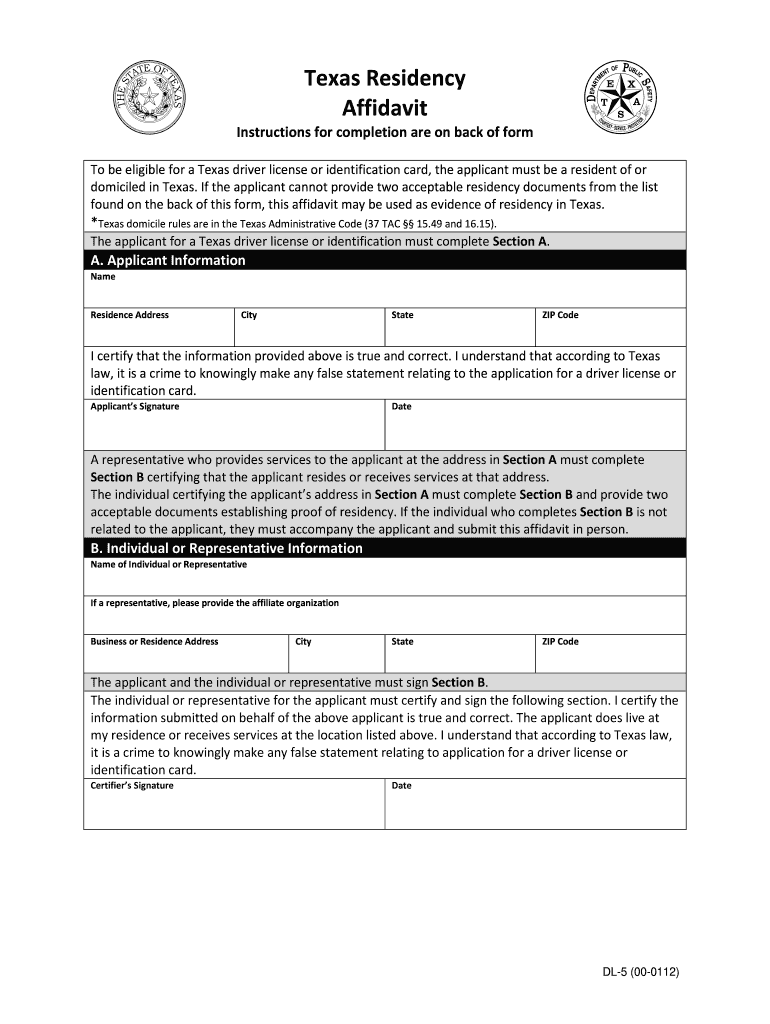
The need to prove residency in Texas can stem from various situations. For instance, obtaining a Texas driver’s license or state identification card is a primary example. If you’re planning a road trip through the scenic Texas Hill Country or looking to explore the vibrant culture of Austin, having a valid ID is crucial. Other scenarios include enrolling children in public schools, registering to vote in local elections, applying for certain state-provided benefits, or even securing certain types of accommodation for longer stays, such as extended-stay hotels or apartment rentals, where landlords might require proof of local residency. For those who appreciate the finer things in life, proving residency might also be a prerequisite for accessing exclusive local amenities or membership programs associated with luxury resorts.
Understanding the accepted forms of alternative documentation is key. The Texas Department of Public Safety (DPS), the agency responsible for issuing driver’s licenses and ID cards, outlines specific requirements. While bills in your name at your Texas address are the most straightforward proof, the DPS and other state agencies recognize that not everyone has access to these immediately. The goal is to demonstrate a clear intent to reside in Texas and a connection to the state that goes beyond temporary visitation. This means finding documents that link you physically to Texas and show a commitment to establishing your life there.
Alternative Documentation for Proving Texas Residency
When the ubiquitous utility bill or lease agreement isn’t an option, the Texas authorities are prepared with a set of alternative documents that can serve the same purpose. The core principle is to provide evidence of your physical presence and established connections within the state. This often involves a combination of official documents and sworn statements, all designed to paint a clear picture of your residency.
Official Government Documents
Beyond utility bills, several official government documents can strongly indicate your residency. These are typically issued by federal, state, or local government entities and bear your name and Texas address.
- Vehicle Registration or Title: If you own a vehicle and have registered it in Texas, the registration certificate or title is a powerful piece of evidence. This shows you’ve committed to living in Texas long enough to undertake this legal process. This is particularly relevant if you’re planning to drive through the vast landscapes of West Texas or explore the historic streets of San Antonio.
- Texas Voter Registration Certificate: Successfully registering to vote in Texas is a strong testament to your intent to reside in the state. This document explicitly declares you are a resident and eligible to participate in Texas elections.
- Official Mail from Government Agencies: Any official correspondence from a Texas state agency, county office, or federal agency addressed to you at your Texas address can be considered. This could include tax notices, jury summons, or notices from the Texas Workforce Commission.
- Court Orders or Legal Documents: If you have any court orders, divorce decrees, or other legal documents that specify your Texas address as your residence, these carry significant weight.
School and Employment Records
Institutions within Texas also play a role in verifying residency through their records. This is especially important for families and individuals establishing roots in the state.
- Enrollment Records from a Texas Educational Institution: If you or your children are enrolled in a Texas public or private school, an enrollment confirmation letter or official transcript listing your Texas address can be a valid proof of residency. This applies to all levels, from University of Houston to elementary schools.
- Employer-Issued Documentation: A letter from your Texas employer on company letterhead, confirming your employment and stating your Texas address, can be a valuable document. This letter should ideally be signed by an authorized representative and include contact information for verification. This is particularly useful for business travelers who might be staying at establishments like the Four Seasons Hotel Houston.
Financial and Legal Affidavits
When physical documents are scarce, sworn statements and other financial indicators can bridge the gap.
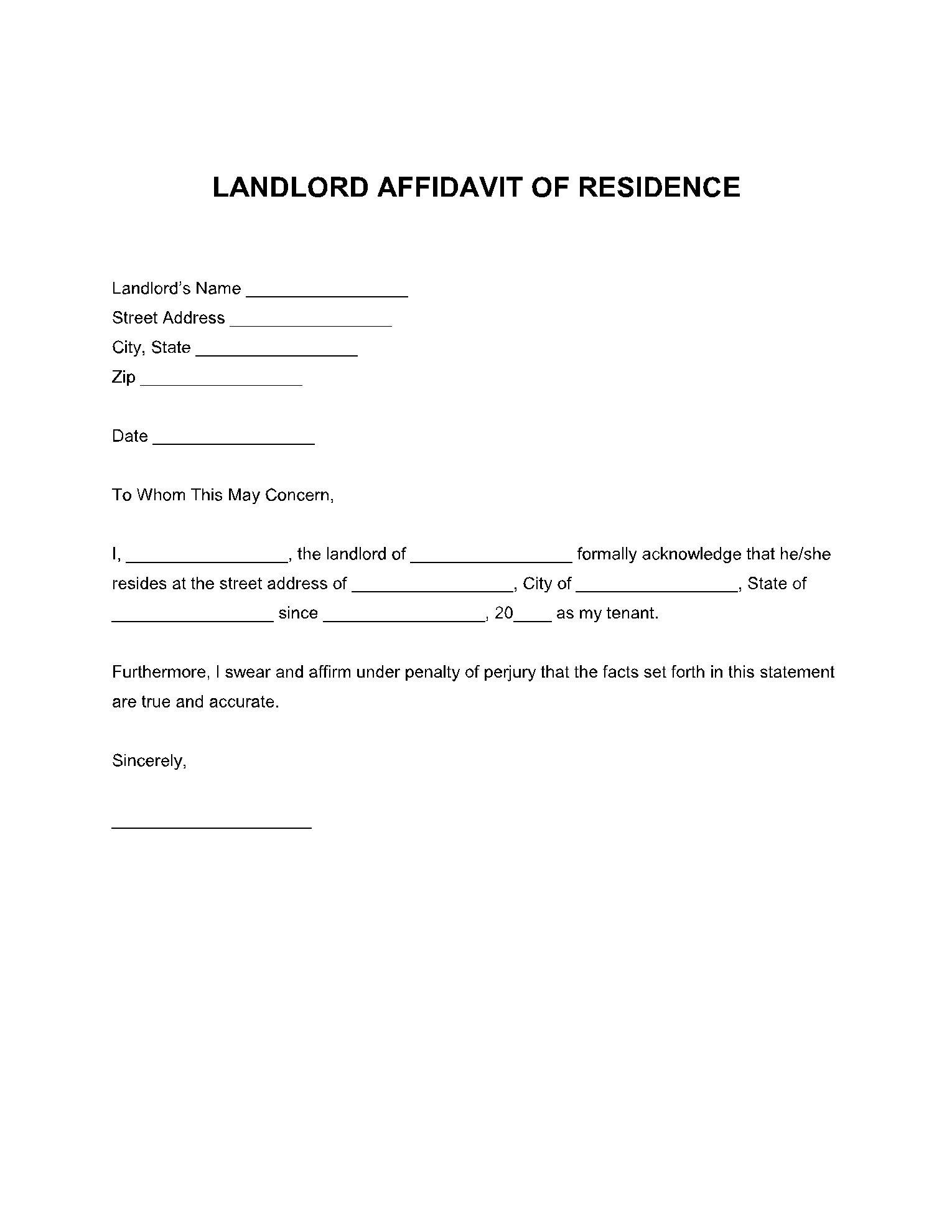
- Affidavit of Residency: In many cases, you can complete an “Affidavit of Residency.” This is a legally binding sworn statement where you declare under oath that you reside at a specific Texas address. This affidavit often needs to be notarized. Sometimes, a Texas resident who can vouch for your residency may also provide a supporting affidavit.
- Financial Institution Records: While not always sufficient on their own, statements from a Texas bank account showing transactions or a mailing address at your Texas location can be supplementary evidence. This demonstrates financial activity within the state.
- Deed or Mortgage Statement: If you own property in Texas, a copy of the deed or current mortgage statement will unequivocally prove your residency.
Practical Strategies for Gathering Alternative Proof
Successfully proving residency without traditional bills requires a proactive and strategic approach. It involves understanding the specific requirements of the entity you’re dealing with and creatively assembling the necessary documentation. The key is to present a cohesive picture of your settled life in Texas.
Understanding Specific Requirements and Gathering Supporting Evidence
Each organization or agency has its own list of accepted alternative documents. It is crucial to inquire directly about their specific requirements before attempting to submit proof. This might involve a phone call to the Texas DPS office, a visit to the local school district administration, or a conversation with your potential landlord.
- Prioritize Official Correspondence: Whenever possible, aim for official documents bearing government seals or authorized signatures. These carry the most inherent authority and are less likely to be questioned. This includes anything from the Texas Comptroller of Public Accounts or the Texas Department of Motor Vehicles.
- Combine Multiple Forms of Evidence: Rarely will a single alternative document suffice. The most effective strategy is to present a combination of several pieces of evidence. For example, an employer letter combined with a notarized affidavit and a vehicle registration might be much more persuasive than just one of these.
- Be Prepared for Notarization: Many alternative proofs, such as affidavits, require notarization. Locate a reputable notary public in Texas. Many banks, some UPS Stores, and dedicated notary services offer this. Ensure the document you need notarized clearly states your Texas address.
- Maintain a Consistent Address: Ensure all documentation consistently reflects the same Texas address. Any discrepancies can lead to further questions and delays.
Leveraging Your Social and Professional Network
Sometimes, the strongest proof comes from the people who can attest to your presence in Texas.
- Letters of Support from Community Members: In specific situations, a letter from a respected community member, religious leader, or long-term Texas resident who can personally vouch for your established residence might be considered. This is often a last resort or used in conjunction with other evidence.
- Proof of Membership in Local Organizations: Active participation in Texas-based organizations, whether a church, a sports league, a volunteer group, or a professional association, can indirectly support your claim of residency by demonstrating your integration into the local community. This is especially relevant for individuals exploring the cultural richness of cities like Dallas.
When to Seek Professional Assistance
While this guide covers many common scenarios, certain situations may warrant professional legal advice to ensure your residency is properly established. This is particularly true if you are facing complex immigration issues, legal disputes, or if the entity requiring proof is particularly stringent.

Navigating Complex Residency Issues
If you are an international traveler planning an extended stay to experience Texas‘s unique blend of history and modern attractions, or if your residency status is tied to a specific visa or immigration process, seeking professional help is advisable. Immigration lawyers or specialized consultants can guide you through the intricacies of proving residency in Texas, ensuring you meet all legal requirements.
- Legal Consultation: For situations involving legal challenges or ambiguous residency claims, consulting with a Texas-based attorney specializing in immigration law or administrative law can provide clarity and representation. They can advise on the best course of action and help prepare necessary legal documents.
- Official Agency Guidance: Never hesitate to contact the specific agency or organization requiring proof of residency. Their websites often have FAQs, or you can call their customer service lines to clarify acceptable documentation for your unique circumstances. For example, if you’re planning a stay at a luxury resort like The Woodlands Resort, understanding their specific requirements for proof of residency for extended stays is crucial.
By understanding the various alternative methods available and approaching the process with diligence and organization, you can successfully prove your residency in Texas, even without the traditional paper trail of bills. This allows you to fully engage with everything Texas has to offer, from its vast natural beauty to its vibrant urban centers.
LifeOutOfTheBox is a participant in the Amazon Services LLC Associates Program, an affiliate advertising program designed to provide a means for sites to earn advertising fees by advertising and linking to Amazon.com. Amazon, the Amazon logo, AmazonSupply, and the AmazonSupply logo are trademarks of Amazon.com, Inc. or its affiliates. As an Amazon Associate we earn affiliate commissions from qualifying purchases.