
The question of whether Nevada is a sanctuary state is complex, often misunderstood, and touches upon a spectrum of legal, social, and political interpretations. When the term “sanctuary state” is used, it typically refers to jurisdictions that have policies in place to limit cooperation with federal immigration enforcement. This can manifest in various ways, from restricting local law enforcement from inquiring about immigration status to refusing to detain individuals solely on federal immigration holds. For travelers, tourists, and those considering stays in Nevada, understanding these nuances is crucial, especially when exploring its world-renowned destinations, diverse accommodations, and vibrant tourism landscape.
The popular image of Nevada is inextricably linked to its glittering cities, particularly Las Vegas, a global epicenter of entertainment, gaming, and luxury. Beyond the neon glow, however, lies a state rich in natural beauty, historical significance, and a unique lifestyle that attracts a wide array of visitors. From the awe-inspiring grandeur of Lake Tahoe to the stark, dramatic landscapes of Valley of Fire State Park, Nevada offers a multifaceted travel experience. The discussion surrounding its “sanctuary” status, while often rooted in political discourse, can inadvertently influence perceptions of safety and accessibility for all who visit or reside within its borders. This article aims to unravel the intricacies of this topic, contextualizing it within Nevada‘s broader identity as a premier destination for tourism, accommodation, and lifestyle.
Understanding “Sanctuary” in the American Context
The term “sanctuary city” or “sanctuary state” is not a formally defined legal term. Instead, it’s a descriptive label applied to jurisdictions that adopt policies to protect undocumented immigrants or limit their entanglement with federal immigration enforcement. These policies vary significantly from place to place. Some may prohibit local law enforcement from honoring U.S. Immigration and Customs Enforcement (ICE) detainers unless accompanied by a judicial warrant, while others may restrict the collection or sharing of immigration status information by local officials.
The debate around sanctuary policies is often framed around balancing local autonomy, public safety, and humanitarian concerns with federal immigration law. Proponents argue that such policies foster trust between immigrant communities and local law enforcement, encouraging reporting of crimes and improving community policing. They also highlight the potential for economic contributions from immigrant populations, regardless of their legal status. Critics, however, contend that sanctuary policies undermine federal law, potentially harbor individuals who pose a risk to public safety, and create a sense of impunity.
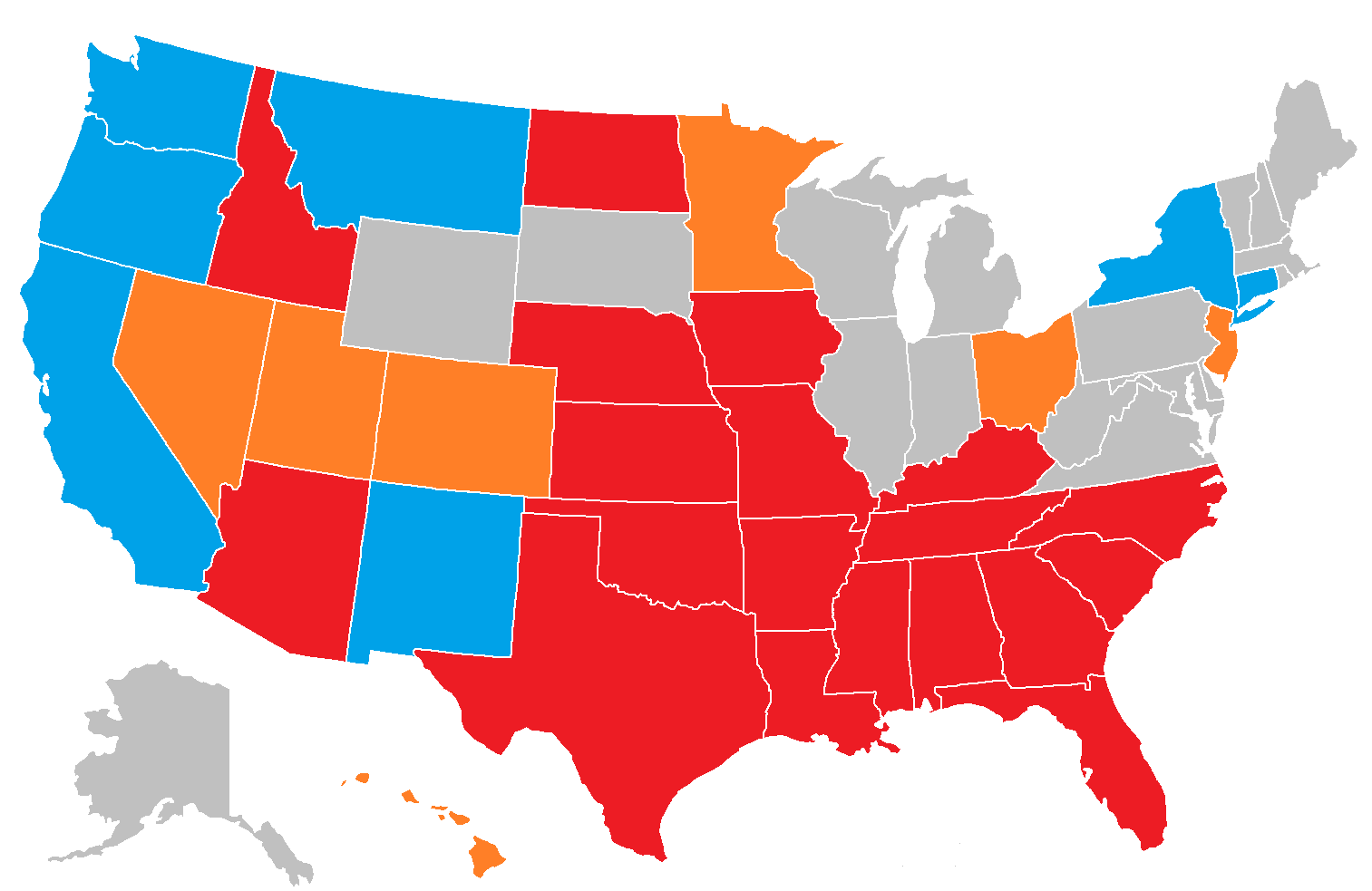
When applied to a state like Nevada, this debate becomes particularly nuanced. Nevada does not have a statewide policy that explicitly designates it as a “sanctuary state.” However, certain cities and counties within Nevada have adopted policies that, in practice, align with some aspects of sanctuary jurisdictions. This patchwork approach means that the enforcement and application of immigration-related policies can differ depending on where one is within the state. For a tourist planning a trip to Reno or a business traveler booking a stay in a Las Vegas resort, understanding that there isn’t a uniform “sanctuary” designation is key. Instead, it’s about the specific practices of local law enforcement and government entities.
Local Ordinances and Their Impact
The impact of the sanctuary debate on Nevada‘s tourism and lifestyle is largely indirect but nonetheless significant. When considering a destination, travelers often seek environments that are perceived as safe, welcoming, and legally straightforward. While federal immigration laws apply uniformly across the United States, the implementation and enforcement at the state and local levels can create varying perceptions.
In Nevada, the conversation around immigration enforcement has been particularly active in its major urban centers. For instance, discussions have arisen regarding local police departments’ interactions with ICE and their adherence to detainers. Some jurisdictions may have adopted policies that limit proactive questioning about immigration status during routine encounters, thereby fostering greater community trust. Conversely, other areas might maintain a closer working relationship with federal immigration authorities.
This variation is important for understanding Nevada as a whole. A visitor seeking a luxurious resort experience in Lake Tahoe might have a different encounter with local authorities than someone attending a conference at a convention center in Las Vegas. However, it’s critical to note that these local policies are primarily aimed at directing the resources of local law enforcement and do not alter the fundamental immigration laws of the United States. For the average tourist, these distinctions are unlikely to be noticeable unless they are directly involved in an immigration-related situation. The emphasis for most visitors remains on the world-class attractions, dining, and hospitality that Nevada is renowned for.
Nevada’s Diverse Tourism and Accommodation Landscape
Beyond the discussions of immigration policy, Nevada stands as a titan in the tourism and accommodation sectors. Its appeal is incredibly diverse, catering to a wide spectrum of travelers, from those seeking high-stakes gambling and extravagant nightlife to adventurers yearning for natural wonders and historical exploration.
Destinations and Attractions

Las Vegas, of course, is the undisputed crown jewel, drawing millions annually to its iconic Strip. Here, visitors can find an unparalleled array of entertainment, from world-class shows and concerts featuring stars like Adele and Celine Dion, to fine dining establishments run by celebrity chefs and sprawling casino resorts like the Bellagio and The Venetian. Beyond the gaming floors, Las Vegas offers unique attractions like the High Roller Observation Wheel and the vibrant Fremont Street Experience.
However, Nevada‘s allure extends far beyond its most famous city. Reno, often called “The Biggest Little City in the World,” offers a more relaxed yet still vibrant atmosphere with its own casinos, arts scene, and proximity to outdoor recreation. A major draw for both locals and tourists is the breathtaking Lake Tahoe, straddling the border with California. This magnificent alpine lake provides opportunities for skiing and snowboarding in winter at resorts like Heavenly Mountain Resort, and hiking, boating, and swimming in the summer. The crystal-clear waters and stunning mountain vistas make it a premier destination for nature lovers and adventure seekers.
For those interested in history and unique geological formations, Nevada offers treasures like Hoover Dam, an engineering marvel that also serves as a gateway to the Lake Mead National Recreation Area. The stark beauty of the desert is showcased in places like Valley of Fire State Park, with its striking red sandstone formations, and the mysterious Area 51 (though access is limited and tours are often focused on surrounding areas). The historic mining towns, such as Virginia City, offer a glimpse into the state’s Wild West past, complete with saloons, ghost stories, and preserved 19th-century architecture.
Accommodation Options
Reflecting its diverse tourist appeal, Nevada boasts an extensive range of accommodation options. In Las Vegas, the skyline is dominated by colossal casino resorts, each offering a unique theme and an array of amenities. These range from the luxurious suites of the Wynn Las Vegas and the themed extravagance of The Venetian Resort Las Vegas, to more budget-friendly yet still comfortable options. Many of these hotels feature multiple swimming pools, world-class spas, diverse dining experiences, and, of course, their own casinos.
Outside of Las Vegas, the accommodation scene shifts to complement the regional attractions. Lake Tahoe offers a variety of hotels, from upscale resorts like the Ritz-Carlton Lake Tahoe to charming lodges and inns that provide stunning lake views. For those seeking longer stays or a more private experience, serviced apartments and villas are available in tourist hubs, offering amenities like kitchens and living spaces. Boutique hotels and motels are prevalent in smaller towns and historic areas, providing a more intimate and local flavor. Reno also presents a mix of casino hotels and more conventional lodging options, catering to both leisure and business travelers. The focus across Nevada‘s accommodation landscape is on providing comfort, convenience, and often, access to the unique attractions each region offers. Whether one is seeking a lavish penthouse suite with a view of the Las Vegas Strip or a cozy cabin near the shores of Lake Tahoe, Nevada endeavors to meet every traveler’s needs.
Lifestyle and Travel Experiences in Nevada
Nevada‘s appeal transcends its geographical boundaries and its immediate tourist attractions, influencing a broader lifestyle and offering a variety of travel experiences that cater to different preferences and budgets. From the pinnacle of luxury to the practicality of budget travel, the state provides a canvas for diverse explorations.
Luxury, Budget, and Family Travel
For those who embrace Luxury Travel, Nevada is a paradise. Las Vegas is a prime example, with its five-star hotels, Michelin-starred restaurants, high-end shopping districts, and exclusive nightlife. The concept of a “staycation” in Las Vegas for a wealthy resident of California or a business magnate is common, offering a world of indulgence just a short flight away. The service at these luxury resorts is often impeccable, providing personalized attention and unparalleled amenities. Beyond Las Vegas, luxury can also be found in exclusive resorts around Lake Tahoe, offering breathtaking views and high-end amenities in a serene natural setting.
Conversely, Nevada also excels in Budget Travel. The state is known for its competitive pricing, particularly in Las Vegas during the off-peak seasons or mid-week. Many hotels offer attractive deals, and the abundance of dining options means that travelers can find affordable meals ranging from buffets to casual eateries. Furthermore, the natural attractions, such as State Parks like Valley of Fire, offer incredible value for money. Entrance fees are typically minimal, allowing visitors to experience the stunning landscapes without breaking the bank. Road trips through Nevada, stopping at quirky roadside attractions and small towns, can be an incredibly economical way to explore the state.
Family Trips are also well catered for. While Las Vegas is often perceived as an adult-oriented destination, it has significantly broadened its appeal to families. Many resorts feature family-friendly pools, arcades, and entertainment specifically for children. Attractions like the Shark Reef Aquarium at Mandalay Bay or the various magic shows are popular with all ages. Outside of the city, Lake Tahoe offers endless outdoor activities suitable for families, from gentle hiking trails and boat rides to exploring the Donner Memorial State Park and learning about the Donner Party‘s history. Reno also provides family-friendly museums and parks. The variety of landscapes, from deserts to mountains to lakes, ensures that families can find activities that suit different interests and energy levels.

Business Stays and Long-Term Accommodation
Nevada, especially Las Vegas and Reno, is a major hub for business travel and conventions. The sheer scale of the convention centers and the interconnectedness of the major hotels make it an ideal location for large-scale corporate events, trade shows, and conferences. Business travelers benefit from the extensive infrastructure, including modern meeting facilities, high-speed internet, and a wide range of dining and entertainment options for post-conference activities. Many hotels cater specifically to business travelers, offering business centers, meeting rooms, and convenient access to transportation.
For those considering a Long-term Stay in Nevada, the options expand beyond traditional hotels. Many cities offer extended-stay hotels and serviced apartments that provide more space, kitchen facilities, and a home-away-from-home feel, which can be ideal for individuals relocating for work, students, or those on extended assignments. Short-term rental platforms also offer a variety of apartments and houses for rent, providing flexibility and often a more local living experience. Whether it’s a short business trip or a more extended period of residence, Nevada offers a pragmatic and diverse range of accommodation solutions to suit the needs of modern travelers and residents. The state’s vibrant economy and diverse opportunities continue to attract a steady stream of visitors and long-term occupants alike, all of whom contribute to the dynamic tapestry of life in the Silver State.
LifeOutOfTheBox is a participant in the Amazon Services LLC Associates Program, an affiliate advertising program designed to provide a means for sites to earn advertising fees by advertising and linking to Amazon.com. Amazon, the Amazon logo, AmazonSupply, and the AmazonSupply logo are trademarks of Amazon.com, Inc. or its affiliates. As an Amazon Associate we earn affiliate commissions from qualifying purchases.