
As residents and property owners in the Sunshine State can attest, preparedness is not just a suggestion but a necessity, particularly as hurricane season approaches. Florida, a state renowned for its beautiful coastlines and vibrant communities, also lies within a region highly susceptible to tropical storms and hurricanes. To alleviate the financial burden of preparing for these annual events, the Florida Legislature often establishes a “Hurricane Preparedness Sales Tax Holiday.” This initiative allows consumers to purchase essential supplies tax-free, making it a crucial period for budget-conscious families and individuals to stock up. While specific dates for 2025 are not yet officially announced, understanding the program’s history, eligible items, and how to best utilize this opportunity is paramount for anyone living in or with ties to Florida. This comprehensive guide delves into everything you need to know about the upcoming Hurricane Tax Free Week in Florida, emphasizing smart lifestyle choices and proactive planning.
Understanding Florida’s Hurricane Preparedness Sales Tax Holiday
The Hurricane Preparedness Sales Tax Holiday is a significant annual event designed to encourage Florida residents to assemble emergency kits and secure their homes ahead of the official hurricane season, which runs from June 1st to November 30th. This period offers a unique opportunity for substantial savings on a wide array of items deemed critical for emergency readiness.
What the Sales Tax Holiday Entails
During the designated tax-free week, consumers are exempt from paying sales tax on qualifying hurricane preparedness items. This isn’t just a minor discount; it’s a direct saving of the state’s 6% sales tax, plus any applicable local discretionary sales surtaxes, which can add up significantly, especially when purchasing higher-priced items like generators. The range of eligible products is broad and intentionally covers most necessities for enduring a storm, from basic survival tools to communication devices and protective gear for homes.
The goal is to remove a financial barrier, making it easier for every household to be ready. For many, this tax holiday represents an opportune moment to make those crucial purchases without stretching their budget too thin, aligning with a lifestyle of proactive financial management and safety.
Why Florida Implements This Initiative
Florida’s strategic location in the hurricane belt means it faces a disproportionately high risk of tropical storm impacts. Every year, communities across the state brace for potential severe weather, which can lead to power outages, flooding, and widespread damage. The state’s motivation for offering this sales tax holiday is multi-faceted:
- Public Safety: The primary objective is to enhance public safety by ensuring more residents have access to essential supplies for survival and self-sufficiency during and after a storm.
- Economic Relief: It provides economic relief to residents, helping them manage the often considerable costs associated with hurricane preparedness. This is especially vital for lower-income families who might otherwise struggle to afford all necessary items.
- Encouraging Proactive Preparedness: By timing the holiday before the peak of hurricane season, the state actively promotes proactive planning, reducing the strain on emergency services during an actual event and fostering a culture of resilience.
- Minimizing Post-Storm Chaos: Well-prepared citizens are less reliant on immediate government aid in the aftermath of a storm, allowing resources to be focused on critical infrastructure repair and severe emergencies.
This initiative is a cornerstone of Florida’s comprehensive approach to disaster readiness, reflecting a commitment to its citizens’ well-being and a testament to the state’s experience in navigating severe weather events.
Anticipating the 2025 Dates
While the excitement for the 2025 Hurricane Tax Free Week is already building, the exact dates are not determined far in advance. The legislative process dictates the timing, meaning eager shoppers will need to stay vigilant for official announcements.
Historical Precedents and Legislative Process
Typically, the dates for Florida’s Hurricane Preparedness Sales Tax Holiday are established during the legislative session, which usually concludes in the spring. Once passed by the Florida Legislature, the bill must be signed into law by the Governor. This process generally means that the official dates for the sales tax holiday, along with the list of eligible items and any price caps, are announced a few months before the holiday takes effect.
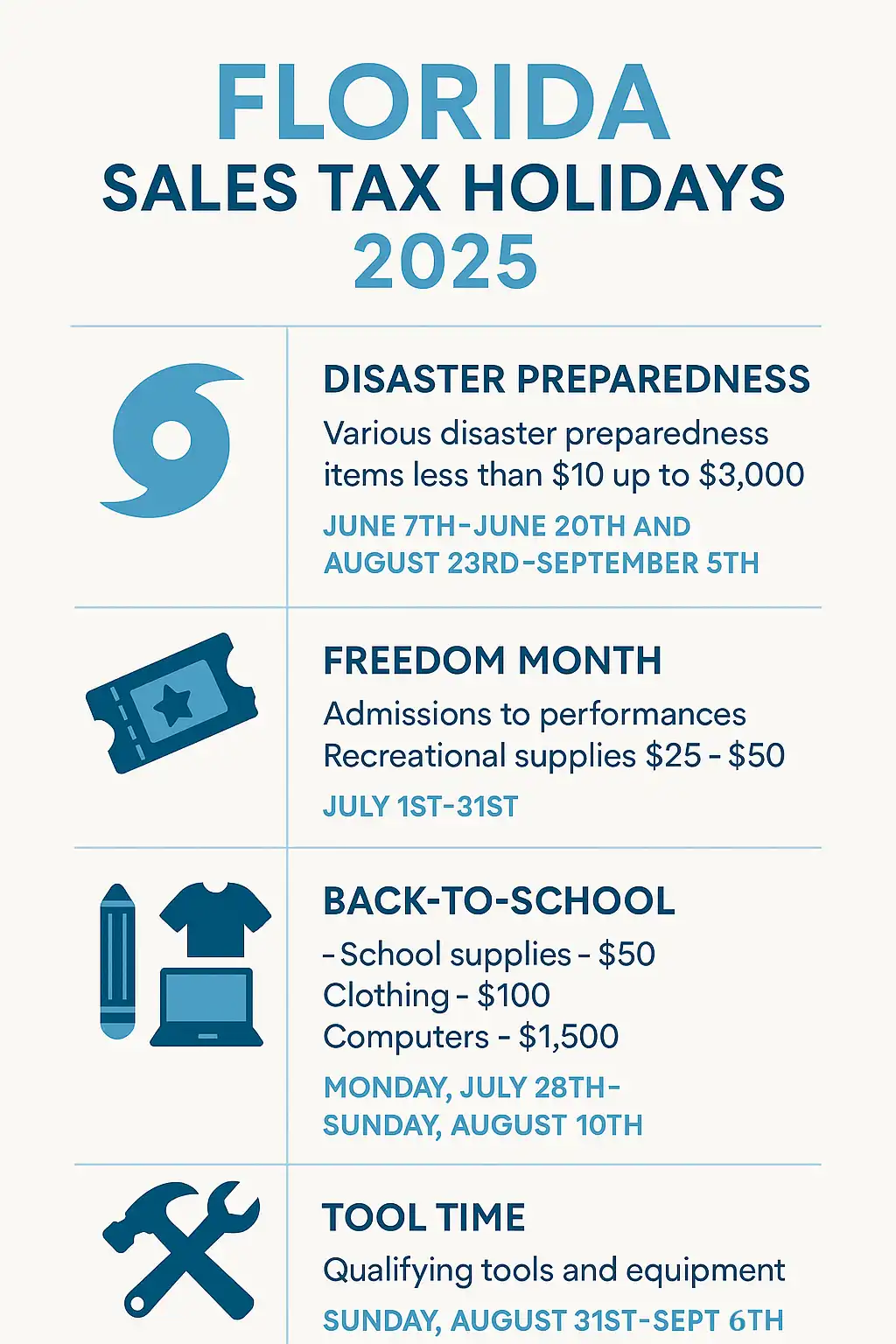
In recent years, Florida has often hosted two separate tax-free periods for hurricane preparedness. For instance, in 2024, there were two distinct holidays: one in early June and another in late August/early September. This dual-period approach provides additional flexibility for residents who may miss the first window or need to replenish supplies later in the season. Observing these historical trends provides a strong indication that 2025 will likely follow a similar pattern, potentially offering multiple opportunities for savings.
How to Stay Informed for 2025
For the most accurate and up-to-date information regarding the 2025 Hurricane Preparedness Sales Tax Holiday, it is crucial to consult official sources. Relying on unofficial channels can lead to misinformation or missed opportunities. Key resources include:
- Florida Department of Revenue (FDOR): The FDOR website is the authoritative source for details on all sales tax holidays, including eligible items, price limits, and dates. They typically publish a detailed tax information publication once the law is enacted.
- The Florida Legislature: Information regarding proposed bills and their status can be found on the legislative session’s official website.
- Local News Outlets: Reputable local news stations and newspapers in Florida often report on the sales tax holiday dates as soon as they are finalized, providing timely alerts to the community.
- Emergency Management Agencies: Florida’s Division of Emergency Management, along with county-level emergency services, often promote the tax holiday as part of their broader preparedness campaigns.
By actively monitoring these channels, you can ensure you are among the first to know the official dates for 2025 and begin your strategic shopping.
Maximizing Your Savings During Hurricane Tax Free Week
Once the dates are announced, having a clear strategy can help you make the most of the Hurricane Tax Free Week. This is an opportunity for savvy shoppers to not only save money but also to ensure their household is fully equipped for any eventuality, embodying a responsible and prepared lifestyle.
Essential Items to Prioritize
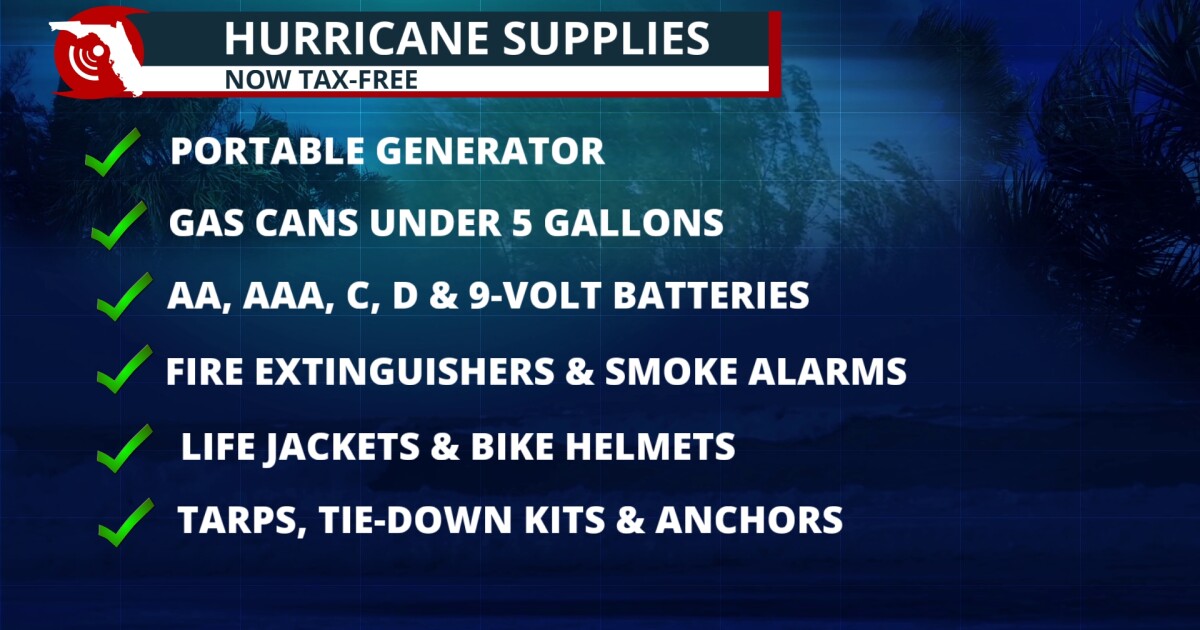
The list of tax-exempt items is extensive and specifically curated to cover a wide range of emergency needs. While the exact list for 2025 will be confirmed by the Florida Department of Revenue, it generally includes:
- Power and Lighting:
- Batteries: AA, AAA, C, D, 6-volt, 9-volt (usually with a price limit per battery).
- Lanterns, Flashlights, & Candles: Self-powered or battery-operated (usually under a certain dollar amount).
- Portable Power Banks: For charging phones and small electronics.
- Portable Generators: These are often the most significant savings, but typically come with a higher price cap (e.g., up to $1,000 or $3,000 depending on the year).
- Water and Food Storage:
- Coolers & Ice Chests: Non-electrical food storage.
- Reusable Ice Packs: For keeping coolers cold.
- Water Storage Containers: For storing potable water.
- Safety and Communication:
- Radios: Weather band radios, two-way radios, and self-powered radios (often with price limits).
- Tarpaulins or Other Flexible Waterproof Sheeting: For covering damaged areas.
- Tie-Down Kits, Bungee Cords: For securing property.
- First Aid Kits: Essential for treating minor injuries.
- Carbon Monoxide Detectors: Battery-powered, crucial for generator safety.
- Smoke Detectors: Battery-powered.
- Fire Extinguishers: Portable.
- Tools and Miscellaneous:
- Gas Cans or Diesel Fuel Cans: For generators or vehicles.
- Ground Anchor Systems or Tie-Down Kits: For securing mobile homes.
- Rope, bungee cords, and tarps.
- Pet food and supplies: Often included up to a certain dollar amount.
It’s critical to review the official list and specific price caps for 2025 once they are released, as these details can change from year to year based on legislative adjustments. Prioritize items you lack or need to replace, especially those with significant price tags where the sales tax savings will be most substantial.
Strategic Shopping Tips
To truly maximize your savings and preparedness during the Hurricane Tax Free Week, consider these strategic shopping tips:
- Create a Detailed Shopping List: Before the holiday begins, audit your current emergency supplies. What’s missing? What needs replacing? A precise list prevents impulse buys and ensures you get everything you need.
- Compare Prices in Advance: Even without sales tax, prices can vary between retailers. Check store circulars and online prices in the weeks leading up to the holiday. Some retailers may offer additional discounts or promotions during the tax-free period.
- Shop Early in the Week: Popular items, especially generators and batteries, can sell out quickly. Shopping on the first day or two increases your chances of finding all the items on your list.
- Understand Price Limits: Pay close attention to the price caps for eligible items. A generator might be tax-free up to $3,000, but if you buy one for $3,500, only the first $3,000 would be tax-exempt.
- Consider Bulk Purchases: For non-perishable items like batteries or certain medical supplies, buying in bulk during the tax holiday can lead to greater long-term savings.
- Don’t Forget Online Shopping: Many online retailers that collect Florida sales tax will also participate in the holiday, offering convenience and potentially broader inventory. Confirm participation before checking out.
By approaching the Hurricane Tax Free Week with a well-thought-out plan, you not only save money but also cultivate a more resilient and prepared household, a cornerstone of smart lifestyle management in Florida.
Beyond the Tax Break: Comprehensive Hurricane Preparedness
While the Hurricane Tax Free Week is an excellent opportunity to save on essential supplies, true preparedness extends far beyond tax-exempt purchases. A holistic approach to hurricane readiness integrates financial planning, family communication, and home protection.
Developing a Family Emergency Plan
An emergency plan is perhaps the most critical component of hurricane preparedness. It ensures every family member knows what to do before, during, and after a storm. This plan should include:
- Communication Strategy: Designate an out-of-state contact person for family members to check in with. Create a list of important phone numbers, both physical and digital.
- Evacuation Routes: Know your zone. Determine primary and secondary evacuation routes, as well as designated meeting points if you become separated.
- Shelter Information: Identify local shelters and understand their requirements (e.g., pet policies).
- Special Needs: Account for elderly family members, infants, individuals with disabilities, and pets.
Practicing your plan periodically can significantly reduce stress and confusion when a real threat emerges.
Assembling a Complete Emergency Kit
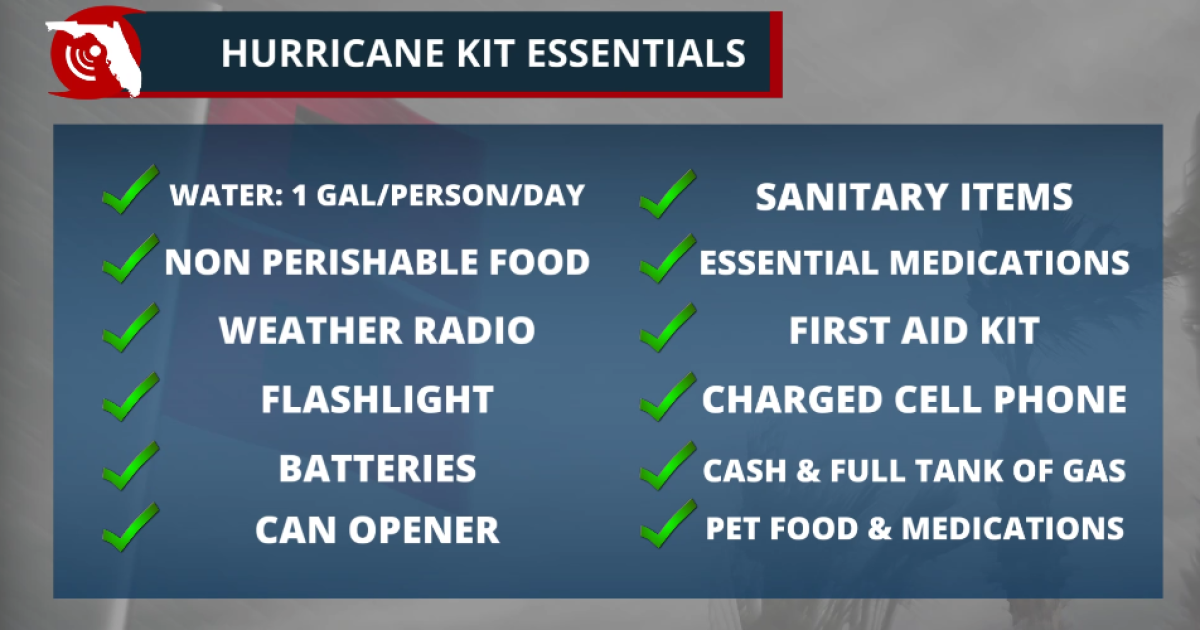
The tax-free week helps with many items, but some crucial elements of an emergency kit may not be included. Ensure your kit contains:
- Water and Non-Perishable Food: Enough for at least seven days per person.
- Medications: A minimum of a seven-day supply of prescription medications, along with any over-the-counter necessities.
- Important Documents: Copies of insurance policies, identification, property deeds, and financial records, stored in a waterproof bag.
- Cash: ATMs and credit card systems may be down during power outages.
- Sanitation and Hygiene Items: Wet wipes, hand sanitizer, garbage bags.
- Sleeping Bags or Blankets: For warmth and comfort.
- Whistle: To signal for help.
Regularly check expiration dates on food and water, and rotate batteries in flashlights and radios to ensure everything is functional when needed.
Home Hardening and Insurance Review
Protecting your property is another vital aspect of preparedness that complements your emergency kit:
- Window and Door Protection: Install hurricane shutters or cut plywood to fit all windows and glass doors.
- Yard Cleanup: Trim trees and secure loose outdoor items that could become projectiles in high winds.
- Generator Safety: If you purchase a generator, ensure you understand safe operating procedures to prevent carbon monoxide poisoning. Never run a generator indoors or near open windows.
- Insurance Policies: Review your homeowner’s insurance policy annually with your agent. Understand your deductibles, coverage for wind and flood damage (which often requires separate policies), and what steps to take for filing a claim. Document your home’s contents with photos or videos.
By adopting a comprehensive approach that combines smart shopping during the Hurricane Tax Free Week with diligent planning and home protection, Florida residents can cultivate a truly resilient lifestyle, prepared for whatever the hurricane season may bring. While we await the official 2025 dates, taking these proactive steps now is the best way to safeguard your family and property.
LifeOutOfTheBox is a participant in the Amazon Services LLC Associates Program, an affiliate advertising program designed to provide a means for sites to earn advertising fees by advertising and linking to Amazon.com. Amazon, the Amazon logo, AmazonSupply, and the AmazonSupply logo are trademarks of Amazon.com, Inc. or its affiliates. As an Amazon Associate we earn affiliate commissions from qualifying purchases.