
Navigating the nuances of time zones can be a surprisingly complex endeavor, especially when planning travel to a state as geographically diverse and culturally rich as New Mexico. While seemingly a straightforward question, understanding the time zone of New Mexico involves a deeper dive into its historical context and the practical implications for visitors. This article aims to demystify this common query, offering clarity for anyone planning a trip, booking accommodation, or simply curious about the temporal rhythm of the Land of Enchantment.
The primary reason this question arises is due to the existence of multiple time zones within the continental United States. While most of the country adheres to a standard system, there are instances where states or even regions within states observe different times. For New Mexico, the answer is generally clear-cut, but understanding why adds valuable context.
The Daylight Saving Time Debate and New Mexico
The observance of Daylight Saving Time (DST) has been a recurring point of discussion and contention across the United States. While the vast majority of New Mexico observes DST, it’s crucial to understand the specifics to avoid any temporal confusion.
Mountain Time Zone: The Standard for New Mexico
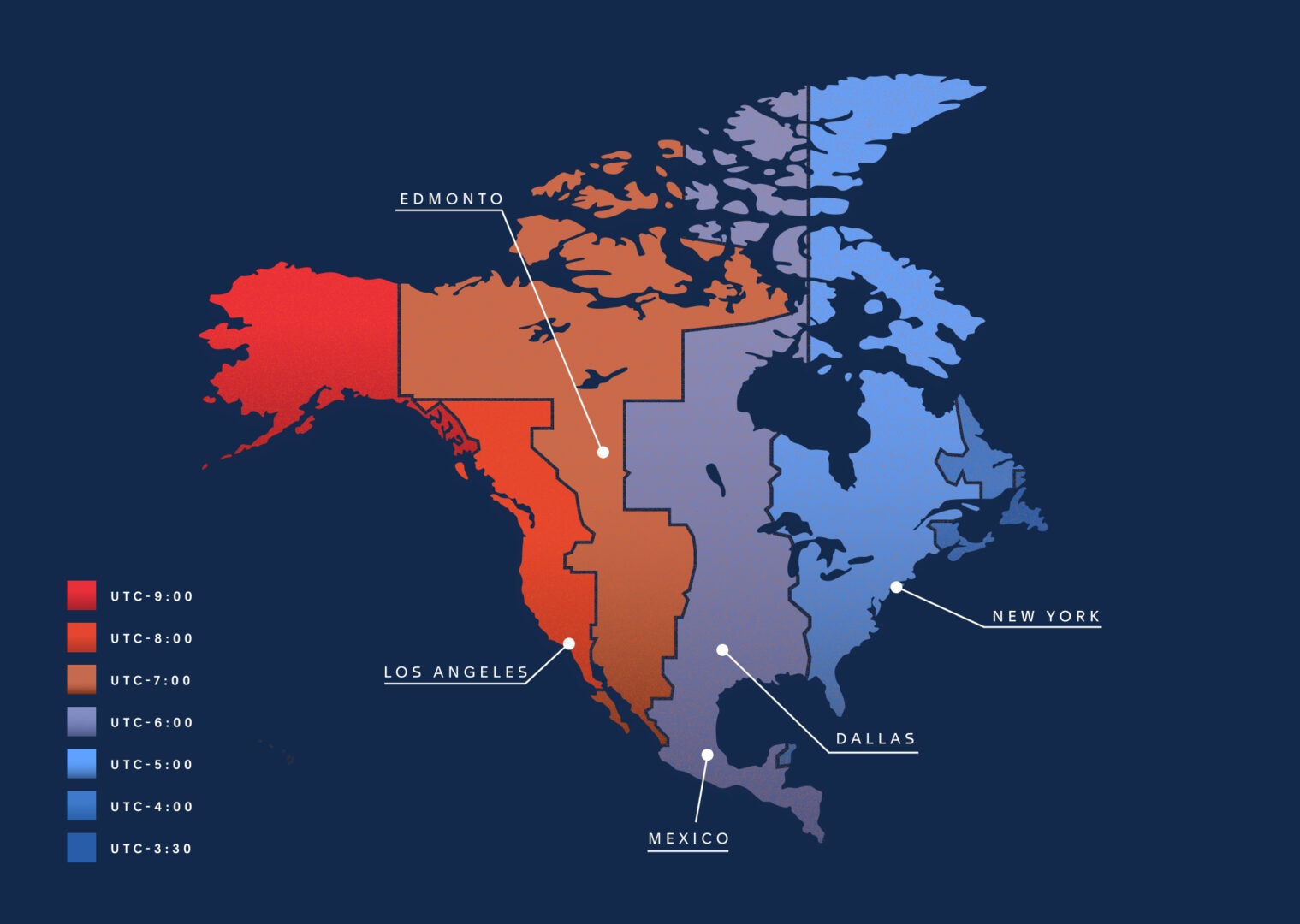
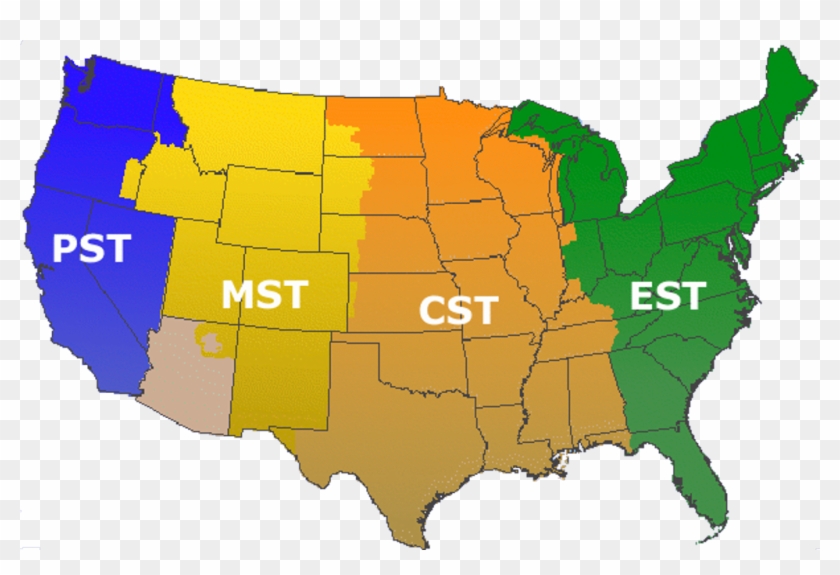
For the most part, New Mexico operates within the Mountain Time Zone (MT). This zone is geographically defined and encompasses a significant portion of the western United States, including states like Colorado, Arizona (with an exception, as noted below), Utah, and Wyoming.
The Mountain Time Zone is UTC-7 during standard time. This means it is seven hours behind Coordinated Universal Time (UTC). When DST is in effect, the time zone shifts to Mountain Daylight Time (MDT), which is UTC-6. This transition typically occurs on the second Sunday in March, when clocks are moved forward one hour, and ends on the first Sunday in November, when clocks are moved back one hour.
This means that for most of the year, when you are in New Mexico, you will be adhering to either Mountain Standard Time or Mountain Daylight Time. This is a critical piece of information for anyone coordinating flights, booking hotel rooms in cities like Albuquerque or Santa Fe, or scheduling activities around famous landmarks and attractions.
The Arizona Exception and Its Relevance
Understanding the time zone in New Mexico also benefits from acknowledging a notable exception in its neighboring state, Arizona. Most of Arizona, with the exception of the Navajo Nation, does not observe Daylight Saving Time. This means that during the months when DST is active in New Mexico, Arizona remains on Mountain Standard Time (MST) year-round.
While this might seem like a detail tangential to New Mexico, it’s important for travelers who might be driving between the two states or coordinating with individuals in Arizona. For instance, if you are planning a road trip from Phoenix to Santa Fe, you would need to account for the one-hour time difference when DST is in effect in New Mexico. This might impact your arrival times, restaurant reservations, or museum visits.
The Navajo Nation, which spans parts of Arizona, New Mexico, and Utah, does observe DST. This creates a peculiar temporal anomaly where parts of Arizona are on MST while the Navajo Nation within Arizona observes MDT. This distinction is particularly relevant for those visiting tribal parks or engaging with cultural tourism experiences within these areas. Understanding these temporal boundaries is key to a smooth travel experience, whether you’re exploring the Petrified Forest National Park or the vast landscapes of the Four Corners Monument.
Practical Implications for Travelers and Residents
Knowing what time zone New Mexico is in has tangible consequences for various aspects of life, from daily routines to planning significant events and vacations. The adherence to the Mountain Time Zone, with its DST variations, affects everything from flight schedules to the timing of natural phenomena.
Planning Your New Mexico Itinerary
When you plan your travel to New Mexico, whether it’s for a luxurious stay at a resort in Taos or a budget-friendly exploration of its natural wonders like the Carlsbad Caverns National Park, time zone awareness is paramount.
Flight Bookings: Airlines operate on strict schedules. Double-checking the departure and arrival times, and ensuring you are converting correctly between your origin time zone and New Mexico’s Mountain Time Zone (MDT or MST) is essential. A late-night flight departing from New York City (Eastern Daylight Time – EDT) will arrive in Albuquerque two hours earlier than you might intuitively expect, given the three-hour difference between EDT and MDT.
Accommodation Reservations: When booking hotels, apartments, or villas, ensure that the check-in and check-out times are understood in the local New Mexico time. Many booking platforms will automatically display times in your local zone, but it’s always wise to confirm the local time for Santa Fe or any other destination you’ve chosen. This is also relevant for any long-term stay arrangements you might be considering.
Attraction and Activity Scheduling: Many of New Mexico’s most captivating attractions are time-sensitive. This includes guided tours, museum hours, and even the best times to witness natural beauty. For example, experiencing the twilight glow at White Sands National Park or catching a performance at the Santa Fe Opera requires precise timing. Knowing the local time zone helps you optimize your visits and avoid missing out.
Business and Communication: For those on business stays, coordinating meetings with clients or partners across different time zones can be challenging. Always clarify the time zone when setting up conference calls or appointments. Similarly, if you have family or friends in New Mexico, being mindful of the time difference will ensure your calls are made at appropriate hours.

Embracing the Rhythm of New Mexico
Beyond the practicalities of travel logistics, understanding the time zone allows for a deeper appreciation of New Mexico’s unique lifestyle. The state’s natural beauty, from the high desert landscapes to the majestic mountains, offers incredible opportunities for experiencing sunrises and sunsets.
The golden hours for photography in places like Bandelier National Monument or the ancient dwellings at Chaco Culture National Historical Park will shift according to the season and the observance of DST. For nature enthusiasts and hikers exploring trails around Carlsbad or Red River, planning their excursions to maximize daylight and avoid the heat of the afternoon is directly tied to the prevailing time.
The local culture of New Mexico, with its blend of Native American, Hispanic, and Anglo influences, often revolves around communal gatherings and culinary traditions. Festivals, farmers’ markets, and evening events are all scheduled according to the local time. Being aware of the Mountain Time Zone ensures you can fully immerse yourself in these experiences without missing a beat.
Whether you’re seeking luxury travel with exquisite dining in Santa Fe, a family trip exploring the wonders of the Gila National Forest, or a budget-conscious adventure through its historic Route 66 towns, time is a fundamental element of your journey. By understanding that New Mexico primarily resides in the Mountain Time Zone and observes Daylight Saving Time, you are better equipped to navigate its temporal landscape, ensuring a seamless and enriching experience in the Land of Enchantment. This knowledge, while seemingly minor, contributes significantly to the overall success and enjoyment of any visit, allowing you to fully embrace the unique rhythm of this captivating state.
LifeOutOfTheBox is a participant in the Amazon Services LLC Associates Program, an affiliate advertising program designed to provide a means for sites to earn advertising fees by advertising and linking to Amazon.com. Amazon, the Amazon logo, AmazonSupply, and the AmazonSupply logo are trademarks of Amazon.com, Inc. or its affiliates. As an Amazon Associate we earn affiliate commissions from qualifying purchases.