
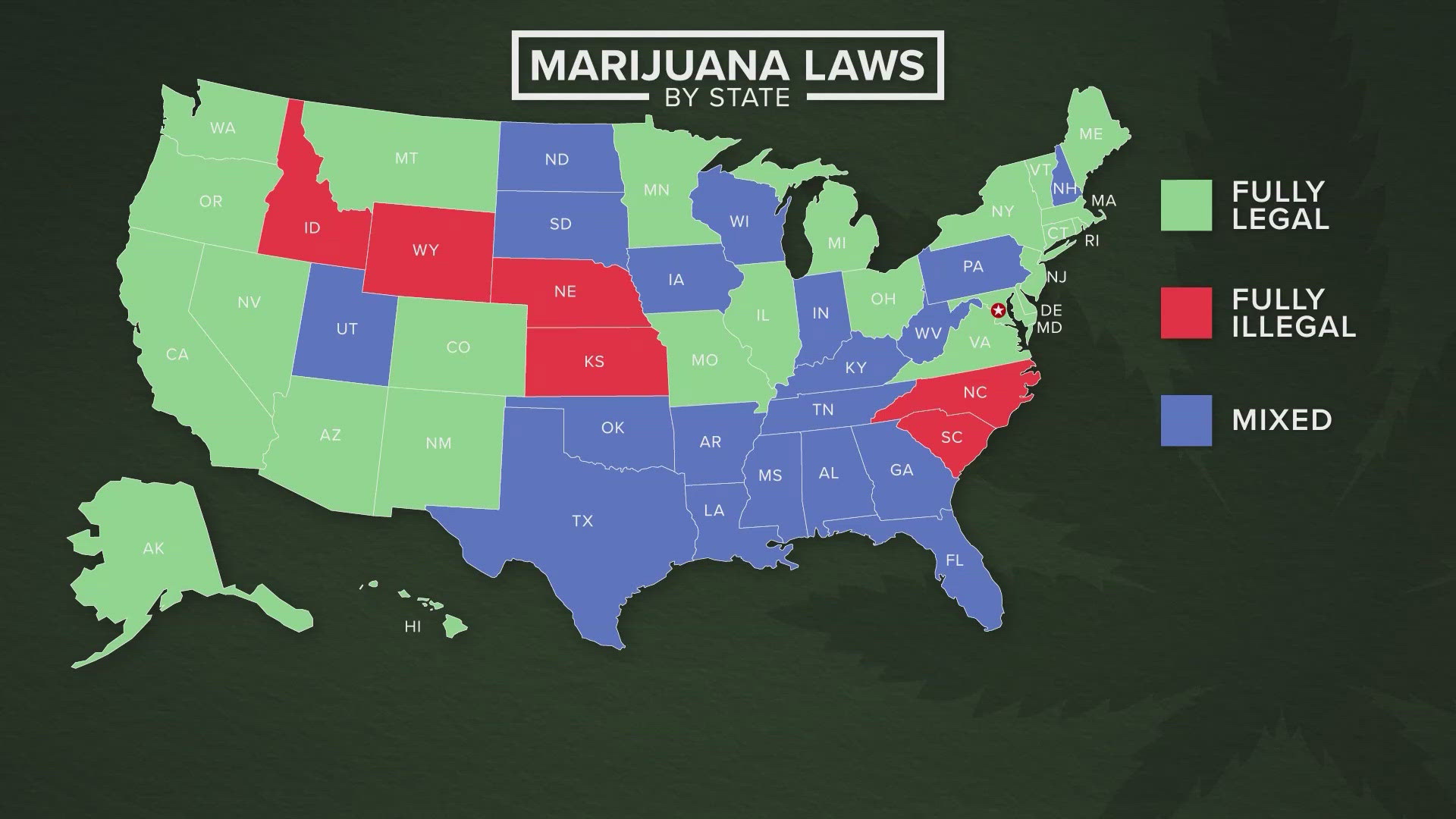
As the allure of the Lone Star State continues to draw travelers from across the globe, a frequently posed question echoes through conversations, online forums, and even hushed whispers in hotel lobbies: “Is weed legal in Texas yet?” This query, born from the ever-evolving landscape of cannabis laws, is particularly pertinent for those planning a visit to Texas, a state known for its vast landscapes, vibrant culture, and iconic landmarks. While Texas has made some strides in cannabis reform, the answer to this question is not a simple yes or no. It’s a nuanced exploration of decriminalization, medical access, and the lingering status of recreational marijuana.
For many, the appeal of a destination is intertwined with its atmosphere and the freedoms it offers. Whether you’re planning a luxurious escape to a resort in the Hill Country, exploring the historical depths of San Antonio, or immersing yourself in the bustling energy of Austin, understanding local laws, including those surrounding cannabis, is an essential part of responsible travel planning. This article aims to demystify the current legal standing of cannabis in Texas, offering clarity for tourists and residents alike, all within the broader context of enjoying everything the state has to offer, from its diverse accommodations to its rich tourism experiences.
Navigating the Shifting Sands of Texas Cannabis Law
Texas, often perceived as a bastion of conservative policy, has seen a gradual but significant shift in its approach to cannabis. While it has not followed the path of many other states towards full recreational legalization, there have been crucial developments, particularly concerning medical cannabis. Understanding these distinctions is key to answering the question of legality.
The Texas Compassionate Use Program (TCUP): A Glimmer of Medical Access
The most significant legislative change regarding cannabis in Texas came with the establishment of the Texas Compassionate Use Program (TCUP). Initially enacted in 2015, TCUP was quite restrictive, allowing access to low-THC cannabis (containing no more than 0.5% THC by weight) for patients with epilepsy or intractable seizures. Over the years, TCUP has been expanded through legislative action, broadening the range of qualifying medical conditions.
Key Expansions and Provisions of TCUP:
-
Expanded Qualifying Conditions: The program has been significantly broadened to include a wider array of conditions, such as:
- Post-Traumatic Stress Disorder (PTSD)
- Multiple Sclerosis (MS)
- Spasticity
- Amyotrophic Lateral Sclerosis (ALS)
- Autism
- Terminal cancer
- Incurable neurological diseases
-
Low-THC Focus: It’s crucial to reiterate that TCUP only permits the use of low-THC cannabis products. This means that while cannabis is legally accessible for certain medical conditions, it is not the high-potency recreational marijuana that many associate with legalization in other states.
-
Prescription-Based Access: Access to medical cannabis under TCUP is not a simple over-the-counter purchase. Patients must consult with a physician registered with the Compassionate Use Registry of Texas (CURT). The physician must certify that the patient has a qualifying condition, and then prescribe the low-THC cannabis.
-
Licensed Dispensaries: The dispensing of low-THC cannabis is handled by a limited number of licensed dispensing organizations across the state. These dispensaries operate under strict regulations.
-
No Home Cultivation: Critically, TCUP does not permit patients or caregivers to grow their own cannabis plants. All products must be purchased from licensed dispensaries.
Implications for Travelers with Medical Needs:
For tourists who possess a valid medical marijuana card from another state, it’s important to note that Texas does not recognize out-of-state medical marijuana cards. Therefore, individuals seeking to legally obtain or use cannabis for medical purposes while in Texas must meet the requirements of TCUP, which includes consulting with a Texas-licensed physician and obtaining a prescription. This can be a significant hurdle for short-term visitors, making it essential to plan accordingly if medical cannabis is a necessity.
Decriminalization: A Step Towards Less Severe Penalties
Beyond the strict confines of TCUP, Texas has seen a trend towards decriminalization, particularly at the municipal level. While state law still classifies marijuana possession as a criminal offense, several major cities have enacted ordinances that reduce penalties for small amounts of cannabis.
Understanding Decriminalization:
-
Municipal Ordinances: Cities like Austin, Dallas, Houston, and San Antonio have passed local policies that, in practice, de-prioritize the arrest and prosecution of individuals caught with small quantities of marijuana. This often translates to a ticket or citation rather than an arrest and criminal charges.
-
Not State-Wide Legalization: It is absolutely vital to understand that these are local ordinances and do not change state law. Possession of marijuana remains illegal under Texas statutes. Furthermore, these ordinances vary from city to city, and enforcement can still occur. Travel between these cities could mean encountering different enforcement priorities.
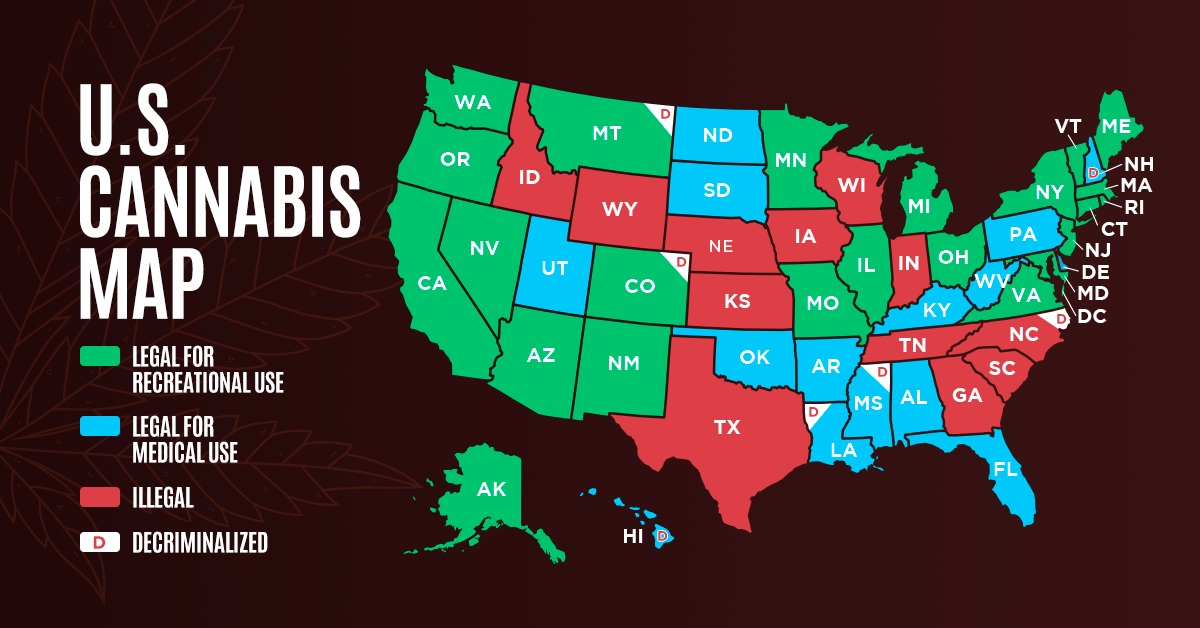
- “Low-THC” vs. “Decriminalized”: The distinction between TCUP’s low-THC allowance and municipal decriminalization is crucial. TCUP allows for legal possession and use of specific cannabis products for registered patients. Decriminalization ordinances reduce penalties for simple possession of what would otherwise be an illegal substance, but the substance itself remains prohibited by state law.
Impact on Tourist Behavior:
For tourists, this means that while the risk of severe legal repercussions for possessing a very small amount of marijuana might be lower in certain cities, it is still a gamble. It’s important to be aware of the specific ordinances in the city you are visiting and to err on the side of caution. Engaging in any activity related to cannabis outside of the strict parameters of TCUP carries legal risks that can disrupt travel plans and lead to significant legal complications, no matter how lenient local enforcement might appear.
Recreational Marijuana: The Unanswered Question
When the question “Is weed legal in Texas yet?” is asked, it most often refers to recreational marijuana – the kind available for adult use in states like Colorado or California. In Texas, the answer to this is a resounding no.
The Current Legal Status of Recreational Cannabis
Texas has not legalized recreational marijuana. Possessing, consuming, or distributing marijuana for recreational purposes remains illegal under state law. This carries potential penalties, including fines and jail time, depending on the amount and intent.
Why the Stalemate?
Several factors contribute to Texas’s conservative stance on recreational cannabis:
-
Political Climate: The prevailing political landscape in Texas has historically been resistant to broad legalization of marijuana. While attitudes are slowly shifting, the legislative majority has not yet embraced a move towards recreational markets.
-
Enforcement: Law enforcement agencies across Texas continue to enforce marijuana prohibition laws, even with the advent of municipal decriminalization policies in some areas.
-
Federal Law: It’s also important to remember that marijuana remains illegal at the federal level, which adds another layer of complexity to any state-level legalization efforts.
What This Means for Visitors:
For travelers planning a trip to Texas, whether for a business stay in Dallas, a family vacation exploring the Alamo in San Antonio, or a relaxing getaway in a luxurious resort in the Hill Country, the message is clear: Do not assume recreational marijuana is legal or tolerated. Bringing any amount of marijuana into Texas, or purchasing or consuming it within the state outside of the strict provisions of TCUP, can lead to arrest and criminal charges. This could significantly impact your travel experience, potentially leading to legal battles that detract from the enjoyment of your chosen destination, be it a charming boutique hotel or a sprawling ranch.
Planning Your Texas Experience: Legalities and Lifestyle
When you’re planning a trip to Texas, the diversity of experiences available is immense. From exploring the natural beauty of Big Bend National Park to indulging in the culinary delights of Austin, the state offers something for every traveler. However, understanding the legal framework, particularly concerning cannabis, is an integral part of a seamless and enjoyable journey.
Responsible Tourism in the Lone Star State
Texas is a state that embraces its heritage and its future with open arms. Its major cities boast world-class hotels and accommodations, from the ultra-modern JW Marriott Hotel Houston to charming boutique hotels in historic districts. The tourism industry thrives on providing unique experiences, showcasing local culture, and highlighting the state’s natural and architectural landmarks.
For those seeking a budget-friendly adventure or a luxurious escape, Texas caters to all lifestyles. Whether you’re looking for family-friendly activities, romantic getaways, or business stays, the options are plentiful. When it comes to cannabis, however, responsible planning is paramount.
- Know the Law: As outlined, recreational marijuana is illegal in Texas. Medical cannabis is available only through the strict guidelines of the Texas Compassionate Use Program.
- Err on the Side of Caution: If you are not a registered patient under TCUP, avoid all possession or use of marijuana.
- Respect Local Ordinances: Be aware that while some cities have decriminalized minor possession, this does not equate to legalization. Enforcement can still occur.
- Focus on the Legal Attractions: Texas offers a wealth of legal and enjoyable activities. From exploring the vibrant music scene in Austin to visiting the historic Space Center Houston or enjoying the stunning beaches of Galveston, there are countless ways to immerse yourself in the Texan spirit.
By understanding the legal nuances and prioritizing responsible behavior, travelers can ensure their trip to Texas is filled with memorable experiences, comfortable stays in exceptional accommodations, and a true appreciation for the Lone Star State’s unique charm and attractions, without encountering any unexpected legal issues.
LifeOutOfTheBox is a participant in the Amazon Services LLC Associates Program, an affiliate advertising program designed to provide a means for sites to earn advertising fees by advertising and linking to Amazon.com. Amazon, the Amazon logo, AmazonSupply, and the AmazonSupply logo are trademarks of Amazon.com, Inc. or its affiliates. As an Amazon Associate we earn affiliate commissions from qualifying purchases.