
The very mention of New Orleans conjures images of sultry summer nights, vibrant Mardi Gras parades, and the soulful sounds of jazz drifting from dimly lit clubs. It’s a city synonymous with warmth, both in climate and in spirit. Yet, a curious question often arises, particularly for those planning a visit during the cooler months: Does it snow in New Orleans? The answer, surprisingly, is a nuanced “yes, but rarely.” While not a common occurrence, snow has graced the skies of the Crescent City, leaving behind a fleeting, yet memorable, spectacle. Understanding the climate of New Orleans and the infrequent instances of snowfall requires a dive into its unique geographical and meteorological patterns.

Understanding New Orleans’ Climate: A Tale of Humidity and Heat
New Orleans boasts a humid subtropical climate, characterized by hot, muggy summers and mild winters. The city’s proximity to the Gulf of Mexico plays a significant role in moderating its temperatures, preventing extreme highs and lows. This geographical advantage, coupled with the prevailing southerly winds, means that cold air masses from the north often struggle to penetrate the region with significant force.
The Influence of the Gulf of Mexico
The vast expanse of the Gulf of Mexico acts as a natural thermostat for New Orleans. During the summer months, the warm waters contribute to the high humidity and temperatures that define the season. Conversely, in winter, the gulf’s influence helps to keep the city from experiencing the bitter cold that can grip more northerly inland areas. This moderating effect is why New Orleans winters are typically mild, with average temperatures hovering in the comfortable range. Snowfall, therefore, needs a specific confluence of atmospheric conditions to overcome this oceanic buffer.
Typical Winter Weather in New Orleans
When one thinks of a winter trip to New Orleans, visions of coats and scarves are generally not the primary concern. Tourists and locals alike often enjoy outdoor activities year-round, albeit with lighter clothing during the winter months. Average winter temperatures in New Orleans typically range from the low 40s to the mid-60s Fahrenheit (around 5-18 degrees Celsius). Frost is more common than snow, and even then, it’s usually a fleeting phenomenon that melts away quickly. The city’s flora, adapted to these warmer climes, often remains green throughout the year, adding to its distinct charm.
The Rare Phenomenon: Snowfall in the Crescent City
While the prospect of a New Orleans snow day might seem like a whimsical notion, history shows it’s not entirely out of the realm of possibility. These rare occurrences are often tied to powerful cold fronts that manage to push southwards with unusual intensity, creating the perfect cocktail of cold air and moisture.
Notable Snow Events in New Orleans History
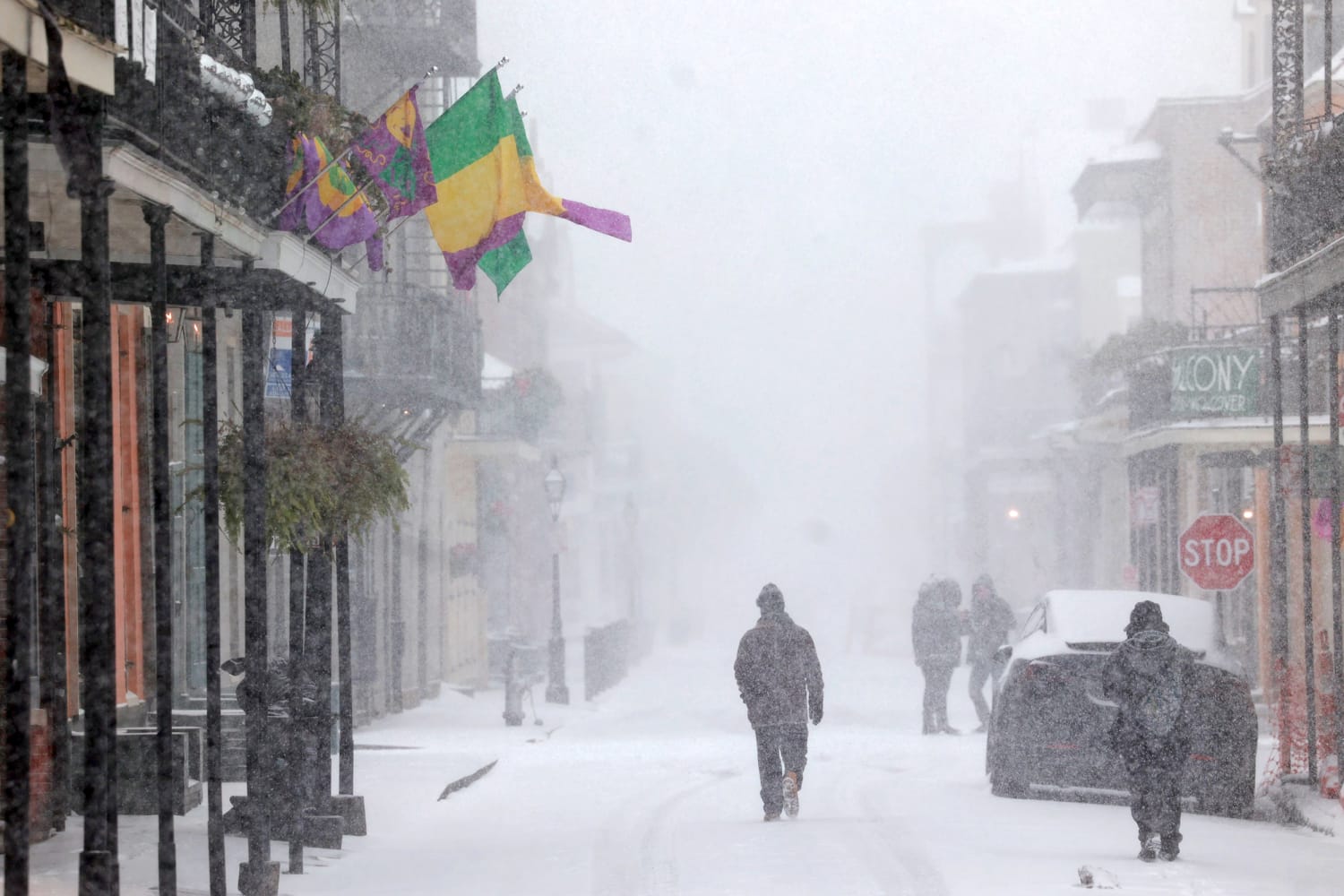
The most significant snowfall in New Orleans history occurred in February 1895, when the city was blanketed by approximately 8 inches of snow. This was an extraordinary event, leading to widespread disruption and amazement. More recently, December 2004 saw a light dusting of snow, and in January 2018, a more substantial snowfall of 2 to 3 inches fell across much of the city, causing significant travel disruptions and providing a rare opportunity for residents to build snowmen and throw snowballs in a city unaccustomed to such winter wonderlands. These events, while infrequent, are etched into the collective memory of New Orleans residents.
Conditions Required for Snow in New Orleans
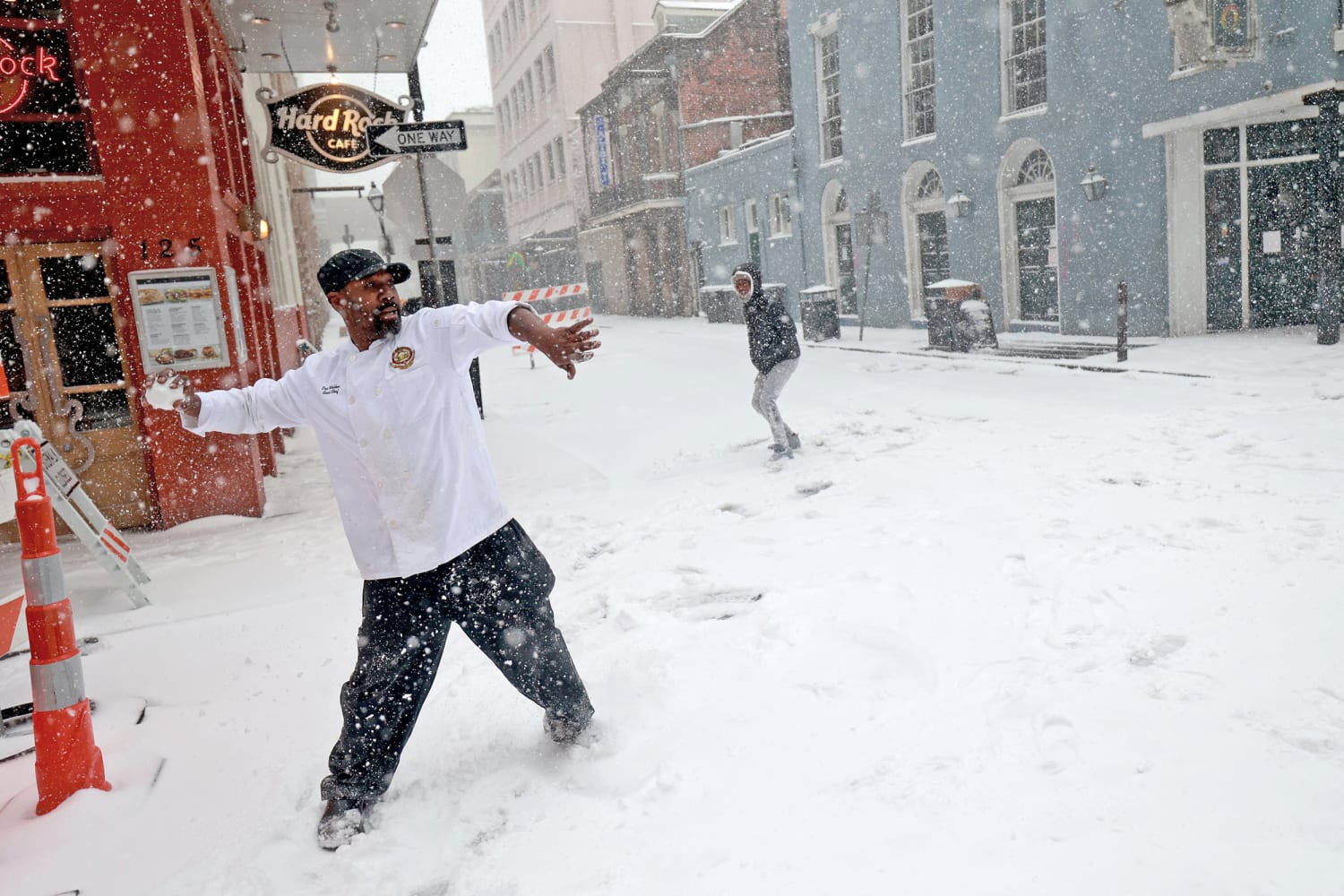
For snow to fall in New Orleans, several key meteorological conditions must align. Primarily, temperatures must be at or below freezing (32°F or 0°C) in the atmosphere where precipitation is forming and continuing all the way down to the ground. This requires a strong and persistent cold air mass to be in place, often driven by a potent winter storm system moving in from the north or northwest. Simultaneously, there needs to be sufficient moisture in the atmosphere to produce precipitation. The intersection of these factors is what makes snowfall in New Orleans such a rare and remarkable event.
Planning a Winter Visit: What to Expect
While the chances of experiencing a snowy New Orleans are slim, visiting during the winter months offers a distinct and rewarding travel experience. The cooler temperatures make exploring the city’s many attractions more comfortable, and the festive atmosphere of the holiday season adds an extra layer of magic.
Winter Attractions and Activities
Winter in New Orleans is a wonderful time to explore its historic neighborhoods, such as the French Quarter and the Garden District, without the oppressive summer heat. The renowned cuisine, from beignets at Café Du Monde to fresh seafood at Commander’s Palace, is always in season. Moreover, the city hosts numerous events and festivals throughout the winter, including the build-up to Mardi Gras, which often begins in early January. A leisurely stroll along the Mississippi River or a streetcar ride through the oak-lined avenues offers a quintessential New Orleans experience, enhanced by the mild winter weather.
Accommodation and Travel Tips for Winter
When planning a winter trip, booking accommodation in advance is always advisable, especially if your visit coincides with major events or holidays. Options range from luxurious French Quarter hotels like the Roosevelt New Orleans, A Waldorf Astoria Hotel, to charming boutique inns and vacation rentals. Consider staying in areas like the French Quarter for easy access to nightlife and historical sites, or the Garden District for a more serene, residential feel. For travelers seeking budget-friendly options, accommodations slightly outside the immediate tourist hubs can offer better value. Regardless of your choice, remember that even winter nights can be cool, so packing layers is a wise decision. The lack of extreme heat and humidity also makes navigating the city on foot or by public transport more enjoyable.
Beyond the Snow: The Enduring Allure of New Orleans
Whether or not snow graces its streets, New Orleans possesses an undeniable charm that captivates visitors year-round. Its unique cultural tapestry, woven from a blend of French, Spanish, African, and American influences, is evident in its music, food, architecture, and, most importantly, its people. The city’s resilience and vibrant spirit are palpable, inviting all who visit to immerse themselves in its distinct rhythm.
Cultural Experiences and Culinary Delights
The cultural heart of New Orleans beats strongest in its music, with live jazz performances a staple in venues across the city. Exploring the Frenchmen Street music scene or catching a show at the historic Preservation Hall offers an authentic taste of this musical heritage. The city’s culinary landscape is equally legendary. Beyond the iconic beignets and gumbo, New Orleans offers a diverse range of dining experiences, from casual oyster bars to elegant fine-dining establishments. Participating in a cooking class or taking a guided food tour can further enhance your appreciation for its gastronomic traditions.
Exploring Landmarks and Neighborhoods
From the historic Jackson Square and the majestic St. Louis Cathedral to the elegant mansions of the Garden District, New Orleans is a city rich with landmarks and distinct neighborhoods. A streetcar ride along St. Charles Avenue provides a scenic journey through antebellum architecture, while a steamboat cruise on the Mississippi River offers a different perspective of the city’s storied past. Exploring areas like the Marigny for its vibrant nightlife or the French Market for local crafts and produce adds further layers to the visitor experience. Each corner of New Orleans tells a story, inviting exploration and discovery at any time of year.
In conclusion, while the question of snow in New Orleans elicits a “rarely” rather than a definitive “yes,” the city’s appeal transcends any single weather phenomenon. Its enduring magic lies in its rich history, its unparalleled culture, its delectable cuisine, and the warmth of its people, making it a destination that continues to enchant travelers regardless of the season.
LifeOutOfTheBox is a participant in the Amazon Services LLC Associates Program, an affiliate advertising program designed to provide a means for sites to earn advertising fees by advertising and linking to Amazon.com. Amazon, the Amazon logo, AmazonSupply, and the AmazonSupply logo are trademarks of Amazon.com, Inc. or its affiliates. As an Amazon Associate we earn affiliate commissions from qualifying purchases.