
Boston, Massachusetts, a city steeped in history and vibrant with modern life, offers a travel experience unlike any other. However, to truly unlock the full potential of your visit, understanding its diverse and often dramatic seasonal temperatures is paramount. Boston’s climate is a distinctive feature of the New England region, marked by distinct shifts that transform the city’s landscape, activities, and overall ambiance throughout the year. From the crisp chill of winter to the humid warmth of summer, each season presents its own unique set of opportunities and considerations for travelers.
This comprehensive guide delves into Boston’s temperature patterns, providing essential insights to help you plan your journey, pack appropriately, and curate an itinerary that perfectly aligns with the weather. Whether you dream of strolling along cobblestone streets under autumn foliage, exploring historic sites bathed in summer sun, or embracing the cozy charm of a winter wonderland, knowing what to expect from the thermometer is your first step toward an unforgettable Boston adventure.

Decoding Boston’s Climate: A Seasonal Overview
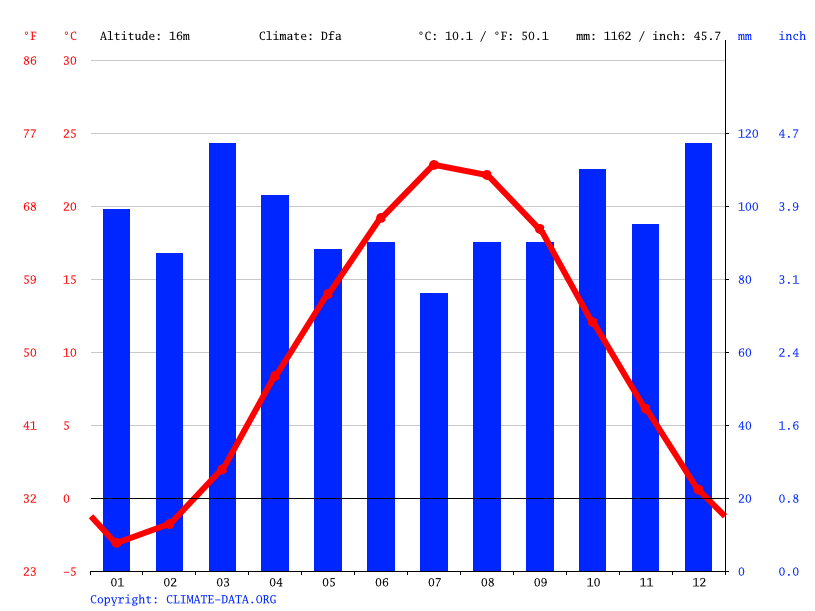
Boston experiences four distinct seasons, each bringing its own character and range of temperatures. Understanding these fluctuations is crucial for any traveler looking to maximize their experience in this dynamic city.
Spring (March – May): The Awakening City
Spring in Boston is a season of transition and renewal, where the city gradually sheds its winter coat. Temperatures during this period can be quite variable, making it an exciting yet challenging time for travel planning.
- March: Often still feels like winter, with average temperatures ranging from 30°F (-1°C) to 45°F (7°C). Snow flurries are not uncommon, especially early in the month.
- April: A noticeable warming trend begins, with averages between 40°F (4°C) and 55°F (13°C). The city’s parks and gardens start to bloom, offering picturesque scenes.
- May: By May, spring is in full swing, with comfortable temperatures averaging 50°F (10°C) to 68°F (20°C). This is a beautiful month for outdoor exploration, though occasional cool snaps or rainy days can occur.
Travel Implications: Spring requires versatile packing, including layers, a waterproof jacket, and comfortable walking shoes. The unpredictable nature of spring weather means you might experience anything from chilly winds to pleasantly warm days, sometimes within the same week. This season is perfect for travelers who enjoy fewer crowds than summer and the beauty of nature reawakening, making it an ideal time for activities like leisurely walks through the Public Garden or participating in early-season events like the Boston Marathon.
Summer (June – August): Vibrant and Warm
Boston’s summer months are characterized by warm, often humid weather, making it the peak tourist season. The city buzzes with activity, as locals and visitors alike flock to outdoor attractions.
- June: Averages range from 60°F (16°C) to 75°F (24°C). The days are long, and the weather is generally pleasant, though humidity can start to rise.
- July: Typically the warmest month, with averages between 68°F (20°C) and 82°F (28°C). Heatwaves can push temperatures into the 90s°F (30s°C), accompanied by high humidity.
- August: Similar to July, with average temperatures from 67°F (19°C) to 80°F (27°C). The end of August often sees a slight easing of the extreme heat and humidity.
Travel Implications: Light clothing, sunscreen, hats, and plenty of hydration are essential for summer travel. This is the best time for enjoying Boston Harbor Islands cruises, catching a Red Sox game at Fenway Park, or exploring the historic Freedom Trail on foot. However, be prepared for larger crowds and potentially higher prices for accommodations and popular attractions.
Autumn (September – November): A Canvas of Color
Autumn is widely considered one of the most picturesque and pleasant times to visit Boston. The crisp air and stunning fall foliage create an unforgettable backdrop for exploring the city and its surroundings.
- September: Generally mild and comfortable, with averages from 55°F (13°C) to 70°F (21°C). The humidity of summer gives way to drier, clearer days.
- October: The peak of fall foliage season, offering brilliant displays of color. Temperatures cool significantly, averaging 45°F (7°C) to 60°F (16°C). Evenings can be quite chilly.
- November: Transitions towards winter, with temperatures dropping to averages of 35°F (2°C) to 50°F (10°C). The last of the leaves fall, and the threat of early snow begins.
Travel Implications: Layering is key for autumn travel, as mornings and evenings can be cool, while midday might be mild. A warm jacket or sweater, along with comfortable shoes for walking, will serve you well. Autumn is ideal for scenic drives to nearby towns like Salem, exploring Boston’s historic neighborhoods, and enjoying outdoor festivals like the Head Of The Charles Regatta.
Winter (December – February): A Picturesque Wonderland
Boston’s winters are cold, often snowy, and undeniably charming, especially during the holiday season. While temperatures can be biting, the city embraces the cold with a festive spirit.
- December: Averages from 28°F (-2°C) to 40°F (4°C). The city transforms with holiday decorations, and snow is a regular occurrence.
- January: Typically the coldest month, with averages between 20°F (-7°C) and 35°F (2°C). Heavy snowfall and occasional blizzards are possible.
- February: Similar to January in terms of cold, with averages from 22°F (-6°C) to 38°F (3°C). The days begin to lengthen, signaling the gradual approach of spring.
Travel Implications: Extremely warm clothing is essential: heavy coats, scarves, gloves, hats, and waterproof boots are a must. While outdoor activities like ice skating on Frog Pond are popular, winter is an excellent time to explore Boston’s world-class indoor attractions, such as the Museum of Fine Arts or the Isabella Stewart Gardner Museum. Fewer crowds and potentially lower travel costs make winter an appealing option for budget-conscious travelers or those seeking a cozy, festive escape.
Planning Your Boston Adventure Around the Thermometer
Effective travel planning for Boston goes hand-in-hand with understanding its temperatures. From what you pack to what activities you schedule, the weather will dictate much of your experience.
Packing Smart for Every Season
Your luggage contents will vary dramatically depending on when you visit.

- General Advice: Always pack layers. Even in summer, evenings can be cooler, especially near the water. Comfortable walking shoes are non-negotiable, as Boston is a highly walkable city.
- Spring: Light to medium jackets, sweaters, long-sleeved shirts, and a good umbrella or waterproof jacket.
- Summer: T-shirts, shorts, light dresses, a light sweater or jacket for cooler evenings, and a swimsuit if you plan to visit the coast.
- Autumn: Medium-weight coats, sweaters, scarves, jeans, and long-sleeved shirts. Layers are crucial as temperatures fluctuate.
- Winter: Heavy, insulated, and waterproof coat; thermal underwear; thick sweaters; waterproof boots with good traction; gloves; and a warm hat.
Activities Tailored to the Weather
Boston’s diverse offerings mean there’s always something to do, regardless of the temperature.
- Warm Weather (Summer/Late Spring): Embrace outdoor living. Consider a whale watching tour from Boston Harbor, exploring the Rose Fitzgerald Kennedy Greenway, or taking a Duck Boat tour. Dining al fresco is a beloved tradition.
- Mild Weather (Spring/Autumn): Perfect for extensive walking tours like the Freedom Trail, visiting historic cemeteries, or exploring various neighborhoods like Beacon Hill and the North End. These seasons are also excellent for day trips to nearby natural areas for foliage viewing.
- Cold Weather (Winter): Focus on indoor attractions. Boston boasts an impressive array of museums, including the Museum of Science and the New England Aquarium. Enjoy cozy cafes, historic taverns, or catch a show in the Theatre District.
Navigating Boston’s Microclimates and Forecasts
Boston’s proximity to the Atlantic Ocean can create localized weather patterns. Areas along the waterfront may feel cooler due to sea breezes, while inland neighborhoods might experience slightly warmer temperatures, especially during summer. Always check the local forecast a few days before and during your trip, as New England weather can change rapidly. Reputable weather apps and local news channels are your best resources for up-to-the-minute conditions.
Beyond the Thermometer: Experiencing Boston’s True Charm
While temperatures are a practical consideration, they also shape the unique experiences that define each season in Boston.
Events and Festivals Aligned with the Seasons
Boston’s event calendar is closely tied to its climate.
- Spring: Kicks off with the Boston Marathon in April and major music festivals like Boston Calling in May, taking advantage of the warming weather.
- Summer: Features numerous outdoor concerts, street fairs, and the famous Fourth of July celebrations along the Charles River Esplanade.
- Autumn: Is renowned for the Head Of The Charles Regatta and various harvest festivals.
- Winter: Brings the magic of Christmas in Boston with festive markets, tree lightings, and ice sculpture displays, offering a cozy and enchanting atmosphere.
These seasonal events provide fantastic opportunities to immerse yourself in the city’s culture and community, often planned to best suit the prevailing temperatures.
The Local Perspective on Weather
Bostonians are resilient and accustomed to their city’s dramatic weather shifts. They embrace each season with distinct activities and attitudes. In winter, they bundle up and enjoy indoor comforts or winter sports. In summer, they flock to parks and beaches. This local resilience means that regardless of the temperature, the city remains vibrant and accessible. Understanding this can help you approach your visit with the same adaptable spirit, turning potential weather challenges into unique experiences.
Maximizing Your Boston Visit: Tips for All Temperatures
Beyond packing and activity selection, other travel considerations can enhance your Boston trip, irrespective of the thermometer.
Transportation Considerations
- The T: Boston’s subway system, affectionately known as “The T”, is an invaluable resource year-round. It’s a warm refuge in winter and a cool escape in summer, efficiently connecting major attractions and neighborhoods. Utilizing The T can save you from harsh weather exposure and traffic woes.
- Walking: While Boston is incredibly walkable, extreme temperatures can make prolonged strolls challenging. In winter, icy sidewalks can be hazardous. In summer, direct sun and humidity can be draining. Balance walking with public transport to conserve energy and stay comfortable.
- Ride-sharing/Taxis: Readily available and useful for quick hops between destinations when the weather isn’t cooperating for walking or The T.
Accommodation Choices with Weather in Mind
When booking your stay, consider the season. In summer, ensure your accommodation offers reliable air conditioning. In winter, look for hotels with effective heating systems and perhaps amenities like cozy lobbies or indoor pools. Proximity to The T stations is always a plus, minimizing outdoor exposure during inclement weather. For a luxurious escape in colder months, a hotel with a fireplace lounge or an indoor spa could be a delightful choice.
Culinary Delights for Every Climate
Boston’s food scene adapts wonderfully to its climate.
- Winter: Indulge in hearty New England clam chowder, rich Italian dishes in the North End, and comforting pub fare in historic taverns.
- Summer: Enjoy fresh seafood, especially lobster rolls, on an outdoor patio or by the waterfront. Lighter, seasonal dishes and refreshing drinks are popular choices.
- Autumn: Savor apple cider donuts, pumpkin-spiced treats, and farm-to-table cuisine that highlights the season’s bounty.
- Spring: Look for menus celebrating fresh produce and the return of outdoor dining options.
No matter the temperature, Boston offers a culinary journey that complements the season, enriching your overall travel experience.
In conclusion, understanding “What Temperature Is It In Boston?” is far more than a simple weather check; it’s a foundational element of planning a successful and enjoyable trip. Each season offers a distinct charm and a unique set of adventures. By recognizing the patterns of Boston’s climate and preparing accordingly, you can transform any forecast into an opportunity for exploration and discovery, ensuring your visit to this remarkable city is truly unforgettable.
LifeOutOfTheBox is a participant in the Amazon Services LLC Associates Program, an affiliate advertising program designed to provide a means for sites to earn advertising fees by advertising and linking to Amazon.com. Amazon, the Amazon logo, AmazonSupply, and the AmazonSupply logo are trademarks of Amazon.com, Inc. or its affiliates. As an Amazon Associate we earn affiliate commissions from qualifying purchases.