
The idea of snow falling in New Orleans, a city synonymous with sultry jazz, spicy gumbo, and vibrant Mardi Gras parades, might seem like a whimsical paradox. For many, the Crescent City conjures images of palm trees swaying under a warm, humid sky, not a blanket of white frost. Yet, the question of “How many inches of snow in New Orleans?” is not entirely far-fetched. While significant snowfall is exceptionally rare, the city has, on occasion, experienced the peculiar phenomenon of winter’s touch. Understanding the likelihood and historical context of snowfall in New Orleans sheds light on its unique climate and the surprising resilience of its culture even in the face of meteorological anomalies.
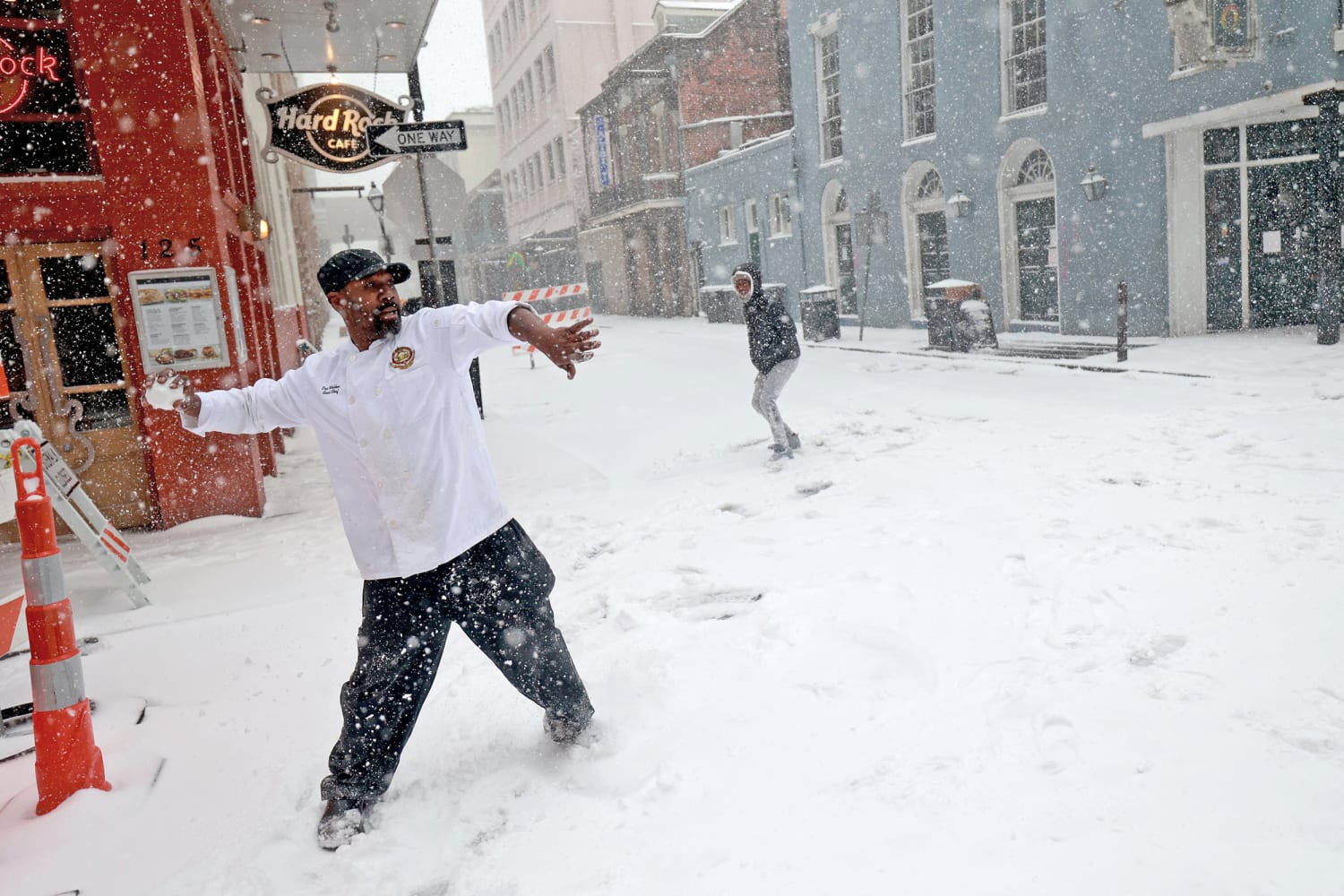
The city’s subtropical climate, characterized by hot, humid summers and mild winters, generally spares it from the harsh winter conditions prevalent in many other parts of the United States. Average January temperatures hover in the mid-50s Fahrenheit, making it a popular winter escape for those seeking respite from colder climes. This mildness is a significant factor in New Orleans‘ appeal as a travel destination, especially for those interested in exploring its rich history, renowned culinary scene, and lively festivals without the discomfort of extreme weather.
However, climate is a dynamic entity, and even the most consistent patterns can exhibit deviations. The question of snowfall in New Orleans is less about a regular occurrence and more about the memorable exceptions that punctuate its meteorological record. These infrequent events, while not defining the city’s climate, leave an indelible mark on the memories of residents and, occasionally, become a point of curiosity for visitors planning their trips, especially if traveling during the winter months.
A Glimpse into New Orleans’ Winter Weather Patterns
To truly answer “How many inches of snow in New Orleans?”, we must delve into the city’s climate and historical weather data. The defining characteristic of New Orleans‘ winter is its mildness. This subtropical climate means that frost is more common than snow, and even frost typically dissipates quickly. The proximity to the Gulf of Mexico plays a crucial role in moderating temperatures, preventing the extreme cold that can lead to substantial snowfall in inland or more northerly regions.
The prevailing weather systems that influence New Orleans are often associated with moisture from the Gulf of Mexico, leading to rain rather than snow. When cold air masses do push south from the United States, they often encounter this maritime influence, resulting in cold rain or sleet, but rarely accumulating snow.
The Infrequent Phenomenon: When Snow Falls in the Crescent City
Despite the general rarity, New Orleans has experienced snow on several notable occasions. These events are often the subject of local lore and are remembered with a mix of surprise and delight.
Memorable Snowfall Events
The most significant and widely recalled snowfall in New Orleans occurred on February 10, 1980. This event, often referred to as “The Great Snow of ’80,” saw accumulations of 2 to 4 inches across the city. This was a truly extraordinary event, leading to widespread astonishment and disruption. Traffic ground to a halt, schools closed, and residents, unaccustomed to such conditions, flocked to parks and open spaces to experience the novelty. Children built small snowmen, and a general sense of wonder pervaded the city. For many, it was the first and only time they had ever seen snow in New Orleans.
Another notable, albeit much lighter, snowfall occurred on December 22, 2017. While the accumulation was generally less than an inch, it was enough to cause significant traffic issues and provide a fleeting, festive dusting for the holiday season. This event, though minor in terms of snow depth, served as a stark reminder that the possibility of snow, however slim, always exists.
Smaller flurries or trace amounts of snow have been reported at other times, often during particularly cold snaps. However, these are usually fleeting and melt upon contact with the ground, rarely accumulating to any significant depth. The average annual snowfall for New Orleans is practically zero, highlighting just how exceptional these events are.
Factors Contributing to Rare Snowfall
Several meteorological factors must align for snow to fall in New Orleans:
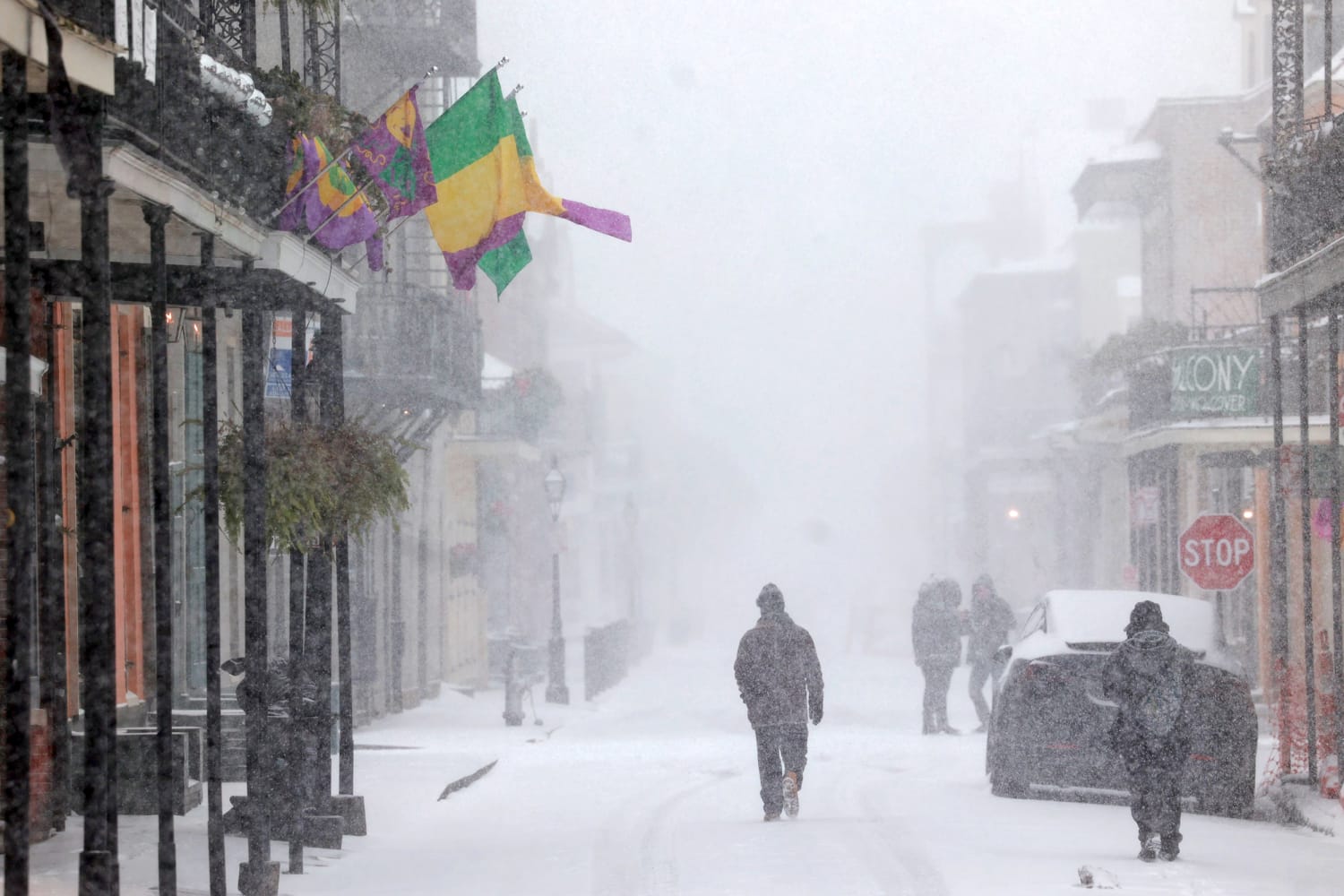
- Cold Air Mass: A sufficiently cold air mass needs to move south from continental North America. This typically occurs during winter when the polar vortex shifts.
- Moisture: There must be a source of moisture in the atmosphere. This can come from a weather system interacting with the Gulf of Mexico or a passing cold front.
- Temperature at the Surface and Aloft: Crucially, the temperature must be at or below freezing (0°C or 32°F) from the cloud level all the way down to the ground. Even a few degrees above freezing at lower altitudes will cause snowflakes to melt before they reach the surface.
The combination of these factors is infrequent in the New Orleans region. The warm, moist air that is typical for the area often prevents temperatures from dropping low enough for prolonged periods to allow for significant snow accumulation.
Planning a Trip to New Orleans: Considering Winter Weather
For travelers considering a visit to New Orleans during the winter months, understanding the nuances of its weather is key to a successful trip. While the prospect of snow is a rare novelty, the primary weather pattern to anticipate is mild and potentially rainy.
Winter Attractions and Activities
The mild winter temperatures make New Orleans an ideal destination for exploring its many attractions without the oppressive heat and humidity of summer. The absence of significant snow means that most outdoor activities and historical sites remain accessible year-round.
- French Quarter Exploration: Wandering through the historic French Quarter, with its intricate ironwork balconies, charming courtyards, and lively streets, is a quintessential New Orleans experience. The cooler weather makes strolling along Bourbon Street or exploring Jackson Square more comfortable.
- Culinary Delights: New Orleans is a world-renowned culinary capital. Winter is a perfect time to savor iconic dishes like gumbo, jambalaya, and crawfish étouffée, often hearty and warming. Many restaurants, from casual cafes to upscale dining establishments, offer exceptional experiences. Consider trying renowned spots like Commander’s Palace or exploring the diverse offerings in neighborhoods like the Garden District.
- Museums and Galleries: For a deeper dive into the city’s rich history and culture, the New Orleans Museum of Art, The Historic New Orleans Collection, and the National WWII Museum offer fascinating insights. These indoor attractions provide a welcome respite should any rare inclement weather arise.
- Live Music Scene: The soul of New Orleans beats in its music. From blues clubs on Frenchmen Street to jazz ensembles performing in intimate venues, the city’s legendary music scene is alive and well throughout the year.
- Swamp Tours: Embarking on a swamp tour in the nearby bayous offers a unique glimpse into the natural beauty of Louisiana. The cooler winter months can even make wildlife viewing more accessible.
Accommodation Options in Winter
The variety of accommodation options in New Orleans caters to every traveler’s needs and budget, making winter a comfortable time to visit. From historic hotels in the French Quarter to luxurious resorts and charming bed and breakfasts in the Garden District, there are options for every taste.
- Luxury Hotels: For a taste of New Orleans‘ refined lifestyle, consider staying at a high-end hotel such as the Windsor Court Hotel or The Roosevelt New Orleans, A Waldorf Astoria Hotel. These establishments often boast excellent amenities, including fine dining and spa services, ensuring a comfortable and indulgent stay.
- Boutique Hotels and Guesthouses: Many charming boutique hotels and guesthouses offer a more intimate experience, often located in historic buildings with unique character. This can be an excellent way to immerse oneself in the city’s ambiance.
- Apartments and Vacation Rentals: For longer stays or for those seeking more space and the ability to self-cater, apartments and vacation rentals can be a practical and cost-effective choice, particularly for families or groups.
While snow is not a typical concern for booking accommodation in New Orleans, it’s always wise to check weather forecasts closer to your travel dates, especially if visiting during January or February, the months historically most likely to see any unusual winter weather. The primary concern for travelers in winter will be preparing for potentially cool and wet conditions rather than heavy snow.

Experiencing New Orleans: Beyond the Snowfall Question
Ultimately, the question of “How many inches of snow in New Orleans?” serves as a fascinating footnote in the city’s rich tapestry rather than a defining characteristic. New Orleans is a destination that thrives on its vibrant culture, its unparalleled culinary scene, and its unique spirit, all of which are experienced year-round.
While the rare snowfall events are memorable curiosities, they do not diminish the city’s appeal as a world-class travel destination. Whether you’re drawn by the allure of historic landmarks like the St. Louis Cathedral, the mysteries of the Voodoo Museum, or the sheer joy of soaking in the atmosphere of Frenchmen Street, New Orleans promises an unforgettable experience.
The city’s resilience, evident in its ability to celebrate life and culture regardless of the weather, is part of its enduring charm. From the majestic architecture of the Garden District to the lively pulse of the French Quarter, New Orleans offers a multifaceted travel experience that transcends seasonal weather concerns. Planning a trip around the city’s incredible offerings, rather than the unlikely possibility of snow, will undoubtedly lead to a richer and more fulfilling adventure. The true magic of New Orleans lies in its people, its history, its food, and its music – elements that consistently shine, snow or no snow.
LifeOutOfTheBox is a participant in the Amazon Services LLC Associates Program, an affiliate advertising program designed to provide a means for sites to earn advertising fees by advertising and linking to Amazon.com. Amazon, the Amazon logo, AmazonSupply, and the AmazonSupply logo are trademarks of Amazon.com, Inc. or its affiliates. As an Amazon Associate we earn affiliate commissions from qualifying purchases.