
Florida, the Sunshine State, is renowned for its diverse landscapes, from pristine beaches and bustling metropolises to serene natural wetlands and vast agricultural plains. For the discerning traveler, understanding the geography of this vibrant state, particularly the sheer scale of its largest counties, is key to unlocking truly expansive and varied experiences. These colossal counties are not merely administrative divisions; they are miniature worlds, each offering a unique tapestry of attractions, cultures, and natural wonders that beckon exploration. Delving into the state’s largest regions allows travelers to appreciate the immense scope of destinations available and plan journeys that capture the true essence of Florida’s unparalleled charm.
Understanding Florida’s Expansive Geography
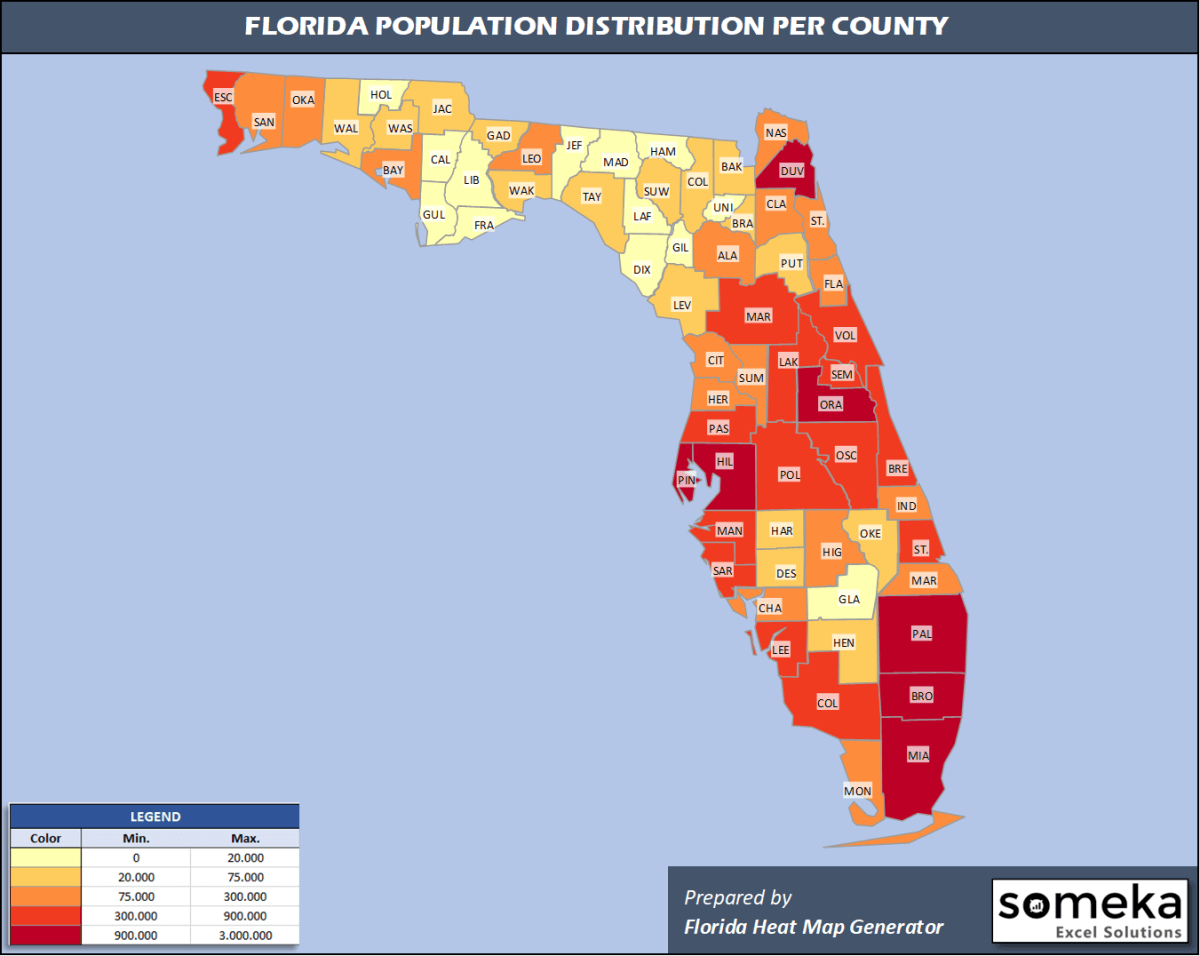
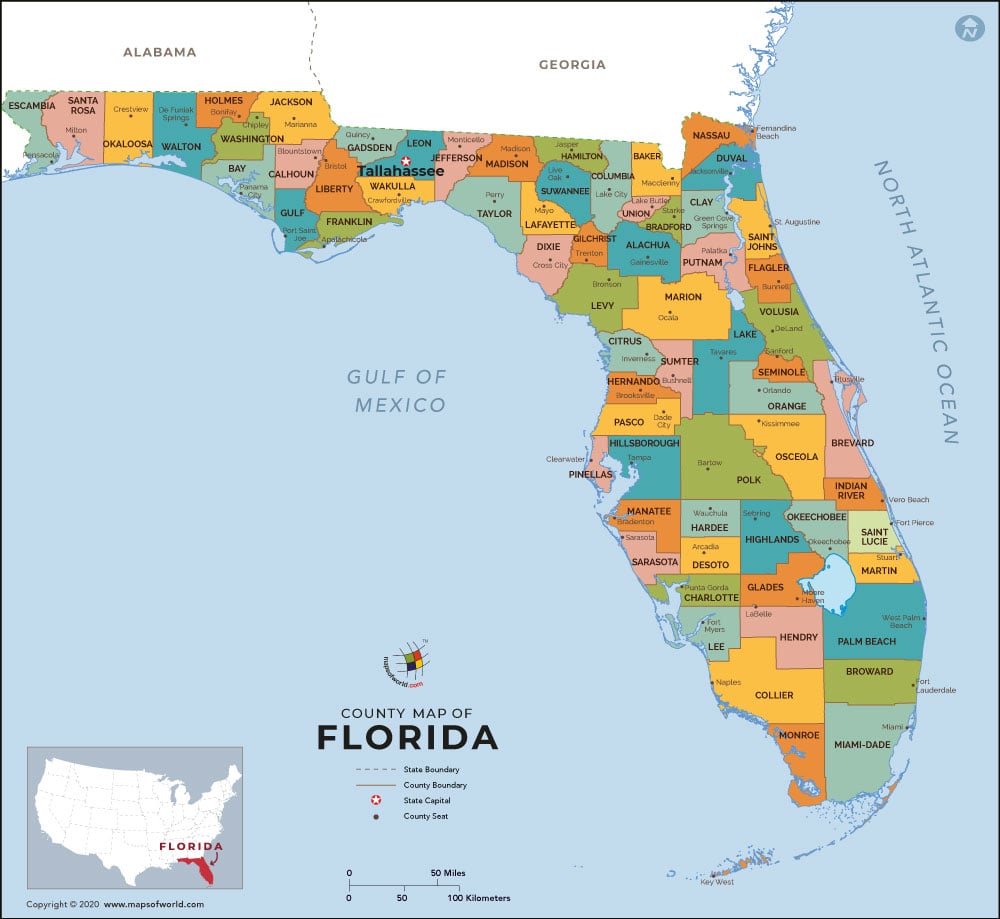
Florida’s geography is as dynamic as its climate, a peninsula bordered by the Atlantic Ocean to the east and the Gulf of Mexico to the west. Its landmass encompasses a surprising variety of ecosystems, from the subtropical wilderness of the south to the pine forests and rolling hills of the north. The size and layout of its counties play a crucial role in defining regional identities and the types of travel experiences one can expect.
Why Size Matters for Travelers
For travelers, the size of a county directly influences itinerary planning, travel times, and the diversity of activities available within a single region. Larger counties often feature a broader spectrum of attractions, ranging from dense urban centers with cultural institutions and nightlife to vast natural preserves ideal for outdoor adventure. This geographical breadth means that a trip to one of Florida’s largest counties could involve experiencing world-class dining, relaxing on an uncrowded beach, and exploring unique ecosystems all within the same general area. Understanding the scale allows for more efficient planning, potentially reducing the need for multiple accommodations and maximizing discovery. It also highlights the opportunity for road trips within a single county, revealing hidden gems that might otherwise be overlooked.
A Glimpse into the Florida Landscape
Florida’s largest counties are often characterized by significant tracts of undeveloped land, including national forests, state parks, and expansive wetlands like the Everglades. These natural features not only contribute to their immense size but also serve as vital ecological corridors and primary draws for eco-tourism. Beyond nature, these counties frequently host major metropolitan areas, historic towns, and agricultural heartlands. The interplay between these urban and wild spaces defines much of the travel experience in Florida, offering a blend of relaxation, adventure, and cultural immersion. The sheer scale allows for distinct micro-regions within each county, each with its own character and appeal, making every visit a journey of discovery.
Florida’s Giants: The Top 5 Counties
Based on total area (land and water), these five counties stand as the largest in Florida, each presenting an impressive canvas for exploration and a testament to the state’s geographical diversity.
1. Palm Beach County: Where Luxury Meets Wilderness
Total Area: 3,284 sq mi (8,506 km²)
Palm Beach County holds the distinction of being Florida’s largest county by total area, an impressive expanse stretching from the sophisticated coastal communities to the vast agricultural fields and wetlands bordering Lake Okeechobee. This duality is its defining characteristic, offering travelers a spectrum of experiences from opulent relaxation to rugged outdoor adventure.
The county’s eastern seaboard is home to glamorous cities like Palm Beach, West Palm Beach, Boca Raton, and Jupiter. Here, visitors can indulge in world-class shopping along Worth Avenue, explore vibrant arts districts, dine at Michelin-starred restaurants, and enjoy pristine beaches. West Palm Beach offers a bustling downtown with cultural attractions like the Kravis Center for the Performing Arts and the Norton Museum of Art. Further south, Boca Raton blends upscale living with natural beauty, home to the stunning Mizner Park and the Gumbo Limbo Nature Center.
Venturing westward, the landscape dramatically transforms into the agricultural heartland, dominated by sugarcane fields, and then merges into the northern reaches of the Everglades. This area provides ample opportunities for airboat tours, wildlife viewing, and bass fishing, offering a stark contrast to the coastal glamour. The sheer size of Palm Beach County ensures that visitors can tailor their trip to their preferences, whether seeking luxury, nature, or a blend of both.
2. Miami-Dade County: A Vibrant Metropolis Embracing Nature
Total Area: 2,400 sq mi (6,216 km²)
As the second-largest county and the most populous in Florida, Miami-Dade County is a dynamic hub of international culture, art, and commerce. Centered around the iconic city of Miami, this county is a melting pot of Latin American, Caribbean, and global influences, offering an electrifying urban experience complemented by vast natural reserves.
The coastal stretch is defined by the iconic beaches of Miami Beach, particularly the world-famous South Beach, known for its vibrant nightlife, stunning Art Deco Historic District, and celebrity sightings. Inland, Miami proper boasts a spectacular skyline, diverse neighborhoods like Little Havana with its Cuban flair, the trendy Wynwood Arts District, and the upscale shopping of Brickell. Cultural institutions such as the Pérez Art Museum Miami and the Phillip and Patricia Frost Museum of Science add to the urban appeal.
Despite its urban density, Miami-Dade County dedicates significant portions of its western and southern reaches to nature. It is home to portions of two national parks: Biscayne National Park, protecting the extensive coral reefs and islands off the coast, and the eastern section of the Everglades National Park, a critical wetland ecosystem teeming with wildlife. This unique combination allows travelers to transition from the energy of a global city to the tranquility of untouched wilderness within a single day, making it an incredibly versatile destination.
3. Collier County: Gateway to the Everglades
Total Area: 2,308 sq mi (5,978 km²)
Located on Florida’s southwest coast, Collier County is a vast and largely undeveloped region, often referred to as the “Gateway to the Everglades.” It encompasses a significant portion of the Everglades National Park and the entirety of the Big Cypress National Preserve, making it a prime destination for eco-tourism and nature enthusiasts.
The county’s eastern and central areas are dominated by these protected wetlands and forests, offering incredible opportunities for wildlife viewing, hiking, kayaking, and photography. Visitors can spot alligators, panthers, various bird species, and unique flora in their natural habitats. The Big Cypress National Preserve is particularly known for its towering cypress trees and diverse ecosystems.
Along the western coastline, Collier County presents a contrasting picture of upscale leisure and pristine beaches. The city of Naples is renowned for its sophisticated atmosphere, high-end shopping on Fifth Avenue South and Third Street South, exquisite dining, and beautiful white-sand beaches. Marco Island, a short drive south of Naples, offers a more relaxed island vibe with stunning beaches and excellent shelling opportunities. The combination of luxurious coastal living and immense natural wilderness makes Collier County a destination where travelers can truly immerse themselves in both the refined and wild sides of Florida.
4. Polk County: Central Florida’s Heartbeat
Total Area: 2,073 sq mi (5,369 km²)
Nestled in the heart of central Florida, Polk County offers a distinctive blend of family-friendly attractions, historical sites, and tranquil natural beauty. Its central location makes it an accessible gateway to many of Florida’s popular destinations while offering its own unique appeal.
Polk County is most famously home to Legoland Florida Resort in Winter Haven, a major draw for families with young children. Beyond the theme park, the county boasts over 550 lakes, providing ample opportunities for fishing, boating, and watersports. The historic city of Lakeland serves as its largest city, known for its beautiful downtown, numerous lakes, and the striking architecture of Florida Southern College, which features the largest single-site collection of Frank Lloyd Wright architecture.
Another iconic attraction is Bok Tower Gardens in Lake Wales, a serene National Historic Landmark featuring a magnificent 205-foot Singing Tower, lush gardens, and tranquil walking paths. The county’s agricultural roots are evident in its citrus groves and charming small towns, offering a glimpse into authentic Old Florida. Polk County’s expansive size allows for a diverse range of activities, from high-energy theme park thrills to peaceful nature retreats, making it a versatile destination for all types of travelers.
5. Marion County: The Horse Capital and Natural Springs
Total Area: 1,629 sq mi (4,219 km²)
Rounding out the list of Florida’s largest counties is Marion County, often celebrated as the “Horse Capital of the World.” Located in north-central Florida, this county is characterized by its rolling green hills, thoroughbred horse farms, and an abundance of crystal-clear natural springs.
The city of Ocala is the heart of Marion County, a vibrant community with a rich equestrian heritage. Visitors can explore numerous horse farms, attend equestrian events at the World Equestrian Center, and learn about the industry’s history. Beyond horses, Ocala offers a charming downtown square with local shops and restaurants.
Marion County’s natural attractions are equally compelling. It is home to a significant portion of the Ocala National Forest, the southernmost national forest in the continental U.S. This vast wilderness offers hundreds of miles of trails for hiking, biking, and off-roading, along with numerous lakes and streams. The county is also famous for its incredible natural springs, including Silver Springs State Park, one of Florida’s oldest attractions, known for its glass-bottom boat tours over ancient underwater formations and abundant wildlife. Other popular springs like Juniper Springs and Alexander Springs offer opportunities for swimming, snorkeling, and kayaking in pristine waters. The expansive natural beauty and equestrian culture make Marion County a tranquil yet engaging destination.
Navigating Vastness: Tips for Exploring Large Counties
Exploring Florida’s largest counties requires a thoughtful approach to maximize your travel experience. Their sheer size means that a single visit might only scratch the surface, but with strategic planning, you can uncover their multifaceted charms.
Strategic Planning and Transportation
Given the substantial distances within these counties, effective transportation planning is paramount. Renting a car is often the most practical option, providing the flexibility to traverse vast landscapes and access remote natural attractions. For coastal areas like Palm Beach or Miami-Dade, ride-sharing services and limited public transport might suffice for urban exploration, but a personal vehicle is invaluable for venturing beyond city limits. Consider grouping attractions by geographical proximity within the county to minimize travel time and maximize sightseeing. For instance, dedicate one day to coastal exploration and another to inland wilderness. Utilizing GPS and mapping applications can also help navigate the expansive road networks efficiently.
Embracing Diverse Experiences
The true beauty of Florida’s largest counties lies in their ability to offer a remarkable range of experiences within their borders. Don’t limit your itinerary to just one aspect, whether it’s beaches, theme parks, or nature reserves. Embrace the diversity! In Palm Beach County, combine a luxurious resort stay with an airboat ride in the Everglades. In Miami-Dade County, balance the vibrant nightlife of South Beach with a serene kayaking trip through Biscayne National Park.
These large counties invite multi-day visits, allowing travelers to delve deeper into their unique character. Consider staying in different parts of the county if your visit is extended, to fully experience the distinct atmospheres, from bustling urban cores to quiet rural retreats. Engaging with local tour operators for specialized experiences, such as eco-tours, culinary walks, or equestrian excursions, can also provide insightful and memorable interactions that highlight the best of each region.
Conclusion
Florida’s top 5 largest counties – Palm Beach, Miami-Dade, Collier, Polk, and Marion – are much more than mere geographical statistics. They are vast, diverse realms, each offering a distinct collection of attractions, natural wonders, and cultural experiences that cater to every type of traveler. From the glamorous coastal lifestyle and the urban pulse of Miami to the untamed wilderness of the Everglades and the tranquil equestrian landscapes, these expansive regions encapsulate the incredible breadth of the Sunshine State. Understanding their scale is the first step towards planning an unforgettable Florida adventure, allowing you to seamlessly navigate between world-class destinations and discover the hidden gems that lie within their impressive borders. Embark on a journey to explore these giants, and you’ll find that Florida’s biggest counties offer some of its biggest adventures.
LifeOutOfTheBox is a participant in the Amazon Services LLC Associates Program, an affiliate advertising program designed to provide a means for sites to earn advertising fees by advertising and linking to Amazon.com. Amazon, the Amazon logo, AmazonSupply, and the AmazonSupply logo are trademarks of Amazon.com, Inc. or its affiliates. As an Amazon Associate we earn affiliate commissions from qualifying purchases.