
New Orleans – a city synonymous with vibrant jazz, intoxicating Mardi Gras celebrations, and a culinary scene that tantalizes the taste buds with its unique blend of French, Spanish, African, and Caribbean influences. Yet, beneath this lively surface, a darker, more mysterious current flows, drawing millions of visitors each year not just for its joie de vivre, but for its pervasive reputation as one of the most haunted cities in the United States. From spectral figures glimpsed in the humid twilight to chilling tales whispered in dimly lit alleys, the spectral presence in the Crescent City is undeniable. But what is it about this captivating metropolis that fosters such a rich tapestry of paranormal activity?
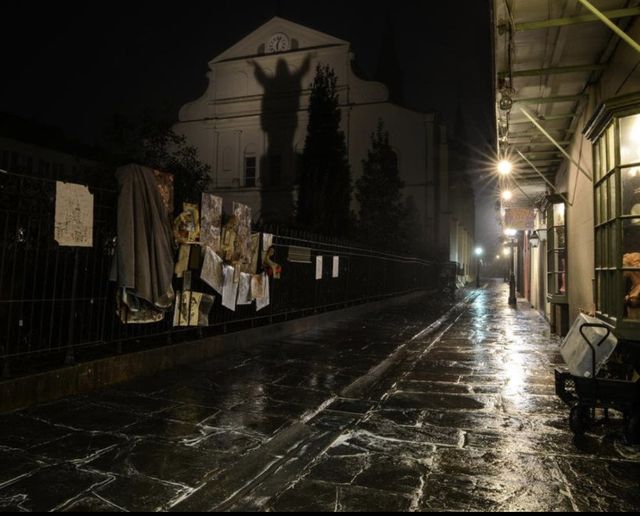
The answer, it seems, lies in a confluence of historical events, the city’s unique geography, and a deeply ingrained cultural acceptance of the supernatural. New Orleans has a past that is as complex and layered as its iconic Gumbo, a history steeped in tragedy, resilience, and an enduring connection to the spiritual world.
A History Steeped in Shadow and Spirit
The very foundations of New Orleans are built upon a rich and often tumultuous history, a fertile ground for lingering spirits. Established by the French in 1718, the city quickly grew into a bustling port, a melting pot of cultures and a crossroads for trade. This rapid development, however, came at a significant human cost.
The Scars of Slavery and Disease
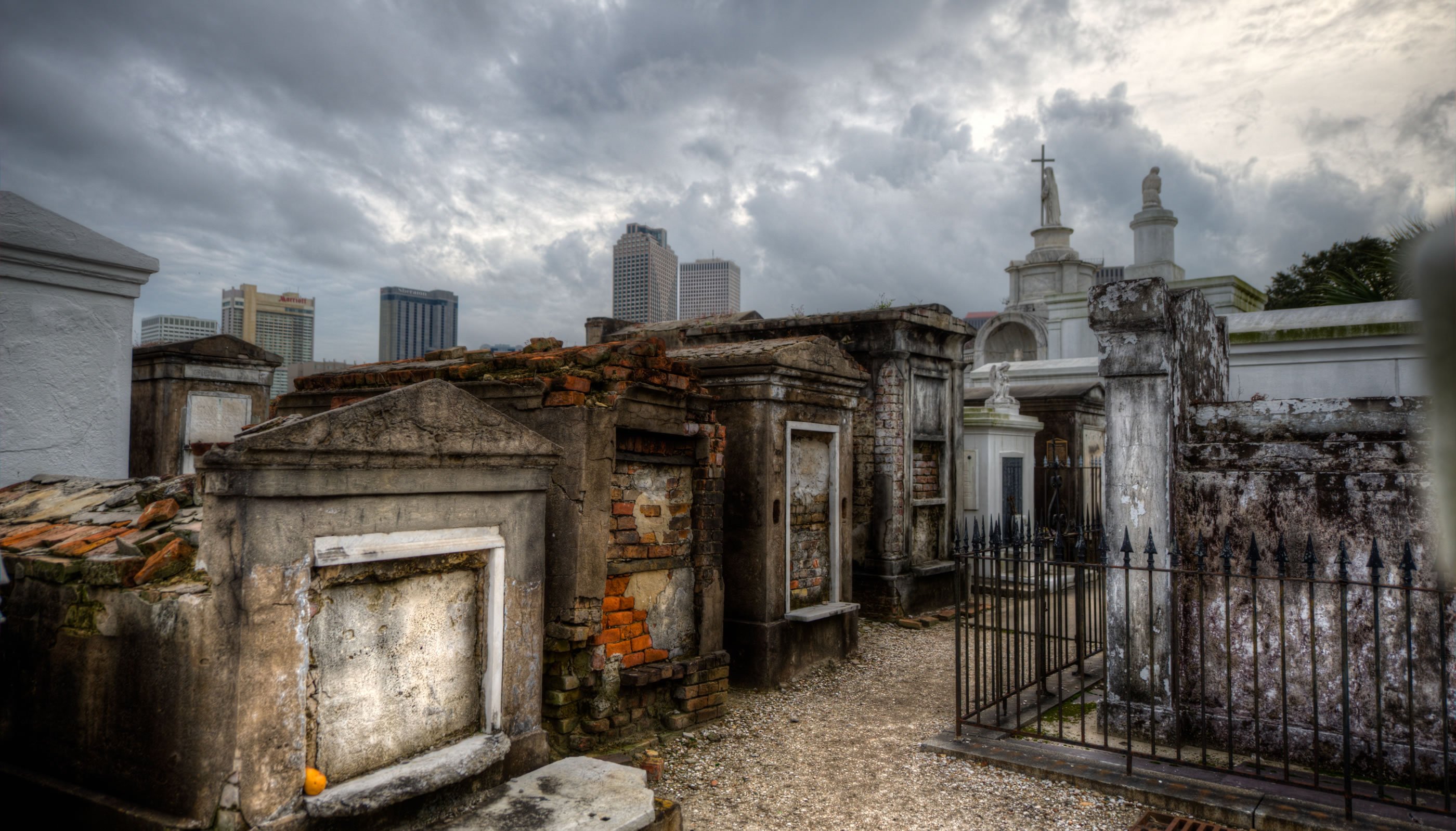
The harsh realities of slavery cast a long shadow over New Orleans. The inhumane conditions endured by enslaved people led to immeasurable suffering, and it is believed by many that their spirits, burdened by unfinished business and lingering pain, remain tethered to the land. Many of the city’s oldest buildings and cemeteries, particularly in the French Quarter, are said to be places where these spirits most actively manifest. The St. Louis Cemetery No. 1, the oldest in the city, is a prime example. Its above-ground tombs, necessitated by the city’s below-sea-level elevation and high water table, are said to house the remains of countless individuals whose souls may not have found peace.
Furthermore, New Orleans has been repeatedly ravaged by devastating epidemics. Yellow fever, cholera, and smallpox swept through the city with terrifying regularity, claiming thousands of lives. The sheer volume of death, often sudden and agonizing, is thought to have saturated the very atmosphere with residual energy. These events, coupled with the frequent fires that plagued the early city, have left an indelible mark on its historical landscape, creating numerous sites where paranormal phenomena are commonly reported.
The Influence of Voodoo and Mysticism
The spiritual practices of Voodoo, brought to New Orleans by enslaved Africans, have also contributed significantly to its haunted mystique. Voodoo, often misunderstood and sensationalized, is a complex religion that involves reverence for spirits, ancestor worship, and a belief in the interconnectedness of the physical and spiritual realms. The rituals, symbols, and stories associated with Voodoo have become deeply interwoven with the city’s identity, fostering an environment where the supernatural is not only accepted but often embraced.
Practitioners of Voodoo, like the legendary Marie Laveau, are central figures in the city’s lore. Marie Laveau’s tomb in St. Louis Cemetery No. 1 is a popular pilgrimage site for both tourists and those seeking spiritual connection. Visitors often leave offerings, hoping to receive blessings or communicate with her spirit. The enduring belief in Marie Laveau’s powers and her continued presence after death adds another layer to the city’s haunted narrative, suggesting that some spirits possess an influence that transcends their mortal existence. This cultural acceptance of spiritual forces, passed down through generations, allows for a more open engagement with the paranormal, making New Orleans a unique destination for those interested in the uncanny.
Iconic Haunts and Spectral Stories
The history of New Orleans is punctuated by a plethora of iconic landmarks and notorious locations, each with its own chilling tales and spectral inhabitants. From grand hotels to historic homes, the city offers a diverse array of haunted attractions that draw ghost hunters and curious travelers alike.
The French Quarter: A Labyrinth of Apparitions
The French Quarter, with its wrought-iron balconies, cobblestone streets, and ancient architecture, is arguably the epicenter of New Orleans‘ hauntings. It’s a place where history feels palpable, and the veil between worlds seems remarkably thin.
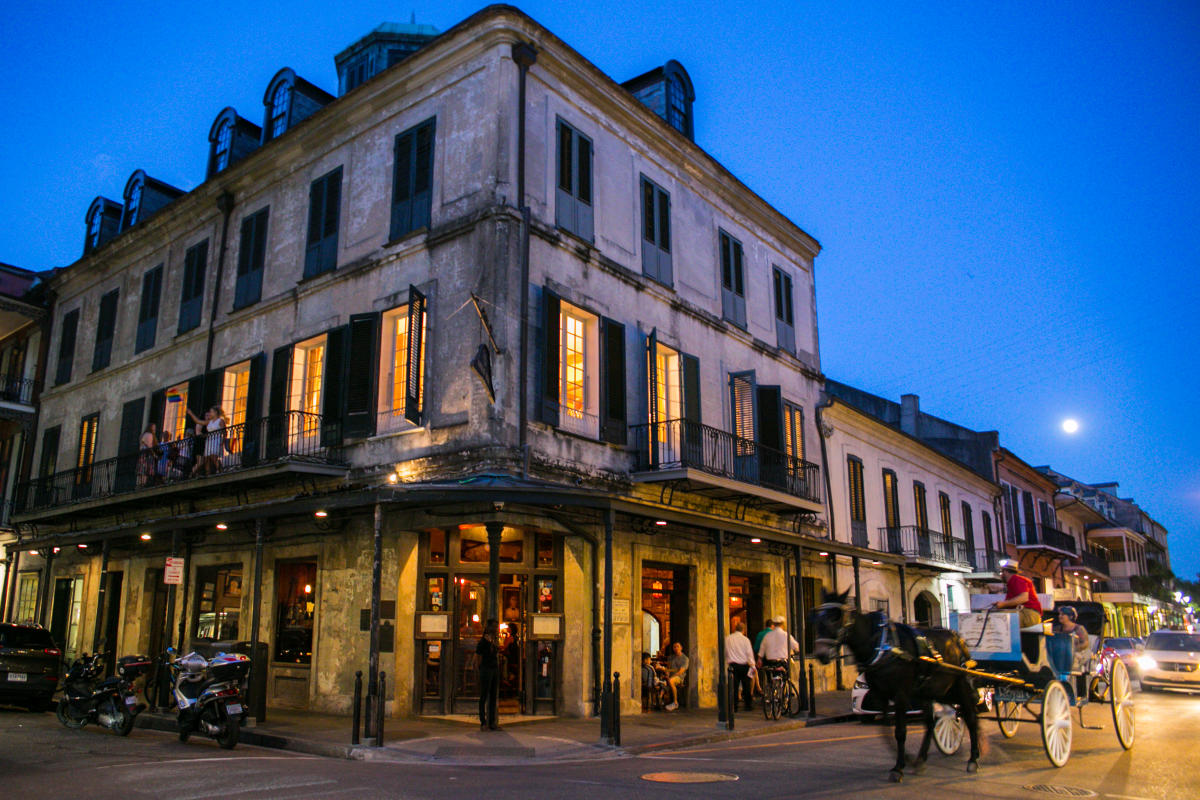
One of the most famous haunted establishments is the LaLaurie Mansion. Once the opulent home of the socialite Madame Delphine LaLaurie, it is now infamous for the horrific abuse of enslaved people that allegedly took place within its walls. Reports of spectral activity are rampant, including the sounds of screams, chains dragging, and apparitions of former slaves. The LaLaurie Mansion is a stark reminder of the city’s dark past and a potent symbol of the lingering trauma that is believed to fuel its hauntings.
Another iconic haunted spot is the Hotel Monteleone. This historic luxury hotel, a beacon of elegance on Royal Street, is said to be home to several restless spirits. The most frequently reported is the ghost of Joseph Monteleone, the hotel’s founder, who is said to wander the 2500 corridor on the 3rd floor. Guests have also reported seeing the spectral figures of children, including a young boy named Maurice, who is said to have drowned in the hotel’s once-present rooftop pool. The Hotel Monteleone offers a fascinating blend of opulent comfort and spectral encounters, making it a popular choice for those seeking a truly immersive New Orleans experience.
The Muriel’s Jackson Square Restaurant is another establishment steeped in paranormal lore. Located on Chartres Street overlooking Jackson Square, it is believed to be haunted by several spirits, most notably that of Pierre Antoine Lepardi Jourdan, the original owner who tragically died by suicide in the building. Diners and staff have reported unexplained noises, moving objects, and sightings of Jourdan’s spectral form, often seen in his favorite room at the restaurant. The restaurant’s charming atmosphere, combined with its ghostly residents, creates a unique dining experience.
Beyond the Quarter: Ghosts of Plantations and Cemeteries
The hauntings of New Orleans extend beyond the immediate confines of the French Quarter, reaching out to the surrounding areas and historic sites that bear witness to the city’s past.
The majestic Garden District is renowned for its stunning antebellum mansions, many of which are rumored to be haunted. Homes like the Buckner Mansion and the Stone Mansion have their own tales of spectral residents, often former inhabitants who met untimely ends. The tranquil beauty of the Garden District provides a chilling contrast to the lingering spirits said to reside within its grand homes.
Further afield, the numerous plantations along the Mississippi River are steeped in history and often associated with residual hauntings. These grand estates, once centers of immense wealth built on the backs of enslaved labor, are said to be inhabited by the spirits of those who suffered and died there. Tours of these plantations often include accounts of unexplained phenomena, from apparitions to disembodied voices.
The city’s unique above-ground cemeteries, known as Cities of the Dead, are perhaps the most potent symbols of New Orleans‘ haunted nature. As mentioned earlier, St. Louis Cemetery No. 1 is a prominent example, but others like Metairie Cemetery and St. Louis Cemetery No. 2 are also rife with spectral tales. These cities of eternal rest, with their ornate tombs and quiet, echoing pathways, are considered by many to be gateways to the spirit world, places where the past is never truly gone.
Why the Persistence of the Paranormal?
The enduring reputation of New Orleans as a haunted city is not merely a collection of spooky stories; it’s a testament to a unique cultural alchemy that blends history, geography, and belief.
The Power of Place and Atmosphere
New Orleans possesses an atmosphere unlike any other. The humid, subtropical climate, the languid flow of the Mississippi River, and the distinct architectural style of the French Quarter all contribute to a sense of timelessness and a palpable connection to the past. The very air seems thick with stories, with the echoes of centuries of life, death, joy, and sorrow. This pervasive sense of history, combined with the city’s unique environment, creates a fertile ground for the imagination and, for believers, for the spectral realm to manifest.
The city’s physical challenges, such as its low elevation and susceptibility to flooding, have also shaped its funerary traditions and, by extension, its spiritual landscape. The necessity of above-ground tombs in the Cities of the Dead creates a visually striking and spiritually resonant environment, where the presence of the departed feels more immediate and tangible.
A Culture of Storytelling and Acceptance
A crucial factor in New Orleans‘ haunted status is its vibrant culture of storytelling and its remarkable acceptance of the supernatural. New Orleanians have a deep appreciation for history, folklore, and the anecdotal. Ghost stories are not just confined to tourist traps; they are woven into the fabric of everyday life, shared in conversations, passed down through families, and celebrated in literature and art.
This cultural embrace means that reports of paranormal activity are often met not with skepticism, but with curiosity and an open mind. This acceptance can, in turn, create an environment where subtle phenomena are more readily perceived and interpreted as supernatural. Whether one believes in ghosts or not, the sheer volume of stories, the historical weight of the city, and its unique cultural disposition make New Orleans an undeniable destination for anyone fascinated by the mysteries that lie just beyond the veil of the ordinary. The city doesn’t just tell ghost stories; it lives and breathes them, making its haunted reputation a profound and enduring part of its captivating identity.
LifeOutOfTheBox is a participant in the Amazon Services LLC Associates Program, an affiliate advertising program designed to provide a means for sites to earn advertising fees by advertising and linking to Amazon.com. Amazon, the Amazon logo, AmazonSupply, and the AmazonSupply logo are trademarks of Amazon.com, Inc. or its affiliates. As an Amazon Associate we earn affiliate commissions from qualifying purchases.