
Nestled deep within the majestic San Juan Mountains of southwestern Colorado, Telluride is a destination synonymous with unparalleled natural beauty, world-class skiing, and a vibrant arts scene. Its remote location, while contributing to its untouched charm and exclusive appeal, often raises a fundamental question for aspiring visitors: “How do you get to Telluride Colorado?” The journey to this historic mining town-turned-recreational paradise is an integral part of the adventure, offering breathtaking vistas and a gradual immersion into the serene alpine environment. While accessibility might seem challenging due to its secluded setting, a variety of well-established transportation options ensure that travelers from around the globe can reach this captivating destination. Whether you prioritize speed, scenic drives, or convenience, understanding the various routes and logistical considerations is key to planning a seamless and enjoyable trip to Telluride. This comprehensive guide will illuminate the most efficient and practical ways to navigate your journey, ensuring your arrival is as spectacular as the destination itself.
The Allure of Telluride: A Remote Mountain Jewel
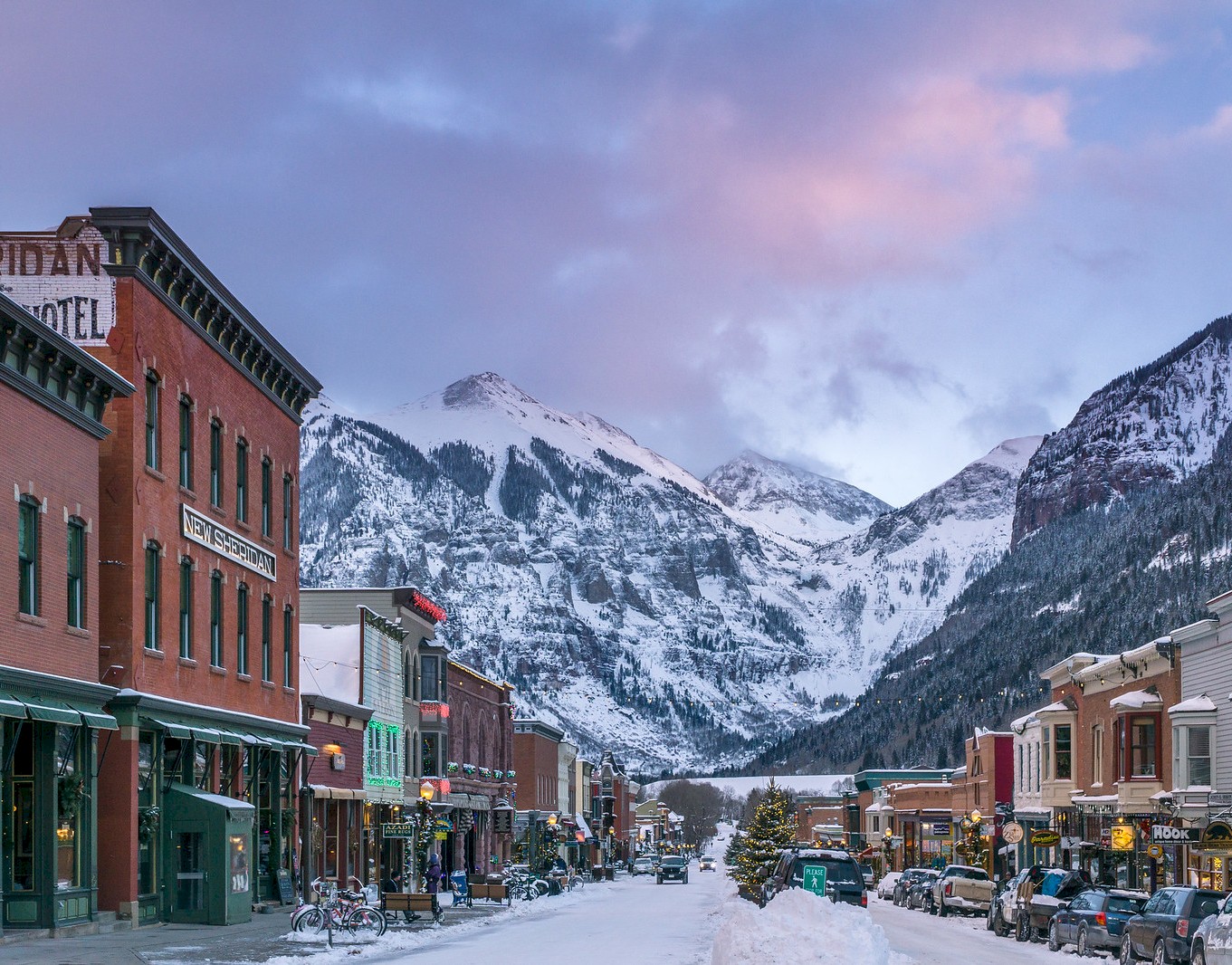
Telluride’s mystique is deeply intertwined with its geographical isolation. Tucked away in a box canyon, surrounded by towering peaks that reach over 13,000 feet, the town offers a truly immersive mountain experience far removed from the hustle and bustle of more accessible resorts. This seclusion is not a hindrance but rather a defining characteristic that preserves its Victorian-era charm, pristine environment, and a tight-knit community feel. The journey itself, often involving a scenic drive through rugged landscapes, becomes a memorable prelude to the wonders that await. Visitors are drawn to Telluride not just for its skiing and hiking, but for the profound sense of escape it offers, a place where the grandeur of nature dominates and everyday stresses melt away. Understanding this unique allure helps appreciate why the effort to reach this jewel is always richly rewarded.
Why Telluride’s Seclusion is Part of its Charm
Unlike many easily accessible resort towns that can feel overrun, Telluride retains an exclusive, almost pristine quality precisely because of its challenging access. This remoteness naturally filters out casual visitors, leaving a community and atmosphere that is genuinely committed to preserving the town’s unique character and natural surroundings. The journey into the box canyon, with its dramatic reveal of the town nestled against the mountains, is an experience in itself, fostering a sense of accomplishment and anticipation. This natural barrier contributes to a quieter, more intimate environment, allowing visitors to connect more deeply with the landscape and the local culture. It’s a place where the pace slows, allowing for genuine relaxation and appreciation of the stunning vistas, creating a profound sense of tranquility that is hard to find elsewhere.
Planning Your Alpine Adventure
Effective planning is paramount for a stress-free trip to Telluride. Given its high altitude and variable weather conditions, especially during winter, understanding your travel options and making necessary arrangements in advance is crucial. Considerations include the time of year you plan to visit, as winter conditions can impact road travel and flight availability, versus the relatively smoother summer and fall months. Booking flights, ground transportation, and accommodations well ahead of time, particularly during peak seasons like Christmas, Spring Break, or the summer festival season, is highly recommended. Being prepared for potential delays and understanding alternative routes can make a significant difference in your travel experience. A well-planned itinerary allows you to focus on the excitement of your destination rather than logistical anxieties.
Flying into the Region: Closest Airports and Connections
For most travelers, flying will be the most practical method to cover significant distances before embarking on the final leg to Telluride. Several airports serve the region, each offering distinct advantages in terms of flight availability, cost, and proximity to the resort. The choice of airport often depends on your departure city, budget, and desired level of convenience. Weighing the pros and cons of each hub, from the smallest local airstrip to major international gateways, is essential for optimizing your travel plan.
Telluride Regional Airport (TEX): The Most Direct (But Limited) Option
The Telluride Regional Airport (TEX) is the closest commercial airport to the town, situated just 6 miles away on a mesa overlooking the valley. This proximity offers the most direct and quickest access to Telluride and Mountain Village. However, its high altitude location and short runway mean flights are often smaller, more expensive, and more susceptible to weather-related delays and cancellations, especially during winter months. Services are typically seasonal, with limited direct flights from a few major hubs. While convenient if you can secure a flight, it’s crucial to have a backup plan due to its operational sensitivities. Shuttles and taxis are readily available for the short transfer into town.
Montrose Regional Airport (MTJ): The Primary Gateway
For the vast majority of visitors, Montrose Regional Airport (MTJ) serves as the primary and most reliable gateway to Telluride. Located approximately 65 miles (a 1.5-hour drive) north of Telluride, MTJ offers more frequent flights, competitive pricing, and a broader range of airlines compared to TEX. It provides non-stop seasonal services from numerous major cities across the US, making it a highly practical choice for travelers. The drive from Montrose to Telluride is scenic and generally well-maintained, passing through picturesque landscapes. Ground transportation options, including dedicated shuttles, rental cars, and private transfer services, are plentiful and well-established to handle the influx of travelers.
Grand Junction Regional Airport (GJT) & Durango-La Plata County Airport (DRO): Alternative Hubs
Beyond Montrose, two other regional airports offer viable, albeit longer, alternatives. Grand Junction Regional Airport (GJT) is about a 2.5 to 3-hour drive (125 miles) north of Telluride. It provides additional flight options, particularly for those coming from certain Western states, and often presents more competitive pricing. The drive from Grand Junction offers diverse scenery, though it’s a considerable commitment. To the south, Durango-La Plata County Airport (DRO) is also approximately a 2.5 to 3-hour drive (125 miles) from Telluride. DRO is a good option for travelers coming from the southern parts of Colorado or neighboring states like New Mexico. Both GJT and DRO require a rental car or pre-arranged private shuttle service for the onward journey to Telluride.
Denver International Airport (DIA): The Major Long-Haul Entry
For international travelers or those seeking the widest array of flight options and potentially lower fares, Denver International Airport (DIA) is often the first point of entry into Colorado. However, a significant onward journey awaits, as DIA is approximately 6-7 hours (360 miles) east of Telluride by car. While a long drive, it’s a popular choice for those who wish to experience more of Colorado’s scenic beauty or combine their Telluride trip with other destinations. From Denver, travelers can either rent a car for the scenic drive or book a connecting flight to Montrose Regional Airport (MTJ) or one of the other regional airports. The drive through the Rocky Mountains can be spectacular, but caution is advised, especially during winter, due to potentially challenging road conditions.
Navigating from Airports to Telluride: Ground Transportation Options
Once you’ve landed at your chosen regional airport, the next step is to complete the journey to Telluride. The reliability and efficiency of ground transportation are critical, particularly during the winter months when road conditions can vary. Fortunately, a robust network of services caters specifically to travelers heading to this popular mountain destination. Selecting the right option depends on your budget, group size, and preference for convenience versus flexibility.
Shuttle Services: Convenient and Stress-Free
Dedicated shuttle services are the most popular and often the most convenient way to get from Montrose Regional Airport (MTJ) to Telluride. Numerous reputable companies offer shared-ride and private shuttle options. Shared shuttles are a cost-effective choice, operating on a schedule and making stops at various hotels and residences. Private shuttles, while more expensive, offer direct, on-demand service tailored to your arrival and departure times, ideal for families or groups. These services are often pre-booked online, and drivers are experienced in navigating mountain roads, providing a stress-free transfer, especially welcome after a long flight. They also often provide comfortable vehicles equipped for winter conditions.
Rental Cars: Flexibility for Exploration
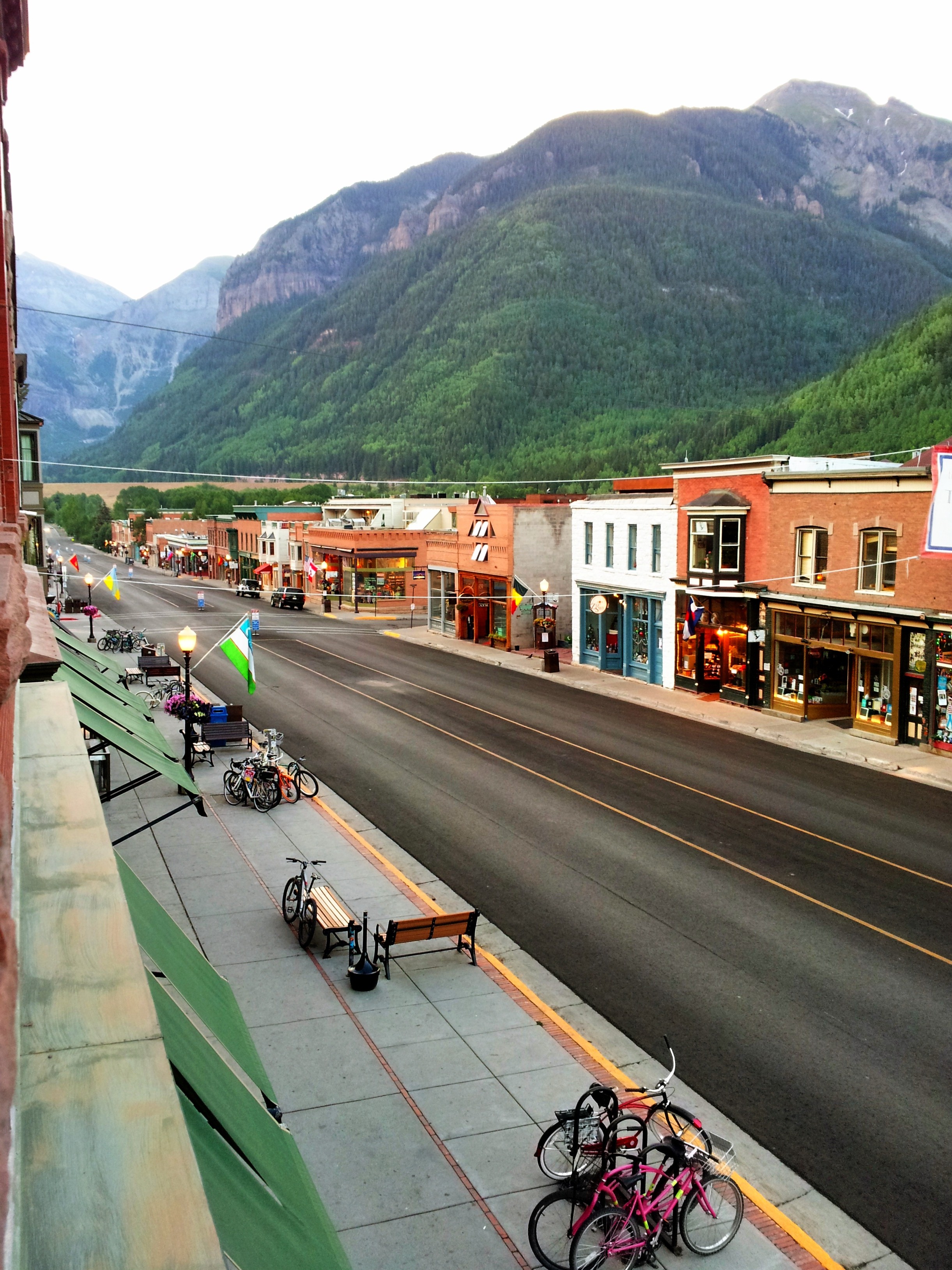
Renting a car offers unparalleled flexibility, particularly if you plan to explore beyond Telluride or prefer the freedom of driving yourself. Rental agencies are available at all major and regional airports, including Montrose, Grand Junction, and Durango. For winter travel, a four-wheel drive (4WD) or all-wheel drive (AWD) vehicle with appropriate tires (often snow tires or chains are required or highly recommended) is strongly advised due to the mountainous terrain and potential for heavy snowfall. While parking in Telluride can sometimes be limited, particularly during peak season, having your own vehicle allows for independent day trips to nearby attractions or other Colorado towns.
Private Transfers and Ride-Sharing
For those seeking a luxurious or highly personalized experience, private car services are available. These services typically offer high-end vehicles, professional chauffeurs, and door-to-door service, making them an excellent choice for special occasions or travelers desiring maximum comfort and privacy. While ride-sharing services like Uber and Lyft exist in some parts of Colorado, their availability and reliability for trips specifically to Telluride from regional airports can be inconsistent, especially given the distance and demand for mountain-equipped vehicles. It is always recommended to pre-book a dedicated transfer service if you require guaranteed ground transportation.
Driving to Telluride: Scenic Routes and Considerations
For many, the journey to Telluride is best experienced by car, allowing for spontaneous stops and immersion in the spectacular Colorado landscape. The drives are renowned for their beauty, traversing high mountain passes, verdant valleys, and historic mining towns. However, driving in the mountains, especially during winter, comes with specific considerations and challenges that require careful planning and preparedness.
Approaching from the North (via Montrose)
The most common driving route to Telluride is from Montrose. From Montrose, you’ll head south on Highway 550 (also known as the “Million Dollar Highway” for a portion of its length, though you won’t experience that section on this route directly to Telluride) for a short distance before turning west onto Highway 62 at Ridgway. Highway 62 then connects with Highway 145 which leads directly into Telluride. This route is generally well-maintained and offers stunning views, particularly as you descend into the Telluride box canyon. The total drive is approximately 1.5 hours, covering about 65 miles. It’s considered the most straightforward and least challenging of the mountain drives to Telluride.
Approaching from the South (via Durango or Cortez)
If coming from the south, perhaps from Durango or Cortez, the drive involves traveling north on Highway 145. From Durango, you would initially take Highway 160 west to Cortez, then head north on Highway 145. This route is longer, roughly 2.5-3 hours from Durango, but equally scenic. It passes through picturesque towns and along the Dolores River, eventually leading you over Lizard Head Pass, which is a truly magnificent stretch of road offering panoramic views. While beautiful, this route can be more challenging in winter due to the higher elevations and potential for snow.
Winter Driving Precautions and Road Conditions
Winter driving to Telluride demands extra vigilance and preparation. Snowfall can be heavy, and roads can become icy or snow-packed. It is imperative to check road conditions before you depart using resources like the Colorado Department of Transportation (CDOT) website or app. A 4WD or AWD vehicle is highly recommended, and often, traction laws will be in effect, requiring specific tire types (M+S rated or winter tires) or chains. Allow ample extra time for travel, drive slowly, maintain a safe distance from other vehicles, and be aware of potential wildlife on the roads. Being prepared with an emergency kit, including blankets, water, and snacks, is also a wise precaution.
Parking in Telluride
Once you arrive in Telluride, particularly during peak seasons, finding convenient parking can be a consideration. The town itself is very walkable, and its gondola connects it to Mountain Village, making a car less necessary once you’ve arrived. Many accommodations offer guest parking. There are also public parking lots, some of which are free for a limited time, while others require payment. If staying in Mountain Village, parking is generally more available. Researching parking options for your specific accommodation or anticipated activities is advisable to avoid any last-minute stress.
Tips for a Seamless Journey to Telluride
Ensuring your journey to Telluride is as smooth and enjoyable as possible involves a few key considerations that go beyond just choosing your mode of transport. These tips aim to enhance your overall travel experience and help you navigate potential challenges associated with visiting a high-altitude, remote destination.
Best Time to Travel
The “best” time to travel to Telluride largely depends on your desired activities. For skiing and snowboarding, mid-December through early April is peak season, but also means potentially more challenging travel conditions and higher costs. Spring (April-May) offers fewer crowds and melting snow, transitioning to vibrant wildflowers. Summer (June-August) is perfect for hiking, mountain biking, and festivals, with generally stable weather and clear roads. Fall (September-October) brings breathtaking golden aspen foliage and crisp air, ideal for scenic drives and photography, before winter’s onset. Each season offers a unique charm, so align your visit with your preferred activities.
Booking in Advance
Given Telluride’s popularity and limited capacity, booking all aspects of your trip well in advance is crucial, especially for peak seasons. This includes flights, airport shuttles or rental cars, and accommodations. Early booking not only secures your spot but often results in better rates. Last-minute bookings, particularly during holidays or major festivals, can be significantly more expensive or even impossible to secure. For popular shuttle services, pre-booking ensures you have a guaranteed transfer upon arrival and helps avoid lengthy waits.
Altitude Sickness Awareness
Telluride sits at an elevation of 8,750 feet (2,667 meters), with skiing extending much higher. Many visitors, especially those coming from sea level, may experience symptoms of altitude sickness, such as headaches, nausea, dizziness, or shortness of breath. To mitigate these effects, it is advised to hydrate extensively before and during your journey, avoid excessive alcohol consumption, and allow yourself time to acclimate upon arrival before engaging in strenuous activities. Taking it easy for the first 24 hours can significantly help your body adjust to the thinner air, ensuring a more comfortable and enjoyable stay.
Packing Essentials
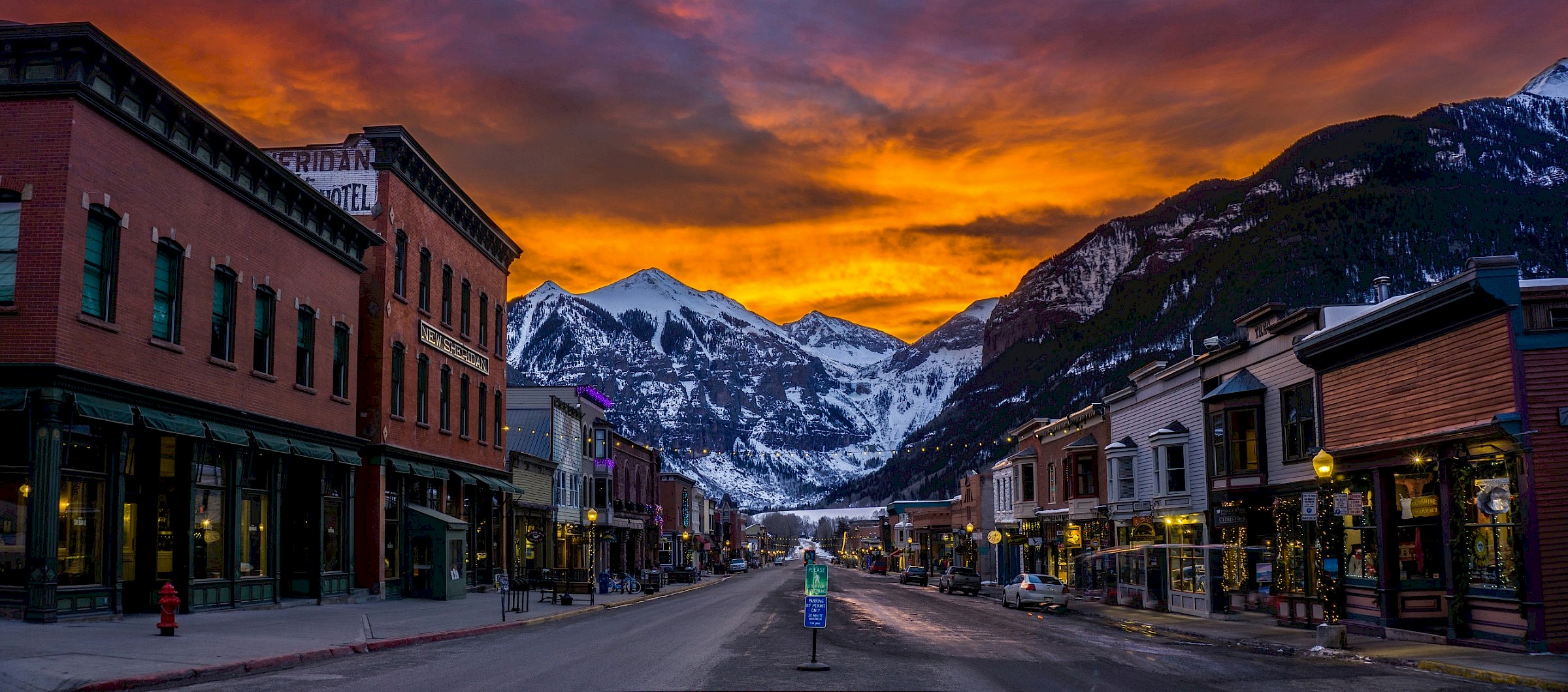
Regardless of the season, layering is key when packing for Telluride due to fluctuating mountain temperatures. In winter, waterproof outerwear, thermal layers, gloves, hats, and appropriate footwear are essential. For summer, bring light layers for daytime, warmer layers for evenings, rain gear, sturdy hiking shoes, and sun protection (sunscreen, sunglasses, hat) as the sun’s intensity is stronger at high altitudes. Don’t forget any medications, a reusable water bottle to stay hydrated, and a camera to capture the incredible scenery. Being prepared with the right gear ensures you can fully enjoy all the activities and beauty Telluride has to offer.
LifeOutOfTheBox is a participant in the Amazon Services LLC Associates Program, an affiliate advertising program designed to provide a means for sites to earn advertising fees by advertising and linking to Amazon.com. Amazon, the Amazon logo, AmazonSupply, and the AmazonSupply logo are trademarks of Amazon.com, Inc. or its affiliates. As an Amazon Associate we earn affiliate commissions from qualifying purchases.