
The vibrant energy of New York City and the charming hospitality of Atlanta are a popular pairing for travelers. Whether you’re embarking on a business trip, a family adventure, or seeking a taste of Southern culture, understanding the flight duration between these two iconic American cities is crucial for planning your itinerary. The question “How long is the flight from New York to Atlanta?” is a common one, and while a precise answer depends on various factors, we can delve into the typical flight times and the elements that influence them.
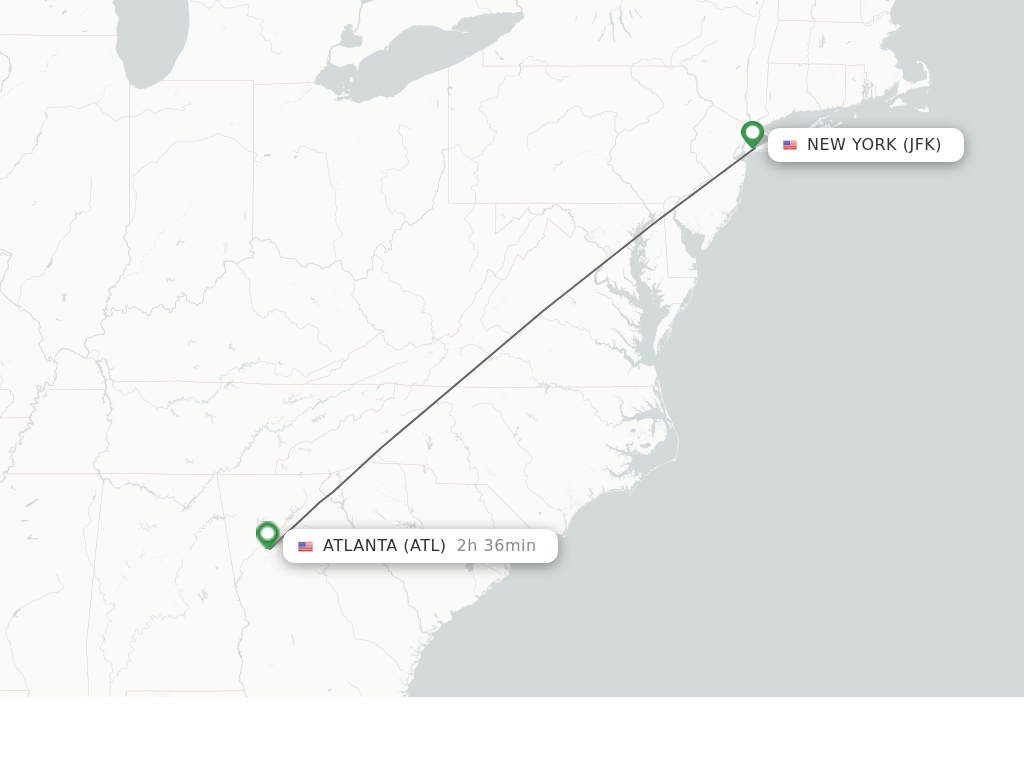
This journey, a staple for both leisure and corporate travelers, typically spans a relatively short distance within the continental United States. However, the magic number isn’t as straightforward as it might seem. Several variables can nudge the flight duration a little longer or shorter, impacting everything from your arrival time to the type of in-flight experience you might expect.
The core of this query lies in understanding the dynamics of air travel on this specific route. It’s not just about the miles between two points; it’s about the aircraft, the wind, air traffic control, and even the specific airport you depart from and arrive at within these sprawling metropolitan areas. For those meticulously crafting their travel plans, knowing the average flight time is the first step in optimizing their journey, ensuring they allocate enough time for airport procedures, potential delays, and the actual time spent soaring through the skies.
Understanding the Typical Flight Duration
When considering the flight from New York to Atlanta, the most common non-stop flights offer a remarkably efficient travel experience. For the most part, you can expect a direct flight to take approximately 2 to 2.5 hours. This is a general guideline, and it’s the figure most travelers will aim for when booking their tickets. This relatively brief airtime makes the route highly accessible for weekend getaways or even day trips for those with pressing business needs.
However, it’s important to remember that this is an average. Factors such as the specific airline, the type of aircraft, and prevailing wind conditions can subtly alter this duration. For instance, flying eastward, against the prevailing westerly winds, might add a few minutes, while a tailwind can shave them off. The route is a busy one, with numerous flights operating daily, and air traffic control plays a significant role in managing the flow of planes, which can sometimes contribute to slight variations in flight time.
The New York metropolitan area boasts several major airports, including John F. Kennedy International Airport (JFK), LaGuardia Airport (LGA), and Newark Liberty International Airport (EWR). Similarly, Atlanta is primarily served by Hartsfield-Jackson Atlanta International Airport (ATL), one of the busiest airports in the world. The specific departure and arrival airports within these regions can also have minor impacts on the overall travel time, though the flight segment itself remains the most significant component.
Factors Influencing Flight Time
While the average flight time is a useful benchmark, a deeper dive into the influencing factors provides a more comprehensive understanding. These elements, often beyond the passenger’s direct control, can collectively shape the actual time spent in the air.
Weather Conditions
Weather is an undeniable force in aviation. Significant weather events, such as thunderstorms, heavy fog, or strong crosswinds, can necessitate flight diversions, speed adjustments, or even delays on the ground. While Atlanta and New York generally experience predictable weather patterns, severe storms can disrupt flight schedules and, consequently, flight times. Pilots are trained to navigate safely, which sometimes means taking a slightly longer, more circuitous route to avoid turbulent areas, thereby extending the flight duration.
Air Traffic Control and Flight Paths
The skies are a carefully managed airspace. Air traffic control (ATC) assigns specific flight paths and altitudes to ensure the safe separation of aircraft. On a route as popular as New York to Atlanta, ATC plays a crucial role in sequencing arrivals and departures. Congestion in the airspace, particularly around major hubs like Atlanta, can sometimes lead to holding patterns or adjustments to the flight path, which will incrementally increase the flight time. Airlines work closely with ATC to optimize routes for efficiency, but safety always remains the paramount concern.
Aircraft Type and Airline Operations
Different aircraft have varying cruising speeds. A modern, fuel-efficient jetliner will generally cover the distance more quickly than an older model. Airlines also have their own operational procedures and fleet management strategies. For example, some airlines might prioritize faster aircraft on this particular route, while others might use a mix. The specific aircraft assigned to your flight can therefore contribute to subtle differences in flight duration. It’s also worth noting that some airlines might offer premium services, which could sometimes be associated with slightly different flight schedules or aircraft.
Connecting Flights and Their Impact
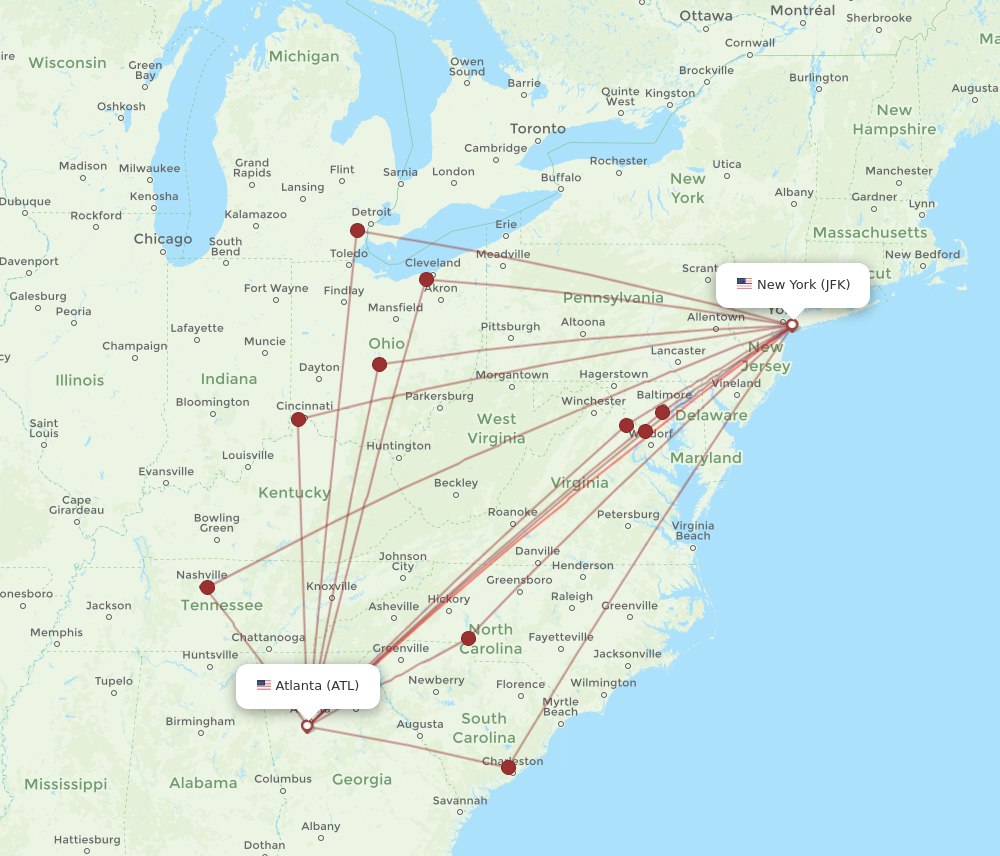
While non-stop flights are the quickest option, it’s common for travelers to consider or be presented with itineraries that include connecting flights. These options can sometimes offer cost savings or greater flexibility in terms of departure times, but they invariably extend the overall travel time significantly. Understanding how connecting flights affect your journey is essential for accurate travel planning.
When you opt for a flight with a layover, the total travel time includes not only the time spent in the air on each leg of the journey but also the layover duration. This layover time can range from a quick 45 minutes to several hours, depending on the airport and the airline’s hub.
Strategies for Minimizing Travel Time
For travelers prioritizing speed and efficiency, focusing on direct flights is the most effective strategy. Booking well in advance can often secure you a seat on a non-stop service, and it also allows for more choices in terms of departure times. Airlines typically operate multiple direct flights daily between New York and Atlanta, catering to various schedules.
If a direct flight is not available or proves to be prohibitively expensive, consider booking flights with the shortest possible layovers. Some booking platforms allow you to filter search results by layover duration, which can be a valuable tool. However, always allow ample buffer time between flights, especially when dealing with different airlines or terminals at a connecting airport. Unexpected delays on the first leg can quickly turn a tight connection into a missed one, leading to significant disruptions and potential rebooking challenges.
For those who find themselves with a longer layover, this can be an opportunity to stretch your legs, grab a meal, or even explore a bit of the connecting city if time permits and airport security allows for it. However, the primary goal for many is to reach their final destination as swiftly as possible.
Making the Most of Your Time in Atlanta
Once you’ve arrived in Atlanta after your flight from New York, you’ll likely want to maximize your time exploring the myriad attractions this dynamic Southern city has to offer. Atlanta is a city rich in history, culture, and vibrant modern life, presenting a diverse range of experiences for every type of traveler.
Key Attractions and Experiences
For history buffs, a visit to the Martin Luther King Jr. National Historical Park is an absolute must. This poignant site offers deep insights into the Civil Rights Movement and the life of one of America’s most revered figures. The park encompasses Dr. King’s birth home, Ebenezer Baptist Church, and the King Center.
The World of Coca-Cola provides a fun and interactive journey through the history of this global beverage giant, with tasting opportunities from around the world. Nearby, the Georgia Aquarium boasts an incredible collection of marine life, making it a captivating experience for families and individuals alike.
For a glimpse into the city’s entrepreneurial spirit and a nod to its media prowess, the Centennial Olympic Park, a legacy of the 1996 Olympic Games, offers open green spaces and hosts various events. Nearby, the CNN Center offers behind-the-scenes tours of the global news network.
Culinary Delights and Southern Charm
Atlanta‘s culinary scene is as diverse as its population. From traditional Southern comfort food to innovative global cuisine, there’s something to satisfy every palate. Don’t leave without trying some authentic Georgia peaches, indulging in some slow-cooked barbecue, or experiencing the vibrant food halls that have become increasingly popular. Neighborhoods like Midtown and Buckhead are known for their upscale dining, while areas like Inman Park offer a more bohemian and eclectic culinary landscape.
Accommodation Options
Finding the perfect place to rest your head in Atlanta is part of the overall travel experience. The city offers a wide spectrum of accommodation, from luxurious resorts and boutique hotels to budget-friendly motels and charming bed and breakfasts. For those seeking a more integrated experience, consider an apartment rental or a long-term stay option. Whether you’re looking for the amenities of a large hotel chain like the Marriott Marquis Atlanta or the intimate feel of a smaller establishment, Atlanta has a lodging option to suit every need and budget. Many hotels are conveniently located near major attractions and transportation hubs, making it easy to explore the city without a car.
Ultimately, the flight from New York to Atlanta is a relatively short hop, making the journey a convenient gateway to the charms and experiences awaiting you in the heart of the South. By understanding the nuances of flight times and planning accordingly, you can ensure your travel is as smooth and enjoyable as possible, allowing you to focus on the adventure that lies ahead.
LifeOutOfTheBox is a participant in the Amazon Services LLC Associates Program, an affiliate advertising program designed to provide a means for sites to earn advertising fees by advertising and linking to Amazon.com. Amazon, the Amazon logo, AmazonSupply, and the AmazonSupply logo are trademarks of Amazon.com, Inc. or its affiliates. As an Amazon Associate we earn affiliate commissions from qualifying purchases.