
The question of “How Long Is A Flight From Houston To New York?” is a common one for travelers planning a trip between these two iconic American metropolises. While seemingly straightforward, the answer can vary due to several factors, from the specific airline and departure time to prevailing wind conditions and the type of aircraft. On average, a direct flight from Houston to New York typically spans between 2 hours and 45 minutes to 3 hours and 30 minutes. This timeframe, however, is just the airborne portion of your journey. When considering the total travel time, it’s essential to factor in everything from getting to the airport to reaching your final destination in the bustling city.

This guide will delve into the nuances of flight durations between Houston and New York, exploring the variables that influence it, the airports involved, and what to expect on either end of your journey. Whether you’re planning a quick business trip or a leisurely exploration of the sights and sounds of New York, understanding the flight length is a crucial part of your travel planning.
Understanding Flight Duration: Factors at Play
The duration of a flight from Houston to New York is not a fixed entity. Several variables contribute to the actual time you’ll spend in the air. Understanding these can help you set realistic expectations and plan your itinerary more effectively.
Direct vs. Connecting Flights
The most significant factor influencing flight time is whether you opt for a direct flight or one with layovers.
- Direct Flights: As mentioned, these are the quickest option, typically ranging from 2 hours and 45 minutes to 3 hours and 30 minutes. They depart from Houston and land directly in New York without any stops. Airlines like United Airlines, American Airlines, and Southwest Airlines frequently operate these routes.
- Connecting Flights: These flights involve at least one stop, usually at a hub airport. Connecting flights can significantly increase your total travel time, adding anywhere from 2 to 6 hours or more, depending on the length of the layover. While they might sometimes be cheaper, the trade-off is the considerable amount of extra time spent in transit. Common connection points might include cities like Chicago, Dallas, or even Denver.
Aircraft Type and Speed
Different aircraft have varying cruising speeds. While most commercial jets on this route are designed for efficiency and speed, subtle differences can still affect flight duration by a few minutes. Newer, more technologically advanced planes might shave off a small amount of time compared to older models.
Wind Conditions and Jet Streams
The atmosphere is a dynamic environment, and wind plays a crucial role in flight times. Flying eastward from Houston to New York often means benefiting from prevailing westerly winds, which can shorten the flight. Conversely, headwinds on the return journey can extend the flight time. The presence and strength of the jet stream can also have a noticeable impact.
Air Traffic Control and Airport Operations
Air traffic control plays a vital role in managing the skies. Delays can occur due to congestion at either the departure or arrival airport, or in the airspace en route. Factors like weather on the ground, runway availability, and the sheer volume of aircraft can all contribute to minor variations in flight schedules.
Key Airports for Your Houston to New York Journey
When planning your flight, it’s important to know which airports you’ll be flying into and out of. Both Houston and New York have multiple major airports, each serving different airlines and passenger needs.

Airports in Houston
- George Bush Intercontinental Airport (IAH): This is the largest and busiest airport in the Houston metropolitan area and a major hub for United Airlines. Many transcontinental flights, including those to New York, depart from IAH.
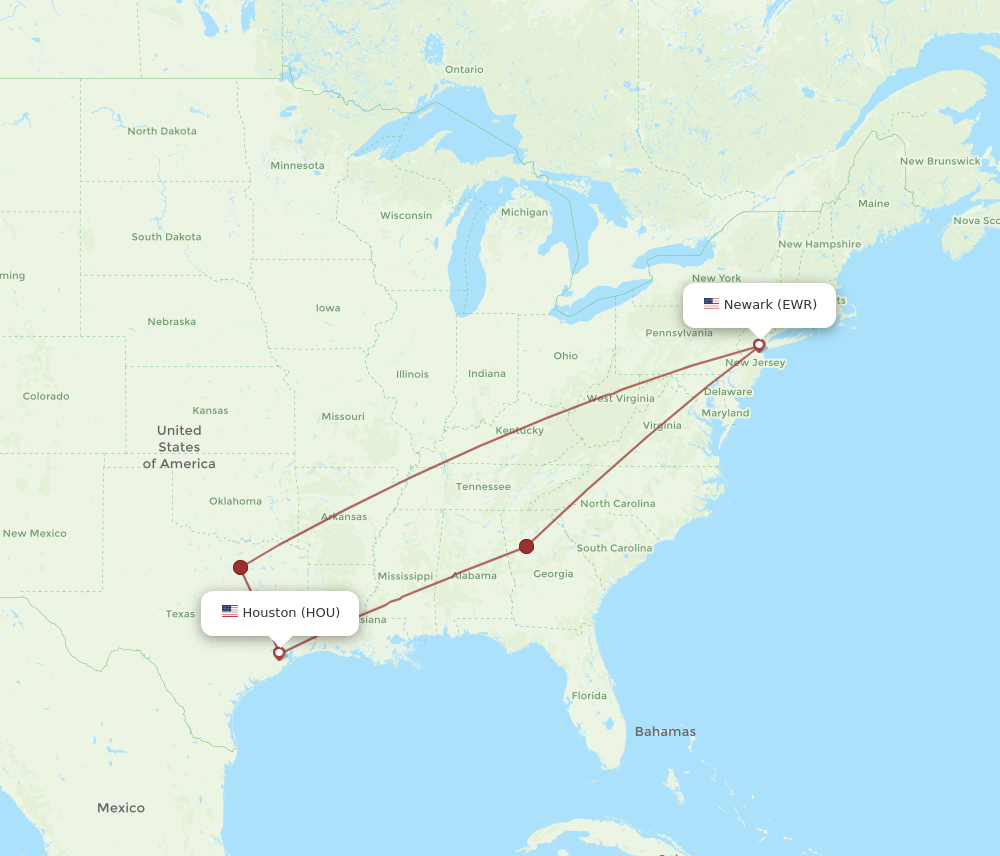
- William P. Hobby Airport (HOU): Primarily served by Southwest Airlines, HOU is a more convenient option for some travelers, especially those looking for budget-friendly travel. While fewer flights to New York originate here compared to IAH, it’s still a possibility.
Airports in New York
The New York metropolitan area is served by three major airports, each offering a distinct experience and serving different airlines and destinations.
- John F. Kennedy International Airport (JFK): One of the busiest international airports in the world, JFK is a major gateway for international and domestic travel. It serves a wide range of airlines and is a hub for Delta Air Lines and American Airlines.
- LaGuardia Airport (LGA): Located closer to Manhattan, LGA is primarily a domestic airport and a focus city for Delta Air Lines and American Airlines. It’s often preferred by travelers seeking proximity to the city center, although it can sometimes experience more congestion.
- Newark Liberty International Airport (EWR): Situated in New Jersey, EWR is part of the New York airport system and is a major hub for United Airlines. It offers good connectivity to Manhattan and the surrounding areas.
When booking your flight, pay close attention to the specific airports involved to ensure it aligns with your accommodation and itinerary.
Beyond the Flight: Total Travel Time and Tips for a Smooth Journey
While the flight duration is a key component, it’s just one part of the overall travel experience from Houston to New York. To truly understand your journey, consider the total time spent from leaving your starting point to arriving at your final destination.
Estimating Total Travel Time
- Getting to the Airport: In Houston, depending on your location and traffic, allow at least 45 minutes to 1.5 hours to reach IAH or HOU.
- Airport Procedures: Arrive at the airport at least 2 hours before a domestic flight. This includes time for parking or dropping off, check-in, and security screening.
- Flight Time: As discussed, typically 2 hours and 45 minutes to 3 hours and 30 minutes for direct flights.
- Deplaning and Baggage Claim: Upon arrival in New York, deplaning can take 15-30 minutes, and collecting checked baggage can add another 20-45 minutes.
- Getting to Your New York Destination: From JFK, LGA, or EWR, reaching your hotel or final destination in New York can take anywhere from 45 minutes to 1.5 hours or more, depending on traffic, the airport chosen, and your specific location in the city. Public transportation options like the AirTrain, subway, and various bus services are available, but so are taxis and ride-sharing services, each with its own time and cost implications.
Therefore, a direct flight from Houston to New York could realistically translate to a total travel time of 5 to 8 hours from door to door.
Making the Most of Your New York Trip
Once you’ve landed and settled into your accommodation – whether it’s a luxury suite at the Plaza Hotel, a charming boutique hotel in Greenwich Village, or a budget-friendly apartment near Times Square – the possibilities for exploration are endless.
New York City is a treasure trove of experiences:
- Iconic Landmarks: Marvel at the grandeur of the Empire State Building, walk across the majestic Brooklyn Bridge, or stand in awe at the Statue of Liberty.
- World-Class Museums: Immerse yourself in art and history at the Metropolitan Museum of Art, explore scientific wonders at the American Museum of Natural History, or delve into modern art at MoMA.
- Culinary Delights: From street food vendors serving classic New York bagels and hot dogs to Michelin-starred restaurants offering diverse global cuisines, the city is a food lover’s paradise. Explore the vibrant food scene in neighborhoods like Chinatown or Little Italy.
- Vibrant Culture and Entertainment: Catch a Broadway show, experience the electric atmosphere of Times Square, or enjoy a peaceful stroll through Central Park.
Whether you’re seeking luxury experiences, family-friendly adventures, or a solo exploration, New York offers an unparalleled travel destination. Understanding the flight duration is the first step in unlocking the magic of this incredible city.
LifeOutOfTheBox is a participant in the Amazon Services LLC Associates Program, an affiliate advertising program designed to provide a means for sites to earn advertising fees by advertising and linking to Amazon.com. Amazon, the Amazon logo, AmazonSupply, and the AmazonSupply logo are trademarks of Amazon.com, Inc. or its affiliates. As an Amazon Associate we earn affiliate commissions from qualifying purchases.