
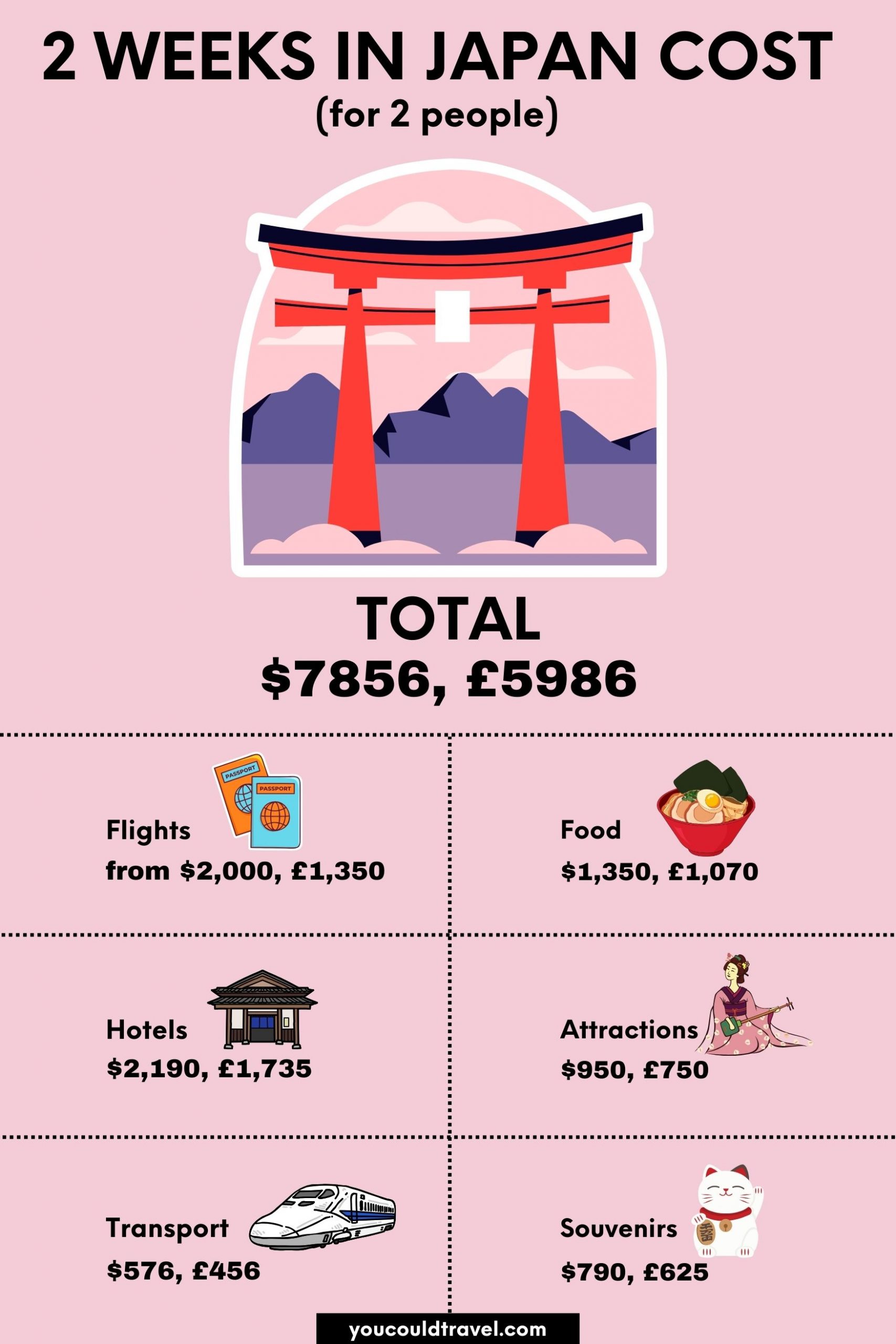
Navigating the accommodation market in Japan requires a nuanced understanding of a landscape that ranges from futuristic minimalist pods to centuries-old traditional inns. For many travelers, the primary concern when planning a trip to the Land of the Rising Sun is the budget, specifically regarding where they will rest their heads. The cost of a hotel in Japan is not a fixed figure but a spectrum influenced by seasonality, location, and the specific type of lodging experience desired. Whether you are looking for a functional base in Tokyo or a luxury escape in Kyoto, understanding the tiers of the Japan accommodation market is essential for financial planning and a comfortable stay.
Deciphering the Tiers of Japanese Accommodation
The diversity of lodging in Japan is arguably the widest in the world. To estimate costs accurately, one must first identify which category of accommodation suits their needs. The market is broadly divided into budget solutions, functional mid-range options, traditional cultural stays, and high-end luxury properties.
Capsule Hotels and Hostels
For solo travelers or those on a strict budget, capsule hotels are a quintessentially Japanese solution. Originally designed for businessmen who missed the last train, these have evolved into stylish, modern facilities. On average, a capsule in a city like Osaka or Nagoya will cost between $25 and $50 per night. High-end capsule chains like 9 Hours or First Cabin offer a more premium experience with better amenities, often leaning toward the $50 mark. Hostels, while less common than in Europe, provide dormitory beds for similar rates, usually ranging from $20 to $45.
Business Hotels: The Mid-Range Standard
The backbone of the Japanese accommodation industry is the “business hotel.” These are clean, efficient, and often located near major train stations like Shinjuku Station or Umeda Station. Brands such as Toyoko Inn, Apa Hotels, and Dormy Inn dominate this sector. Expect to pay between $70 and $130 per night for a double or twin room. While the rooms are famously compact, they are equipped with every necessity, including high-quality toiletries, pajamas, and high-speed internet. Dormy Inn properties are particularly popular because they often feature an onsen (hot spring bath) for guests, providing exceptional value.
Ryokans: Traditional Cultural Stays
A stay at a Ryokan is more than just a room; it is an immersive cultural experience. These traditional inns feature tatami floors, futon bedding, and often include elaborate multi-course kaiseki dinners. Prices for a reputable Ryokan in areas like Hakone or Arashiyama typically start at $150 per person, per night, and can easily climb to $600 or more for high-end establishments. Because many Ryokan rates include two meals, the “hotel cost” must be viewed through the lens of a comprehensive hospitality package.
Luxury Hotels and International Chains
For those seeking western-style luxury, major cities offer a plethora of five-star options. Properties like the Park Hyatt Tokyo, the Ritz Carlton Kyoto, and the Aman Tokyo represent the pinnacle of the market. Rates for these world-class hotels generally start at $500 per night and frequently exceed $1,200 during peak periods. These hotels provide expansive views of landmarks like the Tokyo Skytree or Imperial Palace and offer service levels that are among the highest globally.
Regional Price Variations Across Japan
Geography plays a significant role in determining accommodation costs. A dollar goes much further in the rural prefectures of Kyushu or Tohoku than it does in the neon-lit districts of Tokyo.
The Tokyo Premium
As the capital and primary entry point for international visitors, Tokyo commands the highest prices. Staying in popular districts such as Ginza, Shibuya, or Roppongi will naturally inflate your budget. A standard business hotel that costs $80 in Fukuoka might easily cost $140 in Shinjuku. To save money while staying in the capital, many travelers look toward wards like Adachi or Edogawa, which are well-connected by the Yamanote Line or the Tokyo Metro but offer significantly lower rates.
Kyoto’s Seasonal Volatility
Kyoto is a unique market where prices fluctuate wildly based on the cultural calendar. Because the city has strict building height limits to protect its historic skyline, the supply of hotel rooms is tighter than in Tokyo. During the cherry blossom season or the Gion Matsuri, a mid-range hotel in Kyoto can see its nightly rate triple. Conversely, in the heat of late August or the cold of January, Kyoto can offer some of the best luxury-for-value deals in the country.

Value in Osaka and Sapporo
Osaka is often considered the budget-friendly alternative to Tokyo. The city has a massive inventory of hotels, and competition keeps prices lower. Travelers often choose to stay in Osaka and take the train to Nara or Kyoto to save on lodging costs. Similarly, Sapporo in Hokkaido offers excellent value outside of the Sapporo Snow Festival period, with high-quality rooms available for significantly less than their counterparts in central Honshu.
Timing and Seasonality: When You Book Matters
In Japan, when you visit is just as important as where you stay when it comes to the final bill. The Japanese travel market is heavily influenced by domestic holiday patterns and seasonal aesthetics.
Peak Periods to Watch
There are three major periods where hotel prices skyrocket and availability plummets. The first is Golden Week (late April to early May), a cluster of national holidays when the entire country travels. The second is the Obon festival in mid-August. The third is the New Year period. Additionally, the “Sakura” (cherry blossom) season in late March and the “Koyo” (autumn leaves) season in November attract millions of international tourists, driving rates to their annual highs. During these times, even a modest Toyoko Inn might double its usual rates.
The Benefits of Off-Peak Travel
If budget is a primary concern, traveling during the “shoulder” seasons—such as mid-January to February (excluding ski resorts in Niseko) or the rainy season in June—can result in substantial savings. Hotels often run promotional rates on booking platforms like Agoda or Bookingcom to fill rooms during these quieter months. It is not uncommon to find four-star accommodations at two-star prices during the winter months in cities like Hiroshima or Kanazawa.
Booking Strategies and Lead Times
Japanese hotels typically open their booking windows six months in advance. While last-minute deals can sometimes be found in Tokyo, it is generally riskier in Japan than in other countries. For the best rates, booking directly through the hotel’s official website can sometimes yield “member only” discounts that are not available on third-party aggregators. Furthermore, staying on weekdays (Sunday through Thursday) is significantly cheaper than Friday and Saturday nights, when domestic leisure travel peaks.
Factors That Influence the Final Price Tag
Beyond the base room rate, several factors can influence the total cost of your accommodation in Japan. Being aware of these can help you avoid “sticker shock” at checkout.
Occupancy-Based Pricing
Unlike many Western countries where a room is priced regardless of whether one or two people stay in it, Japanese hotels often charge per person. This is especially true in Ryokans and traditional hotels. When searching for prices, always ensure you have selected the correct number of guests, as the price for two people can be nearly double the price for one, even if they are sharing the same bed.
Location and Proximity to Transit
In Japan, convenience has a literal price. Hotels located within a five-minute walk of a major station like Kyoto Station or Nagoya Station will always carry a premium. If you are willing to walk 15 minutes or take a short bus ride, the price of a comparable room can drop by 20% to 30%. However, for many, the time saved and the ease of navigating the Japan Rail system justify the extra cost of a station-side hotel.
Hidden Fees and Taxes
Most quoted prices in Japan now include the 10% consumption tax, but it is always worth verifying. Additionally, some cities have implemented a “lodging tax” or “accommodation tax.” In Tokyo, this is usually 100 to 200 yen per person per night. In Kyoto, it can range from 200 to 1,000 yen depending on the room rate. While these amounts are small, they are often collected separately at the front desk. For those staying at an onsen resort, there is also a standard “bath tax” (usually 150 yen) for the maintenance of the hot spring facilities.
Room Size and “Semi-Double” Beds
When comparing prices, pay close attention to the room size in square meters. Budget hotels often offer “Semi-Double” rooms, which feature a bed slightly larger than a single but smaller than a standard double. These are the cheapest options for couples, but they can be very cramped. Upgrading to a “Standard Double” or “Twin” room usually costs an additional $20 to $40 per night but provides significantly more living space and a larger bed.
By carefully considering the type of accommodation, the specific region, and the timing of the visit, travelers can find a hotel in Japan that fits their budget without sacrificing the quality of their experience. From the high-tech efficiency of Yokohama business hubs to the serene luxury of Mount Fuji retreats, the Japanese hotel market offers something for every price point, provided you know where and when to look.
LifeOutOfTheBox is a participant in the Amazon Services LLC Associates Program, an affiliate advertising program designed to provide a means for sites to earn advertising fees by advertising and linking to Amazon.com. Amazon, the Amazon logo, AmazonSupply, and the AmazonSupply logo are trademarks of Amazon.com, Inc. or its affiliates. As an Amazon Associate we earn affiliate commissions from qualifying purchases.