
Embarking on a transatlantic journey from the bustling metropolis of New York to the romantic heart of France, Paris, is an iconic travel experience. For many, the first logistical question that arises is precisely that: “How long is a flight from New York to Paris?” While seemingly straightforward, the answer is nuanced, influenced by a confluence of factors that can subtly alter your time in the air.
This journey, a staple for both business and leisure travelers, bridges two vastly different yet equally captivating cultures. From the towering skyscrapers of Manhattan to the charming cobblestone streets of Montmartre, the transition is significant, and understanding the flight duration is a crucial piece of the planning puzzle. Whether you’re an avid traveler seeking to maximize your Parisian adventures or a first-timer anxious about the long haul, this guide will demystify the flight times, explore the variables at play, and offer insights to make your transatlantic crossing as smooth and efficient as possible. We’ll delve into the typical flight durations, examine the impact of different departure and arrival airports, discuss the role of aircraft type and airline, and touch upon the ever-present influence of weather and air traffic control. By the end of this exploration, you’ll have a comprehensive understanding of what to expect when booking your flight from New York to Paris, ensuring your trip planning is as seamless as your journey across the Atlantic.
Understanding the Typical Flight Duration
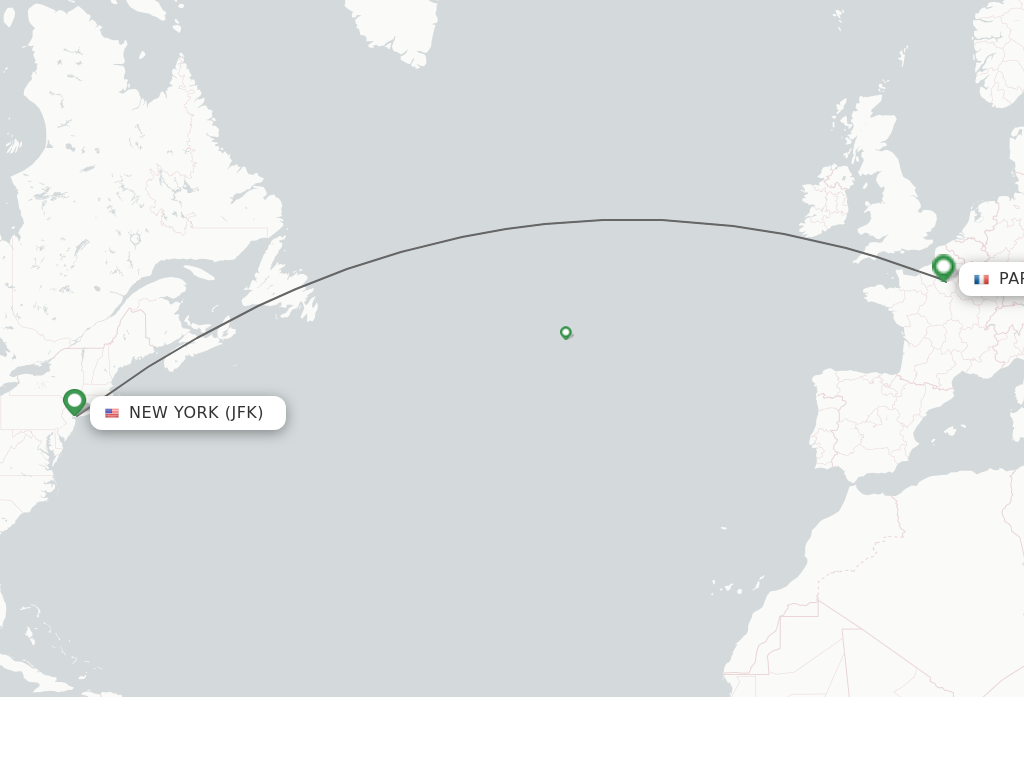
When considering the flight time between New York and Paris, it’s essential to establish a baseline. On average, a non-stop flight from the major New York area airports to Paris typically ranges from 7 to 8 hours. This figure represents the “wheels-up” to “wheels-down” time, meaning it excludes the time spent taxiing to and from the gate, boarding, and disembarking.
Several factors contribute to this average. The distance between the two cities is approximately 3,600 miles (5,800 kilometers). Commercial aircraft, such as those operated by Delta Air Lines, Air France, and United Airlines, cruise at speeds generally between 500 and 550 miles per hour. This allows for the relatively swift journey. However, it’s crucial to remember that this is an average, and actual flight times can fluctuate.
Direct vs. Connecting Flights
The most significant determinant of your total travel time will be whether you opt for a direct flight or a connecting flight.
Direct Flights: The Fastest Route
A direct flight, often referred to as a non-stop flight, is the most time-efficient way to travel from New York to Paris. These flights bypass any intermediate stops, taking you directly from your departure gate in New York to your arrival gate in Paris. As mentioned, the flight duration for these services typically falls within the 7 to 8-hour window. For travelers prioritizing speed and minimizing travel time, a direct flight is undoubtedly the preferred option. Airlines like Air France, Delta Air Lines, and United Airlines commonly operate direct routes between these two major cities.
Connecting Flights: Potential for Longer Travel Times
Connecting flights involve a stopover in a third city, where you will deplane and then re-board a different aircraft to complete your journey to Paris. While connecting flights can sometimes be more budget-friendly, they invariably add significant time to your overall travel duration. The total travel time for a connecting flight can range from 11 hours to well over 20 hours, depending on the length of the layover.
The time spent on a connecting flight includes:
- Flight time to the connecting city: This can vary widely depending on the chosen route.
- Layover duration: This is the time you spend at the intermediate airport, waiting for your next flight. Layovers can range from a couple of hours to many hours, or even overnight.
- Flight time from the connecting city to Paris: This segment will be shorter than the initial transatlantic leg.
When considering connecting flights, it’s vital to factor in the potential for delays during the initial flight, which could impact your ability to make your connecting flight. Always check the total travel time advertised by the airline, not just the individual flight segments, to get an accurate picture of your journey.
Factors Influencing Flight Duration
While the 7 to 8-hour average for direct flights is a good benchmark, several critical factors can influence the actual time spent in the air. Understanding these variables can help you set realistic expectations for your journey.
Departure and Arrival Airports
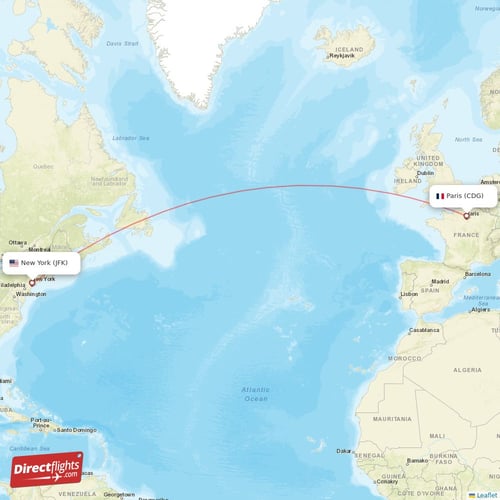
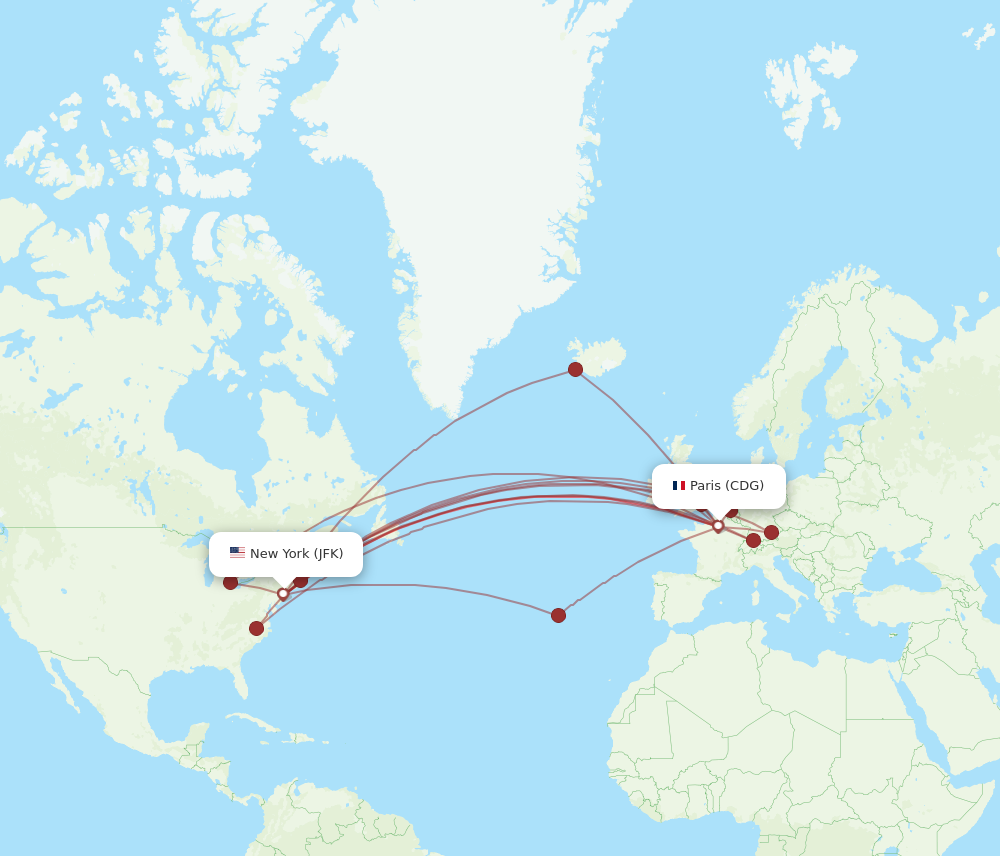
The specific airports chosen for your departure and arrival can have a minor impact on flight duration. New York is served by three major international airports: John F. Kennedy International Airport (JFK), Newark Liberty International Airport (EWR), and LaGuardia Airport (LGA). LGA primarily handles domestic flights, so flights to Paris will depart from JFK or EWR.
Similarly, Paris is served by two main international airports: Charles de Gaulle Airport (CDG) and Paris Orly Airport (ORY). Most long-haul international flights, including those from New York, arrive at CDG, the larger and more prominent of the two. The precise geographical distance between the chosen airports, while marginal, can contribute to slight variations in flight time. For instance, a flight departing from JFK to CDG might differ by a few minutes from a flight departing from EWR to the same destination.
Aircraft Type and Airline
The type of aircraft used for the flight and the specific airline operating the route can also play a role in determining flight duration. Modern wide-body jets, such as the Boeing 777, Boeing 787 Dreamliner, or Airbus A350, are common on transatlantic routes and are designed for high-speed, efficient travel. The cruising speed and aerodynamic efficiency of these aircraft can influence how quickly they cover the distance.
Airlines may also choose different flight paths based on their operational strategies and the specific aircraft assigned to the route. While regulatory bodies and air traffic control dictate general flight corridors, there can be some flexibility. Consequently, the speed of the aircraft and the airline’s chosen flight path can contribute to minor differences in flight times between various carriers.
Jet Streams and Weather Conditions
Perhaps the most significant variable influencing flight duration, beyond the choice of direct or connecting flights, is the presence and strength of jet streams. Jet streams are fast-flowing, narrow air currents found in the Earth’s atmosphere. For flights traveling eastward from New York to Paris, pilots will often try to take advantage of the prevailing westerly jet stream.
- Tailwinds: When flying with the jet stream, the aircraft experiences a “tailwind,” which effectively pushes it along, increasing its ground speed and thus reducing the flight time. A strong tailwind can shave off anywhere from 30 minutes to over an hour from the total flight duration.
- Headwinds: Conversely, if an aircraft encounters a headwind (flying against the direction of the jet stream), it will slow the aircraft down, increasing the flight time. While airlines strive to avoid this when possible, it can happen.
In addition to jet streams, general weather conditions across the Atlantic can also influence flight times. Severe weather, such as storms or turbulence, might necessitate minor route adjustments to ensure passenger comfort and safety, potentially adding a small amount of time to the journey. Air traffic control in both the United States and Europe also plays a role in managing air traffic flow, which can sometimes lead to minor delays or adjustments in flight paths.
Maximizing Your Travel Experience
Understanding the nuances of flight times is just one part of planning your journey. To truly enhance your travel experience from New York to Paris, consider how you can make the most of your time, both in the air and upon arrival.
Preparing for Your Flight
A little preparation can go a long way in making your transatlantic flight more comfortable and enjoyable.
- Choose your seat wisely: If possible, select a seat that suits your needs. Window seats offer a view, while aisle seats provide easier access to the restroom and for stretching your legs. For those sensitive to noise or seeking undisturbed rest, consider seats away from galleys and lavatories. Many airlines, including Air France and Delta Air Lines, offer different seating classes, from economy to business and first class, each with varying levels of comfort and amenities.
- Pack smart: Bring essentials like a neck pillow, eye mask, earplugs, and comfortable clothing. Staying hydrated is also crucial, so bring an empty reusable water bottle to fill after security. Entertainment is key; download movies, music, or podcasts before you leave, although most long-haul flights offer in-flight entertainment systems.
- Jet lag management: The time difference between New York (typically Eastern Daylight Time or Eastern Standard Time) and Paris (Central European Time or Central European Summer Time) is usually 6 hours. To combat jet lag, try to adjust your sleep schedule a day or two before your departure. On the flight, try to sleep during the local night time in Paris.
Exploring Paris Upon Arrival
Once you touch down at Charles de Gaulle Airport (CDG) or Paris Orly Airport (ORY), the magic of Paris awaits.
- Transportation from the airport: Various options are available to get you into the city center. The RER B train is an efficient and popular choice from CDG. Taxis and ride-sharing services are also readily available.
- Accommodation: Paris offers a vast array of accommodation options to suit every budget and style. From luxurious hotels like The Ritz Paris and opulent resorts to charming boutique hotels in the Marais district, or even cozy apartments for longer stays, you’ll find the perfect base. Consider your planned activities when choosing a location. Staying near iconic landmarks like the Eiffel Tower or the Louvre Museum offers convenience for sightseeing.
- First experiences: Depending on your arrival time, you might want to ease into your Parisian experience. A leisurely stroll along the Seine River, a visit to a local café for a croissant and coffee, or an early evening visit to a picturesque neighborhood like Montmartre can be a wonderful introduction. For those arriving with energy to spare, a visit to the Eiffel Tower or a walk through the Champs-Élysées could be on the agenda.
Ultimately, knowing that a typical direct flight from New York to Paris is around 7 to 8 hours allows you to better plan your departure and arrival times, ensuring you can maximize every moment of your adventure in the City of Lights.
LifeOutOfTheBox is a participant in the Amazon Services LLC Associates Program, an affiliate advertising program designed to provide a means for sites to earn advertising fees by advertising and linking to Amazon.com. Amazon, the Amazon logo, AmazonSupply, and the AmazonSupply logo are trademarks of Amazon.com, Inc. or its affiliates. As an Amazon Associate we earn affiliate commissions from qualifying purchases.