
Central Park, a verdant oasis carved into the heart of Manhattan, is one of the most iconic and beloved landmarks in the United States. More than just a park, it’s a vital green lung for a bustling metropolis, a sanctuary for wildlife, and a playground for millions of visitors each year. Its vast expanse offers a welcome respite from the urban clamor, providing space for recreation, relaxation, and a deep connection with nature. For many, understanding the sheer scale of this magnificent creation is key to appreciating its significance. So, how many acres does Central Park encompass? The answer, which underpins its grandeur and its diverse offerings, is a substantial 843 acres.

This impressive figure might seem like a simple statistic, but it represents a monumental feat of urban planning and landscape architecture. When you consider that this sprawling park sits in the middle of one of the most densely populated cities in the world, its existence becomes even more remarkable. The visionaries who conceived and designed Central Park aimed to create a space that would serve the diverse needs of New Yorkers, from quiet contemplation to lively public gatherings. The 843 acres are meticulously managed and maintained, ensuring that every corner, from the manicured lawns to the rugged rocky outcrops, contributes to the park’s overall charm and functionality.
The story of Central Park’s creation is as fascinating as its current-day presence. In the mid-19th century, as New York City rapidly expanded, the need for a large public park became increasingly apparent. Land was scarce and expensive, and the idea of dedicating such a vast parcel for public use was ambitious. Yet, the visionaries prevailed, and the land that would become Central Park was acquired by the city. The subsequent design competition, won by Frederick Law Olmsted and Calvert Vaux, set the stage for a masterpiece of landscape design that has endured for over a century and a half. Their genius lay in creating a park that felt natural and organic, despite being an entirely man-made construct within a grid-like city. The 843 acres were sculpted and shaped to incorporate a variety of landscapes, from serene lakes and winding paths to open meadows and dense woodlands.
The Expansive Realm of Central Park: Size and Scope
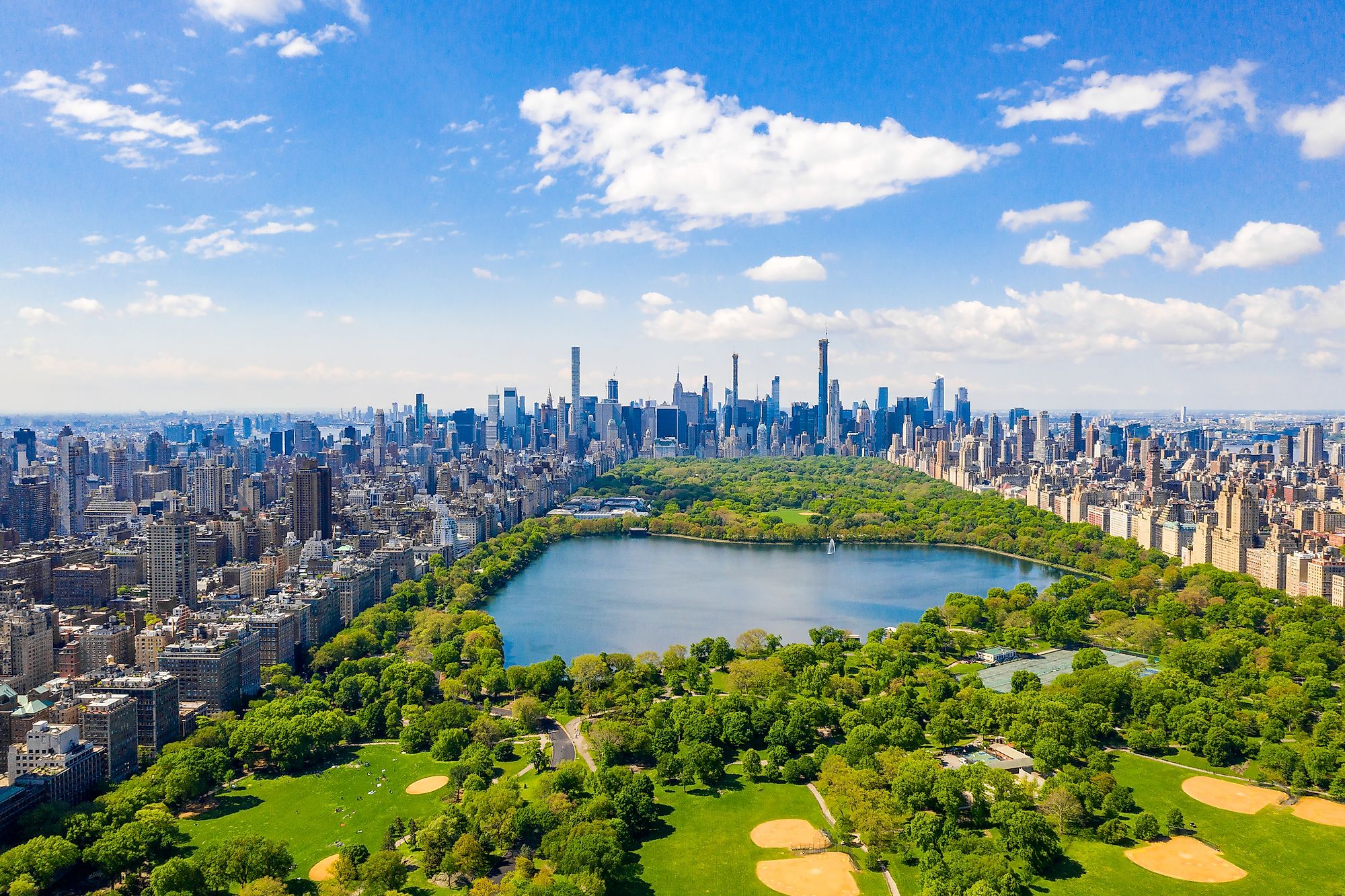
The sheer immensity of Central Park, covering 843 acres, is a fundamental aspect that dictates its character and the breadth of experiences it offers. This vastness allows for the intricate layering of different environments and activities, ensuring that the park can cater to a myriad of interests and needs. It’s not just about the number of acres; it’s about how those acres are utilized to create a dynamic and multi-faceted urban sanctuary.
A Generous Canvas for Recreation and Relaxation
The 843 acres of Central Park are a generous canvas upon which countless recreational activities unfold daily. From the early morning joggers and cyclists tracing the park’s perimeter to families picnicking on the Great Lawn and children exploring the playgrounds, the park is a hive of activity. The extensive network of paths, comprising over 58 miles of paved and unpaved trails, facilitates walking, running, and cycling, allowing visitors to traverse large distances within the park’s boundaries.
Sports enthusiasts have ample space to indulge their passions. Baseball fields dot the landscape, inviting impromptu games and organized leagues. Basketball courts buzz with energy, while tennis courts offer a more structured athletic pursuit. For those seeking water-based recreation, the numerous lakes and ponds, such as the iconic Jacqueline Kennedy Onassis Reservoir and the serene Pond, provide opportunities for boating, rowing, and even ice skating in the winter months. The scale of these water bodies, integrated within the 843 acres, adds to the park’s picturesque beauty and offers a sense of escape that is hard to find in such an urban setting.
Beyond organized sports, the open meadows, like the aforementioned Great Lawn and Sheep Meadow, offer vast expanses of green where people can simply spread out a blanket, read a book, fly a kite, or engage in casual games. These large, open spaces are a direct benefit of the park’s substantial acreage, providing a crucial antidote to the city’s verticality and density. The ability to find quiet corners or vibrant gathering spots within the same 843 acres is a testament to the thoughtful design and the sheer generosity of its size.
Natural Havens Within the Urban Jungle
Within the 843 acres of Central Park lies a surprising diversity of natural habitats, carefully preserved and managed to support a rich ecosystem. Despite its urban location, the park is a critical migratory bird stopover point, attracting ornithologists and nature lovers alike. Over 200 species of birds have been recorded within its borders, with prominent birdwatching spots like the Ramble providing dense woodlands and varied terrain that mimic natural environments.
The woodland areas, such as the Ramble and the North Woods, are meticulously maintained to provide a sense of wilderness. These sections, with their mature trees, winding streams, and rocky outcrops, offer a stark contrast to the manicured lawns and are a vital component of the park’s ecological health. The 843 acres allow for these distinct ecological zones to coexist, creating a microclimate that supports a surprising array of flora and fauna.
Water features, from the tranquil Bow Bridge reflecting the skyline to the expansive Harlem Meer, are not just aesthetically pleasing but also support aquatic life. The preservation of these natural elements within such a developed area is a testament to the foresight of the park’s designers and the ongoing commitment to its stewardship. The 843 acres provide the necessary space to nurture these natural havens, offering a tangible connection to the natural world for city dwellers and visitors.
Exploring the Iconic Landmarks within Central Park’s 843 Acres
The 843 acres of Central Park are not just a blank canvas; they are dotted with numerous iconic landmarks, each with its own unique history and appeal. These famous places contribute significantly to the park’s identity and draw millions of visitors annually, making it a prime destination for sightseeing and cultural exploration.
A Gallery of Statues, Monuments, and Architectural Gems
Central Park is an open-air museum, featuring a remarkable collection of statues, monuments, and architectural features that enhance its beauty and historical significance. The Bethesda Terrace and Fountain, with its magnificent Angel of the Waters statue, is perhaps one of the most recognizable and photographed spots, a true testament to the artistry that adorns the park.
The John Lennon Memorial, Strawberry Fields, offers a poignant tribute to the legendary musician, with its iconic “Imagine” mosaic serving as a focal point for remembrance and reflection. Further north, the Balto statue commemorates the heroic sled dog, a beloved spot for children and animal lovers. The Alice in Wonderland statue, a whimsical bronze sculpture, invites imaginative play and storytelling.
Architectural marvels are also scattered throughout the park. Belvedere Castle, perched atop Vista Rock, offers panoramic views and a touch of whimsical charm, serving as a popular spot for photography and a weather station. The architectural styles vary, reflecting different eras of the park’s development and adding to its eclectic allure. From the grand boulevards to the intimate glades, the 843 acres are thoughtfully integrated with these man-made artistic and architectural elements, creating a harmonious blend of nature and human creativity.
The Heartbeat of New York: Central Park’s Role in Tourism and Lifestyle
The 843 acres of Central Park are inextricably linked to the tourism and lifestyle of New York City. It serves as a central hub for a multitude of activities, drawing visitors from around the globe and shaping the daily lives of New Yorkers.
A Premier Tourist Destination
Central Park is consistently ranked among the top attractions in New York City and the United States. Its appeal lies in its sheer accessibility and the diverse range of experiences it offers. Tourists flock to the park to escape the concrete jungle, to capture iconic photographs, and to immerse themselves in the vibrant atmosphere. The park’s proximity to world-class museums like the Metropolitan Museum of Art and the American Museum of Natural History, as well as luxury hotels like The Plaza and The Pierre, further solidifies its status as a must-visit destination.
Guided tours of Central Park are a popular way for visitors to learn about its history, design, and key landmarks, ensuring that the stories behind the 843 acres are shared with an appreciative audience. Whether it’s a walking tour, a bike tour, or a horse-drawn carriage ride, these experiences highlight the park’s multifaceted appeal and its importance as a cultural touchstone.

Shaping Urban Lifestyle and Luxury Experiences
Beyond tourism, Central Park profoundly influences the lifestyle of New York City residents. It’s a communal backyard, a place for exercise, social gatherings, and a source of daily inspiration. The surrounding neighborhoods, known for their high-end residences and prestigious hotels, are intrinsically linked to the park’s existence. Residents and visitors alike can enjoy a variety of amenities, from fine dining establishments with park views to quaint cafes and bustling marketplaces located just a stone’s throw away.
The concept of luxury travel is often associated with New York City, and Central Park plays a significant role in this perception. The ability to step from a opulent hotel suite into a vast, beautifully landscaped park is a quintessential New York City experience. The park offers a serene backdrop for luxurious picnics, private events, and leisurely strolls, enhancing the overall allure of upscale urban living and high-end tourism. The 843 acres provide the space for these diverse lifestyle elements to flourish, making Central Park an indispensable part of the New York City narrative.
LifeOutOfTheBox is a participant in the Amazon Services LLC Associates Program, an affiliate advertising program designed to provide a means for sites to earn advertising fees by advertising and linking to Amazon.com. Amazon, the Amazon logo, AmazonSupply, and the AmazonSupply logo are trademarks of Amazon.com, Inc. or its affiliates. As an Amazon Associate we earn affiliate commissions from qualifying purchases.