
Embarking on a journey from the vast landscapes of Texas to the neon-lit corridors of Las Vegas is more than just a transition between two points on a map; it is a quintessential American odyssey. Whether you are planning a high-speed flight across the Southwest or a meditative road trip through the high deserts, understanding the logistics of this trip is essential. Because Texas is the second-largest state in the United States, the answer to “how far” depends entirely on your starting point. From the piney woods of East Texas to the mountainous terrain of West Texas, the distance to Nevada varies significantly, offering diverse travel experiences for every type of adventurer.

Mapping the Distance: Calculating the Gap
When quantifying the distance between the Lone Star State and the Entertainment Capital of the World, one must first consider the sheer scale of the geography involved. The United States is home to vast stretches of uninhabited beauty, and the route between these two regions showcases some of the most dramatic terrain in North America.
Air Travel: The Fastest Connection
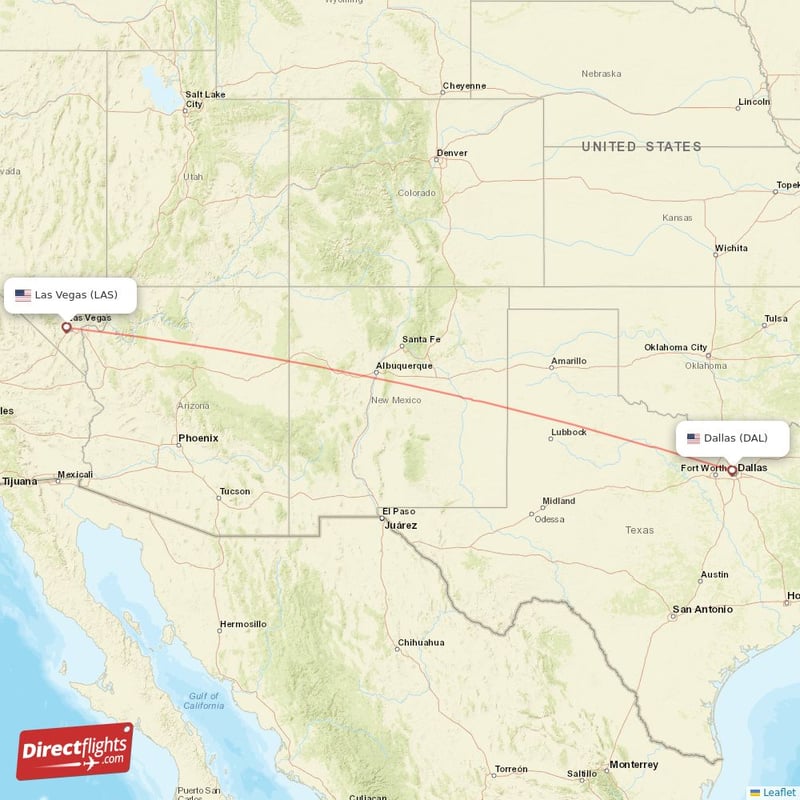
For most travelers, flying is the preferred method of bridging the gap. From Dallas, a flight to Harry Reid International Airport typically takes about two hours and forty-five minutes, covering a flight path of approximately 1,060 miles. If you are departing from Houston, the journey is slightly longer, spanning roughly 1,220 miles and requiring about three hours of air time.
Austin and San Antonio offer similar flight durations, making the Silver State easily accessible for a weekend getaway. Major carriers like Southwest Airlines and American Airlines provide frequent daily non-stop flights, ensuring that the physical distance feels much shorter than the mileage suggests.
The Road Trip: Mileage and Duration
Driving from Texas to Las Vegas is a significant undertaking that requires careful planning. From El Paso, which sits on the western tip of the state, the drive is approximately 720 miles and can be completed in about 11 hours of straight driving via Interstate 10 and US-93.
However, if you are starting in Dallas or Fort Worth, the road trip extends to nearly 1,200 miles, translating to roughly 18 to 20 hours of driving time. From the coastal city of Galveston, the journey can exceed 1,500 miles. Given these distances, most travelers opt to split the drive over two or three days, turning the commute into an immersive exploration of the American West.
Choosing Your Route: Iconic Pathways Across the Desert
There is no single “correct” way to drive to Las Vegas from Texas. Depending on your interests—whether they involve historic highways, mountainous vistas, or quirky roadside attractions—you have several distinct paths to choose from.
The Northern Route: Historic Route 66 and I-40
Starting from North Texas or the Panhandle, the most common route follows Interstate 40. This path takes you directly through Amarillo, where you can experience the rugged beauty of the Texas Panhandle. As you cross into New Mexico, the landscape shifts into high-desert plateaus and red rock formations.
This route is famous for paralleling the historic Route 66. Travelers will pass through Albuquerque and Flagstaff, offering ample opportunities to experience the indigenous cultures and mid-century Americana that define this corridor. It is a route filled with nostalgia, neon signs, and wide-open skies that seem to stretch on forever.
The Southern Route: The Heart of the Chihuahuan Desert
For those departing from Central Texas or South Texas, the southern path along Interstate 10 is more logical. This route takes you through the vast expanse of the Chihuahuan Desert, passing through El Paso and into Arizona.
This drive is characterized by dramatic mountain silhouettes and the unique flora of the Sonoran Desert as you approach Tucson and Phoenix. From Phoenix, a northward turn onto US-93 leads you directly toward the Nevada border. This route is often preferred in the winter months, as it stays at lower elevations and is less likely to encounter the snowstorms that can occasionally impact the northern mountain passes.

Must-Visit Landmarks and Natural Wonders
The distance between Texas and Las Vegas is peppered with some of the most famous landmarks in the world. Integrating these stops into your itinerary transforms a long haul into a memorable vacation.
Geological Marvels and National Parks
One of the greatest advantages of the northern route is the proximity to Grand Canyon National Park. A slight detour from Williams or Flagstaff allows you to witness one of the Seven Natural Wonders of the World. Additionally, the Petrified Forest National Park in Arizona offers a surreal landscape of fossilized trees and the vibrant hues of the Painted Desert.
On the southern route, travelers can stop at White Sands National Park near Alamogordo. The glistening gypsum dunes provide a stark, ethereal contrast to the surrounding dark mountains. For those with a bit more time, the Saguaro National Park in Tucson showcases the iconic giant cacti that are synonymous with the American West.
Engineering Feats and Cultural Stops
As you approach Las Vegas, a stop at the Hoover Dam is almost mandatory. This massive concrete structure, situated on the border of Arizona and Nevada, impounds Lake Mead and stands as a testament to human ingenuity during the Great Depression.
In Texas itself, before you truly leave the state behind, the Cadillac Ranch in Amarillo offers a unique participatory art experience. Further west, the Prada Marfa installation near Valentine serves as a lonely, chic sentinel in the desert, perfect for a brief photo op before continuing toward the Mojave Desert.
Essential Travel Tips for the Trans-Southwestern Journey
Whether you are navigating the sky or the asphalt, traveling between these two regions requires specific preparation to ensure comfort and safety.
Managing the Desert Climate
The stretch between Texas and Nevada is notorious for its extreme temperatures. During the summer, areas like Needles or Death Valley (which is a popular side trip from Vegas) can see temperatures exceeding 115 degrees Fahrenheit. If driving, ensure your vehicle’s cooling system is in top condition and always carry extra water—not just for yourself, but for your car’s radiator.
Conversely, winter travel can bring unexpected challenges. High-altitude locations like Santa Fe and Flagstaff frequently experience heavy snowfall and icy conditions. Always check the National Weather Service updates before heading out, especially when traversing the mountain passes of New Mexico.
Logistics, Fuel, and Staying Connected
While Interstate 40 and Interstate 10 are major arteries, there are sections of the Southwest where services are sparse. It is a good rule of thumb to never let your fuel tank drop below a quarter, as signs warning “Next Gas 80 Miles” are not uncommon in the desert.
Regarding connectivity, while major cities like Albuquerque and Phoenix have excellent 5G coverage, cellular service can be spotty in the remote stretches of West Texas and eastern Arizona. Downloading offline maps on Google Maps or carrying a physical atlas is a wise precaution for those venturing off the main highway.
Final Thoughts on the Texas to Las Vegas Expedition
The journey from Texas to Las Vegas is a transition from the heart of Cattle Country to the dazzling lights of the Las Vegas Strip. It is a trip that rewards the patient traveler with stunning sunsets, diverse cultural heritage, and a profound sense of the vastness of the United States.
Whether you choose to soar over the Rocky Mountains in a few hours or spend days winding through the historic towns of New Mexico and Arizona, the experience is foundational to the American travel experience. Once you finally see the skyline of Las Vegas rising like a mirage from the Mojave Desert, the hundreds of miles traveled will feel like a necessary prelude to the excitement that awaits. From the first mile in Texas to the last mile in Nevada, the road is yours to discover.
LifeOutOfTheBox is a participant in the Amazon Services LLC Associates Program, an affiliate advertising program designed to provide a means for sites to earn advertising fees by advertising and linking to Amazon.com. Amazon, the Amazon logo, AmazonSupply, and the AmazonSupply logo are trademarks of Amazon.com, Inc. or its affiliates. As an Amazon Associate we earn affiliate commissions from qualifying purchases.