
New York, a state renowned for its iconic skyscrapers, sprawling natural beauty, and rich historical tapestry, is more than just a collection of famous cities and charming towns. It’s a vast and diverse landscape meticulously divided into administrative regions, each with its own character and contributions to the Empire State’s allure. Understanding these divisions, particularly its counties, offers a deeper appreciation for the state’s geography, history, and the myriad of experiences it offers to travelers, residents, and those seeking a lifestyle beyond the ordinary.
The question “How many counties are in New York?” is a fundamental one for anyone looking to navigate the state, plan a trip, or understand its governance. The answer, while seemingly straightforward, unlocks a gateway to exploring the distinct identities of these 62 administrative units. From the bustling metropolis of New York City to the serene Adirondack Mountains, each county plays a vital role in shaping the New York experience.
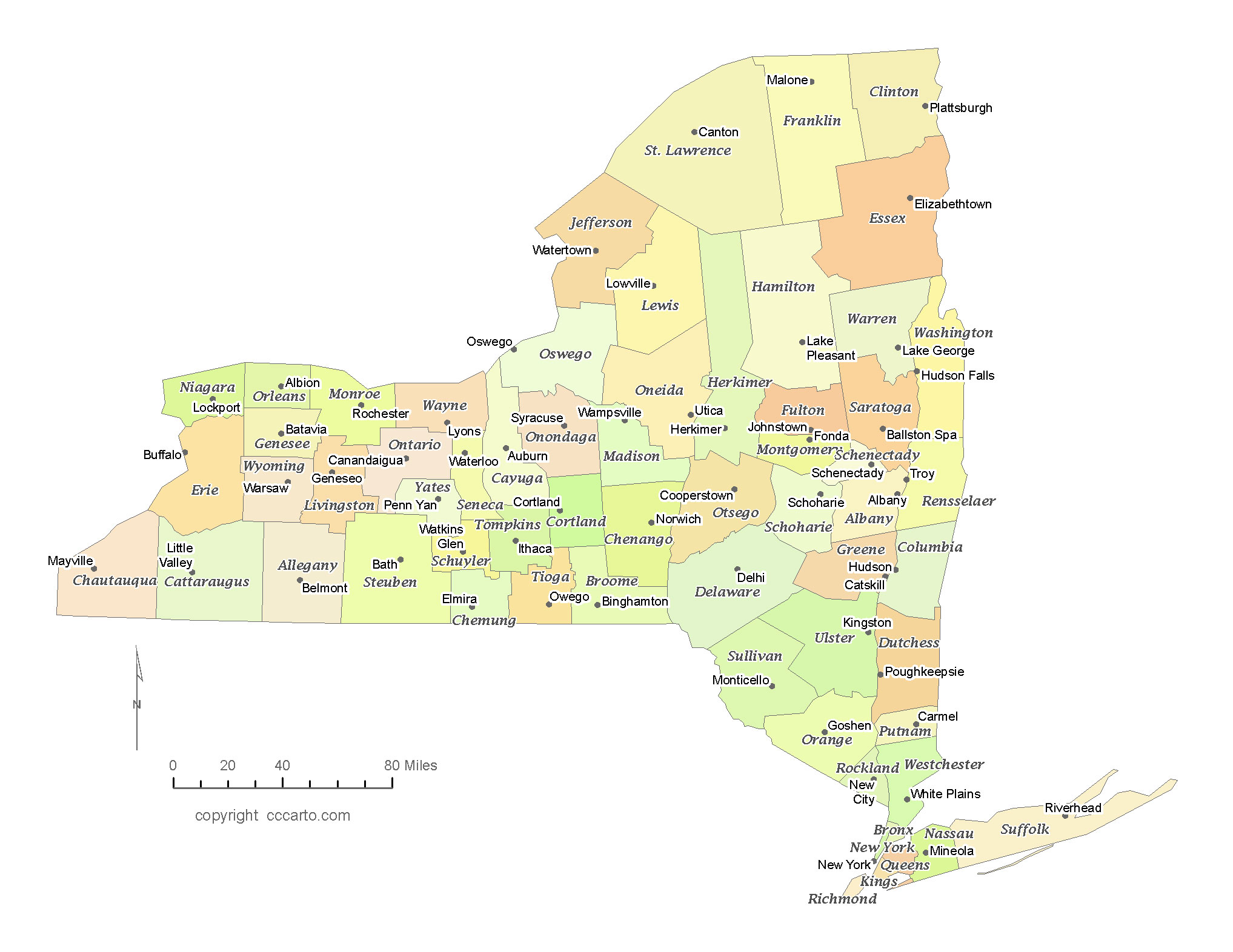
This exploration will delve into the number of counties, their geographical distribution, and how this structure influences travel, accommodation, and the appreciation of New York’s multifaceted tourism and lifestyle offerings. Whether you’re dreaming of a luxurious escape to the Hamptons or planning an adventurous trek through the Catskills, knowing your county can enhance your journey.
Unveiling the Count: The 62 Counties of New York
At its core, the state of New York is comprised of 62 counties. This number represents the fundamental administrative divisions that make up the entire state, from its easternmost tip on Long Island to its western border along the Niagara River. These counties serve as the building blocks for state governance, resource management, and, importantly for travelers, as markers for geographical understanding.
These 62 counties are not uniformly distributed or equal in size or population. They range from the densely populated urban cores of New York County (Manhattan) to vast, sparsely inhabited wilderness areas in the northern part of the state. This diversity in scale and character is precisely what makes New York such a compelling destination.
Geographical Distribution and Regional Identity
The 62 counties can be broadly categorized into distinct regions, each offering a unique flavor of the Empire State:
-
New York City Metropolitan Area: This region includes the five boroughs of New York City, which are themselves counties: New York County (Manhattan), Kings County (Brooklyn), Queens County (Queens), Bronx County (The Bronx), and Richmond County (Staten Island). Surrounding these urban powerhouses are counties in nearby New Jersey and Connecticut, though within New York, counties like Westchester County, Nassau County, and Suffolk County form part of this vibrant, interconnected metropolitan expanse. This area is the heart of a global tourism industry, attracting millions annually for its iconic landmarks, world-class dining, and diverse cultural experiences.
-
The Hudson Valley: Stretching north from the metropolitan fringe, the Hudson Valley encompasses a string of picturesque counties along the majestic Hudson River. Counties like Dutchess County, Ulster County, Orange County, and Columbia County are dotted with historic towns, rolling vineyards, apple orchards, and stunning estates. This region is a haven for weekend getaways, offering a blend of history, nature, and culinary delights. It’s a prime destination for those seeking charming bed and breakfasts, farm-to-table dining, and scenic drives.
-
The Capital Region: Centered around the state capital, Albany, this region includes counties like Albany County, Schenectady County, Rensselaer County, and Saratoga County. Saratoga County is particularly famous for its mineral springs and the historic Saratoga Race Course. The region offers a mix of urban attractions, historical sites, and recreational opportunities.
-
Central New York: This area, characterized by its rolling hills and numerous lakes, includes counties like Onondaga County (home to Syracuse), Oneida County, and Cortland County. It’s known for its vibrant agricultural sector and a growing craft beverage scene.
-
The Thousand Islands and North Country: Further north, bordering Canada, this region offers breathtaking natural beauty. Counties such as Jefferson County and St. Lawrence County are home to the stunning Thousand Islands archipelago on the St. Lawrence River, a prime destination for boating, fishing, and exploring picturesque waterfront towns.
-
Western New York: This region is dominated by the presence of the Niagara Falls, a world-renowned natural wonder. Counties like Niagara County and Erie County (home to Buffalo) are steeped in industrial history and natural splendor. The proximity to the Great Lakes also influences the climate and landscape.
-
The Southern Tier: This tier of counties runs along the southern border of the state, with a landscape that transitions into rolling hills and valleys, including areas known for winemaking and outdoor recreation in counties like Chautauqua County and Steuben County.
-
The Adirondacks and Catskills: These iconic mountain regions encompass numerous counties. The vast Adirondack Park, the largest state park in the contiguous United States, sprawls across multiple counties, offering unparalleled opportunities for hiking, camping, skiing, and experiencing pristine wilderness. Similarly, the Catskill Mountains, often referred to as the “resort capital of the world” in its heyday, offer dramatic landscapes and a rich history of arts and culture in counties like Sullivan County and Greene County.
Each of these regions, defined by their counties, offers a unique segment of New York’s diverse appeal, catering to every type of traveler and lifestyle preference.
The County as a Blueprint for Exploration and Lifestyle
The structure of New York into 62 counties serves as a practical framework for understanding and navigating the state’s vast offerings. For travelers, this means that each county often possesses its own distinct attractions, accommodations, and cultural nuances.
Travel and Tourism: Discovering New York County by County
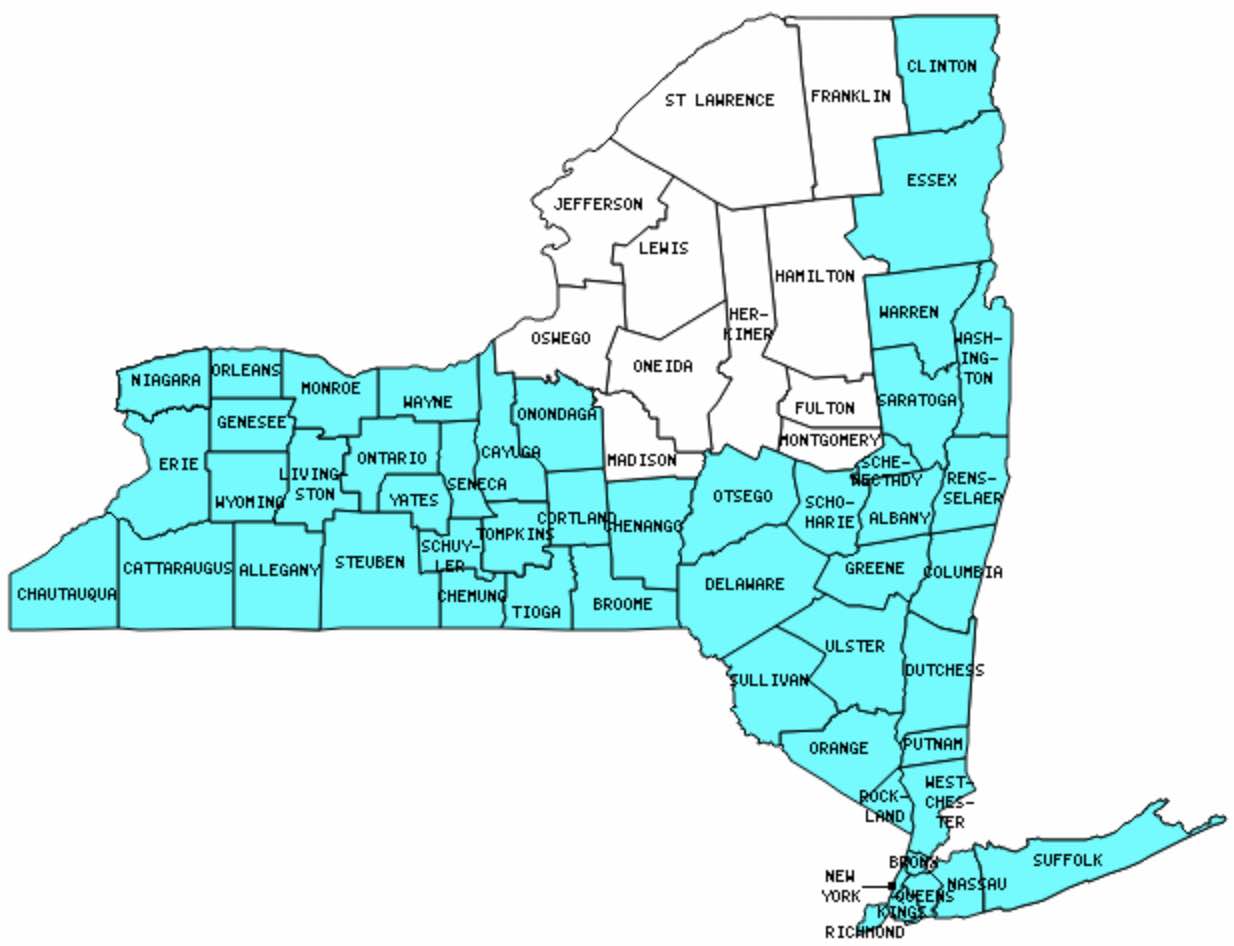
When planning a trip to New York, understanding the county system can profoundly enhance the travel experience. Each county often boasts its own set of attractions, from world-famous landmarks to hidden gems.
For instance, if you’re interested in history and architecture, counties in the Hudson Valley like Columbia County offer beautifully preserved 18th and 19th-century estates, such as Olana State Historic Site, the former home of painter Frederic Church. In contrast, New York County (Manhattan) is synonymous with iconic landmarks like the Empire State Building, Times Square, and the Metropolitan Museum of Art.
Nature enthusiasts might find themselves drawn to counties within the Adirondacks or the Catskills for activities such as hiking, camping, and wildlife viewing. For example, Essex County within the Adirondacks is home to New York’s highest peak, Mount Marcy, offering challenging treks and breathtaking vistas.
The local culture and food scene also vary significantly by county. Counties with strong agricultural roots, like those in Central New York or the Finger Lakes region (which spans across several counties), are known for their farmers’ markets, wineries, and craft breweries. For example, Seneca County is a prominent part of the Finger Lakes Wine Region, offering numerous vineyard tours and tasting experiences.
Accommodation and Lifestyle: Tailoring Stays to County Charms
The county structure also informs the types of accommodation available and influences lifestyle choices.
In counties surrounding New York City like Nassau County and Suffolk County, particularly the Hamptons, you’ll find a concentration of luxury travel options, including lavish resorts, villas, and high-end hotels. These areas cater to those seeking an exclusive and opulent experience.
For budget travelers or families looking for more relaxed and affordable stays, counties in upstate New York often provide a wealth of options. Think charming inns in the Catskills, family-friendly resorts near the Great Lakes, or quaint bed and breakfasts in historic towns throughout the Hudson Valley. The availability of apartments for longer-term stays is also more prevalent in areas with a year-round resident population outside the primary tourist hubs.
The choice of county can also shape a broader lifestyle preference. Those seeking an active outdoor lifestyle might be drawn to counties within the Adirondack Park or near the Allegheny State Park in Cattaraugus County. Conversely, individuals interested in arts, culture, and urban amenities might prefer residing in or visiting counties with larger cities, such as Monroe County (Rochester) or Onondaga County (Syracuse).
The strategic planning of trips or even permanent relocation can be significantly informed by understanding the geographical and cultural distinctions that each of New York’s 62 counties represents. This granular approach to exploring the state allows for a richer, more personalized experience, whether you’re seeking adventure, relaxation, cultural immersion, or a combination of all three.
Beyond the Count: A Deeper Dive into New York’s County-Specific Wonders
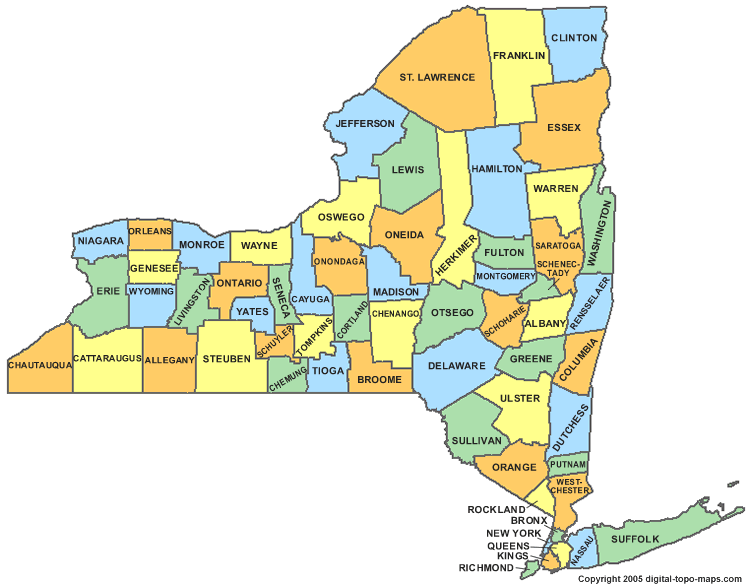
While knowing that New York has 62 counties is the initial step, appreciating the state’s true diversity requires looking beyond the number and exploring what makes each county unique. This understanding is crucial for anyone planning a trip, seeking accommodation, or simply wishing to delve into the local culture and tourism landscape.
Iconic Destinations and Hidden Gems within Counties
Each of New York’s 62 counties holds the potential for discovery. Some are globally recognized for their attractions, drawing millions of visitors annually. Niagara County, for example, is synonymous with the awe-inspiring Niagara Falls, a natural wonder that has captivated visitors for centuries. Nearby, Erie County boasts the vibrant city of Buffalo, known for its stunning architecture, burgeoning food scene, and proximity to the Erie Canal.
On the opposite end of the spectrum, many counties are celebrated for their more understated, yet equally captivating, charms. Tompkins County, home to Ithaca and its famous gorges, offers a blend of natural beauty and intellectual vibrancy thanks to Cornell University and Ithaca College. Further north, counties like Clinton County offer access to the rugged wilderness of the Adirondacks, including the historic site of Fort Ticonderoga.
The history of New York is deeply etched into its counties. From the Revolutionary War battlefields in counties like Saratoga County to the industrial heritage of Western New York, each region tells a part of the state’s compelling story. Exploring these historical sites provides invaluable context to the present-day landscape and influences the lifestyle and tourism offerings.
Accommodation and Experiences: Tailoring Your New York Adventure
The diversity of counties translates directly into a wide array of accommodation options and experiences.
For those seeking luxury travel, counties like Suffolk County on Long Island are renowned for their upscale resorts and opulent beachfront properties in areas like the Hamptons. These destinations offer an exclusive escape with world-class amenities and services.
On the other hand, counties in the Adirondacks or the Catskills often feature more rustic and nature-focused accommodation. This can range from cozy cabins and apartments perfect for long-term stay rentals to family-friendly lodges and campgrounds that cater to outdoor adventurers.
The food scene is another aspect that varies significantly by county. Counties with a strong agricultural base, such as those in the Finger Lakes Region (spanning counties like Ontario County and Yates County), are celebrated for their wineries, breweries, and farm-to-table restaurants. In contrast, urban counties like New York County are global culinary hotspots, offering an unparalleled diversity of international cuisines and fine dining establishments.
Ultimately, the 62 counties of New York provide a rich framework for exploration. Whether you’re planning a getaway to a specific landmark, seeking out unique local culture, or looking for the perfect hotel or villa, understanding the county in which these elements reside can significantly enhance your journey and provide a deeper appreciation for the breadth and depth of experiences New York has to offer.
LifeOutOfTheBox is a participant in the Amazon Services LLC Associates Program, an affiliate advertising program designed to provide a means for sites to earn advertising fees by advertising and linking to Amazon.com. Amazon, the Amazon logo, AmazonSupply, and the AmazonSupply logo are trademarks of Amazon.com, Inc. or its affiliates. As an Amazon Associate we earn affiliate commissions from qualifying purchases.