
For individuals navigating sensitive healthcare decisions, understanding the financial landscape is a critical step, especially when those decisions involve travel. California has emerged as a state with robust protections for reproductive rights, leading many from other regions to consider it as a destination for abortion care. However, the true cost extends far beyond the medical procedure itself, encompassing a range of travel, accommodation, and logistical expenses that can significantly impact the overall financial burden. This comprehensive guide aims to shed light on these various components, providing a professional and insightful overview for those considering a journey to California for abortion services.

Understanding the Landscape of Abortion Access in California for Travelers
California’s commitment to reproductive freedom has positioned it as a critical access point for abortion services in the United States. For individuals traveling from states with restrictive laws, understanding the holistic costs involved—not just the medical fee—is paramount. This section sets the stage by outlining California’s unique position and the multifaceted nature of expenses.
California’s Role as a Sanctuary State
California has proactively reinforced its status as a “sanctuary state” for reproductive rights, enacting legislation to protect patients and providers from legal actions originating outside the state. This legal framework, coupled with a wide network of clinics and hospitals, makes it a destination for those seeking care not available in their home states. However, accessing these services requires careful planning, particularly concerning the financial implications of travel and temporary relocation.
The Comprehensive Cost: Beyond the Procedure Itself
When asking “How much does an abortion cost in California?”, it’s crucial to adopt a comprehensive perspective. The cost isn’t a single figure but a mosaic of expenditures that include the medical procedure, travel to and within the state, accommodation, food, potential childcare, lost wages, and other miscellaneous items. For out-of-state visitors, these non-medical expenses can often outweigh the cost of the procedure itself, making a holistic financial assessment indispensable.
Deconstructing the Financial Components for Out-of-State Visitors
Breaking down the total expense into its constituent parts offers a clearer picture of the financial commitment required. From medical fees to the logistics of travel and stay, each element contributes to the overall cost for an individual traveling to California for care.
Medical Procedure Costs: What to Expect
The cost of the abortion procedure itself in California can vary significantly based on several factors, including the gestational age, the type of procedure (medication vs. surgical), and the specific clinic or provider.
- Early-term vs. Later-term procedures: Abortion costs typically increase with gestational age. A medication abortion, usually available up to 10-11 weeks of pregnancy, is generally the least expensive option. Surgical abortions, which can be performed later, become more complex and thus more costly as the pregnancy advances.
- Medication vs. Surgical Abortion: Medication abortion, involving pills taken at home, can range from $500 to $800 without insurance. Surgical abortions, which require a clinic visit and medical staff, can range from approximately $600 to $2,500 in the first trimester, potentially rising to several thousand dollars for second-trimester or later procedures. These figures are estimates and can fluctuate based on location within California (e.g., urban centers like Los Angeles or San Francisco might have slightly higher rates) and specific clinic policies.
Travel Expenses: Planning Your Journey to California
For those traveling to California, transportation costs are a major component. These vary widely based on the origin city, time of booking, and mode of transport.
- Flights and Ground Transportation: Airfare is often the most significant travel expense. Depending on the distance and timing, round-trip flights to major California airports like Los Angeles International Airport (LAX), San Francisco International Airport (SFO), or Sacramento International Airport (SMF) can range from a few hundred to over a thousand dollars. Travelers should also consider alternative airports such as Hollywood Burbank Airport or San Jose International Airport for potentially better rates or convenience, depending on their clinic’s location. For those driving, fuel costs, wear and tear on vehicles, and potential overnight stays along the way must be factored in.
- Local Transit within California: Once in California, patients will need to factor in local transportation. This could include rideshares (Uber/Lyft), taxis, public transportation (buses, trains in cities like San Francisco or Oakland), or car rentals. The choice depends on the clinic’s accessibility, the duration of stay, and personal preference. A modest budget for local transit might range from $50 to $200, depending on the number of trips and chosen method.
Accommodation Considerations
A critical aspect of medical tourism is securing safe and comfortable lodging. The duration of stay can range from one night to several days, especially for later-term procedures requiring multiple appointments or recovery time.
- Short-term Stays near clinics: Many clinics are located in urban areas such as Los Angeles, San Francisco, San Diego, or Oakland. Hotel prices in these areas can range from $100 to $300+ per night for standard accommodations. Budget-friendly options like the Coastal Inn or Golden State Suites might offer more affordable rates, but location relative to the clinic should be prioritized for convenience and minimizing additional travel stress.
- Extended Stays for Recovery or Later Procedures: For more involved procedures that necessitate a longer stay, or for individuals needing multiple appointments, extended-stay hotels or Airbnb rentals might be more cost-effective. These could range from $500 to $1,500+ for a week, depending on the location and amenities.
- Budget-friendly vs. Comfort-focused options: The choice of accommodation will significantly impact the overall cost. While budget motels offer the lowest rates, the privacy, safety, and comfort of a slightly more expensive option can be crucial during a sensitive time.
Ancillary Costs: Food, Childcare, Lost Wages
Often overlooked, these indirect costs can accumulate quickly and add substantial weight to the financial burden.
- Food: Eating out in California can be expensive, particularly in major cities. A realistic budget for food might be $50-$100 per day per person, depending on dining choices.
- Childcare: If traveling with children or needing care for dependents left at home, these costs must be calculated.
- Lost Wages: Taking time off work, especially for extended travel, can result in significant lost income, which is a real financial “cost” to consider.
- Support Person Travel: If a friend or family member accompanies the patient for support, their travel, accommodation, and food expenses must also be included.

Navigating Payment Options and Financial Assistance
Understanding how to pay for these services and where to seek help is vital. California offers various resources, though accessibility can depend on residency and insurance coverage.
Insurance Coverage: In-State vs. Out-of-State Policies
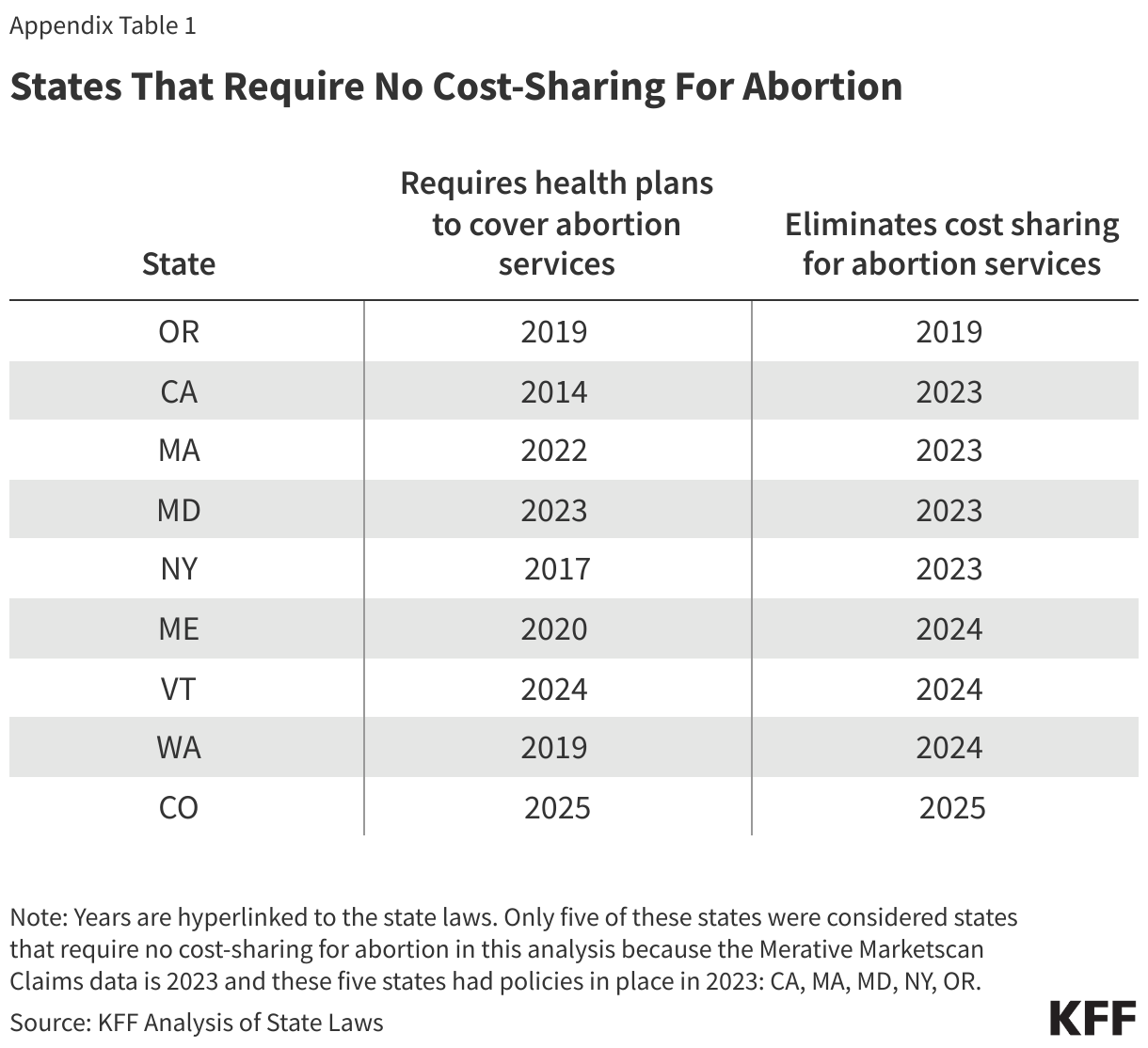
- In-State Policies: Many California health insurance plans, including Medi-Cal (the state’s Medicaid program), cover abortion services.
- Out-of-State Policies: Coverage for out-of-state patients is more complex. While some private insurance plans may cover services received in California, others may not, especially if they are state-specific plans from more restrictive states. It is imperative to contact your insurance provider directly and discreetly to understand your benefits, out-of-network coverage, and any pre-authorization requirements before travel.
State and Federal Programs
While California has robust state-funded programs for its residents, out-of-state visitors generally do not qualify for these benefits. Federal programs like Medicaid are administered by states, meaning a patient’s Medicaid from their home state will typically not cover services in California.
Abortion Funds and Non-Profit Support Organizations
A critical lifeline for many traveling for care are abortion funds and non-profit organizations. These groups specialize in providing financial assistance for the procedure itself, as well as helping with travel, lodging, and other logistical needs. Many operate both nationally and at the state level. For example, the California Reproductive Access Fund (a hypothetical example of the type of fund that exists) or national organizations often have resources dedicated to assisting individuals traveling for care. Researching and contacting these funds early in the planning process is highly recommended.
Out-of-Pocket Expenses and Payment Plans
For those without insurance coverage or sufficient financial assistance, services will be entirely out-of-pocket. Some clinics may offer payment plans or sliding scales based on income, but this varies. It’s important to discuss payment options directly with the clinic during the initial consultation.
Planning Your Trip: Practical Tips for Medical Tourists
Careful planning can mitigate stress and unexpected costs, making the journey for medical care as smooth as possible.
Researching Clinics and Services
Thorough research into California clinics is paramount. Look for accredited providers with good reputations, transparent pricing, and services that match your specific needs (e.g., gestational age limits). Many clinics have websites detailing their services and frequently asked questions, though specific pricing often requires a phone consultation.
Logistics and Travel Coordination
Book flights and accommodation well in advance to secure better rates. Consider the proximity of your lodging to the clinic and reliable transportation options. If flying, factor in travel time to and from airports like Hollywood Burbank Airport or San Jose International Airport to your final destination. Creating a detailed itinerary that includes appointment times, travel routes, and contact numbers can reduce anxiety.
Ensuring Privacy and Support
Travel for sensitive medical procedures requires careful consideration of privacy. Choose discreet accommodation and transportation options. If possible, travel with a trusted friend or family member for emotional and practical support. They can help with logistics, provide comfort, and ensure safe transit.
Post-Procedure Care and Follow-up
Understand the post-procedure care instructions and plan for your recovery, which might involve rest days. Discuss any necessary follow-up appointments with the clinic and how these will be managed, especially if you plan to return home immediately. Ensure you have contact information for post-procedure questions or concerns.
Conclusion: A Holistic View of Access and Expense
The question “How much does an abortion cost in California?” elicits a complex answer, especially for those traveling from other states. While the medical procedure itself has a defined cost range, the complete financial picture must include all elements of the journey: flights, ground transportation, accommodation, food, and potential indirect costs like lost wages or childcare. California’s status as a haven for reproductive rights is a vital resource, but accessing that care from afar requires significant financial foresight and logistical planning. By understanding and budgeting for all components of this medical tourism journey, individuals can better prepare for their travel to California and navigate this challenging period with greater confidence and less financial stress.
LifeOutOfTheBox is a participant in the Amazon Services LLC Associates Program, an affiliate advertising program designed to provide a means for sites to earn advertising fees by advertising and linking to Amazon.com. Amazon, the Amazon logo, AmazonSupply, and the AmazonSupply logo are trademarks of Amazon.com, Inc. or its affiliates. As an Amazon Associate we earn affiliate commissions from qualifying purchases.