
Imagine standing on the observation deck of the Empire State Building, gazing out at the sprawling metropolis of New York City. The sheer scale of it is breathtaking – a concrete jungle punctuated by countless glittering towers. As you scan the horizon, a peculiar question might tickle your mind: how many windows are there, really, in this magnificent city? It’s a question that sparks curiosity, a seemingly simple query that unravels into a complex tapestry of urban planning, architectural evolution, and the sheer human endeavor that defines New York.
This isn’t just about a number; it’s about understanding the essence of the city. Each window represents a story, a viewpoint, a part of the vast, interconnected organism that is New York. From the iconic skyscrapers of Manhattan to the charming brownstones of Brooklyn, windows are the eyes of the city, reflecting the sky, the hustle, and the dreams of millions.

The Uncountable Canvas: An Urban Expedition
Attempting to count every window in New York is a task that would likely outlast the city itself. It’s an endeavor that involves not just counting static panes of glass but accounting for the dynamic nature of urban landscapes. Buildings are constantly being renovated, demolished, and erected, adding or subtracting from the grand total on a daily basis. Yet, the fascination with this number persists, inviting us to explore the very fabric of urban existence.
Skyscrapers: The Glass Giants of New York
When we think of New York, towering skyscrapers immediately come to mind. These architectural marvels, stretching towards the heavens, are defined by their vast expanses of glass. The Empire State Building, a symbol of the city, boasts thousands of windows. Then there’s One World Trade Center, a beacon of resilience, and the sleek, modern structures that populate the Financial District.
Consider the sheer scale of a building like 30 Hudson Yards. Its modern design features a facade that is almost entirely glass. If one were to undertake a rigorous count, the numbers would be astronomical. A single floor in a large office building could house hundreds of windows, and when multiplied by hundreds of floors and hundreds of such buildings, the figures quickly reach into the tens of millions, if not hundreds of millions.
This reliance on glass is not merely aesthetic; it’s functional. Natural light is crucial for productivity in office spaces, and large windows offer panoramic views that enhance the appeal of residential and commercial properties. The evolution of architectural materials has led to the widespread use of energy-efficient glass, allowing buildings to maximize natural light while minimizing heat gain or loss, a critical consideration in a city with diverse weather patterns.
Beyond the Skyline: Residential Windows and the Heart of Neighborhoods
While the iconic skyscrapers capture our imagination, the true soul of New York resides in its diverse neighborhoods, each with its unique architectural character and an abundance of residential windows. From the historic brownstones of Greenwich Village and Brooklyn Heights to the apartment buildings that line the streets of Queens and the Bronx, windows are an integral part of the urban mosaic.
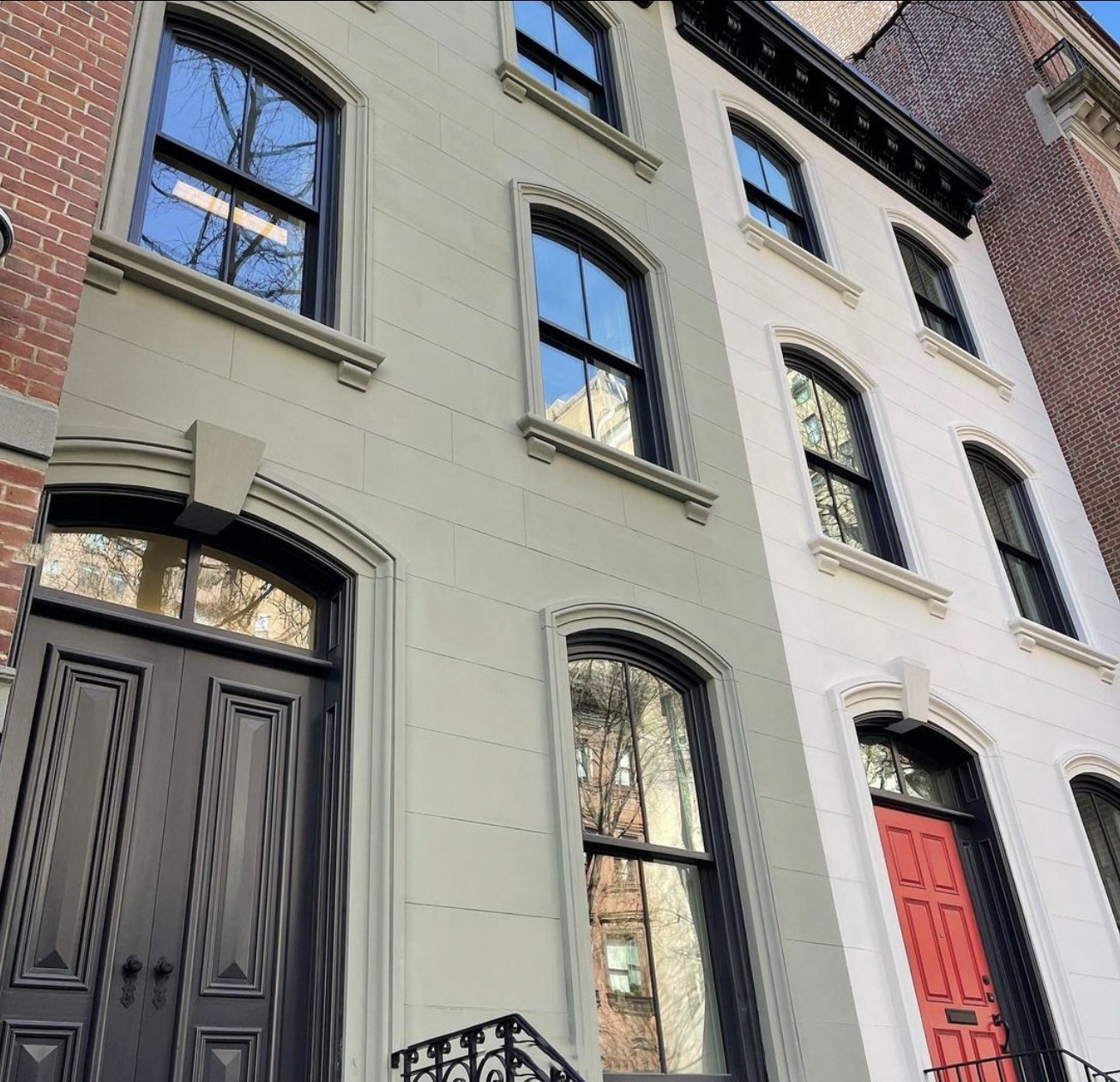
A brownstone, with its characteristic rows of windows on each floor, represents a significant number of panes. Multiply this by the thousands of brownstones scattered across the city, and the count begins to add up. Apartment buildings, especially in densely populated areas like Upper West Side or East Village, can have hundreds, if not thousands, of individual apartments, each with multiple windows.
Think about a typical pre-war apartment building in Manhattan. A building with 10 floors, each with 8 apartments, and each apartment having at least 3 windows, would already contribute a substantial number. Now, imagine this replicated across the thousands of such buildings that make up the residential landscape of the five boroughs. This is where the sheer volume becomes overwhelming, and the concept of an exact count becomes almost an impossibility.
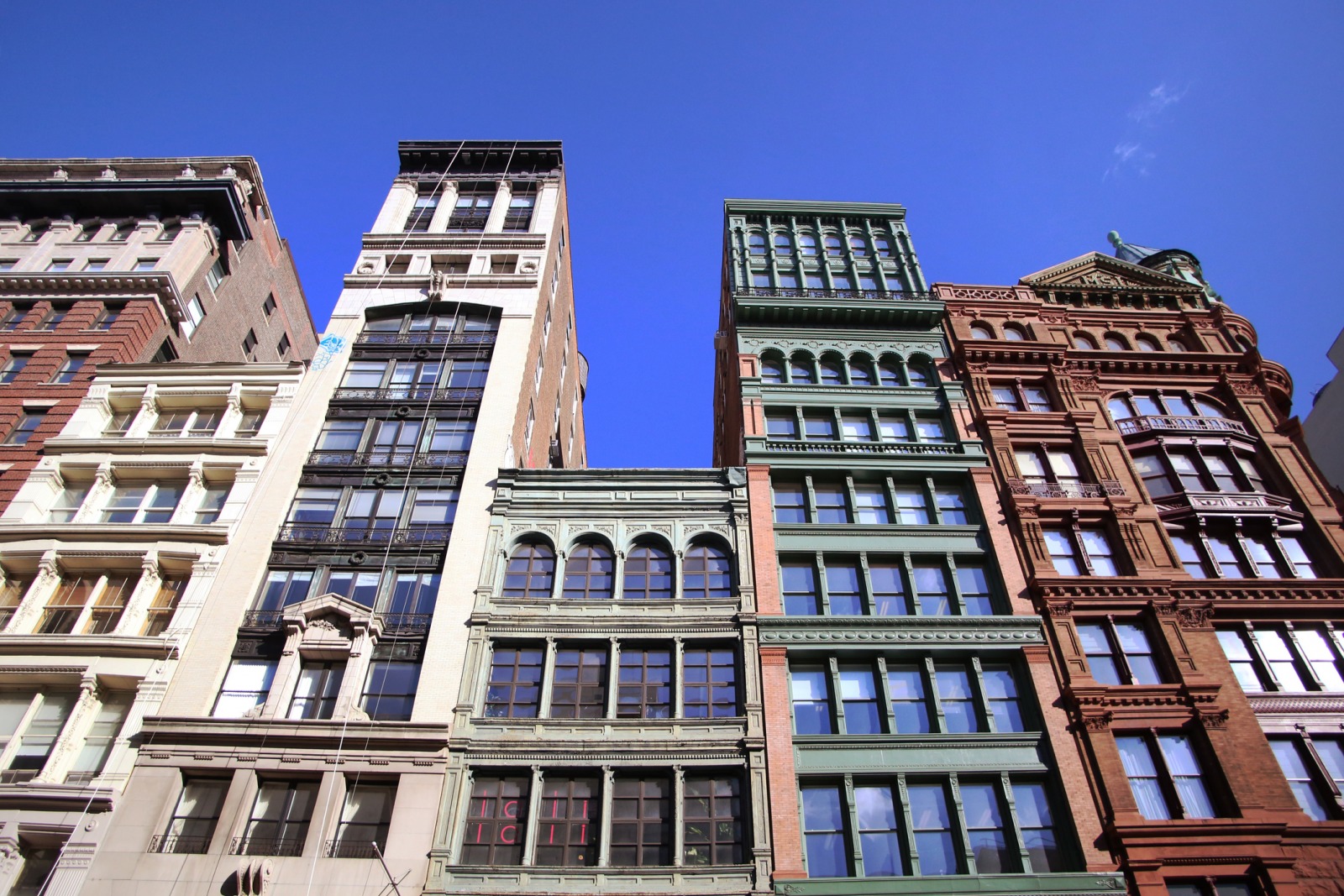
The type of window also adds complexity. Are we counting single-pane windows, double-pane, or triple-pane? Are we including bay windows, dormer windows, or the small, often decorative windows found in older buildings? Each presents its own unique challenge to a comprehensive tally.
Estimating the Uncountable: A Journey into Data and Deduction
Given the impossibility of a literal window-by-window count, we must turn to estimation and the power of data. Urban planners, architects, and real estate analysts often deal with building data that includes square footage, number of units, and building type. This information can be used to create educated estimates.
Architectural Archetypes and Window Density
Different architectural styles and building typologies have distinct window densities. A historic tenement building in the Lower East Side, for instance, will have a different window-to-wall ratio than a modern glass skyscraper in the Financial District.
- Skyscrapers: These modern marvels are designed to maximize views and natural light, featuring extensive glass facades. A single skyscraper can house tens of thousands of windows.
- Apartment Buildings: From pre-war walk-ups to high-rise luxury apartments, these structures are characterized by a multitude of individual units, each with its own set of windows.
- Brownstones and Townhouses: These charming, often historic, residences typically feature multiple windows on each facade, contributing to the overall count in their respective neighborhoods.
- Commercial and Industrial Buildings: Warehouses, factories, and office parks also contribute to the city’s window count, though their designs might prioritize functionality over expansive views.
The Role of Technology and Data Analysis
The advent of sophisticated mapping technologies, Building Information Modeling (BIM), and data analytics offers new avenues for estimating such vast numbers. Satellite imagery, aerial photography, and detailed architectural plans, when processed with advanced algorithms, can provide more refined approximations. Imagine a future where AI could analyze building facades from drone footage, identifying and counting window units with remarkable accuracy.
However, even with such technology, the inherent dynamism of New York’s built environment remains a challenge. The constant flux of construction and demolition means any count, no matter how precise at a given moment, would quickly become outdated.
A Philosophical Reflection: More Than Just a Number
Ultimately, the question “How Many Windows Are In New York?” is less about a definitive numerical answer and more about appreciating the immense scale and complexity of urban life. Each window is a portal, offering a glimpse into the lives lived within. They are the silent observers of the city’s pulse, reflecting its endless energy, its diverse cultures, and its ever-evolving narrative.
Whether it’s the sun glinting off the windows of the Chrysler Building, the warm glow emanating from the windows of a cozy café in the West Village, or the sterile uniformity of office windows stretching across a corporate tower, each pane plays a role in the grand spectacle.
The journey to “count” the windows of New York is a metaphorical one, an invitation to explore the architectural diversity, the human stories, and the sheer, magnificent scale of one of the world’s most iconic cities. It is a testament to human ingenuity, ambition, and the enduring desire to build, to connect, and to create spaces that house dreams, aspirations, and the everyday lives of millions. The exact number may remain elusive, lost in the glittering expanse, but the understanding it inspires is immeasurable.
LifeOutOfTheBox is a participant in the Amazon Services LLC Associates Program, an affiliate advertising program designed to provide a means for sites to earn advertising fees by advertising and linking to Amazon.com. Amazon, the Amazon logo, AmazonSupply, and the AmazonSupply logo are trademarks of Amazon.com, Inc. or its affiliates. As an Amazon Associate we earn affiliate commissions from qualifying purchases.