
For those seeking to enhance their living experience, whether in a long-term rental, a potential property purchase, or even a specialized vacation stay, the allure of a Florida room is undeniable. Often perceived as a luxurious extension of one’s accommodation, this versatile space offers a unique blend of indoor comfort and outdoor ambiance. But what exactly is the financial commitment associated with securing accommodation that boasts such a coveted feature? Understanding the cost of a Florida room isn’t just about construction expenses; it’s about appreciating the value it adds to the overall accommodation proposition, impacting rental rates, property values, and the quality of your stay. This comprehensive guide delves into the various facets that determine the cost implications of a Florida room, framed within the context of selecting and valuing accommodation.
Understanding the Florida Room Phenomenon in Accommodation
A Florida room is more than just an extra space; it’s a lifestyle enhancement that significantly shapes the character and appeal of any accommodation. For many, it represents the ideal bridge between a home’s interior and the natural environment, particularly in regions blessed with abundant sunshine.
What Exactly is a Florida Room?
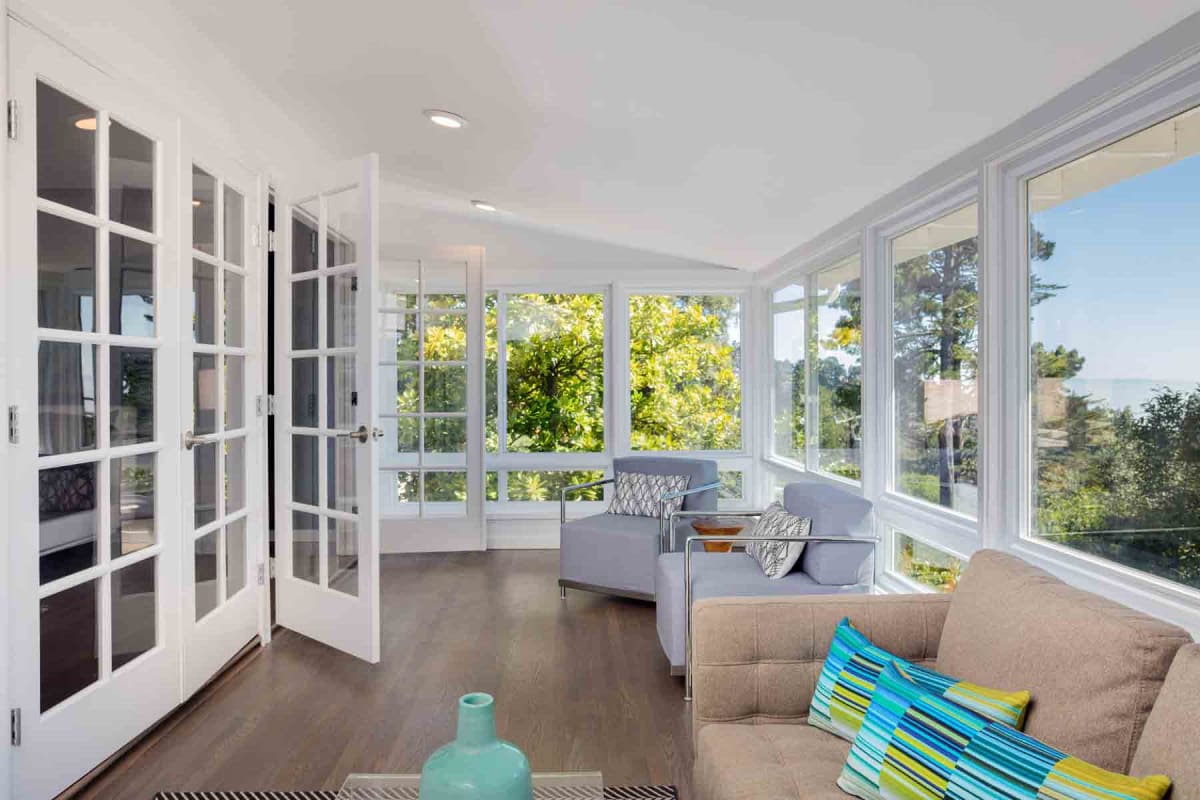
At its core, a Florida room is an enclosed patio or porch, designed to allow residents to enjoy the outdoors without exposure to insects, inclement weather, or harsh sun. While traditionally associated with the Sunshine State, hence its name, these rooms are popular in various sunny climates. They can range from simple screened enclosures to fully insulated, climate-controlled additions that serve as a true extension of the main living area.
In the realm of accommodation, identifying a Florida room often involves looking for features like extensive windows or screens, offering panoramic views and abundant natural light. Unlike a standard room, its primary purpose is to blur the lines between inside and out, providing a bright, airy space perfect for relaxation, dining, or entertaining. For potential renters or buyers, recognizing this feature means identifying an accommodation that prioritizes comfort, connection to nature, and versatile living space.
The Allure of Extra Space: Why Renters and Buyers Seek Them
The demand for accommodation featuring a Florida room stems from a desire for enhanced living quality. In a world where indoor space often feels confined, these rooms offer a liberating sense of openness. For a long-term stay, it provides an invaluable extra dimension to daily life, whether it’s a serene spot for morning coffee, an informal dining area bathed in sunlight, or a dedicated space for hobbies.
From a renter’s perspective, an accommodation with a well-designed Florida room can command higher rental rates due to its added utility and aesthetic appeal. It offers a unique selling proposition, differentiating it from properties with standard layouts. For buyers, it translates into increased property value and a more appealing home. The ability to enjoy beautiful weather year-round, shielded from pests and elements, adds a significant layer of comfort and functionality, making such accommodations highly sought after. It’s an investment in lifestyle, proving particularly attractive in competitive accommodation markets like Orlando or Miami.
Factors Influencing the Cost of a Florida Room in Accommodation Pricing
When evaluating the cost implications of a Florida room, whether you’re building one or assessing its impact on accommodation pricing, several key factors come into play. These elements dictate not only the initial outlay for construction but also its contribution to the overall value of a property.
Size and Scope: From Screened Porch to Four-Season Addition
The most fundamental factor affecting the cost, and consequently the pricing of accommodation, is the size and functional scope of the Florida room. A basic screened-in porch, designed primarily for insect protection during warmer months, will be significantly less expensive than a fully enclosed, insulated, and climate-controlled four-season room.
- Screened Porches: These are the most economical, essentially extending a roof over a patio and enclosing it with screens. They offer basic protection from insects and a degree of shade, making them ideal for temperate climates. Their impact on accommodation pricing is moderate, adding convenience and a touch of outdoor living.
- Three-Season Rooms: Featuring single-pane windows that can be opened or closed, these rooms offer better protection from elements like wind and rain, extending their usability into cooler months. They are not typically heated or cooled to the same extent as the main house but provide a more robust enclosure than screens. Accommodation with a three-season room often commands a higher price than one with a simple screened porch, reflecting the enhanced usability.
- Four-Season Rooms (Sunrooms): These are essentially full additions to the home, built with insulated walls, double-pane windows, and often integrated into the home’s HVAC system. They are designed to be comfortable year-round, regardless of external temperatures. These additions significantly increase the usable living space and, consequently, the value and rental/purchase price of the accommodation. A well-executed four-season Florida room can effectively add another “room” to the property’s square footage, making it a premium feature in any accommodation listing.
The square footage of the room also directly correlates with cost. A larger room requires more materials, labor, and potentially more complex foundation work, all of which will be reflected in the final accommodation pricing.
Materials and Features: Enhancing the Accommodation Experience
The choice of materials profoundly impacts both the cost and the long-term appeal of a Florida room, thereby influencing accommodation value.
- Window and Door Quality: High-performance, energy-efficient windows (e.g., Low-E, argon-filled, double-pane) are crucial for four-season rooms, contributing to insulation and energy savings. These come at a higher cost than standard single-pane windows or basic screens but offer superior comfort and reduce heating/cooling expenses, which is an attractive feature for long-term stay accommodation.
- Roofing: Options range from simple asphalt shingles to more durable and aesthetically pleasing metal or glass roofs. A glass roof maximizes natural light but is typically the most expensive option.
- Flooring: Materials like ceramic tile, engineered wood, or even stained concrete can be used. Durability, aesthetic appeal, and resistance to moisture are key considerations. High-quality, attractive flooring elevates the room’s perception from a utilitarian space to a luxury extension of the living area, directly enhancing the accommodation experience and justifying higher price points.
- Climate Control: For four-season rooms, integrating with the existing HVAC system or installing a dedicated mini-split system adds significant cost but ensures year-round comfort. This feature is particularly valuable in extreme climates like the humid summers of Tampa or the occasional chilly winters in parts of Georgia.
- Permitting and Regulations: The cost of permits, adherence to local building codes, and engineering fees can vary widely by location. These administrative costs are non-negotiable and factored into the total expense, which ultimately influences the accommodation’s market price.
Location, Location, Location: Regional Variances
As with any real estate consideration, the geographic location plays a significant role in the cost of a Florida room and its impact on accommodation pricing.
- Labor Costs: Construction labor rates fluctuate significantly from state to state and even within different cities. For instance, building costs in metropolitan areas of California might be considerably higher than in more rural areas of the Florida Panhandle.
- Material Availability and Shipping: Proximity to suppliers and regional material costs can influence the overall budget.
- Climate and Building Codes: Regions prone to hurricanes (like much of Florida) require more robust construction, including impact-resistant windows and reinforced structures, driving up costs. These stringent codes ensure safety and durability, adding intrinsic value to the accommodation.
- Market Demand: In areas where outdoor living is highly valued due to climate and lifestyle (e.g., coastal Florida communities), a Florida room is a highly desirable feature that can significantly boost the property’s rental or resale value, justifying a higher price point for the accommodation. Conversely, in regions where such rooms are less common or less practical, their value increment might be less pronounced.

Budgeting for a Florida Room: Rental vs. Purchase Implications
Understanding the various cost components of a Florida room is essential, but equally important is how these costs translate into your budgeting decisions when seeking accommodation. Whether you’re considering renting a property with this feature or purchasing a home where you might eventually add one, the financial implications differ.
Initial Investment: The Homeowner’s Perspective
From a homeowner’s viewpoint, the initial investment in building a Florida room can range widely. A basic screened porch might cost anywhere from $8,000 to $20,000, depending on size and complexity. A three-season room can fall between $20,000 and $50,000. However, a high-quality, fully insulated four-season room, integrated seamlessly into the existing structure, can easily range from $30,000 to well over $70,000, and even exceed $100,000 for large, custom designs with premium finishes. These figures include materials, labor, permits, and any necessary electrical or HVAC work. While these are direct construction costs, they ultimately factor into the rental or purchase price of the accommodation, making it a key element of its overall value proposition.
For those considering a property purchase, evaluating existing Florida rooms means assessing the quality of this initial investment made by the previous owner. A poorly constructed or outdated Florida room might necessitate further investment to bring it up to standard, impacting your overall accommodation budget.
Long-Term Value: What Does It Add to Your Stay?
For renters, the cost of a Florida room is embedded in the rental price. Properties featuring well-appointed Florida rooms can typically command a premium of 10-25% or more over comparable accommodations without this feature, especially in desirable locations. This premium reflects the added square footage, enhanced lifestyle, and increased utility the room provides. While it adds to your monthly outlay, many find the expanded living space and connection to the outdoors a worthwhile investment in their quality of life during a long-term stay.
For buyers, the long-term value extends beyond immediate enjoyment. A high-quality Florida room can significantly increase a property’s resale value, often recouping a substantial portion of the initial investment. In some markets, particularly those with strong demand for outdoor living spaces, the return on investment can be quite high, making it a wise financial decision for a primary residence or a vacation rental property. It contributes to the accommodation’s overall appeal, often making it stand out in a competitive market.
Comparative Analysis: Florida Rooms vs. Other Accommodation Upgrades
When evaluating accommodation options, it’s useful to compare the value proposition of a Florida room against other popular upgrades or amenities. For example, adding a full bathroom might cost a similar amount to a high-end Florida room but serves a different functional purpose. A renovated kitchen might offer higher immediate internal utility. However, a Florida room uniquely caters to the desire for indoor-outdoor living, offering a distinct lifestyle advantage.
In terms of accommodation comparison, a property with a Florida room might be more appealing than one with an equivalent amount of interior square footage but lacking the connection to the outdoors. For vacation rentals, it can be a deciding factor for guests looking for a relaxed, airy environment. For long-term stays, it adds a versatile space that can adapt to various needs, from a home office to a sunlit reading nook. When comparing different accommodation types, always weigh the unique benefits of a Florida room against its cost implications to determine if it aligns with your lifestyle and budget priorities.
Navigating the Market for Accommodation with a Florida Room
The quest for ideal accommodation often involves specific criteria, and for many, a Florida room is high on that list. Understanding how to identify and evaluate properties with this feature is crucial to making an informed decision.
Finding Properties with the Perfect Florida Room
When searching for accommodation, whether for rent or purchase, specific search terms can help narrow down your options. Keywords such as “sunroom,” “screened porch,” “lanai,” “veranda,” or “Florida room” itself should be used in online property listings. Pay close attention to photographs and virtual tours, as these can provide a visual assessment of the room’s size, quality of materials, and integration with the main living space.
It’s also advisable to inquire about the room’s specific features: Is it a three-season or four-season room? Is it climate-controlled? What kind of windows or screens are installed? These details directly impact its usability and comfort, which in turn influences the value it adds to the accommodation. In areas like Florida, real estate agents are typically well-versed in the nuances of Florida rooms and can provide valuable insights.
Maximizing Your Florida Room Accommodation Experience
Once you’ve secured accommodation with a Florida room, the opportunities to maximize its potential are abundant. Furnish it with comfortable, weather-resistant furniture if it’s a three-season or screened room, or integrate it with your interior decor if it’s a four-season sunroom. Consider its orientation – a south-facing room will receive ample sunlight throughout the day, while a north-facing one might offer cooler, consistent light.
This space can serve multiple functions: a vibrant breakfast nook, a tranquil reading sanctuary, a dedicated yoga space, an indoor garden, or an informal gathering area for friends and family. Its versatility is one of its greatest assets, enhancing the overall accommodation experience by providing a flexible and inviting environment. For long-term residents, it becomes an integral part of daily life, offering a unique blend of indoor comfort and the refreshing feel of the outdoors, truly enriching their stay.

Conclusion: The Enduring Appeal and Cost Justification of a Florida Room
The question of “How much does a Florida room cost?” transcends a simple dollar figure; it delves into the value proposition of enhanced accommodation. While the initial investment for homeowners can be significant, ranging from thousands for a basic screened porch to tens of thousands for a sophisticated four-season sunroom, this cost is consistently justified by the immense value it adds to the living experience.
For those seeking accommodation, a Florida room represents a premium feature that offers expanded living space, a seamless connection to nature, and year-round comfort. This translates into higher rental rates for tenants and increased property values for buyers, making it a compelling feature in any real estate market. The allure lies in its ability to transform a standard property into a haven of relaxation and versatility, elevating the quality of any long-term stay or vacation experience. Ultimately, the cost of a Florida room is an investment in lifestyle, comfort, and the enduring appeal of accommodation that truly embraces its environment.
LifeOutOfTheBox is a participant in the Amazon Services LLC Associates Program, an affiliate advertising program designed to provide a means for sites to earn advertising fees by advertising and linking to Amazon.com. Amazon, the Amazon logo, AmazonSupply, and the AmazonSupply logo are trademarks of Amazon.com, Inc. or its affiliates. As an Amazon Associate we earn affiliate commissions from qualifying purchases.