
When you envision a lawyer in New York, images of high-stakes courtroom dramas, bustling law firms in Manhattan, and lucrative settlements often come to mind. The allure of the legal profession in the city that never sleeps is undeniable, and a significant part of that allure is the potential for substantial earnings. But beyond the Hollywood portrayals, what is the reality of a lawyer’s income in New York? This article delves into the factors that influence lawyer salaries in the Empire State, from experience and specialization to the type of firm and location within New York.

The Landscape of Legal Earnings in New York
The question of “how much do lawyers make in New York?” is complex, with a wide spectrum of incomes reflecting the diverse nature of legal practice and the sheer size of the New York legal market. While some attorneys might earn figures comparable to top executives in other industries, others might find their salaries more in line with the average professional. Several key variables contribute to this disparity.
Factors Influencing Lawyer Salaries in New York
1. Experience Level: This is perhaps the most straightforward determinant of a lawyer’s earning potential. Entry-level associates, fresh out of law school, will naturally command lower salaries than seasoned partners with decades of experience.
- Entry-Level Associates (0-3 years): These lawyers are typically still learning the ropes, handling research, drafting documents, and assisting senior attorneys. Their salaries in New York can range significantly, but a common starting point might be anywhere from $100,000 to $150,000 annually. In highly competitive fields or at top-tier firms, this figure can be even higher.
- Mid-Level Associates (3-7 years): With a few years under their belt, these lawyers gain more autonomy and handle more complex cases. Their salaries reflect this increased responsibility, often falling between $150,000 and $250,000.
- Senior Associates (7+ years): These attorneys are highly skilled, often managing cases and mentoring junior staff. Their earnings can surpass $250,000 and head towards $300,000 or more, depending on their performance and the firm’s success.
- Partners: This is where the earnings potential truly soars. Partners in law firms, especially equity partners who have a stake in the firm, can earn anywhere from $300,000 to over $1 million annually, with some extremely successful partners at prestigious New York firms earning many millions.
2. Specialization and Practice Area: The legal field is vast, encompassing numerous specialties, and the demand for expertise in certain areas significantly impacts compensation.
- High-Demand Specializations: Fields like corporate law, mergers and acquisitions (M&A), intellectual property (IP), securities law, and complex litigation tend to command the highest salaries. Lawyers specializing in these areas are crucial for major business transactions and high-stakes disputes, making their expertise highly valuable. For instance, a corporate lawyer advising on a multi-billion dollar merger in New York would likely be compensated handsomely for their role.
- Mid-Range Specializations: Areas such as real estate law, employment law, and family law often fall into the mid-range in terms of earning potential, though there are always exceptions for highly specialized or sought-after practitioners.
- Public Interest and Government Law: Lawyers working for non-profit organizations, in public defender offices, or for government agencies typically earn considerably less than their private sector counterparts. While their work is invaluable, the funding structures for these roles do not typically allow for the same compensation levels seen in corporate law. However, these roles often offer other forms of compensation, such as job satisfaction and the opportunity to make a significant societal impact, perhaps by advocating for fair housing or defending civil liberties.
3. Type and Size of Law Firm: The structure and prestige of a law firm play a pivotal role in determining lawyer salaries.
- Big Law Firms (Am Law 100/200): These are the large, often global, firms with offices in major financial centers like New York. They handle the most complex and lucrative cases for major corporations and financial institutions. Salaries at these firms are notoriously high, often setting the benchmark for the industry. An associate at a New York “Big Law” firm can expect a starting salary that is among the highest in the nation.
- Mid-Size Firms: These firms offer a good balance of challenging work and competitive compensation. They may specialize in certain areas of law or serve a broader range of clients than the largest firms. Salaries here are generally strong, though typically lower than Big Law.
- Boutique Firms: These smaller, specialized firms focus on a particular niche of law, such as entertainment law or patent litigation. While they may not have the vast resources of larger firms, highly successful boutique firms can offer excellent compensation to their attorneys, especially if they have a strong client base and a reputation for excellence in their chosen field.
- Solo Practitioners: Lawyers who run their own practices have the potential for unlimited income but also bear the full risk. Their earnings can be highly variable, depending on their client acquisition, case success, and business acumen. Some solo practitioners in New York thrive, building highly profitable practices, while others struggle to achieve consistent income.
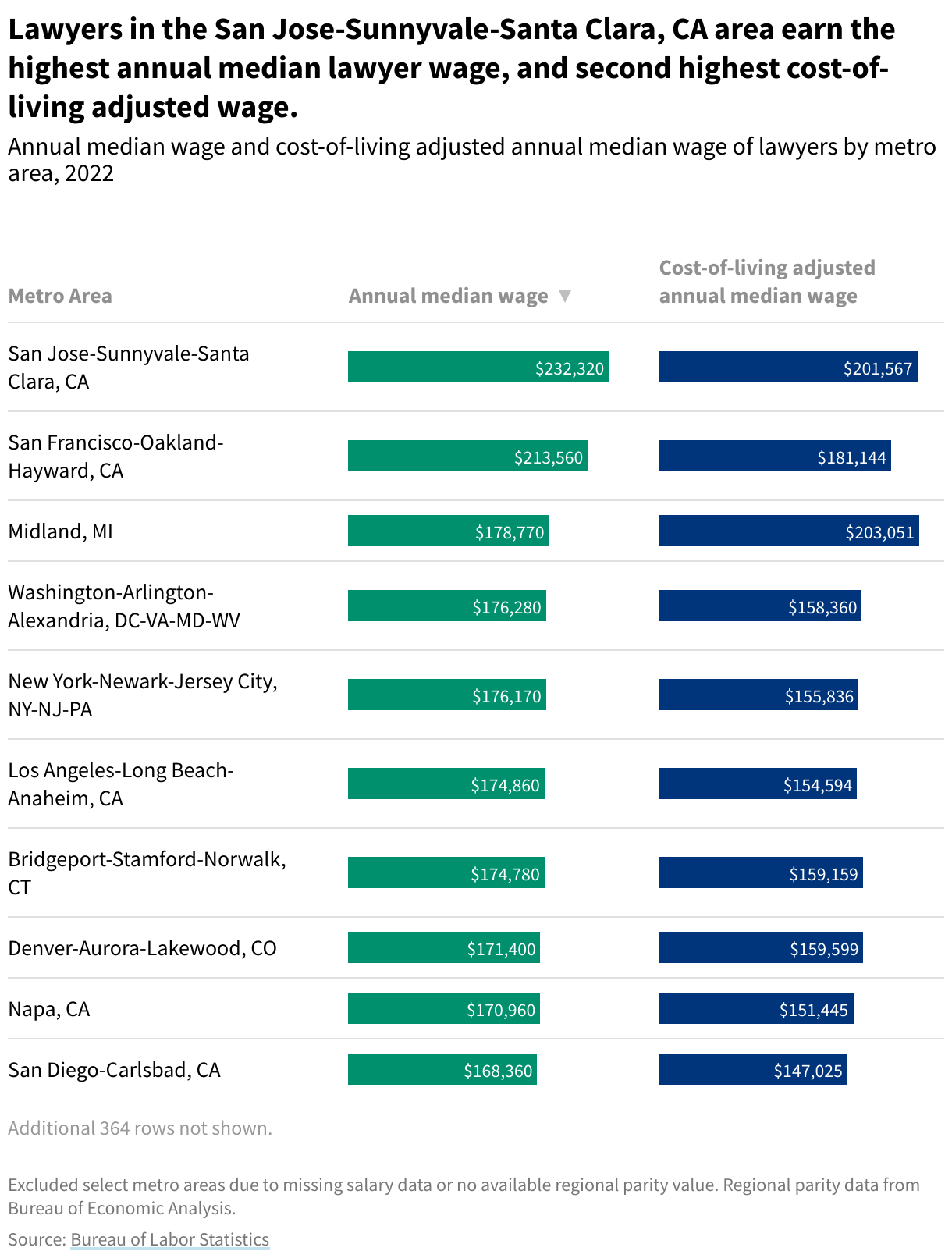
4. Location within New York: While the title specifies “New York,” the specific location within the state can also influence earnings.
- New York City: Unsurprisingly, New York City, particularly Manhattan, is the epicenter of high legal salaries. The concentration of major corporations, financial institutions, and international businesses drives demand for legal services, pushing salaries to their peak. The cost of living in New York City is also exceptionally high, which often correlates with higher professional salaries.
- Upstate New York: Cities like Buffalo, Rochester, Syracuse, and Albany generally offer lower salaries for lawyers compared to New York City. However, the cost of living is also significantly lower, which can make the effective purchasing power of these salaries more comparable. The types of legal work may also differ, with more focus on local businesses, family law, and criminal defense in these regions.
Beyond the Base Salary: Bonuses and Benefits
The figures discussed so far primarily refer to base salaries. However, many lawyers in New York, especially those in private practice, can significantly increase their annual income through bonuses.
The Role of Bonuses and Other Compensation
- Performance Bonuses: Many firms, particularly larger ones, offer performance-based bonuses. These can be tied to individual billable hours, case outcomes, client origination, or overall firm profitability. A highly successful year can see a lawyer’s total compensation rise substantially due to these bonuses. For example, a partner at a New York firm might receive a bonus that equals or even exceeds their base salary in a banner year.
- Signing Bonuses and Relocation Packages: For associates joining prestigious firms, especially those coming from out of state or from a different firm, signing bonuses can be a significant part of their initial compensation. Relocation packages are also common for those moving to New York for a legal position.
- Benefits Packages: While not direct salary, comprehensive benefits packages are a crucial part of overall compensation. These typically include health insurance, dental insurance, vision insurance, life insurance, disability insurance, and retirement plans (like 401(k)s with employer matching). Many New York firms also offer generous paid time off, parental leave, and professional development stipends, which contribute to a lawyer’s overall quality of life and financial well-being.
- Profit Sharing: For partners in firms, profit sharing is a direct mechanism for increasing income based on the firm’s overall success. The more profitable the firm, the larger the share of profits distributed among the partners.
Navigating the New York Legal Career Path for Maximum Earnings
For aspiring or practicing lawyers in New York looking to maximize their earning potential, strategic career planning is essential. Understanding the market, honing valuable skills, and making informed choices about practice areas and employers can significantly impact one’s financial trajectory.

Strategies for Increasing Earning Potential
- Focus on High-Demand Specialties: As mentioned earlier, specializing in areas like corporate law, M&A, securities law, or intellectual property can lead to higher earning potential. This often requires rigorous training and a deep understanding of complex business and financial matters.
- Gain Experience at Prestigious Firms: Starting your career at a well-regarded “Big Law” firm in New York can provide a strong foundation, excellent training, and a significant salary boost. While the hours can be demanding, the experience and connections gained are invaluable.
- Develop a Niche Expertise: Even within a broad practice area, becoming a recognized expert in a specific niche can elevate your value. For example, within intellectual property law, specializing in patent prosecution for biotechnology startups or trademark litigation for fashion brands can make you a highly sought-after professional.
- Consider Lateral Moves: Moving between firms can sometimes lead to salary increases, especially if you are moving to a firm with a higher compensation structure or if you are bringing valuable clients or expertise. However, such moves should be carefully considered and are often driven by factors beyond just salary, such as practice fit and career advancement opportunities.
- Network Effectively: Building a strong professional network is crucial in New York‘s competitive legal market. Connections can lead to new job opportunities, client referrals, and valuable insights into market trends and compensation benchmarks. Attending industry events, bar association meetings, and alumni gatherings can be highly beneficial.
- Consider Business Development: For those aiming for partnership, developing a client base and bringing in new business is paramount. Lawyers who can reliably attract and retain clients are the most valuable assets to any firm and, consequently, command the highest compensation.
The legal profession in New York offers a wide range of earning possibilities, from comfortable incomes to extraordinary wealth. By understanding the key factors that influence salaries and by making strategic career choices, lawyers in the Empire State can position themselves for significant financial success. The journey often involves dedication, continuous learning, and a keen awareness of the ever-evolving legal landscape in one of the world’s most dynamic cities.
LifeOutOfTheBox is a participant in the Amazon Services LLC Associates Program, an affiliate advertising program designed to provide a means for sites to earn advertising fees by advertising and linking to Amazon.com. Amazon, the Amazon logo, AmazonSupply, and the AmazonSupply logo are trademarks of Amazon.com, Inc. or its affiliates. As an Amazon Associate we earn affiliate commissions from qualifying purchases.