
Planning a trip to the scenic state of Colorado involves more than just mapping out your itinerary to the Rocky Mountains or booking your ski rentals; it also requires a clear understanding of the local financial landscape. For many tourists, a crucial question arises regarding the cost of goods and services: “Does Colorado have sales tax?” The straightforward answer is yes, Colorado does levy a sales tax, and understanding its nuances is essential for effective budgeting and a smooth, surprise-free travel experience.
Sales tax in Colorado is not a one-size-fits-all figure. It’s a multi-layered system that combines a statewide rate with various local taxes imposed by counties, cities, and even special districts. This intricate structure means that the exact sales tax you pay can vary significantly depending on where you are within the state – from the bustling streets of Denver to the tranquil mountain towns of Aspen or Vail. For tourists, this translates into a need for awareness, ensuring that the final price of that souvenir, meal, or attraction ticket aligns with their financial expectations. By delving into the specifics of Colorado’s sales tax system, visitors can better prepare their budgets, avoid unexpected costs, and fully immerse themselves in the rich culture and diverse activities the Centennial State has to offer.
The Basics of Colorado Sales Tax for Tourists
Understanding the foundational elements of Colorado’s sales tax system is the first step for any informed tourist. While the concept of sales tax might be familiar, the specifics within Colorado present a unique combination of state and local levies that collectively determine the final cost of your purchases.
The Statewide Rate and What It Applies To
At its core, Colorado imposes a statewide sales tax rate that applies uniformly across all taxable transactions throughout the state. Currently, this rate is relatively modest compared to some other states. However, it’s crucial to remember that this state rate is just one component of the total sales tax. This tax is generally applied to the sale of tangible personal property – meaning physical goods – purchased for consumption or use. This includes everything from the food you buy at a restaurant, souvenirs from a local shop, clothing, electronics, and even cannabis products purchased from licensed dispensaries. Services, on the other hand, are typically not subject to state sales tax unless they are specifically enumerated as taxable by law. This distinction is important for tourists, as many experiential activities or professional services might not carry the same tax burden as a physical item.
Local Sales Taxes: A Complex Landscape
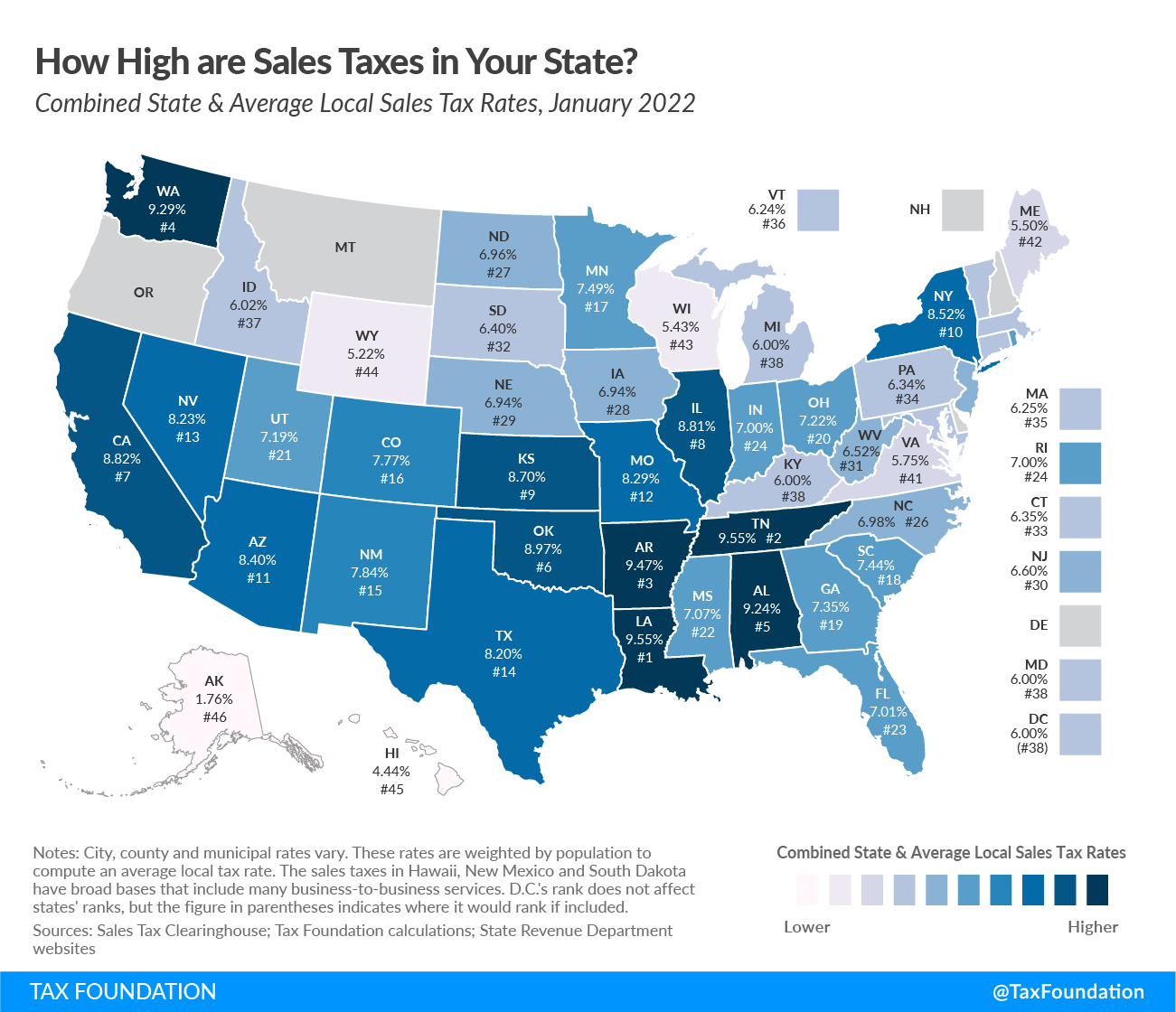
Where Colorado’s sales tax system truly becomes intricate is at the local level. Beyond the statewide rate, counties, cities, and various special districts (such as cultural facilities districts or transportation districts) have the authority to impose their own sales taxes. This means that the combined sales tax rate can vary dramatically from one municipality to another, sometimes even within the same county. For example, a purchase made in downtown Denver will likely have a different combined sales tax rate than an identical purchase made in Boulder or Colorado Springs. These local taxes are typically added on top of the state sales tax, resulting in a higher overall percentage. Tourists often encounter these varying rates when dining out, shopping for gifts, or even purchasing tickets to local attractions.
How Sales Tax Affects Your Purchases
For the average tourist, the impact of sales tax is felt directly at the point of purchase. When you’re handed a receipt, you’ll typically see the itemized cost of your goods, followed by a separate line item for sales tax. This can lead to a final price that is notably higher than the sticker price, particularly when combined with local taxes. It’s not uncommon for combined sales tax rates in popular tourist destinations to range from 4% to over 8% or even higher. Understanding this multi-layered system allows visitors to adjust their expectations and allocate funds appropriately. Whether you’re buying a new ski jacket in Breckenridge, enjoying craft beer in Denver’s LoDo district, or picking up a memento from the Garden of the Gods in Colorado Springs, always account for that additional percentage.
Navigating Sales Tax in Popular Colorado Destinations
As a tourist, the ever-changing sales tax rates across Colorado’s diverse landscape can be a significant factor in your travel budget. The combined rate often depends heavily on whether you’re exploring a bustling urban center, a serene mountain retreat, or a vibrant college town.
Major Cities and Their Rates
Colorado’s Front Range cities, which are home to the majority of the state’s population and many popular tourist attractions, typically have higher combined sales tax rates due to city and county levies.
- Denver: As the capital and largest city, Denver has one of the more complex sales tax structures. The combined rate includes state, county, and city taxes, often augmented by special district taxes that fund cultural institutions or transportation projects. When you shop at Cherry Creek or dine near the Denver Art Museum, expect a combined rate that can be among the highest in the state.
- Boulder: Known for its vibrant downtown and proximity to outdoor activities, Boulder also has a substantial combined sales tax rate. This includes the state, county, and city rates, often funding local amenities and services that enhance the visitor experience.
- Colorado Springs: Home to Pikes Peak and the Garden of the Gods, Colorado Springs typically has a combined rate that is lower than Denver or Boulder, but still significant. Tourists should factor this into purchases made for souvenirs, meals, and other taxable goods while exploring the area.
Ski Resorts and Tourist Towns
Colorado’s renowned ski resorts and charming mountain towns, while offering breathtaking scenery and world-class recreation, often have unique sales tax considerations. Many of these municipalities rely heavily on tourism revenue, and their local sales tax rates reflect this.
- Vail and Aspen: These luxury destinations are famous for their skiing and upscale amenities. While the price of goods and services is already premium, the local sales tax rates in places like Vail and Aspen can also be higher than the state average, contributing further to the overall cost of a trip. This ensures funding for the extensive infrastructure and services that support the resort experience.
- Breckenridge, Steamboat Springs, and Telluride: Similar to Vail and Aspen, these popular mountain towns depend on tourism. Their combined sales tax rates are often elevated to support local services, infrastructure, and the unique needs of a tourist-driven economy. When purchasing lift tickets, renting gear, or dining at a slope-side restaurant, expect these local taxes to be included.
- Estes Park: As the gateway to Rocky Mountain National Park, Estes Park also sees a significant tourist influx. Its local sales tax helps maintain the town’s charm and provides visitor services, so budgeting for this additional cost on souvenirs and meals is advisable.
When planning your itinerary, it’s wise to consider that the combined sales tax rate can differ considerably between these various locales. A quick online search for the specific city or town you’ll be visiting can often provide the most up-to-date combined sales tax information, helping you budget more accurately for all your purchases from Durango to Grand Junction.
Exemptions and Special Considerations for Visitors
While sales tax generally applies to most tangible goods purchased by tourists in Colorado, there are important distinctions and specific exemptions that visitors should be aware of. These can influence your budget and understanding of final costs.
What Goods and Services Might Be Exempt?
Not everything you purchase or consume in Colorado is subject to sales tax. Understanding these exemptions can help you plan your spending more effectively:
- Groceries: Most unprepared food items, or “groceries,” purchased for home consumption are generally exempt from state and many local sales taxes. This means if you’re buying ingredients to cook at your vacation rental, you’ll likely save on sales tax compared to dining out. However, prepared foods, hot foods, and restaurant meals are taxable.
- Services: As a general rule, services are not subject to Colorado sales tax unless they are specifically defined as taxable by state statute. This can include a wide range of activities, from guided tours (where the service itself is the primary offering, not a tangible good) to personal care services. However, always confirm, as some services integral to a taxable good (e.g., installation of a tangible product) may be taxable.
- Prescription Drugs: Prescription medications are exempt from sales tax.
- Medical Equipment: Certain medical supplies and equipment may also be exempt.
It’s important to differentiate between buying a physical item (like a souvenir t-shirt) and paying for an experience (like a rafting trip). The former is typically taxable, while the latter, if primarily a service, might not be.
Lodging Tax vs. Sales Tax
One common point of confusion for tourists is the difference between sales tax and lodging tax. While both increase the total cost of your stay, they are distinct taxes:
- Sales Tax: As discussed, this is applied to tangible personal property and certain services.
- Lodging Tax: This is a separate tax specifically levied on accommodations, such as hotels, motels, short-term rentals, and other lodging establishments. These taxes are often imposed at the city, county, and sometimes state level, and the rates can vary significantly. For instance, Denver has its own lodging tax that is separate from its general sales tax. When booking a hotel or Airbnb, you’ll see the lodging tax added to your bill, sometimes alongside a separate sales tax if any taxable services (e.g., mini-bar items) are also purchased. Always review your booking details carefully to understand the total cost, including all applicable taxes and fees.
Understanding Colorado’s Retail Delivery Fee
A relatively new addition to Colorado’s tax landscape, which tourists should be aware of, is the Retail Delivery Fee. Effective July 1, 2022, this fee applies to all deliveries by motor vehicle to a location in Colorado with at least one item of tangible personal property subject to state sales tax.
- How it Works: If you order food delivery to your hotel room, or have merchandise shipped to your Colorado address (perhaps a gift you purchased online from a local retailer), you will likely incur a small per-delivery fee. This fee is separate from sales tax and is intended to fund improvements to the state’s transportation infrastructure, including electric vehicle charging stations.
- Impact on Tourists: While individually small, this fee can add up if you frequently use delivery services during your trip, for example, for restaurant meals or grocery delivery to your vacation rental. It’s an additional, albeit minor, cost to factor into your convenience purchases.
Staying informed about these nuances will help you better predict the total expenditure for your trip to Colorado, whether you’re exploring Mesa Verde National Park or the Great Sand Dunes National Park and Preserve.
Practical Tips for Budgeting Sales Tax on Your Colorado Trip
Successfully navigating Colorado’s sales tax system is key to staying within your travel budget and avoiding any financial surprises. With varying rates across different cities and types of purchases, a proactive approach is always the best strategy.
Always Factor It In
The most fundamental tip for any tourist is to always assume that sales tax will be added to the sticker price of most goods. While the statewide rate is 2.9%, the combined local rates can push the total to 7%, 8%, or even higher in certain areas like Denver. When you see a souvenir priced at $20, mentally add an extra dollar or two (or more) to get a realistic final cost. This habit is especially important for larger purchases, such as outdoor gear, or for recurring expenses like daily meals and drinks. Over a multi-day trip, these seemingly small additions can accumulate into a significant sum. For instance, enjoying a concert at Red Rocks Park and Amphitheatre might involve purchases of merchandise and refreshments, all subject to the local combined rate.
Ask If Unsure

When in doubt, don’t hesitate to ask. Retailers, restaurant staff, and service providers are generally well-versed in the local tax rates. If you’re making a significant purchase or simply want clarity, politely inquire about the applicable sales tax. This is particularly useful in smaller towns or unique retail environments where the local tax structure might be less predictable. For example, if you’re purchasing artisanal goods from a local market, confirming the tax can provide peace of mind. While most point-of-sale systems automatically calculate and display the tax, a quick question can clarify any ambiguities before you commit to a purchase.
Digital Tools and Resources
In today’s digital age, numerous resources can help you predict sales tax rates with greater accuracy.
- Online Calculators: A simple online search for “sales tax calculator [city name] Colorado” can often provide you with the most current combined sales tax rate for a specific municipality. The Colorado Department of Revenue also provides information and tools for businesses that can be insightful for tourists.
- Budgeting Apps: Many personal finance and travel budgeting apps allow you to input estimated tax rates, helping you build a more accurate financial plan for your trip. When creating your budget, consider line items for shopping, dining, and activities, and then add a percentage buffer for sales tax.
- Checking Receipts: Always review your receipts after a purchase. Not only does this allow you to ensure accuracy, but it also helps you become familiar with the actual tax rates in different locations you visit, empowering you to adjust your future spending habits during your trip.
By actively factoring in sales tax, asking questions when necessary, and utilizing available digital resources, you can effectively manage your expenses and ensure that your trip to Colorado is as financially smooth as it is memorable. From landing at Denver International Airport to exploring the farthest corners of the state, being tax-aware will enhance your overall experience.
Conclusion
Yes, Colorado does indeed have sales tax, and for any tourist planning a visit, understanding its complexities is a fundamental aspect of responsible budgeting. Unlike a single, universal rate, the sales tax landscape in the Centennial State is a layered system, combining a statewide levy with various county, city, and special district taxes. This intricate structure means that the total percentage added to your purchases can fluctuate significantly from one stunning locale to another, whether you’re exploring the urban vibrancy of Denver or the pristine slopes of Vail.
By familiarizing yourself with these nuances – distinguishing between taxable goods and services, understanding the difference between sales tax and lodging tax, and even being aware of newer fees like the Retail Delivery Fee – you can avoid unexpected costs and allocate your travel funds more effectively. Practical strategies such as always accounting for tax in your mental calculations, not hesitating to ask vendors about applicable rates, and leveraging online resources will empower you to navigate Colorado’s financial landscape with confidence.
Ultimately, being informed about sales tax ensures that your focus remains on the breathtaking scenery, the rich local culture, and the unforgettable experiences that Colorado so generously offers. With this knowledge in hand, you can fully embrace your adventure, making every purchase a conscious decision and every moment a cherished memory, without the shadow of unforeseen expenses. Enjoy your tax-savvy journey through Colorado!## Does Colorado Have Sales Tax?
Planning a trip to the scenic state of Colorado involves more than just mapping out your itinerary to the Rocky Mountains or booking your ski rentals; it also requires a clear understanding of the local financial landscape. For many tourists, a crucial question arises regarding the cost of goods and services: “Does Colorado have sales tax?” The straightforward answer is yes, Colorado does levy a sales tax, and understanding its nuances is essential for effective budgeting and a smooth, surprise-free travel experience.
Sales tax in Colorado is not a one-size-fits-all figure. It’s a multi-layered system that combines a statewide rate with various local taxes imposed by counties, cities, and even special districts. This intricate structure means that the exact sales tax you pay can vary significantly depending on where you are within the state – from the bustling streets of Denver to the tranquil mountain towns of Aspen or Vail. For tourists, this translates into a need for awareness, ensuring that the final price of that souvenir, meal, or attraction ticket aligns with their financial expectations. By delving into the specifics of Colorado’s sales tax system, visitors can better prepare their budgets, avoid unexpected costs, and fully immerse themselves in the rich culture and diverse activities the Centennial State has to offer.
The Basics of Colorado Sales Tax for Tourists
Understanding the foundational elements of Colorado’s sales tax system is the first step for any informed tourist. While the concept of sales tax might be familiar, the specifics within Colorado present a unique combination of state and local levies that collectively determine the final cost of your purchases.
The Statewide Rate and What It Applies To
At its core, Colorado imposes a statewide sales tax rate that applies uniformly across all taxable transactions throughout the state. Currently, this rate is relatively modest compared to some other states. However, it’s crucial to remember that this state rate is just one component of the total sales tax. This tax is generally applied to the sale of tangible personal property – meaning physical goods – purchased for consumption or use. This includes everything from the food you buy at a restaurant, souvenirs from a local shop, clothing, electronics, and even cannabis products purchased from licensed dispensaries. Services, on the other hand, are typically not subject to state sales tax unless they are specifically enumerated as taxable by law. This distinction is important for tourists, as many experiential activities or professional services might not carry the same tax burden as a physical item.
Local Sales Taxes: A Complex Landscape
Where Colorado’s sales tax system truly becomes intricate is at the local level. Beyond the statewide rate, counties, cities, and various special districts (such as cultural facilities districts or transportation districts) have the authority to impose their own sales taxes. This means that the combined sales tax rate can vary dramatically from one municipality to another, sometimes even within the same county. For example, a purchase made in downtown Denver will likely have a different combined sales tax rate than an identical purchase made in Boulder or Colorado Springs. These local taxes are typically added on top of the state sales tax, resulting in a higher overall percentage. Tourists often encounter these varying rates when dining out, shopping for gifts, or even purchasing tickets to local attractions.
How Sales Tax Affects Your Purchases
For the average tourist, the impact of sales tax is felt directly at the point of purchase. When you’re handed a receipt, you’ll typically see the itemized cost of your goods, followed by a separate line item for sales tax. This can lead to a final price that is notably higher than the sticker price, particularly when combined with local taxes. It’s not uncommon for combined sales tax rates in popular tourist destinations to range from 4% to over 8% or even higher. Understanding this multi-layered system allows visitors to adjust their expectations and allocate funds appropriately. Whether you’re buying a new ski jacket in Breckenridge, enjoying craft beer in Denver’s LoDo district, or picking up a memento from the Garden of the Gods in Colorado Springs, always account for that additional percentage.
Navigating Sales Tax in Popular Colorado Destinations
As a tourist, the ever-changing sales tax rates across Colorado‘s diverse landscape can be a significant factor in your travel budget. The combined rate often depends heavily on whether you’re exploring a bustling urban center, a serene mountain retreat, or a vibrant college town.
Major Cities and Their Rates
Colorado’s Front Range cities, which are home to the majority of the state’s population and many popular tourist attractions, typically have higher combined sales tax rates due to city and county levies.
- Denver: As the capital and largest city, Denver has one of the more complex sales tax structures. The combined rate includes state, county, and city taxes, often augmented by special district taxes that fund cultural institutions or transportation projects. When you shop at Cherry Creek or dine near the Denver Art Museum, expect a combined rate that can be among the highest in the state.
- Boulder: Known for its vibrant downtown and proximity to outdoor activities, Boulder also has a substantial combined sales tax rate. This includes the state, county, and city rates, often funding local amenities and services that enhance the visitor experience.
- Colorado Springs: Home to Pikes Peak and the Garden of the Gods, Colorado Springs typically has a combined rate that is lower than Denver or Boulder, but still significant. Tourists should factor this into purchases made for souvenirs, meals, and other taxable goods while exploring the area.
Ski Resorts and Tourist Towns
Colorado’s renowned ski resorts and charming mountain towns, while offering breathtaking scenery and world-class recreation, often have unique sales tax considerations. Many of these municipalities rely heavily on tourism revenue, and their local sales tax rates reflect this.
- Vail and Aspen: These luxury destinations are famous for their skiing and upscale amenities. While the price of goods and services is already premium, the local sales tax rates in places like Vail and Aspen can also be higher than the state average, contributing further to the overall cost of a trip. This ensures funding for the extensive infrastructure and services that support the resort experience.
- Breckenridge, Steamboat Springs, and Telluride: Similar to Vail and Aspen, these popular mountain towns depend on tourism. Their combined sales tax rates are often elevated to support local services, infrastructure, and the unique needs of a tourist-driven economy. When purchasing lift tickets, renting gear, or dining at a slope-side restaurant, expect these local taxes to be included.
- Estes Park: As the gateway to Rocky Mountain National Park, Estes Park also sees a significant tourist influx. Its local sales tax helps maintain the town’s charm and provides visitor services, so budgeting for this additional cost on souvenirs and meals is advisable.
When planning your itinerary, it’s wise to consider that the combined sales tax rate can differ considerably between these various locales. A quick online search for the specific city or town you’ll be visiting can often provide the most up-to-date combined sales tax information, helping you budget more accurately for all your purchases from Durango to Grand Junction.
Exemptions and Special Considerations for Visitors
While sales tax generally applies to most tangible goods purchased by tourists in Colorado, there are important distinctions and specific exemptions that visitors should be aware of. These can influence your budget and understanding of final costs.
What Goods and Services Might Be Exempt?
Not everything you purchase or consume in Colorado is subject to sales tax. Understanding these exemptions can help you plan your spending more effectively:
- Groceries: Most unprepared food items, or “groceries,” purchased for home consumption are generally exempt from state and many local sales taxes. This means if you’re buying ingredients to cook at your vacation rental, you’ll likely save on sales tax compared to dining out. However, prepared foods, hot foods, and restaurant meals are taxable.
- Services: As a general rule, services are not subject to Colorado sales tax unless they are specifically defined as taxable by state statute. This can include a wide range of activities, from guided tours (where the service itself is the primary offering, not a tangible good) to personal care services. However, always confirm, as some services integral to a taxable good (e.g., installation of a tangible product) may be taxable.
- Prescription Drugs: Prescription medications are exempt from sales tax.
- Medical Equipment: Certain medical supplies and equipment may also be exempt.
It’s important to differentiate between buying a physical item (like a souvenir t-shirt) and paying for an experience (like a rafting trip). The former is typically taxable, while the latter, if primarily a service, might not be.
Lodging Tax vs. Sales Tax
One common point of confusion for tourists is the difference between sales tax and lodging tax. While both increase the total cost of your stay, they are distinct taxes:
- Sales Tax: As discussed, this is applied to tangible personal property and certain services.
- Lodging Tax: This is a separate tax specifically levied on accommodations, such as hotels, motels, short-term rentals, and other lodging establishments. These taxes are often imposed at the city, county, and sometimes state level, and the rates can vary significantly. For instance, Denver has its own lodging tax that is separate from its general sales tax. When booking a hotel or Airbnb, you’ll see the lodging tax added to your bill, sometimes alongside a separate sales tax if any taxable services (e.g., mini-bar items) are also purchased. Always review your booking details carefully to understand the total cost, including all applicable taxes and fees.
Understanding Colorado’s Retail Delivery Fee
A relatively new addition to Colorado’s tax landscape, which
LifeOutOfTheBox is a participant in the Amazon Services LLC Associates Program, an affiliate advertising program designed to provide a means for sites to earn advertising fees by advertising and linking to Amazon.com. Amazon, the Amazon logo, AmazonSupply, and the AmazonSupply logo are trademarks of Amazon.com, Inc. or its affiliates. As an Amazon Associate we earn affiliate commissions from qualifying purchases.