
The question of whether New York is a “right to work” state is a recurring one, often sparking debate and confusion. While the term “right to work” has specific legal and economic implications, its connection to the vibrant tourism and lifestyle scene of New York might seem tangential at first glance. However, understanding this designation can shed light on the broader economic landscape that underpins the state’s appeal for travelers, residents, and businesses alike. This article will delve into what “right to work” actually means, how it applies (or doesn’t apply) to New York, and what implications this might have for various aspects of the New York experience, from booking a stay at a luxury resort to exploring its iconic landmarks.
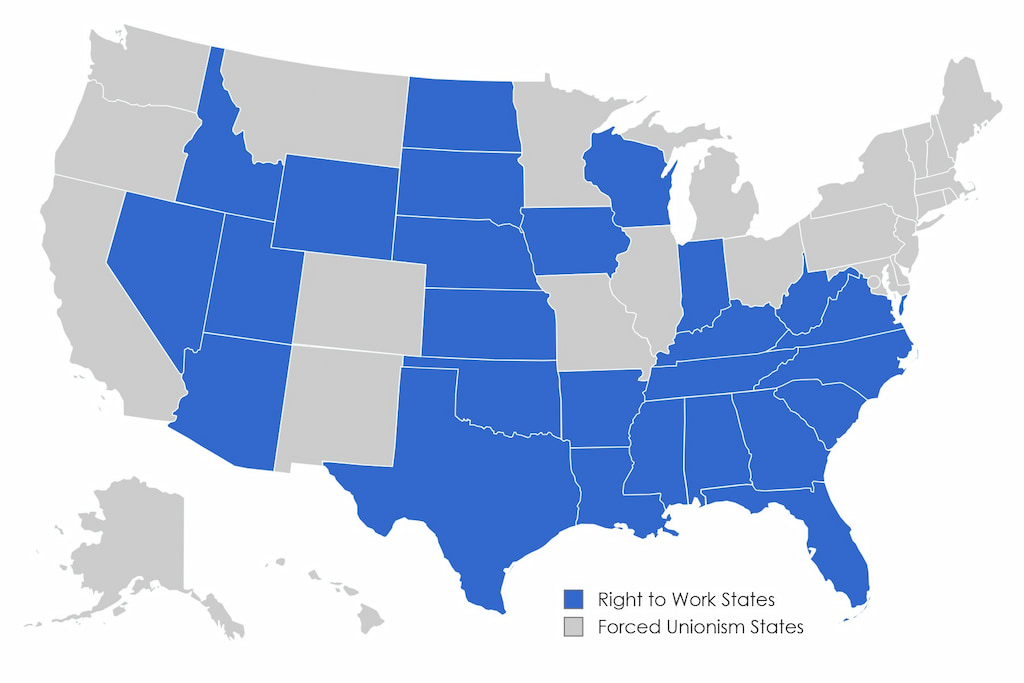
Understanding “Right to Work” Laws
Before we can definitively answer the question about New York, it’s crucial to understand the core principles of “right to work” legislation. At its heart, a right to work law dictates that an individual cannot be required to join a union or pay dues to a labor union as a condition of employment. This means that even if a workplace is unionized, employees have the choice to opt out of union membership and its associated fees, while still benefiting from the union’s negotiated wages, benefits, and working conditions.
The Legal Framework
The legal basis for these laws stems from the Taft-Hartley Act of 1947, a federal law that amended the National Labor Relations Act (NLRA). The Taft-Hartley Act grants individual states the authority to enact their own right to work laws. If a state chooses not to enact such a law, then Section 8(a)(3) of the NLRA, which allows for union security agreements (requiring union membership or fee payment), remains in effect within that state.
The implications of right to work laws are significant for both employers and employees. Proponents argue that these laws foster a more competitive business environment, attracting investment and job creation by reducing labor costs and limiting union power. They believe it upholds individual liberty, allowing workers to choose whether or not to associate with a union. Conversely, opponents contend that right to work laws weaken unions, leading to lower wages, reduced benefits, and poorer working conditions for employees. They argue that unions play a vital role in advocating for workers’ rights and that weakening them undermines the collective bargaining power that benefits entire industries and communities.
New York: A Union Stronghold
Now, let’s bring this discussion back to New York. The answer to whether New York is a right to work state is a clear and unequivocal no. New York has a long and robust history of supporting organized labor, and its laws firmly uphold the right of employers and unions to negotiate union security agreements. This means that in unionized workplaces in New York, employees can indeed be required to join the union or pay dues as a condition of their employment.
Historical Context and Labor Relations
New York‘s strong union presence is not a recent phenomenon. It’s deeply ingrained in the state’s industrial and economic history, particularly in sectors like manufacturing, transportation, and construction. Cities like New York City have been epicenters of labor organizing for over a century, with unions playing a pivotal role in shaping the livelihoods of countless workers and contributing to the state’s diverse cultural fabric.
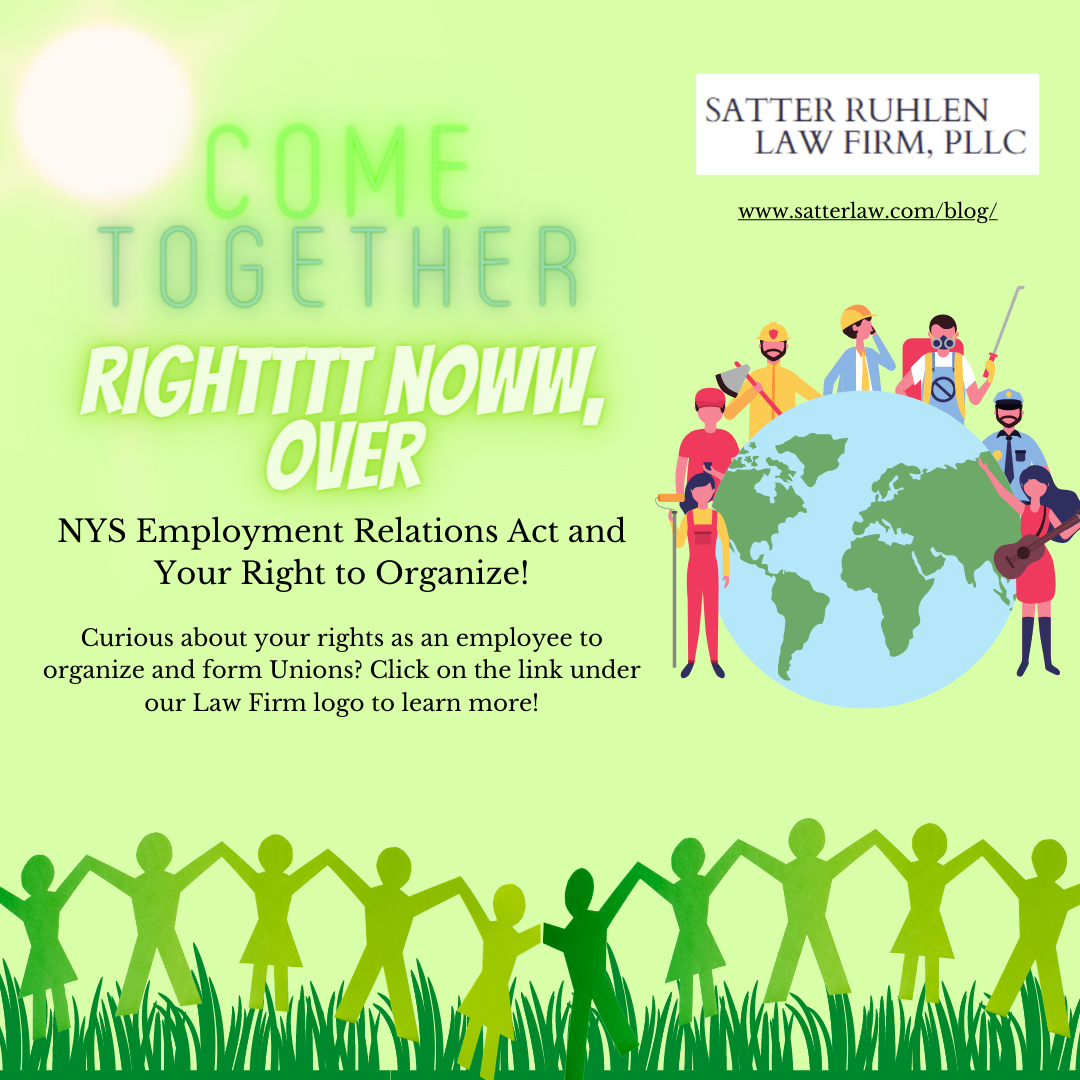
This historical commitment to collective bargaining has translated into a legal and political landscape that generally favors union rights. While there have been legislative debates and shifts over the years, the fundamental principle of allowing union security agreements has remained. This creates a distinct environment for labor relations compared to states that have adopted right to work legislation. For businesses operating in New York, this often means a different approach to employee relations and a greater emphasis on negotiation with established unions. For workers, it generally signifies a stronger framework for collective action and a greater degree of protection through union representation.
Implications for Travel, Tourism, and Lifestyle in New York
The distinction of New York not being a right to work state might not be the first thing that comes to mind when planning a vacation to Times Square or booking a suite at the Grand Hyatt Hotel. However, the underlying economic and labor dynamics can indirectly influence the experiences available to visitors and residents.
The Economic Engine of New York
New York‘s status as a non-right to work state contributes to its overall economic model. The presence of strong unions can lead to higher wages and better benefits in certain sectors, which in turn can influence consumer spending power and the demand for goods and services. This can translate into a more robust local economy, supporting a wide array of businesses, from high-end restaurants and boutique hotels to major attractions like the Metropolitan Museum of Art.
For the tourism industry, this can mean a workforce that is often well-trained and compensated, contributing to higher service standards. For example, the hospitality sector in New York City, with its vast array of hotels, from luxurious boutique hotels to sprawling resorts, relies heavily on a skilled workforce that has historically been influenced by union negotiations. This can lead to consistent service quality and a reliable experience for travelers.
Lifestyle and Cost of Living Considerations
The economic landscape shaped by New York‘s labor laws also plays a role in the cost of living and the overall lifestyle. Higher wages in unionized sectors can contribute to a higher cost of living, which can be a factor for individuals considering long-term stays or relocating to the state. This is particularly relevant for those exploring different lifestyle options, whether it’s luxury travel or more budget-conscious choices.
When booking accommodation, whether it’s a quaint bed and breakfast in the Adirondacks or a sleek apartment in Manhattan, the underlying economic conditions influence pricing. Similarly, the abundance of diverse tourism activities, from exploring the history of Liberty Island to enjoying the natural beauty of Niagara Falls, is supported by an economy with strong labor protections.
Business and Investment Climate
For businesses considering operating in New York, the absence of right to work laws is a significant factor. While it might mean different negotiation dynamics with labor unions, it also contributes to a more stable workforce and potentially higher overall consumer demand due to better wages. This can be appealing for businesses focused on long-term growth and market penetration, rather than solely on minimizing labor costs. The presence of iconic landmarks and world-class attractions continues to draw millions, and the economic stability that underpins these industries is a crucial component of that sustained success.
In conclusion, New York is definitively not a right to work state. This designation, rooted in federal law and state-specific choices, has tangible and intangible impacts on the state’s economy, labor relations, and consequently, on the experiences of those who visit, live, and work within its borders. From the bustling streets of New York City to the serene landscapes of upstate, the labor landscape is an integral part of the New York narrative.
LifeOutOfTheBox is a participant in the Amazon Services LLC Associates Program, an affiliate advertising program designed to provide a means for sites to earn advertising fees by advertising and linking to Amazon.com. Amazon, the Amazon logo, AmazonSupply, and the AmazonSupply logo are trademarks of Amazon.com, Inc. or its affiliates. As an Amazon Associate we earn affiliate commissions from qualifying purchases.