
The call of the open road, the hum of powerful machinery, and the satisfaction of keeping the lights on for millions – these are the hallmarks of a career as an electrical lineman. For those in the vast and dynamic state of Texas, this profession offers a stable, well-compensated, and often adventurous path. If you’ve ever looked up at the towering structures that carry electricity and wondered about the people who scale them, then this guide is for you. Becoming a lineman in Texas is a journey that requires dedication, physical fitness, and a commitment to safety, but the rewards can be substantial, offering a lifestyle that blends hard work with the unique experiences Texas has to offer.

This article will explore the essential steps and considerations for aspiring linemen in the Lone Star State, from understanding the role itself to navigating the training, certification, and job-seeking processes. We’ll delve into the diverse landscapes and communities across Texas where linemen are essential, touching upon the travel opportunities, the importance of reliable accommodation, and the local tourism that might be part of this demanding yet fulfilling career.
The Lineman’s Role: Powering Texas
At its core, an electrical lineman is responsible for installing, maintaining, and repairing the overhead and underground power lines that deliver electricity to homes, businesses, and industries. This isn’t a desk job; it’s a hands-on profession that often involves working at significant heights, in varying weather conditions, and sometimes in remote locations. The work is critical, ensuring that everything from the vibrant nightlife of Dallas to the agricultural heartlands of West Texas remains powered.
Essential Skills and Qualifications
Before embarking on the path to becoming a lineman, it’s crucial to understand the core competencies required. Physical strength and stamina are paramount. Linemen often need to climb poles, lift heavy equipment, and work for extended periods outdoors. Excellent eyesight and depth perception are also vital for safely navigating heights and working with intricate equipment. A strong understanding of safety protocols is non-negotiable, as the work inherently carries risks. This includes knowledge of electrical systems, tool usage, and emergency procedures.
While formal education isn’t always a prerequisite for entry-level positions, a high school diploma or GED is generally expected. More importantly, aspiring linemen need to be prepared for rigorous on-the-job training and potentially vocational programs. The ability to work effectively as part of a team is also crucial, as linemen often work in crews to complete complex tasks. Problem-solving skills are essential, as unexpected issues can arise on the job, requiring quick and decisive action.
Safety: The Paramount Concern
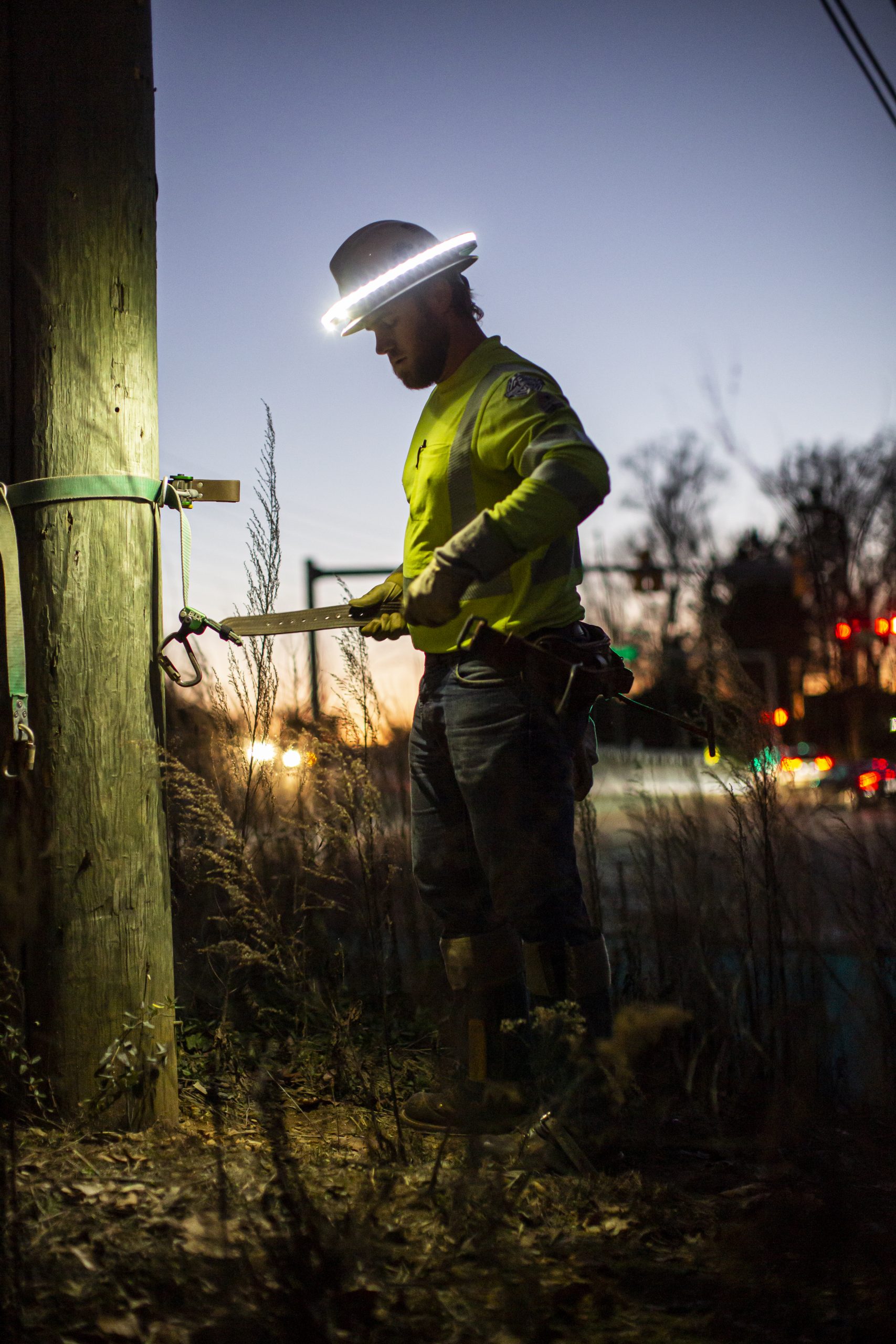
The life of a lineman is inherently challenging, and safety is always the top priority. Working with high-voltage electricity and at considerable heights demands an unwavering commitment to safety procedures. This includes wearing appropriate personal protective equipment (PPE) at all times, such as insulated gloves, hard hats, safety harnesses, and fire-resistant clothing. Linemen are trained to identify and mitigate potential hazards, from downed power lines to severe weather.
Regular safety training and certifications are a mandatory part of the job. Companies invest heavily in ensuring their crews are up-to-date on the latest safety standards and best practices. This dedication to safety not only protects the linemen themselves but also the communities they serve. When you consider the sprawling infrastructure that powers Texas, from the refineries near Houston to the wind farms in the Panhandle, the importance of a safety-conscious lineman cannot be overstated.
Your Pathway to Becoming a Lineman in Texas
Becoming a lineman in Texas typically involves a combination of education, hands-on training, and often an apprenticeship. While the specific routes can vary, the general progression remains consistent. Understanding these steps will provide a clear roadmap for your career aspirations.
Education and Training Programs
The first step for many aspiring linemen is to enroll in a vocational or technical school program that focuses on electrical technology or linework. These programs provide a foundational understanding of electrical theory, safety practices, and the tools and equipment used in the trade. Some reputable institutions across Texas offer such specialized courses. For example, many community colleges and trade schools have dedicated programs that can prepare you for entry-level positions or apprenticeships.
These educational programs often include classroom instruction and practical, hands-on training in controlled environments. Students learn about different types of electrical systems, pole climbing techniques, rigging, and troubleshooting. The curriculum is designed to equip individuals with the essential knowledge and skills needed to succeed in the demanding field of linework.

Apprenticeship: The Gold Standard
The most common and often preferred route to becoming a journeyman lineman is through an apprenticeship program. These programs are typically offered by utility companies, contractors, and labor unions. Apprenticeships combine on-the-job training with structured classroom instruction, allowing individuals to earn while they learn. The duration of an apprenticeship can vary, but it generally takes several years to complete.
During an apprenticeship, individuals work under the supervision of experienced journeyman linemen, gaining practical experience in all aspects of the job. This includes assisting with the installation and repair of power lines, learning to operate specialized equipment, and adhering to all safety protocols. The structured nature of an apprenticeship ensures that individuals develop a comprehensive skill set and a deep understanding of the profession. Many apprenticeships are registered with state or federal agencies, ensuring a high standard of training.
Obtaining Certifications and Licenses
While Texas doesn’t have a statewide mandatory licensing requirement for all linemen, many employers and unions prefer or require specific certifications. The most recognized certification is often through organizations like the National Center for Construction Education and Research (NCCER). Completing an accredited apprenticeship program often leads to an NCCER certification, which is highly valued by employers.
Beyond general linework certifications, there might be specialized certifications required for certain types of work, such as working with underground systems or specific types of electrical equipment. Staying up-to-date with industry standards and pursuing relevant certifications will enhance your employability and career prospects in Texas.
Exploring the Lineman Lifestyle in Texas
The career of a lineman in Texas is more than just a job; it’s a lifestyle. It involves a unique blend of physical demands, travel, and a sense of community. From the bustling metropolises to the vast rural landscapes, linemen are an integral part of the state’s infrastructure.
The Landscape of Opportunity Across Texas
Texas is a state of immense geographical diversity, and linemen are needed in every corner. From the piney woods of East Texas to the arid West Texas plains, and from the Gulf Coast to the Hill Country, the demand for skilled linemen is constant. This geographical spread means that the profession can offer significant travel opportunities. Linemen might find themselves working on projects in various cities and towns across the state, experiencing different local cultures and attractions.
Imagine working on a new transmission line project near San Antonio, then being called out for storm restoration near El Paso. This variety keeps the job dynamic and exposes linemen to the rich tapestry of Texas. Whether it’s the historic missions of San Antonio or the natural beauty of Big Bend National Park, the state offers a wealth of experiences to explore.
Accommodation and Lifestyle Considerations
The nature of linework often requires linemen to be away from home for extended periods, especially during major construction projects or emergency repairs. This necessitates reliable accommodation. Utility companies and contracting firms typically provide per diem or arrange for lodging, which can range from standard hotel rooms to more extended-stay options like apartments or villas, depending on the project’s duration and location.
For those who enjoy a lifestyle that involves travel, the lineman career can be very appealing. You’ll have the opportunity to see different parts of Texas, stay in various types of hotels, and experience local tourism. This could mean exploring the vibrant music scene in Austin, enjoying the culinary delights of Houston, or discovering hidden gems in smaller towns. The demand for linemen also means that job security is generally high, offering a stable income and the ability to build a comfortable life.
Building a Career and Community
The lineman profession fosters a strong sense of camaraderie and teamwork. Working together to overcome challenges, often in demanding conditions, builds deep bonds between crew members. This shared experience is a significant part of the lineman lifestyle. Many linemen also belong to unions, which provide a support network, advocate for fair wages and working conditions, and offer ongoing training and professional development opportunities.
For those seeking a career that is physically engaging, offers good earning potential, and provides the opportunity to contribute to the essential infrastructure of a great state like Texas, becoming a lineman is an excellent choice. It’s a path that rewards hard work, dedication, and a commitment to keeping the lights on for everyone.
LifeOutOfTheBox is a participant in the Amazon Services LLC Associates Program, an affiliate advertising program designed to provide a means for sites to earn advertising fees by advertising and linking to Amazon.com. Amazon, the Amazon logo, AmazonSupply, and the AmazonSupply logo are trademarks of Amazon.com, Inc. or its affiliates. As an Amazon Associate we earn affiliate commissions from qualifying purchases.