
Navigating the financial landscape of a new city can be as intricate as exploring its world-renowned attractions. For travelers, expatriates, and even short-term visitors considering a longer stay in the bustling metropolis of New York City, understanding local tax obligations is a crucial aspect of planning. While the primary allure of New York City often lies in its iconic landmarks, vibrant lifestyle, and diverse culinary scene, the practicalities of its tax structure are an essential consideration for anyone establishing a temporary or permanent residence. This article aims to demystify the New York City income tax, explaining its components, who it affects, and how it might impact your experience in the Empire State.
Understanding the Layers of Taxation in New York City
The concept of a “New York City income tax” is, in essence, a combination of state and local levies. Unlike some other major cities, New York City imposes its own municipal income tax on top of the New York State income tax. This dual taxation means that residents and, in some cases, non-residents who earn income within the city are subject to two distinct income tax frameworks. Understanding these layers is paramount for accurate financial planning, whether you’re booking a luxury suite at a Manhattan hotel for a week-long vacation, considering a long-term apartment rental in Brooklyn, or contemplating a business stay in the heart of Times Square.
The New York State Income Tax
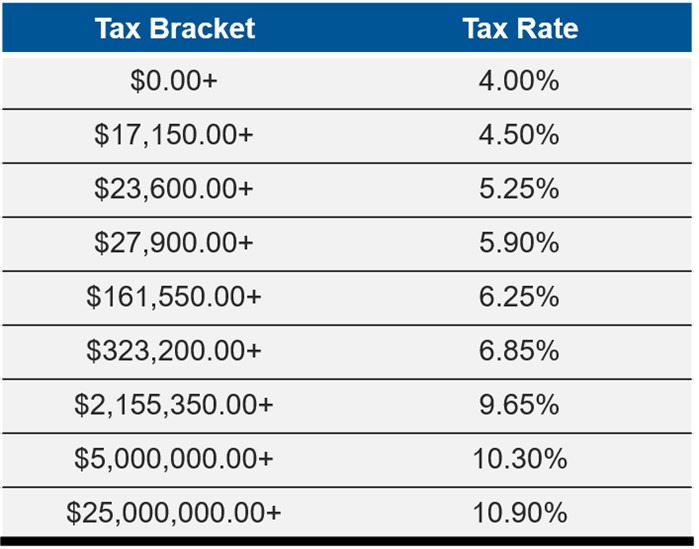
The foundation of income taxation for anyone living or earning in New York is the state income tax. This tax applies to individuals residing in New York State and those who earn income within the state, even if they are not residents. The New York State income tax is progressive, meaning that the tax rate increases as your income rises. The state utilizes a system of tax brackets, with varying rates applied to different income tiers.
Several factors influence your New York State income tax liability, including your filing status (e.g., single, married filing jointly, head of household), your total income, and any applicable deductions or credits. For individuals who are not residents of New York State but work in the state, a “non-resident” tax return must be filed, and tax is typically only paid on the income earned within New York State. This is a crucial distinction for business travelers or those who might be on extended assignments.
The New York City General Corporation Tax and the Personal Income Tax
Building upon the state-level taxation, New York City imposes its own income tax on individuals and corporations. This municipal tax adds another layer of complexity and financial consideration.
New York City Personal Income Tax (NYC PIT)
The New York City Personal Income Tax (NYC PIT) is levied on residents of New York City and, in some cases, on non-residents who earn income within the city limits. Similar to the state tax, the NYC PIT is also progressive, with tax rates that increase with income. The specific rates and brackets are set by the city and can be adjusted periodically.
Who is subject to the NYC PIT?
- New York City Residents: If you live in any of the five boroughs – Manhattan, Brooklyn, Queens, The Bronx, or Staten Island – and earn income, you are generally subject to the NYC PIT on all your income, regardless of where it was earned. This includes income from employment, self-employment, investments, and other sources.
- Non-Residents Working in New York City: If you live outside of New York City but earn income from a job or business located within the city, you will likely be subject to the NYC PIT on that portion of your income earned within the city. This is a critical point for individuals who commute into the city for work. The amount of tax owed will be based on the income sourced to New York City.
The calculation of the NYC PIT involves determining your federal and state taxable income and then applying the city’s tax rates. Deductions and credits available at the state level may also be applicable or have city-specific equivalents. Understanding the distinction between residency and sourcing of income is vital for accurate tax filing. For instance, a person staying at a short-term rental apartment in Murray Hill for a few months while working remotely for a New York City-based company might need to understand if their temporary stay constitutes residency or if their income is simply sourced to the city.
New York City General Corporation Tax (GCT)
While this article focuses on income tax for individuals, it’s worth noting that New York City also imposes a General Corporation Tax (GCT) on the income of corporations operating within the city. This tax is separate from the personal income tax and affects businesses, not individuals directly, though it can indirectly influence employment and economic activity.
Who Needs to Worry About the New York City Income Tax?
The question of who is liable for the New York City income tax depends on several factors, primarily residency and the source of income.
- Residents of New York City: As mentioned, if you consider any of the five boroughs your permanent home, you are generally considered a resident for tax purposes. This means your worldwide income is subject to both the New York State income tax and the New York City income tax. Establishing residency can be complex and involves factors like where you own property, where your family lives, and where you intend to return. Even if you are on an extended vacation, staying at a long-term stay accommodation or a resort like the Ritz-Carlton New York Central Park, your residency status outside of the city would determine your obligation.
- Non-Residents Earning Income in New York City: This category is broad and includes individuals who commute into the city for work, freelancers who perform services within the city, or even individuals who have passive income (like rental income from a property) sourced within the city. If you work remotely for a New York City company but live in New Jersey or Connecticut, for example, you will likely owe New York State income tax on your earnings. If your employer is based in New York City and you perform services within the city, you will also be subject to the New York City income tax on those earnings. This applies whether you are staying at a budget-friendly hotel in Midtown or a luxury villa in a suburban area, as the location of your work is the primary determinant.
- Part-Year Residents: Individuals who move into or out of New York City during the tax year will be considered part-year residents. They will be subject to New York State and New York City income taxes on income earned while they were residents and on income earned within the state and city while they were non-residents. This can be particularly relevant for digital nomads or those who relocate for a business opportunity, perhaps initially staying in serviced apartments before deciding on a permanent move.
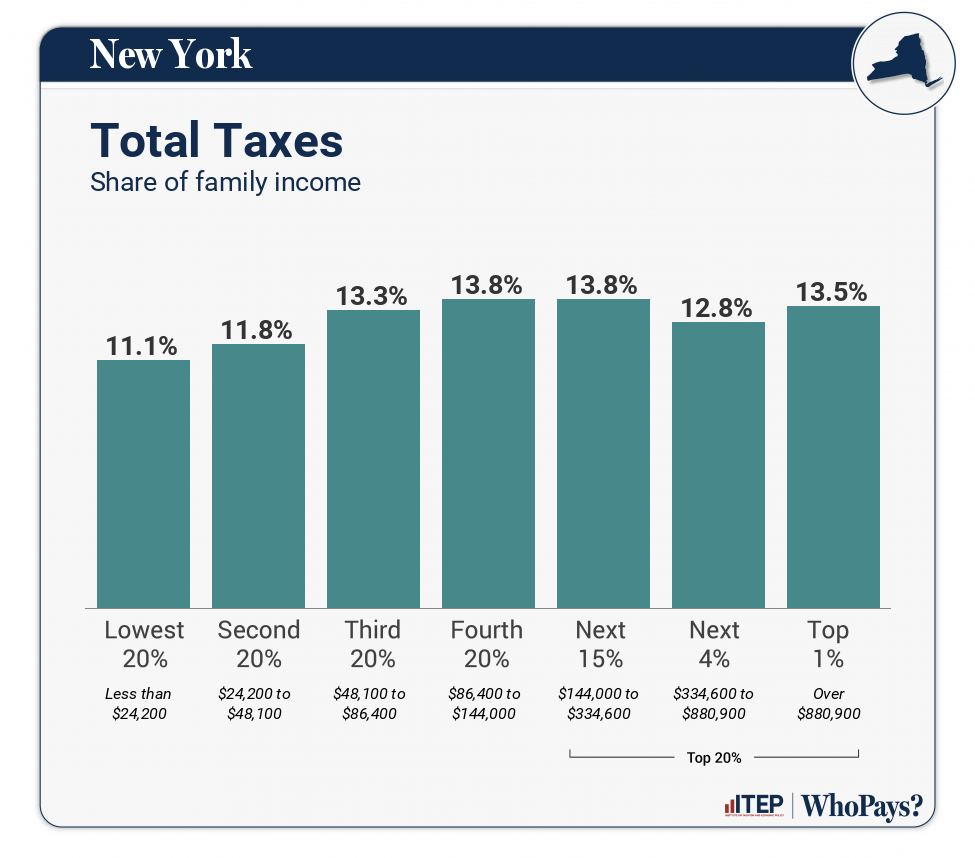
It’s important to note that the rules for determining residency and income sourcing can be nuanced. Consulting with a tax professional specializing in New York and New York City tax law is highly recommended for individuals with complex financial situations or those unsure of their obligations. This is especially true if you are considering a significant lifestyle change, such as moving from another country to live in a trendy apartment in SoHo or taking on a lengthy project that requires you to be physically present in the city.
Practical Implications for Travelers and Residents
The presence of a municipal income tax in New York City has several practical implications for various groups of people, from tourists to those considering a more permanent relocation. Understanding these implications can help you budget effectively and avoid unexpected financial burdens.
Budgeting for Your Stay
For travelers, the immediate impact of the New York City income tax is indirect, primarily affecting the cost of goods and services due to the city’s overall tax structure, which includes sales tax and other local levies. However, for those planning extended stays or considering relocation, the income tax becomes a direct financial consideration. If you’re looking at booking accommodation for more than a few weeks, perhaps an apartment rental in Greenwich Village, factor in that your income earned while residing there will be subject to city and state taxes. This could influence your decision between different neighborhoods or types of lodging, from serviced apartments to boutique hotels.
Tax Filing and Compliance
Complying with tax laws is a non-negotiable aspect of living or working in New York City. This means filing the appropriate state and city tax returns annually. For residents, this involves reporting all income. For non-residents earning income in the city, it means filing a non-resident return for the income sourced to New York City and New York State. This process can be time-consuming and complex, especially for those unfamiliar with the U.S. tax system or the specific regulations of New York. Many individuals opt for professional tax preparation services to ensure accuracy and maximize eligible deductions or credits. This is particularly true for expatriates or individuals with foreign income, who may have additional reporting requirements.
Impact on Lifestyle Choices
The tax implications can also influence broader lifestyle choices. For instance, the higher cost of living in New York City, which includes income taxes, might lead some to re-evaluate their housing options, opting for more affordable neighborhoods or smaller living spaces. It can also impact career decisions, particularly for freelancers or those with variable income streams, who need to accurately estimate their tax liability. Planning for taxes should be an integral part of your financial strategy, whether you’re dreaming of visiting the Statue of Liberty for a day or planning to make New York City your permanent home.
Navigating Tax Obligations: Tips for Peace of Mind
Successfully managing your tax obligations in New York City doesn’t have to be a daunting task. With a proactive approach and access to the right information, you can ensure compliance and avoid unnecessary stress, allowing you to fully enjoy the vibrant experiences the city has to offer, from exploring the cultural institutions of Museum Mile to enjoying the culinary delights of Chinatown.
Seek Professional Advice
For most individuals, especially those new to New York City or with complex financial situations, consulting with a qualified tax professional is invaluable. A tax advisor specializing in New York State and New York City tax law can provide personalized guidance on residency, income sourcing, deductions, credits, and filing requirements. They can help you understand the intricacies of the tax code, ensure you are taking advantage of all eligible tax benefits, and prepare your returns accurately. This is particularly crucial for expatriates, individuals with multiple sources of income, or those who own businesses.
Understand Your Residency Status
Clearly understanding whether you are considered a resident, non-resident, or part-year resident for tax purposes is fundamental. New York State and New York City have specific tests for determining residency, which often involve factors such as the location of your permanent home, your domicile, and your intent. If you are unsure, seeking clarification from a tax professional or the New York State Department of Taxation and Finance is essential. This knowledge is key for accurately filing your tax returns, whether you are staying in a serviced apartment in Chelsea or a family-friendly resort in upstate New York.
Keep Meticulous Records
Maintaining organized and detailed financial records is crucial for tax preparation and potential audits. This includes keeping records of income (pay stubs, invoices), expenses that may be deductible (e.g., business expenses, medical expenses), and receipts for any significant purchases. Good record-keeping will simplify the tax filing process and provide necessary documentation to support your tax return. This habit is beneficial whether you are a frequent business traveler staying at hotels like the Four Seasons Hotel New York Downtown or a long-term resident.

Stay Informed About Tax Law Changes
Tax laws are subject to change. New York State and New York City governments may adjust tax rates, brackets, deductions, and credits periodically. Staying informed about these changes through official government websites, reputable financial news sources, or by working with a tax professional ensures that you are always compliant and taking advantage of current tax provisions. This awareness is key to effective financial planning for your lifestyle in the city, whether you’re enjoying the nightlife of the Meatpacking District or exploring the historical architecture of Grand Central Terminal.
In conclusion, while the allure of New York City as a global hub for travel, culture, and commerce is undeniable, understanding its tax landscape is an essential part of the experience for anyone earning income within its boundaries. The New York City income tax, in conjunction with the state income tax, creates a layered tax obligation that requires careful consideration. By seeking professional advice, clarifying residency status, maintaining meticulous records, and staying informed, individuals can navigate these financial requirements effectively, ensuring a smoother and more enjoyable stay in the remarkable city of New York.
LifeOutOfTheBox is a participant in the Amazon Services LLC Associates Program, an affiliate advertising program designed to provide a means for sites to earn advertising fees by advertising and linking to Amazon.com. Amazon, the Amazon logo, AmazonSupply, and the AmazonSupply logo are trademarks of Amazon.com, Inc. or its affiliates. As an Amazon Associate we earn affiliate commissions from qualifying purchases.