
Embarking on a nursing career or considering a move to a new state often brings a critical question to the forefront: what is the earning potential, and how does it translate into a desirable lifestyle? For registered nurses, licensed practical nurses, and advanced practice registered nurses, Oregon presents a compelling professional landscape. Known for its stunning natural beauty, progressive culture, and robust healthcare system, Oregon offers more than just a job; it promises a particular way of life. Understanding nurse salaries in this vibrant Pacific Northwest state is essential for anyone planning their next career move or shaping their future lifestyle.
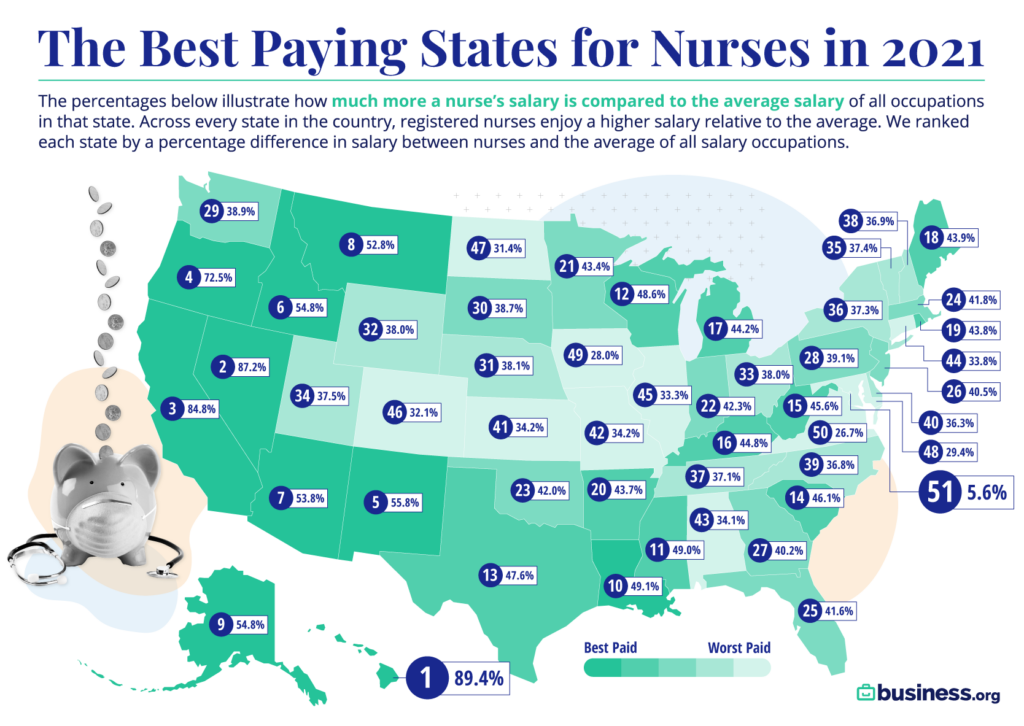
The financial compensation for nurses in Oregon is influenced by a myriad of factors, from the specific role and level of experience to the geographical location within the state and the type of healthcare facility. While national averages provide a general benchmark, local economic conditions, demand for healthcare professionals, and state-specific regulations play a significant role in determining actual take-home pay. For individuals envisioning a lifestyle enriched by Oregon’s outdoor adventures, culinary scene, or community-focused living, delving into the specifics of nursing salaries is the first step toward realizing that dream. This article will explore the financial realities for nurses in Oregon, contextualizing these figures within the broader lifestyle considerations of living in one of America’s most sought-after states.
Understanding the Nursing Landscape and Salary Potential in Oregon
Oregon’s healthcare sector is dynamic and continuously growing, fueled by an aging population, increasing demand for medical services, and a commitment to public health initiatives. This robust environment often translates into competitive salaries and attractive benefits for nursing professionals. However, the exact figures are far from uniform, varying significantly based on several key determinants. For prospective and current nurses, understanding these nuances is crucial for strategic career planning and lifestyle budgeting.
Factors Influencing Nurse Salaries
Several elements contribute to the wide range of salaries observed across the nursing profession in Oregon. The type of nursing license is perhaps the most fundamental differentiator. Registered Nurses (RNs) typically command higher salaries than Licensed Practical Nurses (LPNs) due to differences in education, scope of practice, and responsibilities. Advanced Practice Registered Nurses (APRNs), such as Nurse Practitioners (NPs), Certified Nurse Midwives (CNMs), and Certified Registered Nurse Anesthetists (CRNAs), earn considerably more, reflecting their specialized training, advanced clinical skills, and often independent practice authority.
Beyond the license, experience plays a pivotal role. Entry-level nurses will naturally start at a lower pay scale, but with each year of experience, their earning potential grows substantially. Nurses with 5, 10, or 15+ years of experience, especially those with specialized certifications or in leadership roles, can expect to see significant increases in their compensation. Specialty certifications in areas like critical care, oncology, pediatrics, or emergency medicine can also boost a nurse’s value and, consequently, their salary. These certifications demonstrate a commitment to excellence and a higher level of expertise, making these nurses highly sought after.
The geographical location within Oregon is another significant factor. Urban centers with a higher cost of living and a greater concentration of large hospital systems or specialized clinics, such as Portland, Salem, and Eugene, tend to offer higher salaries compared to more rural areas. However, rural areas might provide other benefits, such as a lower cost of living, a stronger sense of community, and potentially better work-life balance for those seeking a different lifestyle. The type of healthcare facility also matters; large university hospitals, private specialty clinics, and some government facilities may offer different pay scales and benefit packages than smaller community hospitals, nursing homes, or outpatient clinics. Travel nursing, while temporary, can also offer significantly higher short-term earnings due to the urgent demand and flexibility.
Typical Salary Ranges Across Nursing Roles
While exact figures fluctuate based on the factors mentioned above and change over time, general ranges can provide a useful guide for nurses in Oregon.
-
Licensed Practical Nurses (LPNs): LPNs in Oregon generally earn an average annual salary ranging from approximately $50,000 to $65,000. Entry-level positions might start lower, while experienced LPNs in high-demand settings could exceed this range. Their role typically involves providing basic patient care under the supervision of RNs or physicians.
-
Registered Nurses (RNs): RNs constitute the largest segment of the nursing workforce and command a broad salary spectrum. The average annual salary for an RN in Oregon often falls between $90,000 and $110,000. New graduates might expect to start in the low $80,000s, while highly experienced RNs, especially those in specialized units or leadership roles, can earn well over $120,000 annually. Oregon is often cited as one of the top-paying states for RNs nationally, making it an attractive destination.
-
Advanced Practice Registered Nurses (APRNs) / Nurse Practitioners (NPs): APRNs and NPs, with their advanced education and expanded scope of practice, are among the highest earners in the nursing field. Nurse Practitioners in Oregon typically earn an average annual salary ranging from $120,000 to $140,000, with specialists and those with extensive experience reaching upwards of $150,000 or more. Certified Registered Nurse Anesthetists (CRNAs) are often at the pinnacle of nursing salaries, with averages frequently exceeding $200,000 per year. These roles require significant investment in education but offer substantial financial rewards and professional autonomy, directly impacting a high-level lifestyle.
These figures represent base salaries and do not always include additional compensation such as shift differentials, overtime pay, bonuses, or comprehensive benefits packages (health insurance, retirement plans, paid time off, continuing education stipends), which can significantly increase a nurse’s overall financial well-being and contribute to their desired lifestyle.
Cost of Living in Oregon and its Lifestyle Implications
While Oregon offers competitive nursing salaries, the true measure of financial well-being and lifestyle quality is always relative to the cost of living. Oregon is known for being more expensive than the national average, particularly in its major metropolitan areas. Understanding these costs is crucial for nurses planning their budget and envisioning the kind of lifestyle their salary can afford.
Major Urban Centers vs. Rural Areas
The cost of living varies dramatically across Oregon. The [Portland](https://lifeoutofthebox.com/portland metropolitan area, which includes cities like Beaverton and Hillsboro, is by far the most expensive part of the state. Housing costs, in particular, are significantly higher here compared to the national average. Other sizable cities like Salem, Eugene, and Bend also command higher living expenses than smaller towns or rural counties. A nurse earning $100,000 in Portland might experience a different lifestyle quality than a nurse earning the same amount in Medford or a less populated area in eastern Oregon.
Rural areas, while offering lower housing costs, may come with trade-offs such as fewer amenities, longer commutes to specialized services, and potentially fewer job opportunities in certain nursing specialties. However, for those seeking a quieter, nature-centric lifestyle, the lower cost of living can make a competitive nursing salary go much further, allowing for greater savings or discretionary spending on hobbies and travel.
Housing, Transportation, and Everyday Expenses

Housing is typically the largest expense for any resident, and nurses in Oregon are no exception. Rent for a one-bedroom apartment in Portland can easily exceed $1,500-$2,000 per month, while purchasing a home requires a substantial investment, with median home prices well above the national average. In contrast, smaller cities or rural towns can offer rents starting around $1,000-$1,200 for a similar space, and home prices are more attainable.
Transportation costs are also a significant consideration. While Portland has a relatively robust public transit system (TriMet), many areas of Oregon require a car. Gas prices, car insurance, and maintenance add up. For nurses working night shifts or commuting from surrounding areas, these costs are unavoidable.
Everyday expenses, including groceries, utilities, and healthcare, also contribute to the overall cost of living. While groceries might be comparable to national averages, utility costs can fluctuate based on heating and cooling needs, especially in areas with more extreme weather. Oregon does not have a sales tax, which is a financial benefit, but it has one of the highest state income tax rates, which can impact a nurse’s net income. Nurses must factor in these elements when evaluating their potential lifestyle in Oregon. A high salary is excellent, but its value is defined by what it can purchase and save after essential expenses are covered.
Maximizing Your Earning Potential and Enhancing Your Lifestyle
For nurses aiming to thrive financially and enjoy the diverse lifestyle Oregon has to offer, strategic career planning and continuous professional development are key. The nursing profession provides numerous pathways for advancement, each with the potential to boost earnings and improve overall job satisfaction.
Continuing Education and Certifications
One of the most effective ways for nurses to increase their salary is through continuing education and specialized certifications. Earning a Bachelor of Science in Nursing (BSN) often leads to higher pay compared to an Associate Degree in Nursing (ADN), and many hospitals offer incentives or require BSNs for certain positions. Pursuing a Master of Science in Nursing (MSN) or a Doctor of Nursing Practice (DNP) can open doors to advanced practice roles like NPs, clinical nurse specialists, nurse educators, or nurse administrators, all of which come with substantially higher earning potential. Many healthcare systems in Oregon offer tuition reimbursement programs, making these educational investments more accessible.
Beyond degrees, obtaining specialty certifications (e.g., CCRN for critical care, OCN for oncology, CEN for emergency nursing) demonstrates expertise and commitment to a particular field. These certifications often result in a pay differential or make a nurse a more competitive candidate for higher-paying roles. Investing in professional development not only enhances a nurse’s skills and knowledge but also directly impacts their long-term financial stability and capacity to enjoy a comfortable lifestyle.
Negotiating Salaries and Benefits
Many nurses, especially early in their careers, may not realize the power of negotiation. When accepting a new position or during annual reviews, nurses can often negotiate their starting salary, sign-on bonuses, relocation packages, and benefits. Researching average salaries for similar roles in the specific geographic area and demonstrating unique skills or experiences can strengthen a negotiating position.
Beyond base pay, a robust benefits package is a significant part of a nurse’s overall compensation and lifestyle. This can include comprehensive health, dental, and vision insurance; generous paid time off (PTO); retirement plans (e.g., 401k with employer match); and access to professional development funds. Some employers also offer unique perks like childcare assistance, fitness center memberships, or discounts on public transportation. Evaluating the total compensation package, not just the hourly wage, is essential for a holistic understanding of how a job contributes to one’s desired lifestyle in Oregon.
Oregon’s Quality of Life for Healthcare Professionals
Beyond the numbers, Oregon offers a distinct quality of life that attracts many healthcare professionals. The state’s unique blend of urban sophistication, small-town charm, and unparalleled natural beauty creates an environment conducive to a balanced and fulfilling lifestyle.
Work-Life Balance and Outdoor Pursuits
For nurses, known for their demanding schedules, work-life balance is a critical component of a sustainable career. Many healthcare facilities in Oregon recognize this and strive to offer schedules that promote well-being, though the realities of nursing often involve long shifts and demanding situations. However, Oregon’s geographic appeal makes escaping work pressures incredibly accessible.
From the rugged Pacific Coast to the majestic Cascade Mountains and the high desert of Eastern Oregon, the state is an outdoor enthusiast’s paradise. Nurses can spend their days off hiking, biking, skiing, snowboarding, surfing, kayaking, or exploring countless national parks and forests. This ready access to nature provides a powerful antidote to work-related stress and is a significant draw for those prioritizing an active, outdoor-oriented lifestyle. Portland itself is renowned for its parks and green spaces, offering urban dwellers a slice of nature within the city.
Community and Professional Growth Opportunities
Oregon fosters a strong sense of community, both generally and within the healthcare sector. Professional nursing organizations are active, providing networking opportunities, advocacy, and continuing education. Major healthcare systems, such as Oregon Health & Science University (OHSU), Legacy Health, Providence Health & Services, and Kaiser Permanente, are significant employers that offer a wide array of career paths and opportunities for professional growth. These institutions are often at the forefront of medical research and innovation, providing nurses with access to advanced training and specialized practice.
The state’s progressive policies, including its commitment to environmental sustainability and social equity, resonate with many healthcare professionals who are drawn to a community that aligns with their values. This cultural fit, combined with a competitive salary and abundant recreational opportunities, contributes to a high overall quality of life for nurses in Oregon.
Is a Nursing Career in Oregon Right for Your Lifestyle?
For many, a nursing career in Oregon offers an attractive blend of professional opportunity, competitive compensation, and an unparalleled quality of life. The state consistently ranks high for nurse salaries, particularly for RNs and APRNs, reflecting the demand for skilled healthcare professionals. While the cost of living, especially in metropolitan areas, requires careful budgeting, the earning potential often allows for a comfortable and fulfilling lifestyle.
Ultimately, the decision to pursue or continue a nursing career in Oregon depends on individual priorities. For those who value access to stunning natural landscapes, a vibrant cultural scene, and a progressive community, alongside a rewarding and well-compensated profession, Oregon presents a compelling option. By thoroughly understanding the salary landscape, factoring in the cost of living, and strategically planning for professional growth, nurses can build a lifestyle in Oregon that is both financially secure and personally enriching. The journey to a thriving nursing career in the Pacific Northwest begins with informed decisions, laying the groundwork for a life well-lived.
LifeOutOfTheBox is a participant in the Amazon Services LLC Associates Program, an affiliate advertising program designed to provide a means for sites to earn advertising fees by advertising and linking to Amazon.com. Amazon, the Amazon logo, AmazonSupply, and the AmazonSupply logo are trademarks of Amazon.com, Inc. or its affiliates. As an Amazon Associate we earn affiliate commissions from qualifying purchases.