
The question “What Is The Population Of New York State?” is more than just a number; it’s a gateway to understanding the vibrant tapestry of life within one of America’s most iconic states. While the exact figure fluctuates with each passing day, driven by births, deaths, and migration, understanding the current population provides crucial context for anyone interested in New York State as a destination, a place to live, or an economic powerhouse. This exploration delves into the latest population estimates, examines the demographic makeup, and considers how this vast human presence shapes the state’s allure for travelers, residents, and businesses alike.

Understanding the Scale: New York’s Population Today
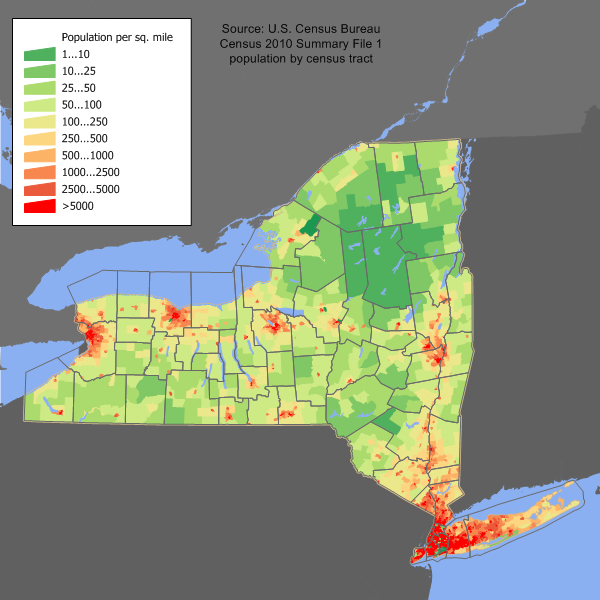
As of the most recent estimates, the population of New York State hovers around the 20 million mark. This figure places it among the most populous states in the United States, consistently ranking within the top three or four. This substantial number signifies a dense concentration of people, particularly in its major urban centers, and hints at the diverse range of experiences and opportunities available across the state.
The Influence of New York City
It is impossible to discuss the population of New York State without acknowledging the overwhelming influence of New York City. This global metropolis, comprising five boroughs – Manhattan, Brooklyn, Queens, the Bronx, and Staten Island – is home to over 8 million residents. This concentration means that a significant percentage of the state’s total population resides within the city limits, driving its dynamic culture, its economic engine, and its world-renowned attractions. The sheer density of New York City impacts everything from housing markets and transportation infrastructure to the sheer number of restaurants and hotels catering to millions of visitors annually.
Beyond the Metropolis: Upstate’s Diverse Communities
While New York City dominates the population landscape, the rest of New York State, often referred to as “Upstate New York,” is far from sparsely populated. It is a region characterized by its own unique geography, from the majestic Adirondack Mountains and the stunning beauty of the Finger Lakes to the historical significance of the Hudson Valley. Significant urban centers such as Buffalo, Rochester, Syracuse, and the state capital, Albany, are home to hundreds of thousands of residents each. These cities contribute to the state’s overall population count and offer distinct cultural experiences, educational institutions, and economic opportunities, often focused on different industries than those in the downstate region. The diverse natural landscapes also support smaller towns and rural communities, each with its own character and contribution to the state’s rich human mosaic.
Demographic Snapshot: Who Lives in New York State?
The population of New York State is as diverse as its landscapes. It’s a melting pot of ethnicities, ages, and backgrounds, reflecting centuries of immigration and internal migration. This demographic richness is a key factor in the state’s cultural vibrancy and its appeal to a wide range of travelers and residents.
A Mosaic of Cultures and Ethnicities
New York State has long been a primary destination for immigrants from around the globe. This legacy is evident in the state’s incredibly diverse population. New York City, in particular, is renowned for its distinct ethnic neighborhoods, from Chinatown and Little Italy to vibrant communities representing populations from Latin America, Africa, Asia, and Europe. This cultural fusion is not confined to the city; Upstate communities also boast rich histories of immigration, contributing to a diverse and dynamic social fabric across the entire state. This diversity manifests in the culinary scene, artistic expressions, festivals, and the everyday interactions that make New York State such a fascinating place to explore.

Age Distribution and Workforce
Understanding the age distribution of New York State’s population is crucial for comprehending its economic dynamics and social needs. Like many developed regions, New York State has a significant proportion of its population in the working-age demographic, fueling its robust economy. The presence of numerous universities and colleges, such as Columbia University and New York University in New York City, and institutions like Cornell University in Ithaca, attract young talent and contribute to a dynamic workforce. Concurrently, the state also has a growing senior population, necessitating considerations for healthcare, retirement communities, and accessible tourism. This age diversity shapes the demand for various accommodations, from family-friendly resorts and lively city hotels to quieter, long-term stays in more relaxed settings.
Urban vs. Rural Divide
The population distribution in New York State highlights a significant urban-rural divide. As mentioned, the vast majority of residents are concentrated in metropolitan areas, particularly New York City and its surrounding suburbs, as well as the larger cities in Upstate. This concentration leads to high population densities, a demand for extensive public transportation systems, and a vibrant urban lifestyle. In contrast, vast stretches of Upstate New York are characterized by more rural settings, with lower population densities. These areas often attract those seeking a slower pace of life, a connection with nature, or a more affordable cost of living. This dichotomy influences travel experiences, with opportunities ranging from the bustling energy of Times Square and the cultural richness of Broadway to the serene beauty of the Catskill Mountains and the charming small towns dotting the countryside.
Population Dynamics and Their Impact
The population of New York State is not static; it’s a dynamic entity influenced by economic trends, lifestyle choices, and global events. These shifts have profound implications for tourism, the hospitality industry, and the overall experience of visiting or residing in the state.
Migration Patterns: In and Out
New York State has historically been a magnet for both domestic and international migration. While New York City continues to attract a global influx of talent and ambition, there have also been periods of out-migration, particularly from the city to more affordable suburban or exurban areas, or even to other states. Understanding these migration patterns is key to anticipating demographic shifts and their impact on various sectors. For the tourism industry, sustained international and domestic migration into key areas like New York City ensures a constant flow of new visitors familiar with different cultures and expectations, influencing the demand for diverse lodging options and specialized attractions.
Economic Drivers and Population Growth
The economic health of New York State is intrinsically linked to its population. Key industries, including finance in Wall Street, technology, media, healthcare, and tourism, create job opportunities that draw people to the state. Conversely, economic downturns can lead to population stagnation or decline. The state’s ability to foster a strong and diverse economy is crucial for maintaining and growing its population. For travelers, a robust economy often translates to more vibrant cultural scenes, better-maintained attractions like the Statue of Liberty or the Metropolitan Museum of Art, and a wider array of hotels and dining experiences, from luxury suites at the Plaza Hotel to budget-friendly apartments.
The Tourism Nexus: Population and Visitor Experience
The sheer population of New York State, especially the dense concentration in its urban centers, is a fundamental reason for its status as a top global tourist destination. Millions of residents create a built-in audience for cultural institutions, entertainment venues, and culinary hotspots. Furthermore, this large population base supports a vast and sophisticated tourism infrastructure. World-class hotels, from the iconic Waldorf Astoria New York to boutique stays in SoHo, cater to every imaginable need and budget. The abundance of attractions, from historical landmarks like the Empire State Building to natural wonders like Niagara Falls, is a direct consequence of the state’s ability to support and attract large numbers of people. The vibrant local culture, fueled by its diverse population, provides endless opportunities for unique experiences, be it exploring the art galleries of Chelsea or enjoying local cuisine in the diverse neighborhoods of Queens. The population of New York State is, therefore, not just a statistic but a foundational element that shapes its identity, its attractions, and the unparalleled travel experiences it offers.
LifeOutOfTheBox is a participant in the Amazon Services LLC Associates Program, an affiliate advertising program designed to provide a means for sites to earn advertising fees by advertising and linking to Amazon.com. Amazon, the Amazon logo, AmazonSupply, and the AmazonSupply logo are trademarks of Amazon.com, Inc. or its affiliates. As an Amazon Associate we earn affiliate commissions from qualifying purchases.