
When travelers envision the mysterious, mist-covered wetlands of the deep southern United States, the image of a prehistoric reptile gliding silently through the tea-colored water is almost always present. Louisiana is a state defined by its relationship with water, from the mighty Mississippi River to the sprawling coastal marshes of the Gulf of Mexico. For many visitors planning a trip to New Orleans or the surrounding parishes, a primary question often arises: does the state host alligators, crocodiles, or both?
Understanding the distinction is not just a matter of biological curiosity; it is a central part of the Louisiana tourism experience. The presence of these reptiles influences everything from local folklore and culinary traditions to the thriving industry of eco-tours. To truly appreciate the ecology of North America, one must dive deep into the brackish waters of the bayou to discover which of these ancient giants calls this region home.
The American Alligator: The Unchallenged King of the Bayou
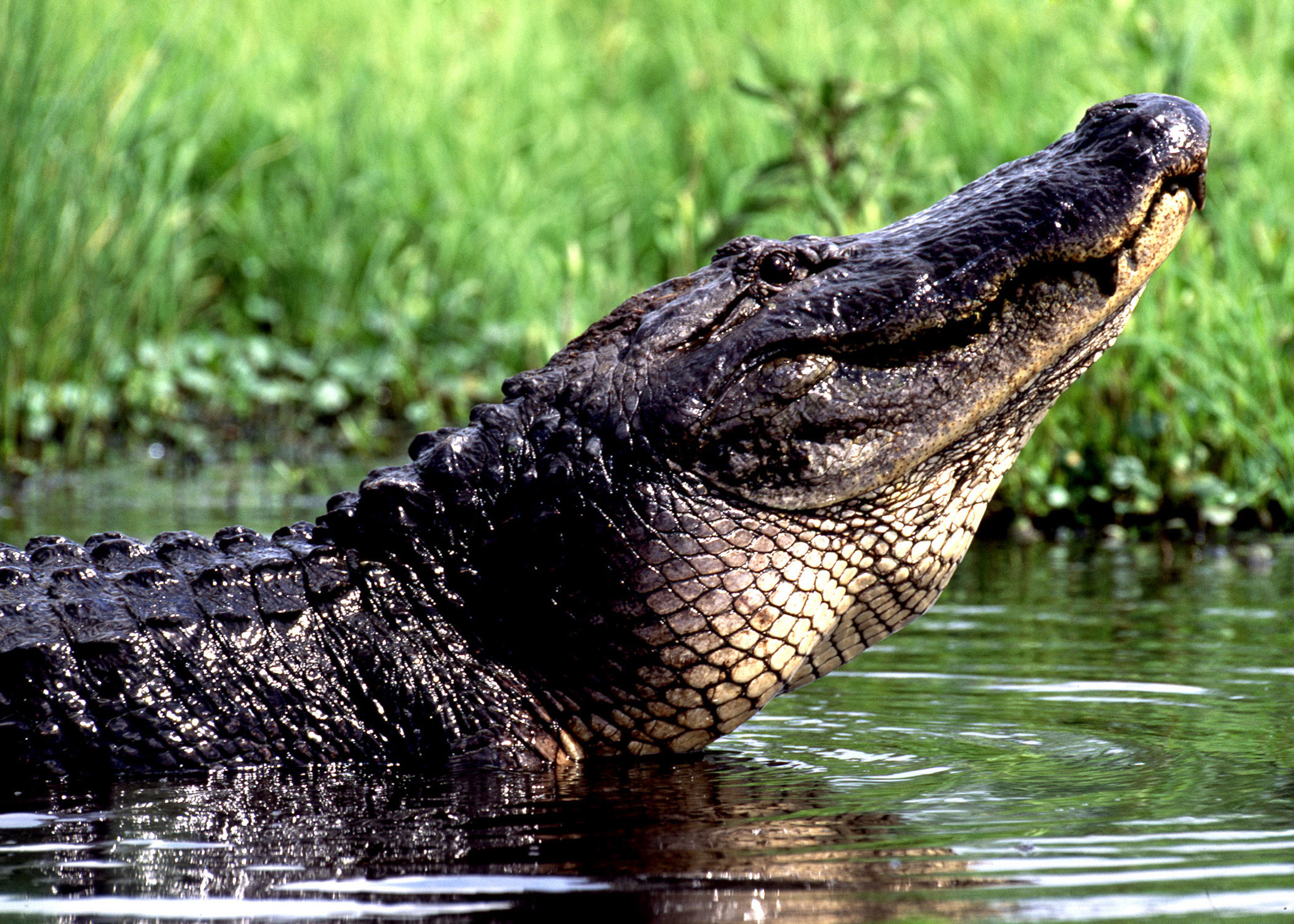
In Louisiana, the alligator is not just a common sight; it is an icon. The American Alligator (Alligator mississippiensis) is the official state reptile and serves as a primary draw for thousands of tourists who flock to the region every year. Unlike other parts of the world where multiple crocodilian species might overlap, the alligator reigns supreme here with virtually no competition.
A Thriving Population and Conservation Success
Louisiana boasts one of the largest alligator populations in the world, estimated at around 2 million individuals in the wild. This was not always the case. In the mid-20th century, overhunting and habitat loss led to a drastic decline in numbers, landing the species on the endangered list. However, thanks to rigorous conservation efforts and regulated sustainable harvesting programs, the population has rebounded spectacularly.
Today, visitors traveling through the Atchafalaya Basin or visiting the outskirts of Baton Rouge are almost guaranteed a sighting. The state’s management program is now considered a global model for wildlife conservation, balancing the needs of the ecosystem with the economic interests of the Louisiana people.
Biology and Behavior in the Fresh Waters
The American Alligator is specifically adapted to the freshwater environments found throughout the state. While they can tolerate brackish water for short periods, they lack the salt-excreting glands that allow true crocodiles to live in highly saline environments. This biological limitation defines where you will find them. They prefer the slow-moving rivers, lakes, and swamps like Lake Pontchartrain and the marshes of the Jean Lafitte National Historical Park and Preserve.
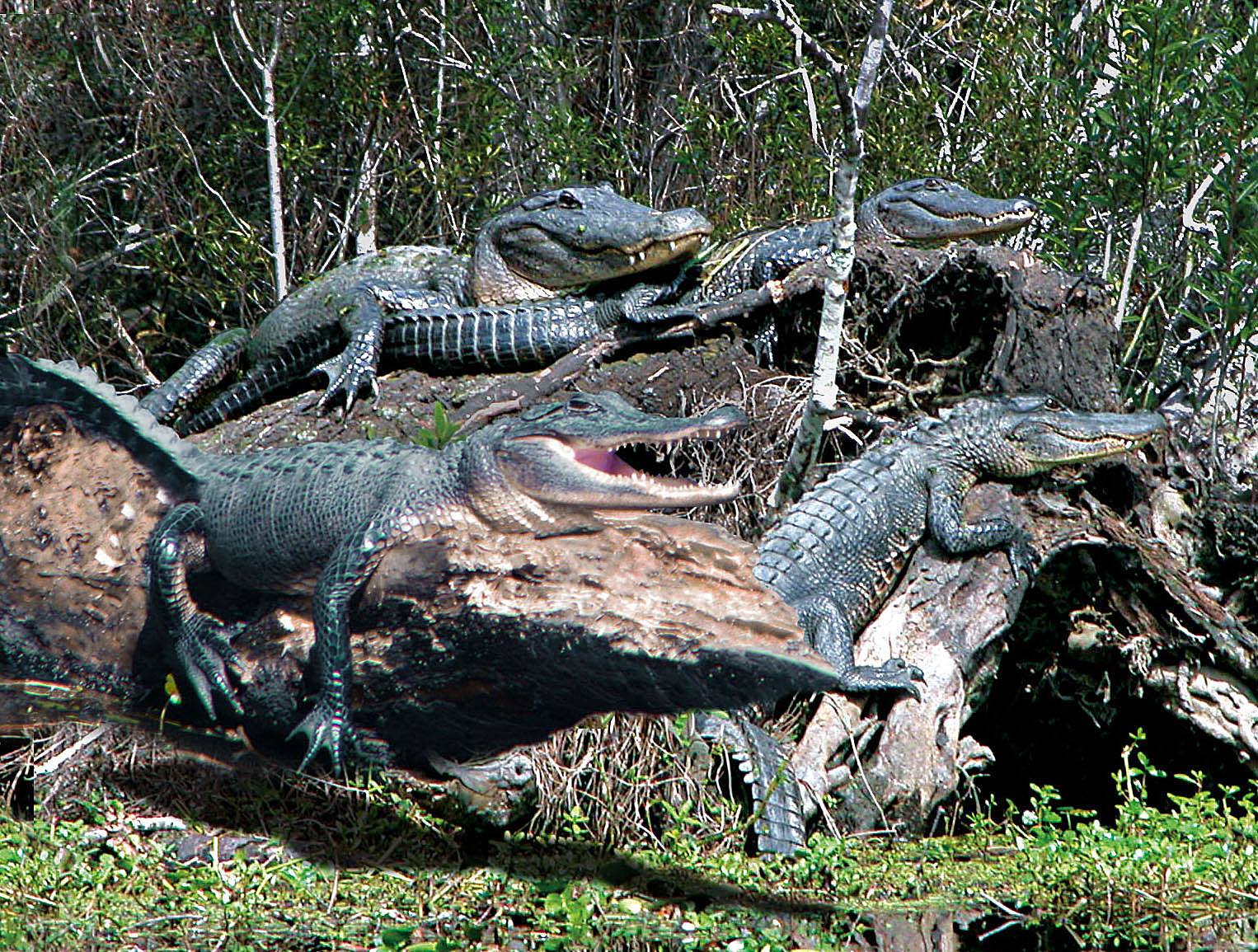
Alligators are generally less aggressive than their crocodile cousins. They are opportunistic feeders, often spending their days sunning on logs to regulate their body temperature. For a tourist on a boat tour near Slidell, seeing an alligator is a lesson in patience and camouflage, as these reptiles can remain perfectly still, looking like nothing more than a floating log until they decide to move.
Addressing the Crocodile Question: Are There Any in Louisiana?
The short answer to whether Louisiana has crocodiles is: practically no. While both belong to the order Crocodylia, they are distinct families. The confusion often stems from the fact that Florida is the only place in the United States where both alligators and crocodiles coexist naturally.
The Range of the American Crocodile
The American Crocodile (Crocodylus acutus) is a creature of tropical and subtropical climates. Its natural range in the United States is strictly limited to the southern tip of Florida, specifically around Everglades National Park and the Florida Keys. Crocodiles are far more sensitive to cold than alligators. Because Louisiana experiences occasional freezing temperatures during the winter, the environment is generally too harsh for crocodiles to establish a permanent, breeding population.
While there have been incredibly rare reports of “stragglers” or escaped pets, there is no documented wild population of crocodiles in the state. If you see a large, toothy reptile while exploring the Honey Island Swamp, you can be 99.9% certain it is an alligator.
Distinguishing Between the Two Species
For the curious traveler, knowing the physical differences is key to identifying what you see in the wild or at educational centers like the Audubon Zoo in New Orleans.
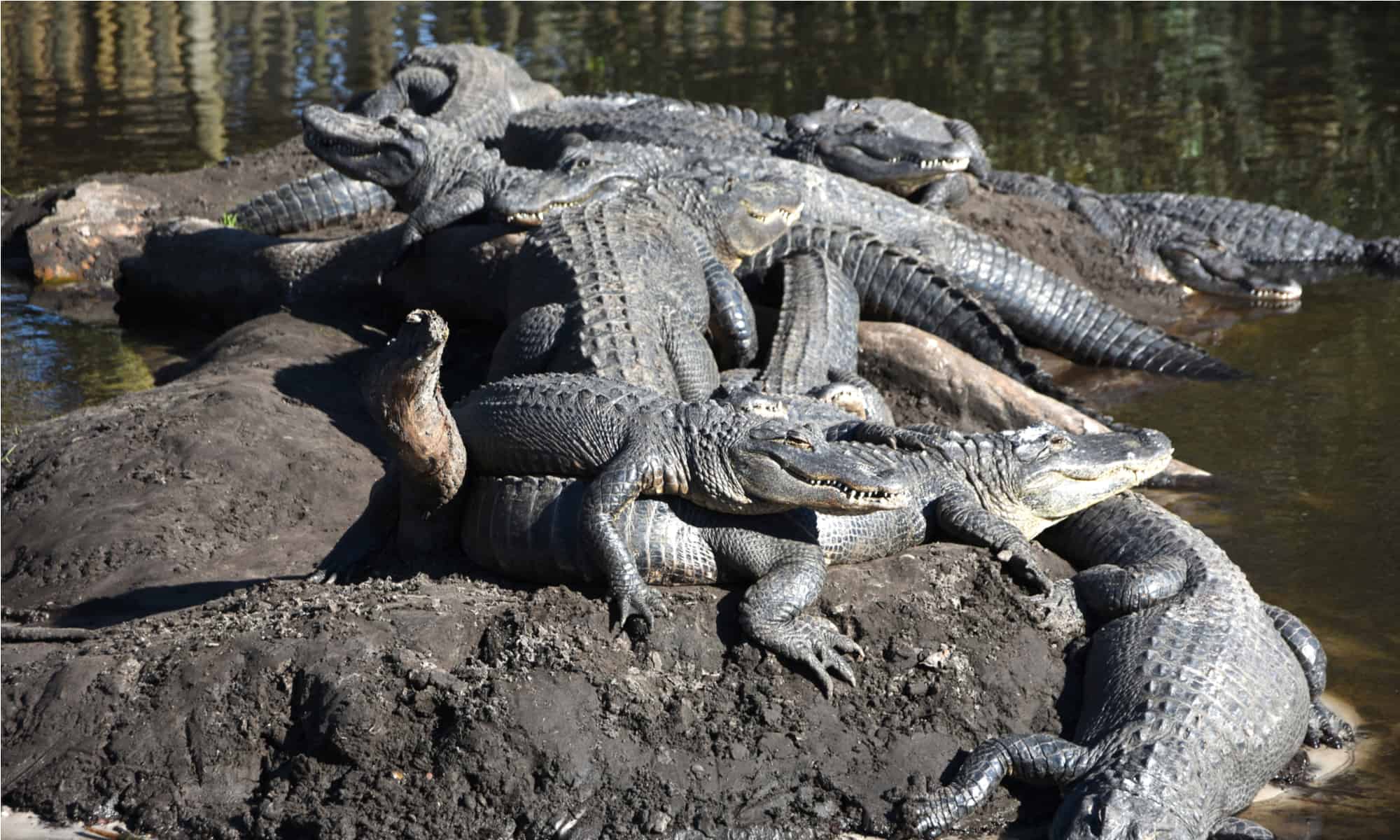
- Snout Shape: Alligators have a wide, U-shaped, rounded snout, which is designed for crushing shells and prey. Crocodiles have a longer, more pointed V-shaped snout.
- The Teeth: When an alligator closes its mouth, its lower teeth are mostly hidden. In contrast, when a crocodile closes its mouth, the large fourth tooth on the lower jaw remains visible over the upper lip, giving it a “toothy” grin.
- Color: Alligators tend to be darker, often appearing black or dark grey when wet, which helps them blend into the muddy waters of the Mississippi River delta. Crocodiles are typically a lighter, olive-green or grayish-brown color.
Wildlife Tourism: Where to Experience Reptiles in Louisiana
For many visitors, the highlight of a trip to the south is a swamp tour. This brand of tourism offers a safe and educational way to see these magnificent creatures in their natural habitat while learning about the complex ecosystem of Louisiana.
The Iconic Swamp Tours of New Orleans and Slidell
Many tourists begin their journey in New Orleans. Just a short drive from the French Quarter, several reputable tour operators provide airboat or flat-bottom boat excursions. The Honey Island Swamp, located near Slidell, is one of the most pristine river swamps in the United States. Here, guides navigate through cypress trees draped in Spanish moss, pointing out alligators, turtles, and diverse birdlife.
Another popular destination is the Manchac Swamp, located between New Orleans and Baton Rouge. These tours often emphasize the folklore of the region, mixing wildlife sightings with stories of local legends, making it a quintessential Louisiana experience.
Exploring Cajun Country and the Atchafalaya Basin
If you venture further west toward Lafayette, you enter the heart of Cajun Country. The Atchafalaya Basin is the largest wetland and swamp in the United States, even larger than the famous Everglades National Park.
In this region, Breaux Bridge and Lake Martin offer some of the best birding and alligator watching in the state. Lake Martin is particularly famous for its accessible boardwalks and boat tours that allow you to see alligators nesting in the spring. For those who prefer a more manicured experience, Avery Island, the home of Tabasco sauce, features Jungle Gardens. This 170-acre garden and bird sanctuary provides a stunning backdrop where alligators can often be seen lounging in the ponds and lagoons.
Safety, Conservation, and Culinary Culture
Engaging with Louisiana wildlife requires a blend of respect and curiosity. The state’s culture is deeply intertwined with the alligator, extending from the swamps to the dinner table.
Staying Safe in Reptile Country
While alligators are generally wary of humans, they are powerful apex predators. Local tourism boards and the Louisiana Department of Wildlife and Fisheries emphasize a few key safety tips for visitors:
- Never feed alligators: Feeding them causes them to lose their natural fear of humans, which can lead to dangerous encounters.
- Keep your distance: Always maintain a distance of at least 60 feet from any alligator.
- Watch your pets: Keep dogs on a short leash and away from the water’s edge, as they are the size of an alligator’s natural prey.
- Swim only in designated areas: Avoid swimming in murky swamp waters, especially at dusk or dawn when alligators are most active.
From Swamp to Table: Alligator in Louisiana Cuisine
A unique aspect of Louisiana tourism is the opportunity to sample alligator meat. Because the population is so well-managed, alligator is a common feature on menus in New Orleans, Lafayette, and Baton Rouge.
Commonly served as “alligator bites” (fried nuggets) or in a spicy Creole gumbo, the meat is lean and high in protein. Many visitors find the taste to be a cross between chicken and pork, with a slightly firm texture. Trying alligator sausage at a local market or a high-end restaurant in the Garden District is a rite of passage for many food-focused travelers.
In conclusion, while Louisiana does not have a native crocodile population, its massive and thriving alligator population offers a wildlife experience that is second to none. From the depths of the Atchafalaya Basin to the educational exhibits in New Orleans, the American Alligator remains the true symbol of the Bayou State. Whether you are viewing them from the safety of an airboat in St. Tammany Parish or admiring them in the lagoons of Jungle Gardens, these reptiles provide an unforgettable glimpse into the wild heart of the American South.
LifeOutOfTheBox is a participant in the Amazon Services LLC Associates Program, an affiliate advertising program designed to provide a means for sites to earn advertising fees by advertising and linking to Amazon.com. Amazon, the Amazon logo, AmazonSupply, and the AmazonSupply logo are trademarks of Amazon.com, Inc. or its affiliates. As an Amazon Associate we earn affiliate commissions from qualifying purchases.