
Navigating the complexities of timezones can be a crucial aspect of planning any journey, especially when your itinerary involves a vibrant metropolis like New York. Whether you’re dreaming of exploring the iconic skyline, indulging in world-class cuisine, or immersing yourself in the rich cultural tapestry of the Empire State, understanding New York‘s timezone is fundamental. This comprehensive guide will not only answer the question “What timezone is New York?” but also delve into its practical implications for travelers, offering insights into how this affects your bookings, activities, and overall New York experience.
Understanding New York’s Timezone: Eastern Standard Time and Daylight Saving
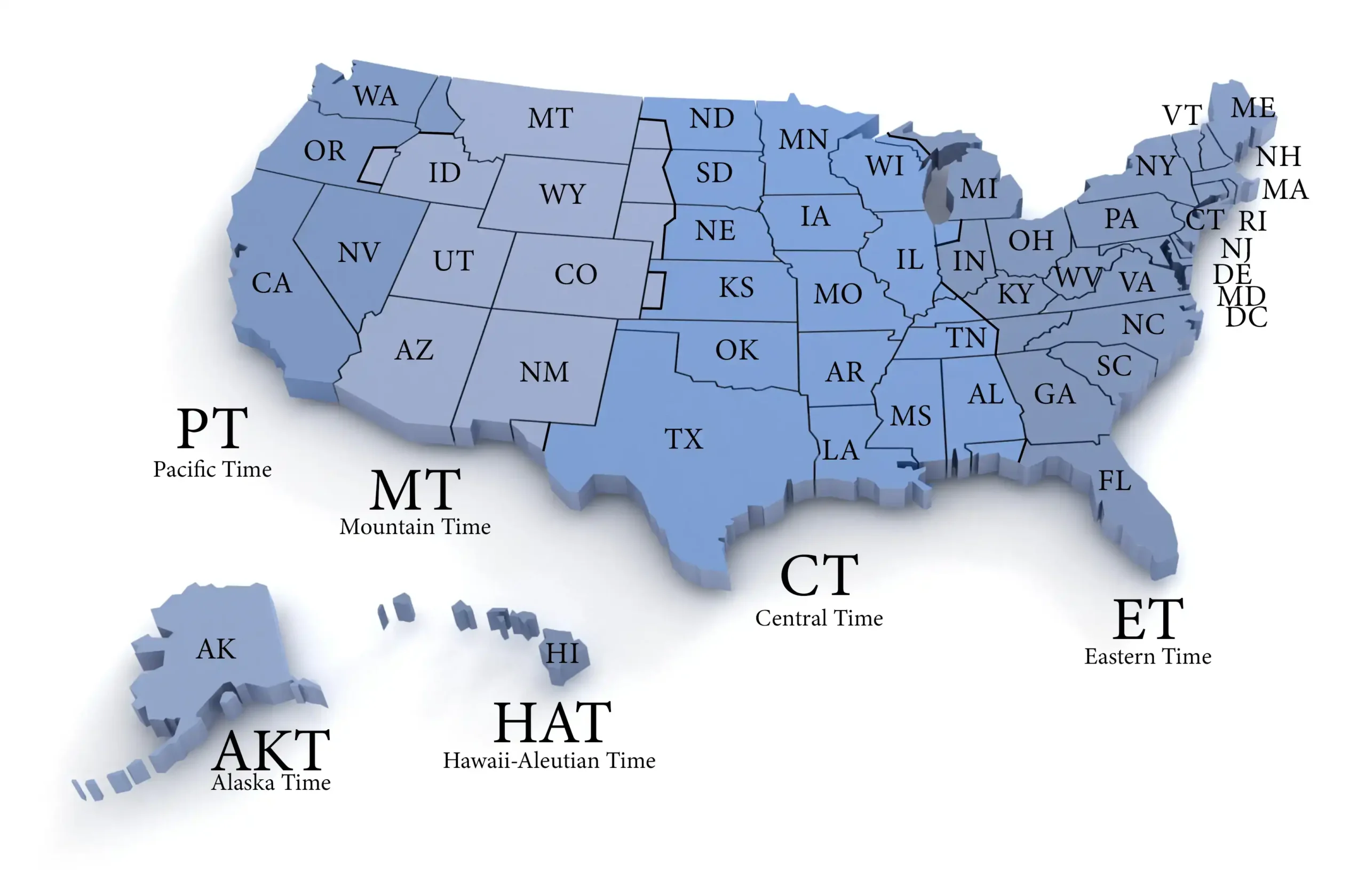
At its core, New York operates within the Eastern Time Zone (ET). This timezone is further divided into two distinct periods: Eastern Standard Time (EST) and Eastern Daylight Time (EDT). The distinction is crucial for anyone coordinating travel, making reservations, or simply wanting to connect with people in New York at the right moment.
Eastern Standard Time (EST)
During the colder months, typically from early November to mid-March, New York observes Eastern Standard Time (EST). This means New York is UTC-5, indicating it is five hours behind Coordinated Universal Time (UTC). When it’s noon UTC, it’s 7 AM in New York during EST. This period is characterized by shorter days and a cooler climate, often prompting visitors to seek cozy hotel accommodations and enjoy indoor attractions.
Eastern Daylight Time (EDT)
As spring arrives, and specifically on the second Sunday in March, New York transitions to Eastern Daylight Time (EDT). This is a form of daylight saving, where clocks are moved forward by one hour. Consequently, New York becomes UTC-4. This means New York is now four hours behind UTC. When it’s noon UTC, it’s 8 AM in New York during EDT. EDT remains in effect until the first Sunday in November, when the clocks are set back to EST. This period is associated with longer daylight hours, perfect for exploring outdoor landmarks and enjoying the city’s vibrant street life.
The transition between EST and EDT can sometimes lead to confusion, particularly for international travelers. It’s always advisable to double-check the current timezone observation for New York based on the specific dates of your travel. Many online tools and smartphone applications automatically adjust for daylight saving, but having a foundational understanding is beneficial.
Practical Implications for Travelers: From Flights to Food
The timezone of New York has far-reaching consequences for every aspect of your visit, from booking your flights to scheduling your daily adventures. Understanding these implications can help you avoid common pitfalls and maximize your enjoyment of this dynamic city.
Booking Flights and Accommodation
When booking flights to New York, the departure and arrival times will naturally be presented in the local timezone of each respective airport. However, it’s essential to be mindful of the time difference when booking your hotel or accommodation. If you’re traveling from a different timezone, say Los Angeles (Pacific Time, UTC-8/UTC-7), the time difference with New York (EST/EDT) can be significant.
For example, a flight departing Los Angeles at 10 AM PST would arrive in New York at approximately 6 PM EST, accounting for the three-hour time difference and the flight duration. This temporal shift can affect your first evening in New York, impacting your ability to check into your hotel, enjoy dinner, or even engage in late-night sightseeing.
Similarly, when booking accommodation, understanding New York‘s timezone helps in coordinating check-in and check-out times, especially if you’re arriving late at night or departing early in the morning. Many hotels in New York have specific check-in windows, and being aware of the local time ensures you don’t miss them. For instance, a late arrival into John F. Kennedy International Airport (JFK) might mean you arrive at your hotel well after midnight New York time, which could be inconvenient if you wanted to settle in immediately. Websites like Booking.com and Expedia will display hotel availability and pricing in New York‘s local time.
Scheduling Activities and Tours
The timezone also plays a crucial role in how you schedule your daily activities. New York is a city that never sleeps, with attractions and experiences available at all hours. However, guided tours, museum opening hours, and restaurant reservations are all based on New York‘s local time.
If you’re participating in a guided walking tour of Central Park or a bus tour of Manhattan, the start times will be in EST or EDT. Likewise, if you’ve booked a coveted dinner reservation at a Michelin-starred restaurant in the West Village, ensure you’re setting your watch to New York time. Missing a timed reservation due to a misunderstanding of the timezone can be disheartening, especially in a city with so many sought-after experiences.
Consider a visit to the Metropolitan Museum of Art. Its opening and closing hours are strictly adhered to. If you’re coming from a timezone significantly behind New York, like London (GMT/BST, UTC+0/UTC+1), the time difference can be substantial. When it’s 10 AM in New York (EST), it’s 3 PM in London. This means your morning in New York is already well into the afternoon in London. Planning your museum visit accordingly ensures you have ample time to explore its vast collections.
Business Stays and Remote Work
For business travelers, understanding New York‘s timezone is paramount for scheduling meetings, conference calls, and coordinating with colleagues. If you’re conducting business with firms based in New York while working remotely from another country, time differences can create scheduling challenges. A business call scheduled for 9 AM EST might be as early as 3 AM or as late as 3 PM in your location, depending on your timezone and whether New York is observing EST or EDT.
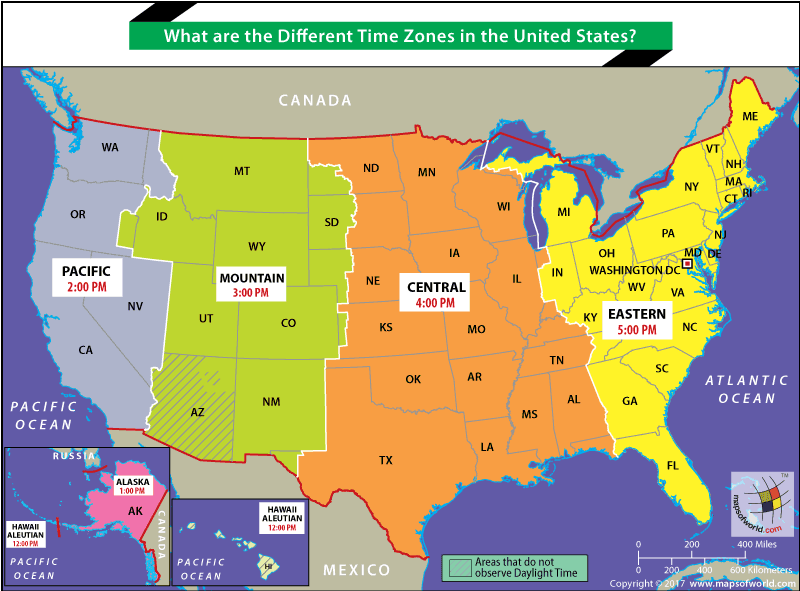
Many businesses and organizations in New York adhere to a standard business day, typically starting around 9 AM and ending around 5 PM EST/EDT. Coordinating with these entities requires careful attention to the clock. This is particularly relevant for those looking for long-term stays or corporate housing in New York, where business operations are central to their needs.
Exploring New York’s Famous Landmarks and Cultural Experiences Across Time
New York is brimming with world-renowned landmarks and vibrant cultural experiences, each with its own operational hours influenced by the city’s timezone. From the early morning buzz of Times Square to the late-night glow of the Statue of Liberty, understanding the temporal rhythm of New York enhances your appreciation of its diverse offerings.
Iconic Landmarks and Their Operating Hours
The Statue of Liberty and Ellis Island, iconic symbols of America, have specific ferry schedules and visiting hours. These are all set according to New York time. Visitors often plan their day to catch an early ferry to maximize their time exploring these historic sites. The ferry typically departs from Battery Park in Lower Manhattan.
The Empire State Building offers breathtaking panoramic views of the city. Its observation decks are open late into the evening, allowing visitors to witness the city transform as night falls. To truly appreciate the spectacle, you need to plan your visit based on New York‘s sunset times, which vary throughout the year due to EST and EDT.
Similarly, visiting Central Park, a sprawling urban oasis, is best enjoyed during daylight hours. While the park itself is always accessible, the availability of activities like boat rentals on The Lake or guided tours is time-dependent. If you’re traveling from a continent far west, like Asia, the time difference means your New York morning might be their late afternoon or evening, requiring a shift in your internal clock upon arrival.
Cultural Immersion: Museums, Broadway, and Local Cuisine
New York‘s cultural scene is legendary. The Metropolitan Museum of Art, the Museum of Modern Art (MoMA), and the American Museum of Natural History are just a few of the world-class institutions that dictate their visitor hours by EST/EDT. Planning your museum visits strategically can help you avoid peak crowds and make the most of your time.
The magic of Broadway is another quintessential New York experience. Theater showtimes are typically in the evening, with matinees often scheduled for Wednesday, Saturday, and Sunday afternoons. Booking Broadway tickets requires careful consideration of these showtimes, ensuring you arrive at the theater well before the curtain rises. A show starting at 7 PM EST in the Theater District will feel different depending on your home timezone.
When it comes to New York‘s diverse culinary landscape, from street food vendors in the Bronx to upscale dining in SoHo, mealtimes are, of course, dictated by local time. Planning your dining experiences – whether it’s a casual brunch in Brooklyn or a fancy dinner overlooking the Hudson River – should align with New York‘s diurnal cycle. This ensures you can savor every bite without feeling rushed or arriving at an inconvenient hour for the restaurant staff.
Embracing the New York Timezone: Tips for a Seamless Trip
Understanding and adapting to New York‘s timezone is key to a smooth and enjoyable travel experience. Whether you’re a luxury traveler seeking opulent suites or a budget-conscious explorer looking for unique experiences, a little temporal awareness goes a long way.
Adjusting to the Local Time
Upon arrival, the most common advice is to try and adjust to New York‘s local time as quickly as possible. This means eating meals at appropriate times and going to bed when it’s dark in New York, even if it doesn’t align with your body’s natural rhythm initially. This proactive approach can help mitigate jet lag and ensure you’re energized for your adventures.
Exposure to natural light during the day in New York can also help reset your internal clock. Spending time outdoors, exploring landmarks like the High Line or walking across the Brooklyn Bridge, can be beneficial.
Leveraging Technology for Time Management
Modern technology offers excellent tools to manage time differences. Ensure your smartphone is set to automatically update its time based on network location. This will ensure you’re always aware of the current time in New York.
Many travel apps and websites will display information in your current local time and New York‘s local time, which can be incredibly helpful when planning. For example, when looking up travel times between Newark Liberty International Airport (EWR) and your hotel in Manhattan, the estimated arrival time will be crucial.

Staying Informed About Seasonal Changes
As mentioned, New York observes daylight saving time. While most digital devices handle this automatically, it’s good practice to be aware of the dates when the time changes. This is especially important if you are coordinating with people in New York who might not be as tech-savvy or if you are dealing with older booking systems.
Ultimately, the timezone of New York is more than just a number; it’s an integral part of the city’s rhythm. By understanding EST and EDT, and their practical implications for travel, accommodation, and activities, you can navigate this bustling metropolis with confidence and make the most of every moment in the city that truly never sleeps. From the bright lights of Broadway to the historic cobblestones of Greenwich Village, your New York adventure awaits, perfectly timed.
LifeOutOfTheBox is a participant in the Amazon Services LLC Associates Program, an affiliate advertising program designed to provide a means for sites to earn advertising fees by advertising and linking to Amazon.com. Amazon, the Amazon logo, AmazonSupply, and the AmazonSupply logo are trademarks of Amazon.com, Inc. or its affiliates. As an Amazon Associate we earn affiliate commissions from qualifying purchases.