
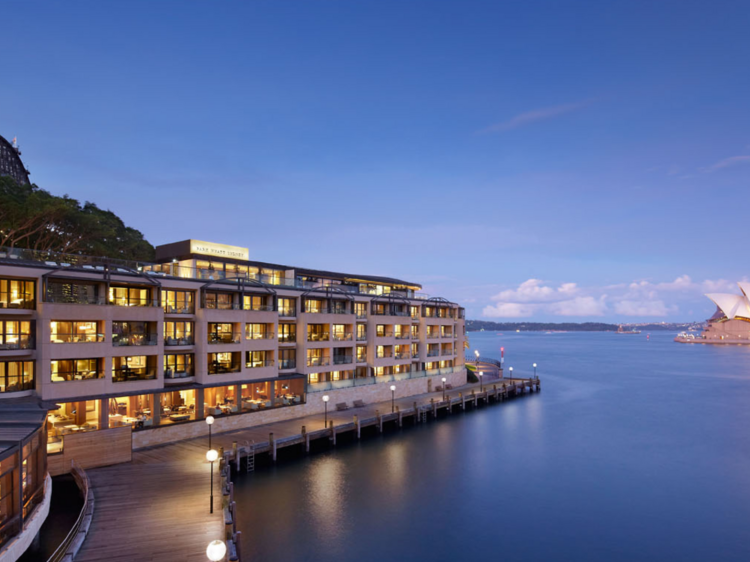
The phenomenon of waking up in a plush, king-sized bed, surrounded by crisp white linens and the soft hum of central climate control, only to momentarily forget your geographic coordinates, is a hallmark of the modern frequent traveler. Whether you are in London, Tokyo, or Dubai, the luxury hotel experience often provides a comforting consistency. However, for those who appreciate the finer details of hospitality, every property leaves a unique thumbprint. To answer the question, “What hotel am I at right now?” one must look beyond the thread count and examine the subtle cues of branding, architecture, and localized amenities that define the world’s leading Hotels.
Identifying Your Stay Through Brand Identity and Signature Amenities
The world’s most prestigious hotel groups invest millions of dollars into sensory branding. This ensures that even if a guest were blindfolded and transported across the globe, they would recognize the brand the moment they stepped into the lobby. If you find yourself surrounded by opulent gold leaf, heavy brocade fabrics, and a timeless European elegance, you might very well be staying at a The Ritz-Carlton property. Conversely, if the aesthetic is hyper-modern, featuring minimalist wood finishes and a profound connection to nature, you are likely experiencing the “quiet luxury” of an Aman Resorts property.
Sensory Branding: Scent and Sound
One of the most immediate ways to identify your hotel is through your sense of smell. Many high-end chains have developed signature scents that are diffused through the ventilation systems. For example, Westin Hotels is famous for its “White Tea” fragrance, a refreshing and calming aroma that signals a focus on wellness. Edition Hotels, a collaboration between Ian Schrager and Marriott International, utilizes a custom Le Labo scent that leans heavily on black tea and tobacco notes, creating a sophisticated, club-like atmosphere.
Soundscapes also play a pivotal role. The background music in a W Hotels property is curated to be high-energy and trend-forward, reflecting its “Work Hard, Play Hard” ethos. In contrast, a Four Seasons property often opts for classical or soft jazz, emphasizing a more traditional and serene environment.
The Language of Amenities
If you are still unsure of your location, turn your attention to the bathroom. The choice of toiletries is a significant indicator of a hotel’s partnership and target demographic. Finding Asprey purple water bottles suggests the classic luxury of The Ritz-Carlton, while Le Labo Rose 31 is the hallmark of Fairmont Hotels. If the vanity is stocked with Diptyque, you are likely enjoying the refined French hospitality of a Mandarin Oriental or a high-end boutique property in Paris.
The Role of Architecture and Design in Hotel Recognition
Architecture is perhaps the most visible indicator of a hotel’s identity. In the contemporary era, many Hotels serve as architectural landmarks in their own right. If your room features floor-to-ceiling glass walls overlooking a sprawling desert skyline, and the building itself is shaped like a billowing sail, you are undoubtedly at the Burj Al Arab in the United Arab Emirates.
Historic Preservation vs. Modern Innovation
In historic cities like Rome or Vienna, hotels are often housed in former palaces or government buildings. The presence of original frescoes, crown molding, and antique chandeliers might suggest a stay at Hotel Sacher or the St Regis Rome. These properties balance the weight of history with modern necessities.
On the other end of the spectrum, the rise of “lifestyle” hotels has introduced a new design language. Properties under the Standard Hotels umbrella often utilize Mid-Century Modern furniture, vibrant color palettes, and playful geometries. In New York City, the high-line views and industrial-chic aesthetic of The Standard High Line are unmistakable.
Views from the Window
Sometimes, the easiest way to identify your hotel is simply to look out the window. A view of the Eiffel Tower framed perfectly by a wrought-iron balcony suggests you are at the Hôtel Plaza Athénée. If you see the neon lights of Shinjuku pulsing below you from a high-rise sanctuary, you might be at the Park Hyatt Tokyo, famously featured in the film Lost in Translation.
Exploring Global Luxury Resorts and Their Unique Markers
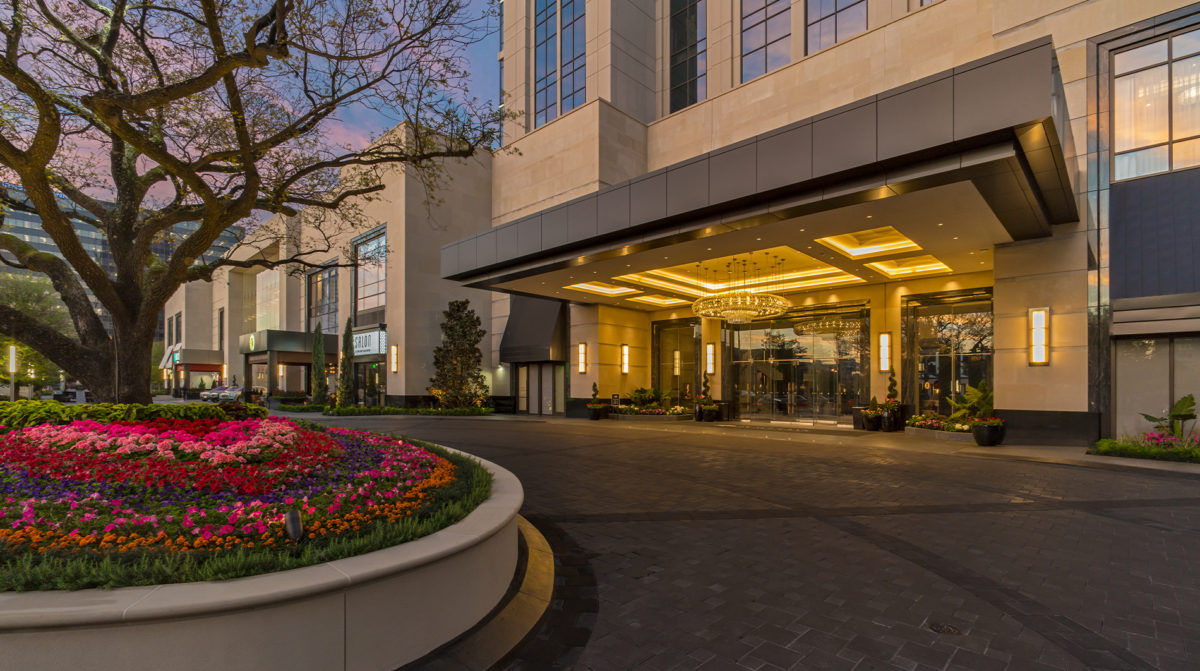
While urban hotels focus on efficiency and sophistication, luxury resorts are designed to be immersive worlds. These properties often span vast acreages and are designed to blend into their natural surroundings. If your “room” is actually an overwater villa with a private plunge pool and a glass floor panel to view the coral below, you are likely in the Maldives, perhaps at the Soneva Jani.
Tropical Escapes and Island Living
In Bali, the architecture often incorporates traditional thatched roofs (Alang-Alang) and open-air pavilions. A stay at the Four Seasons Resort Bali at Sayan is defined by its iconic lotus pond entrance and its integration into the lush jungle of the Ayung River valley. The use of local materials like volcanic stone and teak wood is a dead giveaway of a high-end Indonesian resort.
Alpine Grandeur and Winter Retreats
If you wake up to the sight of snow-capped peaks and the smell of a wood-burning fireplace, you are likely in the Swiss Alps or the Rocky Mountains. The Badrutts Palace Hotel in St Moritz offers a level of regal service and historical charm that is unique to the Switzerland luxury circuit. The presence of heated boot racks, ski-in/ski-out access, and après-ski lounges with fur throws are the functional markers of these specialized Hotels.
Navigating the World of Boutique and Lifestyle Hotels
The rise of the boutique hotel has made it increasingly difficult to identify a property based on corporate standards, which is exactly the point. These Hotels prioritize individuality and local flavor. If your room features local artwork, a curated vinyl collection, and a minibar stocked with craft spirits from the neighborhood, you are in a lifestyle hotel like those found in the Ace Hotel group.
Integration with Local Culture
A key marker of a boutique stay is how the hotel interacts with its surroundings. In Mexico City, a property like La Valise Mexico City offers an intimate experience that feels more like a private residence than a hotel. If you find yourself in a courtyard filled with tropical plants, eating a breakfast of fresh chilaquiles, you have moved beyond the “anywhere-ness” of global chains into the specific “somewhere-ness” of localized hospitality.
Personalized Service Cues
The level and style of service can also be a tell-tale sign. At a Rosewood Hotels property, the service is often described as “Relationship Hospitality,” where staff are trained to anticipate needs without being intrusive. If a staff member addresses you by name before you’ve even introduced yourself, and your favorite newspaper is waiting on your breakfast table, you are experiencing the high-touch service of a top-tier luxury brand like The Peninsula Hotels.
Technology and the Future of the Hotel Experience
In the modern age, the answer to “What hotel am I at right now?” is often found in the palm of your hand. Smartphone integration has revolutionized the guest experience. If you used a digital key on your iPhone to enter your room and can control the lighting, temperature, and curtains via an in-room tablet, you are likely at a tech-forward property such as a CitizenM or a Virgin Hotels establishment.
Smart Rooms and Connectivity
Brands like Hilton with their “Connected Room” technology allow guests to personalize their stay through the Hilton Honors app. This level of technological consistency across their global portfolio—from New York to Singapore—provides a reliable framework for the modern business traveler.
The Evolution of the Lobby
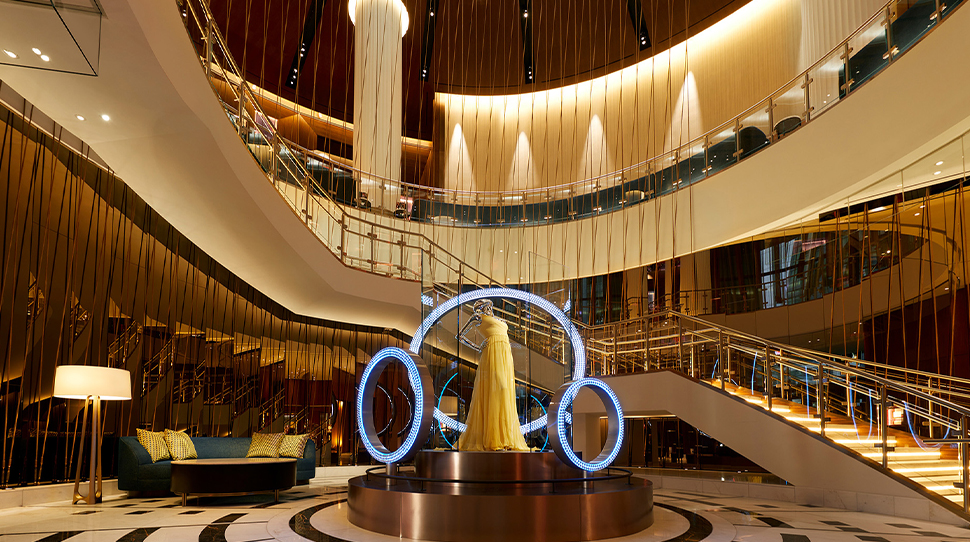
Finally, the transition of the lobby from a formal check-in area to a communal “living room” is a major trend in Hotels. If the lobby is a bustling hub of freelancers on laptops, craft coffee bars, and communal tables, you might be at a Hoxton hotel or a Mama Shelter. These spaces are designed to blur the lines between locals and travelers, creating a vibrant energy that is distinctly different from the hushed tones of a Grand Hyatt Hotel.
Understanding your location in the world of luxury travel is about more than just reading the stationery on the desk. It is about recognizing the craftsmanship, the heritage, and the sensory details that each hotelier brings to the table. Whether you are at a sprawling resort in Thailand or a sleek skyscraper in Chicago, the identity of your hotel is woven into every facet of your stay, waiting to be discovered by the discerning guest.
LifeOutOfTheBox is a participant in the Amazon Services LLC Associates Program, an affiliate advertising program designed to provide a means for sites to earn advertising fees by advertising and linking to Amazon.com. Amazon, the Amazon logo, AmazonSupply, and the AmazonSupply logo are trademarks of Amazon.com, Inc. or its affiliates. As an Amazon Associate we earn affiliate commissions from qualifying purchases.