
The New York Subway is more than just a transit system; it’s the beating heart of one of the world’s most dynamic cities. For millions of New Yorkers and visitors alike, it’s the primary mode of transportation, a constant hum beneath the bustling streets. While its reliability and extensive reach are undeniable, a question frequently arises, particularly for those less familiar with its labyrinthine network: “How fast does the New York Subway actually go?” This inquiry delves into the technical capabilities of the trains, the operational realities of the system, and the nuanced factors that influence journey times across the five boroughs. Understanding the speed of the New York Subway requires looking beyond a single, simple answer and exploring the interplay of design, infrastructure, and operational demands.
The Technical Capabilities of the Rolling Stock
The speed of any train is fundamentally determined by the capabilities of its rolling stock – the trains themselves. The New York City Transit Authority (NYCTA), which operates the subway, utilizes a diverse fleet of subway cars, each with varying performance characteristics. These characteristics are not merely about top speed but encompass acceleration, deceleration, and sustained cruising speeds.
Maximum Designed Speeds
Modern subway car models, such as the R179 or the upcoming R211 series, are designed with advanced technologies that allow for higher operational speeds than their predecessors. In theory, on clear, straight stretches of track with no encumbrances, many of these trains are capable of reaching speeds well over 50 miles per hour (mph), with some potentially topping out at 60 mph or even slightly higher. This is a significant figure, reflecting the engineering prowess required to move vast numbers of people efficiently. The design considerations for these trains include powerful electric motors, robust braking systems, and sophisticated control mechanisms to ensure safety and performance.
Acceleration and Deceleration Rates
While a high top speed is impressive, it’s the ability to reach that speed quickly and stop safely that truly impacts travel times. The subway system is characterized by frequent stops, often only a few blocks apart. Therefore, the acceleration and deceleration rates of the trains are critical operational factors. Modern subway cars are engineered for rapid acceleration, allowing them to build up speed efficiently between stations. Similarly, advanced braking systems enable them to decelerate smoothly and quickly, minimizing the distance needed to stop at platforms. The interplay between these two aspects means that while a train might have a theoretical top speed of 60 mph, its average speed over a typical route, punctuated by numerous stops, will be considerably lower.
The Impact of Train Age and Model
It’s important to note that not all trains in the New York Subway are created equal. The system has a mix of older and newer rolling stock. Older models, while still functional, may have lower top speeds and slower acceleration/deceleration capabilities compared to the latest generations. This variation means that a journey on a train composed of newer cars might feel perceptibly faster than one on an older model, even if the route and track conditions are identical. The NYCTA continuously works on upgrading its fleet to improve performance, reliability, and passenger experience.
Operational Realities and Infrastructure Constraints
Beyond the technical specifications of the trains, the actual speed at which a subway train travels is heavily influenced by the operational environment and the physical limitations of the infrastructure. The New York Subway is a complex, aging system operating under immense pressure, and these factors play a crucial role in determining real-world speeds.
Signal Systems and Speed Restrictions
The New York Subway operates on a complex network of tracks, and for safety, the movement of trains is governed by a sophisticated signal system. These signals dictate when a train can proceed, at what speed, and when it must stop. In many areas, particularly older parts of the system or sections with intricate track layouts, speed restrictions are in place. These restrictions are not arbitrary; they are carefully calculated based on track geometry (curves), the condition of the track, and proximity to switches or other potential hazards. A train might be capable of going 50 mph, but if the signal dictates a speed of 25 mph through a particular section, it must adhere to that limit. The ongoing modernization of the signal system, transitioning from older “
Track Conditions and Maintenance
The physical state of the tracks, including their alignment, gauge, and the condition of the rails, directly impacts the safe operating speed. Over time, tracks can experience wear and tear, requiring regular maintenance. When tracks are undergoing repairs or require special attention, temporary speed restrictions are often implemented. These “slow zones” are essential for preventing derailments and ensuring the longevity of the infrastructure, but they inevitably contribute to longer journey times. The vastness of the New York Subway system means that maintenance is a constant, ongoing process across hundreds of miles of track, affecting different lines and sections at various times.
Interconnectedness of the Network
The New York Subway is not a collection of independent lines but a highly interconnected network. A delay or issue on one line can have ripple effects across multiple others. This interconnectedness means that even if a train is running perfectly on its own segment, it can be slowed down by congestion at junctions, yard movements, or the need to hold for connecting trains. The system prioritizes the safe and orderly movement of all trains, which can sometimes necessitate holding a train at a station or slowing it down to maintain overall network stability.

Factors Affecting Actual Journey Times
The theoretical maximum speed of a train and the operational constraints are vital components, but the actual experience of travel speed for a passenger is determined by a combination of these factors, along with passenger-specific elements. Understanding these variables provides a more complete picture of how fast the New York Subway truly is.
The Impact of Route and Line Design
Different subway lines in New York City have vastly different characteristics. Lines that run through more open, straight stretches with fewer stations, such as some elevated sections in the outer boroughs, will generally see higher average speeds. Conversely, lines that traverse densely populated areas with numerous closely spaced stations, frequent track switches, and older infrastructure, like many lines in Manhattan, will inherently have lower average speeds. The longer lines, which cover significant distances, will also have a wider range of speeds throughout their journeys.
Station Spacing and Frequency of Stops
As mentioned, the New York Subway is famous for its dense network of stations. For a commuter traveling a few stops, the acceleration and deceleration phases dominate the journey, making the high top speed less relevant. The time spent waiting for doors to open and close, and for passengers to board and alight, also adds to the overall dwell time at each station. This frequent stopping pattern is a fundamental aspect of the subway’s design as a mass transit system serving a diverse urban population.
Delays, Congestion, and Service Disruptions
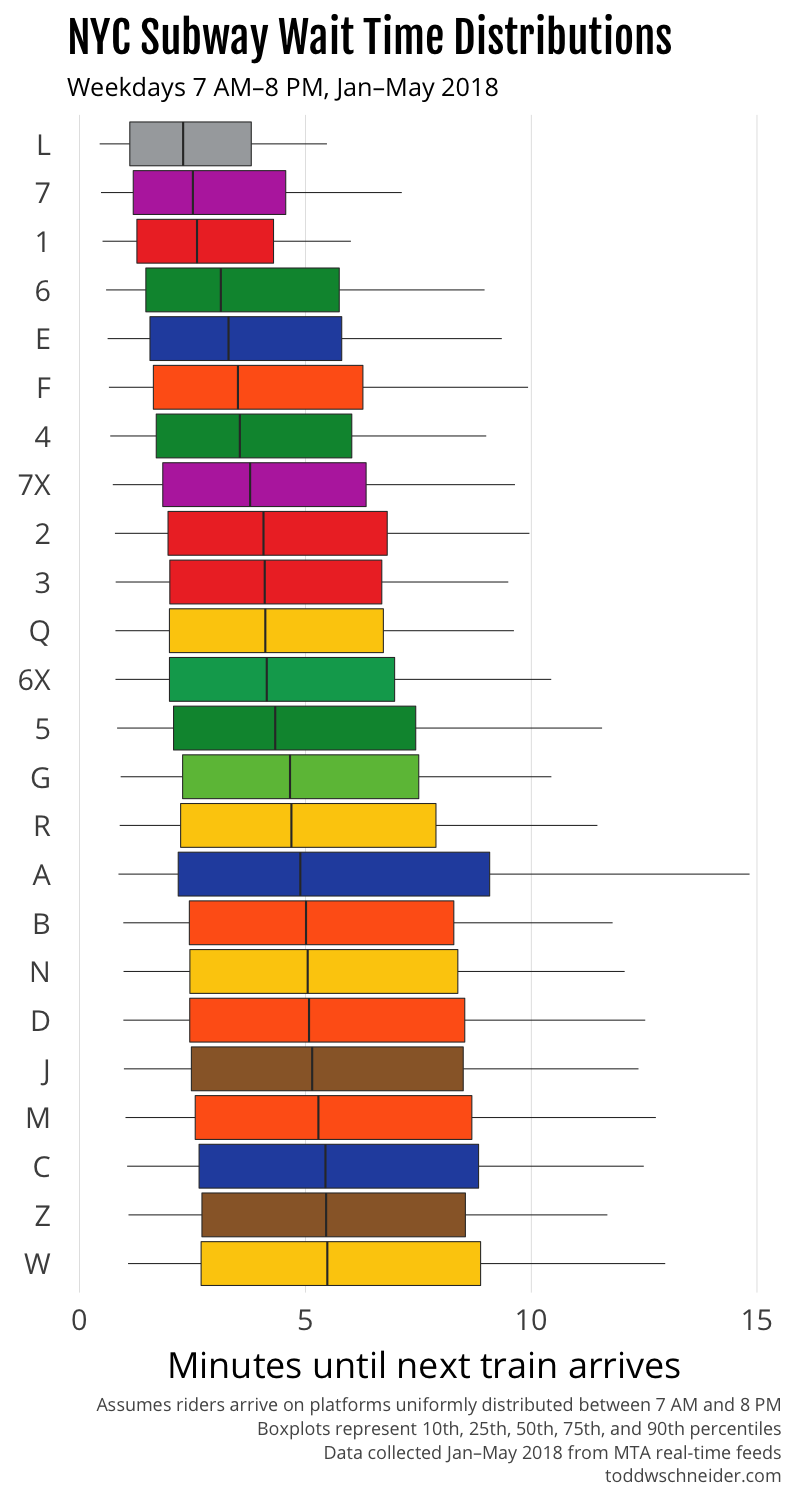
The New York Subway operates at or near capacity for much of the day, making it susceptible to delays. These can be caused by a multitude of factors, including mechanical failures, signal problems, track conditions, police activity, medical emergencies, or even adverse weather. When delays occur, trains may be held, routed around issues, or forced to operate at reduced speeds. Service disruptions, such as planned maintenance or unforeseen events, can also lead to significantly slower travel times as passengers are rerouted or buses are used as supplements.
Passenger Load and Boarding/Alighting Times
The sheer volume of passengers using the New York Subway system daily has a direct impact on journey times. During peak hours, trains are often crowded, leading to longer dwell times at stations as passengers board and alight. The physical space within the cars and the efficiency of passenger flow can influence how quickly the doors can close and the train can depart. While not directly related to the train’s speed capabilities, this passenger-related factor is a significant determinant of overall travel duration.
Benchmarking Subway Speeds: What to Expect
To provide a more concrete understanding of how fast the New York Subway goes, it’s helpful to consider typical average speeds and compare them to other modes of transport. This contextualization helps manage expectations and appreciate the subway’s role in urban mobility.
Average Speeds vs. Top Speeds
While the theoretical top speed of some subway cars can exceed 50 mph, the actual average speed across the entire system, considering all the factors mentioned above, is considerably lower. Estimates for the average speed of a New York Subway train, including stops, often fall in the range of 15 to 20 mph. This figure can fluctuate significantly depending on the specific line, time of day, and current service conditions. The sustained cruising speed between stations on a clear stretch might be 40-50 mph, but this is offset by the time spent accelerating, decelerating, and dwelling at stops.
Comparison to Other Transportation Modes
When comparing the subway’s average speed to other urban transportation options, its place becomes clearer. A typical New York City taxi or ride-sharing vehicle, navigating traffic, might have an average speed that is sometimes slower than the subway, particularly during rush hour in congested areas. However, these modes offer direct, door-to-door service. Buses, while also subject to traffic, generally operate at slower average speeds than the subway, although they often offer more localized service. Cycling in New York City can be surprisingly fast for shorter distances, especially with dedicated bike lanes, but it requires physical effort and is subject to weather and traffic conditions. Walking, of course, is the slowest but offers the most intimate experience of the city.
The Role of the Subway in Urban Mobility
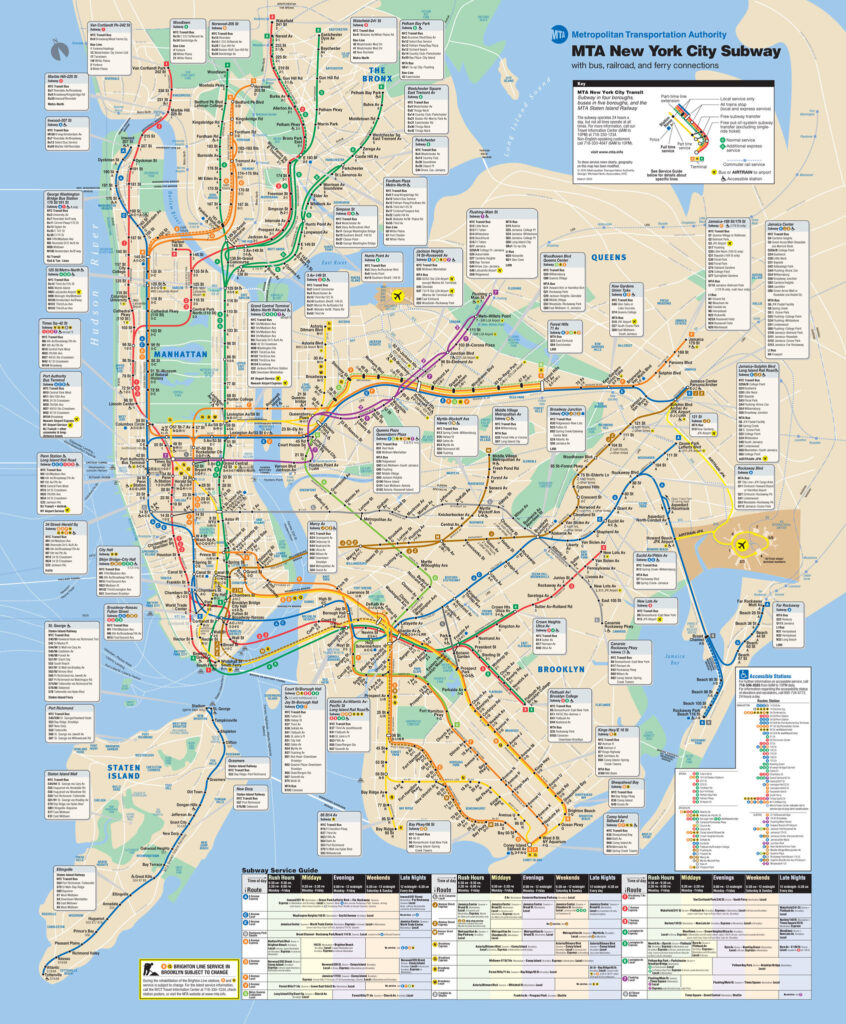
Despite its seemingly modest average speeds, the New York Subway remains an indispensable component of urban mobility. Its ability to move massive numbers of people simultaneously, independent of surface traffic, makes it incredibly efficient for covering medium to long distances within the city. While individual journeys might not always break speed records, the collective impact of the subway in transporting millions of passengers daily, avoiding the gridlock that plagues road traffic, is immense. The ongoing modernization efforts, including the implementation of CBTC and the introduction of new rolling stock, are aimed at incrementally increasing average speeds and improving the overall reliability and efficiency of this vital public service. For residents and visitors alike, understanding the complexities behind subway speeds offers a deeper appreciation for this iconic urban institution.
LifeOutOfTheBox is a participant in the Amazon Services LLC Associates Program, an affiliate advertising program designed to provide a means for sites to earn advertising fees by advertising and linking to Amazon.com. Amazon, the Amazon logo, AmazonSupply, and the AmazonSupply logo are trademarks of Amazon.com, Inc. or its affiliates. As an Amazon Associate we earn affiliate commissions from qualifying purchases.