
The vibrant tapestry of New York City, a global epicenter of culture, commerce, and dreams, didn’t spring into existence overnight. Its storied past is as rich and complex as the metropolis itself, a narrative woven from exploration, trade, and the relentless spirit of its inhabitants. While the question of when New York City was “founded” might seem straightforward, the answer unfolds into a fascinating historical journey that began with European arrival and evolved through distinct phases of development. Understanding this genesis is key to appreciating the enduring legacy of this iconic city.

The origins of New York City are inextricably linked to the Dutch West India Company and their exploration of the North American continent. In the early 17th century, Dutch traders, seeking lucrative fur trading opportunities, began venturing into the region. This era marks the initial European presence that would ultimately lay the groundwork for a permanent settlement. The desire for a strategic trading post, coupled with the rich natural resources of the area, propelled the Dutch to establish a foothold on the southern tip of Manhattan Island.
The Dawn of a Settlement: New Amsterdam
The year 1624 is widely recognized as a pivotal moment in the founding of New York City. This was the year that the Dutch West India Company formally established a permanent settlement on what is now Governors Island, and soon after, expanded to Manhattan Island. This burgeoning outpost was christened New Amsterdam, a name that would resonate for decades. The initial purpose of New Amsterdam was primarily commercial, serving as a hub for the fur trade with indigenous populations, particularly the Lenape people.
The Dutch weren’t the first to explore these waters; Henry Hudson, an English explorer sailing for the Dutch East India Company, had navigated the river that now bears his name in 1609. This voyage opened the door for Dutch claims and subsequent settlement. The strategic location at the mouth of the Hudson River, with its natural harbor, proved ideal for establishing a trading post and, eventually, a thriving colonial center.
The early years of New Amsterdam were characterized by a blend of Dutch enterprise and interactions with the native inhabitants. While the fur trade was the initial driver, the settlement gradually grew in size and scope. Peter Minuit, the director-general of the colony, is famously credited with the “purchase” of Manhattan Island from the Lenape in 1626 for goods valued at 60 Dutch guilders. This transaction, though viewed through a modern lens with complex ethical considerations, marked a significant step in solidifying Dutch control over the territory.
As New Amsterdam grew, it began to resemble a frontier town, albeit one with a clear commercial purpose. The Dutch West India Company invested in infrastructure, including the construction of a fort, Fort Amsterdam, to protect the settlement and its valuable trading activities. The population comprised Dutch settlers, along with individuals from other European nations and enslaved Africans, forming a diverse, albeit hierarchical, community.
From Dutch to English Rule: The Birth of New York
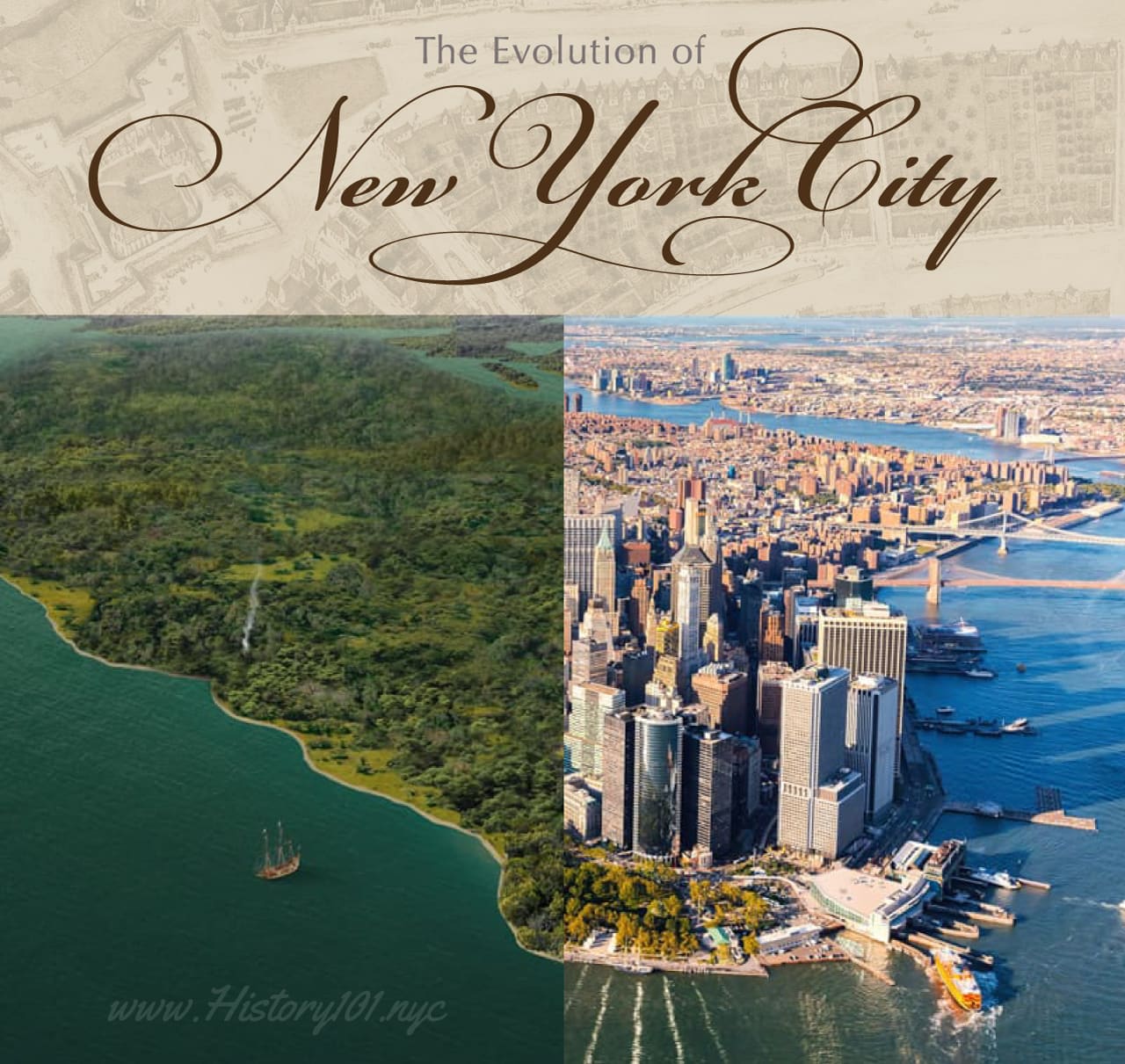
The Dutch colonial era, while foundational, was relatively short-lived. The geopolitical landscape of the 17th century was marked by rivalry between European powers, and the prosperous Dutch Republic was a frequent target. In 1664, during the Second Anglo-Dutch War, an English fleet arrived in New Netherland, the Dutch colony that encompassed New Amsterdam. The English, under the command of Colonel Richard Nicolls, demanded surrender.
Peter Stuyvesant, the governor of New Netherland at the time, was reportedly reluctant to cede the colony without a fight. However, facing overwhelming military superiority and a largely unsupportive populace, he ultimately surrendered New Amsterdam without bloodshed. This marked a significant turning point in the history of the city. The English renamed the settlement New York in honor of the Duke of York, who would later become King James II of England.
The transition to English rule brought about changes in governance, administration, and legal systems. However, the fundamental strategic importance of the port and the existing commercial networks continued to thrive. New York began to evolve from a Dutch trading post into a more established English colonial city, laying the groundwork for its future prominence. The legacy of New Amsterdam endured in the street layout and some of the cultural influences that would continue to shape the identity of New York.
The Evolving Metropolis: Growth and Transformation
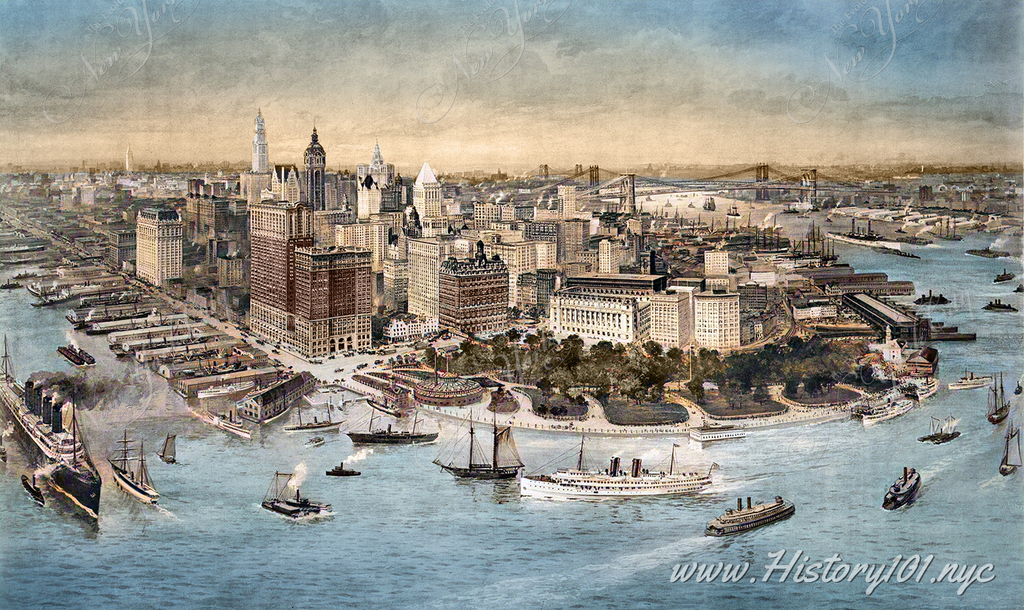
Following the English takeover, New York continued its trajectory of growth and development. The city became a key administrative and commercial center for the British colonies in North America. Its strategic harbor facilitated trade, and its population, while still relatively small compared to its modern scale, steadily increased. The diverse European influences, combined with the contributions of enslaved and later free African populations, created a unique cultural mosaic that was a precursor to the multicultural metropolis it is today.
Over the centuries, New York City has undergone countless transformations, each phase adding layers to its rich history. From its colonial beginnings as New Amsterdam, through its role in the American Revolution and its rise as the economic powerhouse of the United States, the city’s story is one of perpetual evolution. Major milestones include its designation as the first capital of the United States in 1789, and the subsequent influx of immigrants from around the globe that began in earnest in the 19th century, transforming it into a global melting pot.
The 19th and 20th centuries witnessed an unprecedented period of expansion. The construction of landmarks like the Brooklyn Bridge and the development of an extensive subway system facilitated the city’s growth into the sprawling urban landscape we recognize today. The architectural marvels, from the art deco splendor of the Empire State Building to the modern skyscrapers that pierce the skyline, are testaments to the city’s ambition and dynamism.
Today, New York City is a global leader in finance, fashion, arts, and technology. Its iconic attractions, from the bustling Times Square and the serene Central Park to the historic Statue of Liberty and the cultural institutions of Museum Mile, draw millions of visitors annually. The journey from a small Dutch trading post to a city of over eight million people is a testament to its resilience, adaptability, and the enduring allure that continues to captivate the world.
When exploring New York City, understanding its foundational years provides a deeper appreciation for the layers of history embedded within its streets and buildings. Whether you’re staying in a luxurious suite at a renowned hotel, exploring the vibrant neighborhoods, or visiting its many landmarks, the echoes of its past are ever-present, adding depth to the unforgettable experiences New York offers. The question of “What Year Was New York City Founded?” opens a portal to a fascinating narrative of human endeavor and historical significance.
LifeOutOfTheBox is a participant in the Amazon Services LLC Associates Program, an affiliate advertising program designed to provide a means for sites to earn advertising fees by advertising and linking to Amazon.com. Amazon, the Amazon logo, AmazonSupply, and the AmazonSupply logo are trademarks of Amazon.com, Inc. or its affiliates. As an Amazon Associate we earn affiliate commissions from qualifying purchases.