
The University of Colorado System is a sprawling academic powerhouse, fundamental to the educational landscape of Colorado. When tourists inquire, “How many students at University of Colorado?” they’re often seeking more than just a number; they’re trying to gauge the pulse of the local culture, the vibrancy of a town, and the unique experiences shaped by a significant student population. While precise figures fluctuate annually, understanding the approximate scale and distribution of its student body across its four distinct campuses is crucial for anyone looking to truly appreciate the unique tourism offerings and local flavor that these institutions foster. Far from being isolated academic enclaves, each campus of the University of Colorado is deeply intertwined with its surrounding community, directly influencing the local culture, food scene, activities, and overall tourist appeal. From the bustling streets of Boulder to the urban sophistication of Denver and the scenic beauty of Colorado Springs, the presence of tens of thousands of students creates a dynamic atmosphere that enriches the visitor experience in countless ways. This article delves into the substantial student population of the University of Colorado System and, more importantly, explores how this academic footprint profoundly shapes the tourism landscape across its diverse locations.
The University of Colorado System: A Hub of Activity
The University of Colorado System is a multifaceted institution comprising four main campuses, each contributing a significant number of students to Colorado’s vibrant demographic. While the exact figures vary slightly each academic year, the system collectively educates over 65,000 students, making it one of the largest public university systems in the United States. This substantial population translates into a constant influx of youthful energy, intellectual curiosity, and diverse perspectives that permeate the fabric of the communities these campuses call home. For tourists, understanding this scale is key to appreciating the unique atmospheres each university town offers, from bustling student hangouts to culturally rich events.
A System-Wide Overview of Student Demographics
The largest and arguably most recognizable campus is CU Boulder, nestled at the foot of the Rocky Mountains. It typically enrolls around 35,000 students, creating a quintessential college town atmosphere that significantly influences Boulder’s laid-back, outdoorsy, and progressive culture.
Next, CU Denver and the Anschutz Medical Campus (located in Aurora) together serve over 20,000 students. CU Denver’s urban setting integrates seamlessly with the city’s downtown, contributing to Denver’s vibrant arts, culinary, and professional scenes. The Anschutz Medical Campus, a world-class health destination, brings a highly specialized student body focused on cutting-edge research and healthcare, influencing the innovation and medical tourism sectors.
Finally, the University of Colorado Colorado Springs (UCCS), situated in the scenic Colorado Springs, educates approximately 12,000 students. This campus adds an academic dimension to a city known for its military presence and stunning natural landmarks like Pikes Peak, fostering a unique blend of educational rigor and outdoor adventure. These collective numbers paint a picture of a dynamic system that profoundly shapes the local identities and tourist appeal of their respective locales.
Beyond the Classroom: Student Life as a Tourist Attraction
The sheer volume of students across the University of Colorado System creates a vibrant ecosystem that extends far beyond lecture halls. Student life translates directly into a wealth of opportunities for tourists seeking authentic local experiences. University sporting events, particularly at CU Boulder with its Pac-12 affiliation, draw thousands of fans, infusing the towns with palpable energy on game days. Beyond athletics, student-driven arts performances, theatrical productions, musical concerts, and film festivals provide a rich cultural calendar. These events often showcase emerging talent and offer affordable, high-quality entertainment that is accessible to the public. Moreover, the diverse student body brings a variety of cultural perspectives, influencing local cuisine, public art, and community initiatives. Tourists can often find pop-up markets, unique cafes, and independent bookstores that cater to or are run by students, offering a taste of the local, youth-driven entrepreneurial spirit. The collective enthusiasm and intellectual curiosity of the student population ensure that there’s always something happening, creating a lively and engaging environment for visitors to explore.
CU Boulder: Where Mountain Town Meets Academia
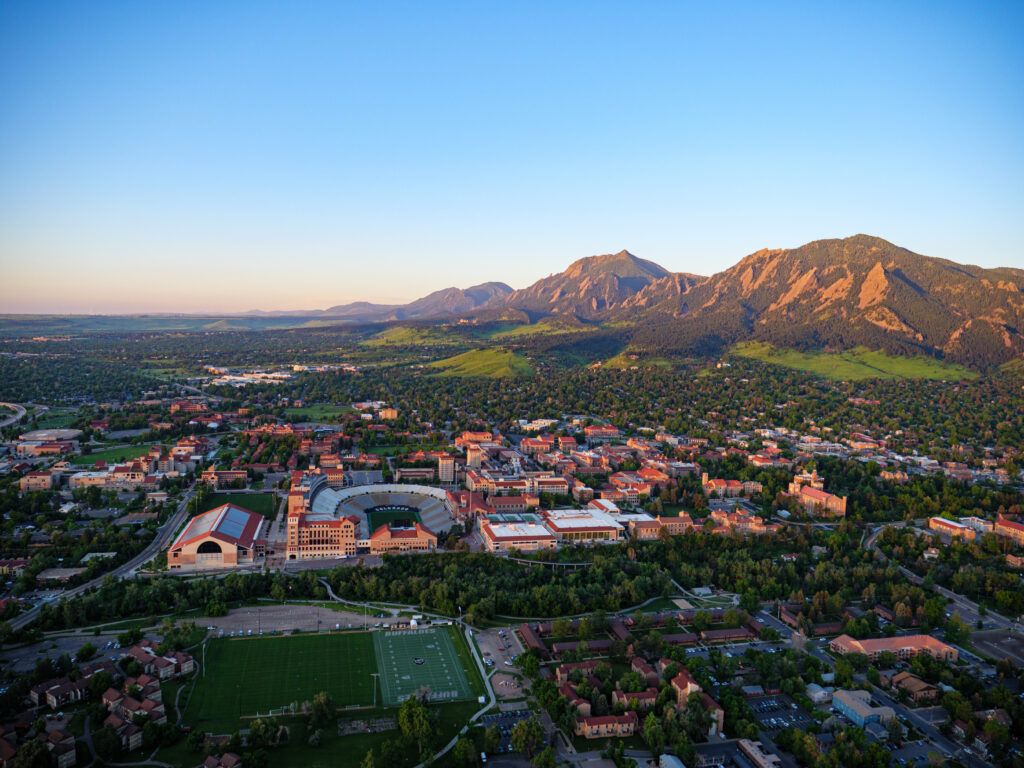
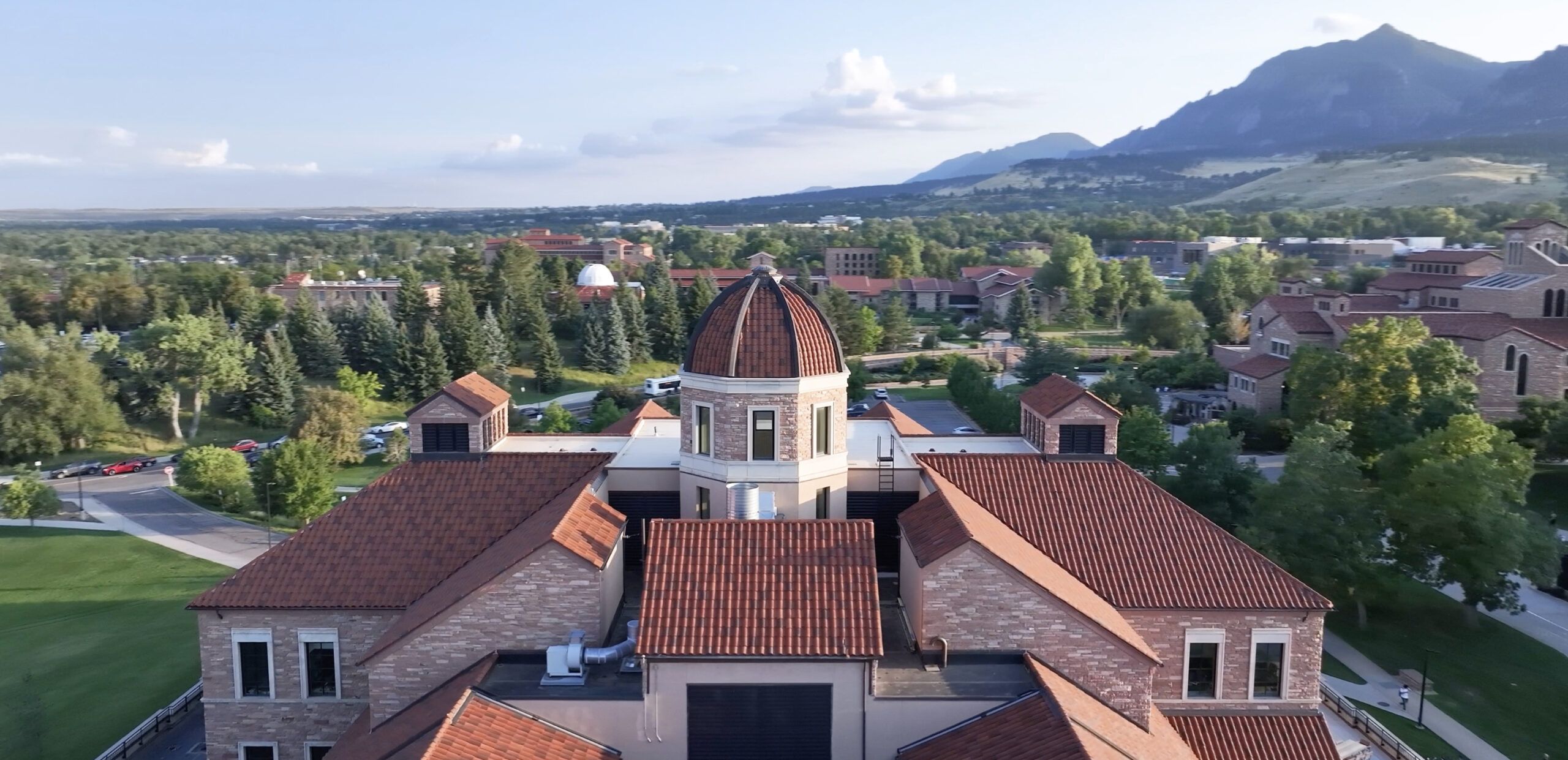
CU Boulder, with its distinctive red-tiled roofs and prime location against the Flatirons, is perhaps the most iconic campus within the University of Colorado System. Its substantial student population, numbering around 35,000, is the driving force behind Boulder’s reputation as a dynamic, youthful, and intellectually stimulating destination. The university’s presence isn’t just about academics; it’s the heartbeat of the city, infusing every aspect of local life with a distinctive student-centric flavor that is highly appealing to tourists looking for an authentic and lively experience.
The Boulder Experience: Student Influence on Local Culture
The immense student body at CU Boulder profoundly shapes the city’s culture. Boulder is renowned for its progressive values, outdoor recreation, and health-conscious lifestyle—qualities strongly reflected and amplified by its student population. The streets, particularly around Pearl Street Mall, teem with students, influencing the types of shops, cafes, and restaurants that thrive. You’ll find an abundance of casual eateries, craft breweries, and environmentally conscious businesses. The demand from students for outdoor gear and activewear also bolsters Boulder’s status as an outdoor recreation hub. Furthermore, the university’s academic and research pursuits often translate into public lectures, art exhibitions at the CU Art Museum, and musical performances at the Macky Auditorium, all open to the public and enriching the local cultural scene. Festivals and events, like the Colorado Shakespeare Festival, which is hosted by the university, draw both locals and tourists, showcasing how deeply integrated the student body is with Boulder’s vibrant identity.
Navigating Boulder’s Student-Centric Offerings
For tourists, engaging with Boulder’s student-centric offerings can significantly enhance their visit. One strategy is to plan a visit around a CU Boulder sporting event, particularly a football game at Folsom Field, to experience the electrifying college game-day atmosphere. Even if you don’t have tickets, the tailgating scene and downtown celebrations are an experience in themselves. Exploring The Hill, a neighborhood adjacent to campus, offers a glimpse into student life with its eclectic mix of shops, restaurants, and music venues. Many local businesses, from coffee shops to bookstores, actively cater to the student demographic, providing a unique insight into local trends and tastes. Visitors can also check the university’s public calendar for art exhibits, free lectures, or performances, which often showcase cutting-edge research or emerging artistic talent. Visiting during the summer months, when the student population is smaller, can offer a more relaxed experience while still appreciating the university’s architectural beauty and impact on the town’s character without the full bustle of the academic year.
CU Denver and Anschutz: Urban Dynamics and Innovation
The University of Colorado Denver and the Anschutz Medical Campus collectively represent a powerhouse of education and research within the metropolitan Denver area. With over 20,000 students spread across two distinct locations—one in the heart of downtown Denver and the other in nearby Aurora—these campuses play a vital role in shaping the urban tourism experience. Unlike the traditional college town feel of Boulder, CU Denver and Anschutz Medical Campus integrate directly into the fabric of a major city, contributing to its professional, cultural, and innovative landscape.

Downtown Vibrancy and Medical Milestones
CU Denver’s location within the vibrant Auraria Campus positions its students directly amidst Denver’s downtown core. This integration means students contribute significantly to the energy of areas like the 16th Street Mall, LoDo, and the Arts District. Their presence bolsters the demand for diverse dining options, live music venues, and art galleries, enhancing Denver’s appeal as a cultural destination. For tourists, this translates into a richer urban experience, with student-friendly cafes, innovative eateries, and dynamic performance spaces.
The Anschutz Medical Campus, while primarily a medical and research facility in Aurora, also has a significant impact. Its world-renowned status attracts leading medical professionals and researchers, contributing to a specialized form of “medical tourism” where individuals seek advanced care. While not a conventional tourist draw, its constant innovation and expertise elevate Colorado’s global standing, indirectly benefiting tourism by highlighting the state’s cutting-edge capabilities and attracting related conferences and visitors.
Cultural Contributions and Community Engagement
Students from both CU Denver and the Anschutz Medical Campus are active participants in Denver’s extensive cultural scene. CU Denver‘s College of Arts & Media is a hotbed of creative talent, regularly hosting public exhibitions, film screenings, and music performances that are accessible and often free for tourists. These events inject fresh perspectives and contemporary art into the city’s offerings. The presence of these students also fosters a diverse and inclusive environment, impacting the city’s culinary landscape with a broader array of international food options and supporting cultural festivals. Their engagement with community initiatives, volunteer work, and local businesses creates a ripple effect, enhancing the overall quality of life and cultural richness that visitors experience. For tourists, exploring areas adjacent to the downtown campus can reveal hidden gems—from independent coffee shops to vibrant street art—all thriving under the influence of Denver’s academic population.
UCCS: A Peak Perspective on Education and Exploration
Nestled against the stunning backdrop of Pikes Peak, the University of Colorado Colorado Springs (UCCS) offers a unique fusion of academic excellence and unparalleled outdoor access. With a student body of approximately 12,000, UCCS significantly contributes to the character and tourism appeal of Colorado Springs. While often overshadowed by its larger counterparts in Boulder and Denver, UCCS plays a crucial role in shaping the local culture, adding an intellectual and youthful dimension to a city traditionally known for its military presence and natural wonders.
Colorado Springs’ Academic Gem
UCCS provides a vital academic anchor in Colorado Springs, influencing the city’s growth and diversifying its appeal beyond its iconic natural attractions. The student population introduces a dynamic mix of cultures and ideas, fostering a more vibrant culinary scene, particularly around campus with a growing number of diverse eateries catering to student tastes. The university also contributes to the local economy by attracting faculty, staff, and their families, creating demand for housing, services, and entertainment. This academic presence helps to balance the city’s strong military identity with a burgeoning intellectual and artistic community, offering a broader range of activities and cultural events for tourists. From student-led performances to guest lectures, UCCS provides an enriching layer to the Colorado Springs experience.
Blending Education with Adventure Tourism
The unique location of UCCS directly impacts the adventure tourism sector in Colorado Springs. Many students are drawn to the region for its unparalleled access to outdoor activities like hiking, climbing, and mountain biking. This active student demographic fuels local businesses that cater to outdoor enthusiasts, from gear shops to guided tours. Moreover, student groups often organize or participate in community outdoor events, clean-up drives, and local races, further cementing Colorado Springs’s reputation as an adventure hub. For tourists, this means a consistent energy around outdoor activities, and often, student-driven initiatives can offer unique perspectives or volunteer opportunities for those looking to engage deeper with the natural environment. The presence of UCCS not only enhances the intellectual life of the city but also reinforces its identity as a prime destination for educational and recreational exploration.
The Economic and Cultural Ripple Effect
The collective student body of the University of Colorado System, numbering over 65,000 across its four campuses, represents far more than just academic pursuits; it’s a profound economic and cultural engine that sends ripples throughout the state. For tourists, these ripple effects manifest in enhanced local experiences, vibrant community atmospheres, and a constant infusion of fresh perspectives that enrich Colorado’s diverse cities. The sheer scale of this student presence is a pivotal factor in understanding the unique character and offerings of the state’s university towns.
Stimulating Local Economies and Enhancing Tourist Appeal
The substantial student population across CU Boulder, CU Denver, Anschutz Medical Campus, and UCCS (Colorado Springs) creates immense demand for goods and services. This translates into bustling commercial districts, a wide array of dining options catering to diverse tastes and budgets, and a thriving rental market. Local businesses, from independent coffee shops to specialty bookstores and entertainment venues, benefit directly from student patronage. This economic activity not only creates jobs but also ensures a dynamic, ever-evolving marketplace that offers fresh and interesting experiences for tourists.
Beyond direct spending, the universities themselves are major employers, drawing faculty and staff who further contribute to local economies. University-hosted events, conferences, and sporting competitions bring in visitors from out of state, driving hotel bookings, restaurant revenue, and local transportation use. For tourists, this means vibrant downtowns, innovative culinary scenes, and a continuous calendar of events, all of which contribute to a more engaging and comprehensive travel experience. The robust presence of a large university system is a clear indicator of a thriving, energetic community with plenty to offer.
Preserving and Innovating Local Identity
Perhaps one of the most significant, yet often underestimated, impacts of the University of Colorado’s student body is its dual role in preserving local identity while simultaneously driving innovation. Students often gravitate towards independent businesses and local traditions, helping to sustain the unique character of their university towns. At the same time, their youthful energy, diverse backgrounds, and cutting-edge academic pursuits introduce new ideas, trends, and technologies. This creates a fascinating blend where historic districts coexist with modern art installations, and traditional eateries find new life alongside experimental fusion cuisine.
For tourists, this translates into destinations that feel both authentic and forward-thinking. In Boulder, the student population reinforces its outdoor-centric, health-conscious brand while also pushing for sustainable practices and new artistic expressions. In Denver and Aurora, students contribute to the urban sophistication and cutting-edge medical advancements. In Colorado Springs, they blend academic rigor with a deep appreciation for the region’s natural beauty. Ultimately, the vast number of students at the University of Colorado System isn’t just a statistic; it’s a living, breathing force that continually shapes and enriches the tourism landscape, offering visitors a genuinely unique and memorable experience in the heart of Colorado.
LifeOutOfTheBox is a participant in the Amazon Services LLC Associates Program, an affiliate advertising program designed to provide a means for sites to earn advertising fees by advertising and linking to Amazon.com. Amazon, the Amazon logo, AmazonSupply, and the AmazonSupply logo are trademarks of Amazon.com, Inc. or its affiliates. As an Amazon Associate we earn affiliate commissions from qualifying purchases.