
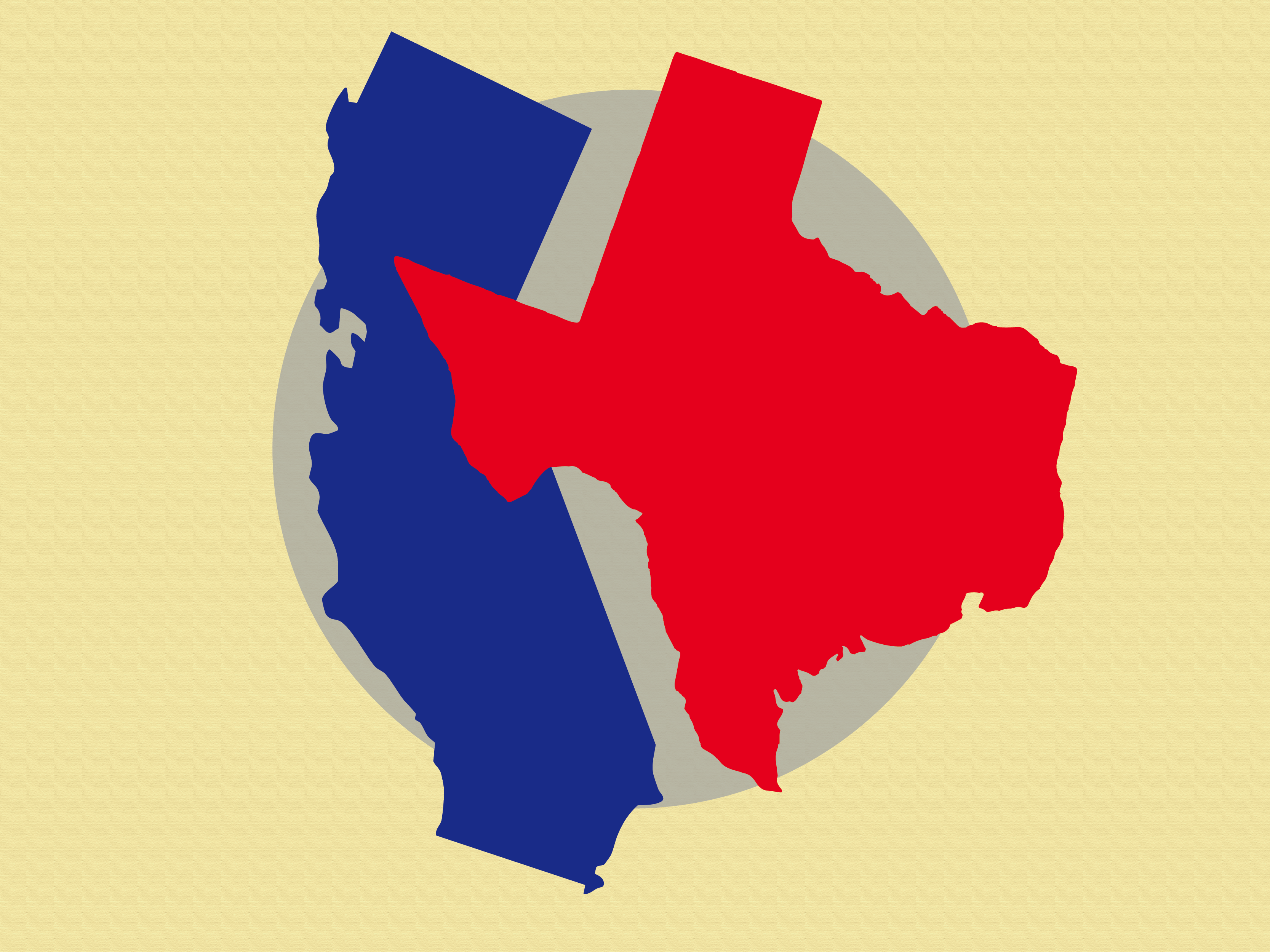
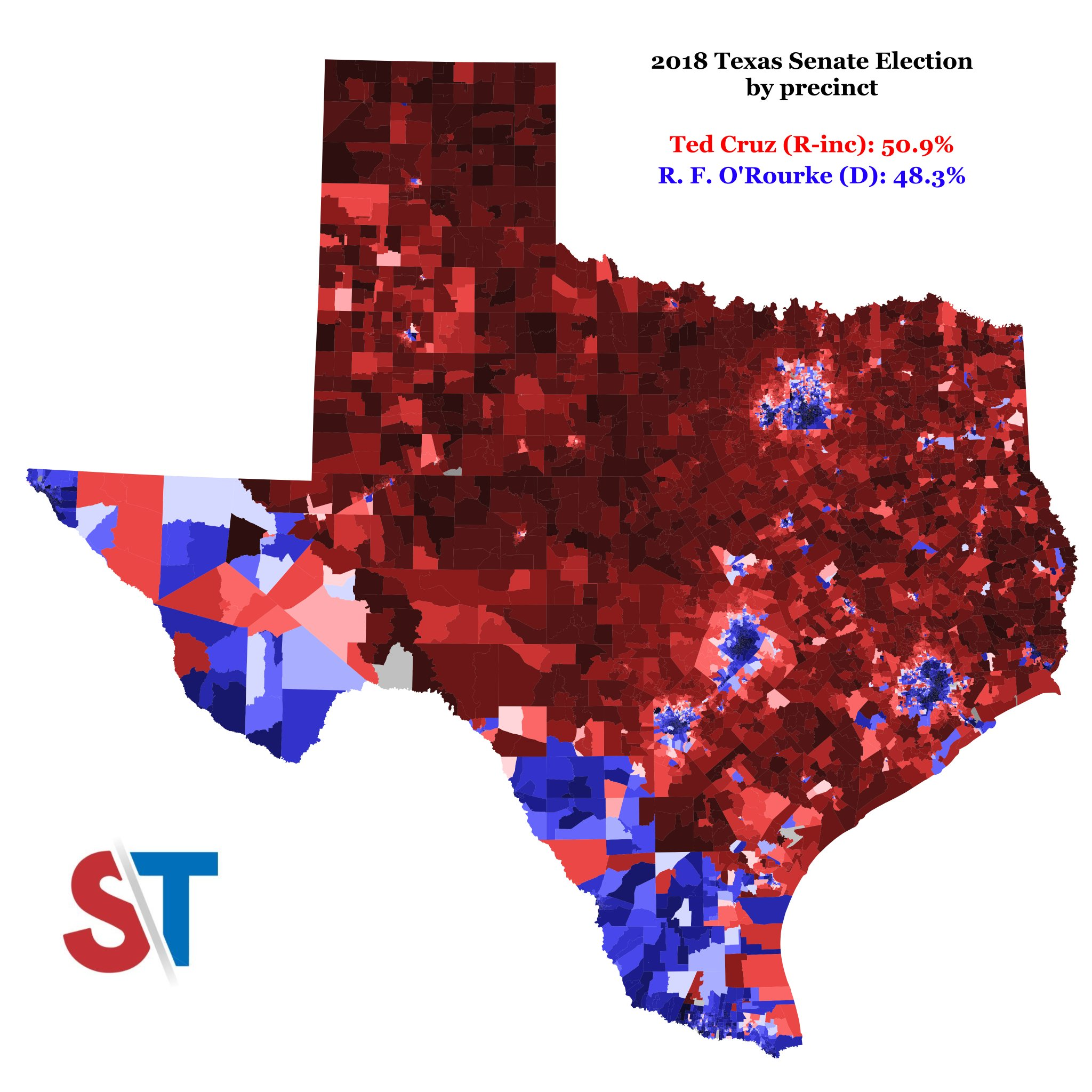
The question “Is Texas turning blue?” typically sparks a political debate, referencing the shifting electoral landscape of this traditionally conservative stronghold. However, beyond the ballot box, a profound transformation is sweeping across the Lone Star State, painting a vibrant new picture of its culture, economy, and, crucially, its appeal as a global travel destination. For the discerning traveler, “turning blue” signifies not a political allegiance, but a burgeoning diversity, a modernized allure, and an explosion of experiences that are redefining what it means to visit Texas. From its pulsating urban centers to its serene natural landscapes, Texas is undergoing a renaissance, attracting a new wave of visitors seeking everything from cutting-edge cuisine and world-class arts to authentic cowboy heritage and breathtaking outdoor adventures. This evolution makes Texas a destination of increasing intrigue and dynamism, proving that its “blue” hue is a spectrum of cultural richness, innovation, and unparalleled hospitality.

The Shifting Sands of the Lone Star State: A Cultural and Culinary Renaissance
The demographic shifts within Texas are undeniable, and their impact reverberates far beyond politics, reshaping the very fabric of its cultural and culinary identity. This infusion of new populations, both domestic and international, has ignited a creative explosion, transforming its major cities into vibrant epicenters of arts, entertainment, and gastronomy. Travelers arriving in Texas today are met with a sophisticated and eclectic array of choices that would surprise those whose perceptions are rooted in outdated stereotypes. The state’s unique blend of Southern charm, Western grit, and a burgeoning cosmopolitan flair offers a truly unparalleled travel experience, making it a destination that caters to an ever-widening demographic of visitors. The evolution is visible everywhere, from the street art adorning urban walls to the innovative menus in acclaimed restaurants, signalling a state confidently embracing its future while honoring its storied past.
Urban Transformation: From Oil Fields to Cultural Hubs
Once primarily known for oil and cattle, Texas’s major metropolitan areas have blossomed into diverse cultural hubs, each with its distinct personality and a wealth of attractions. Austin, the state capital, has long been synonymous with live music, boasting iconic venues along Sixth Street and the renowned South by Southwest (SXSW) festival, which draws creators and innovators from across the globe. But Austin offers more than just music; its burgeoning tech industry has fueled a vibrant food truck scene, upscale dining, and a thriving outdoor lifestyle around Lady Bird Lake.
Houston, a sprawling metropolis, stands as a testament to global diversity, reflected in its world-class museums, theatre district, and arguably the most diverse food scene in the United States. Visitors can explore the wonders of space at Space Center Houston, delve into art at the Museum District, or experience the tranquility of the Japanese Garden within Hermann Park. The city’s energy is palpable, a dynamic blend of international influences and Texan hospitality.
Dallas, a city of glittering skyscrapers and sophisticated charm, has cultivated an impressive arts scene. The Dallas Arts District is the largest contiguous urban arts district in the nation, home to the Dallas Museum of Art, the Nasher Sculpture Center, and the Winspear Opera House. Its upscale shopping, thriving nightlife, and an increasing array of boutique hotels cater to a clientele seeking luxury and culture. Just a short drive away, Fort Worth offers a different, yet equally captivating, urban experience, where visitors can step back in time at the Fort Worth Stockyards National Historic District, witnessing daily cattle drives and enjoying authentic Western entertainment.
Then there’s San Antonio, a city steeped in history and romance, where the iconic Alamo stands as a symbol of Texan independence. Its enchanting Riverwalk, a network of scenic pathways lined with shops, restaurants, and hotels, is a top tourist attraction, offering boat tours and vibrant cultural festivals. San Antonio’s rich Hispanic heritage is celebrated in its architecture, cuisine, and annual events, making it a truly unique blend of old-world charm and modern vibrancy. These cities, once distinct in their identities, are now converging in their commitment to offering world-class experiences that appeal to a diverse, global audience, marking a significant “blue” shift in their cultural offerings.
A Taste of Modern Texas: Gastronomy and Nightlife
The culinary landscape of Texas has undergone a spectacular evolution, moving beyond its well-deserved reputation for barbecue and Tex-Mex to embrace a sophisticated and incredibly diverse range of flavors. This transformation is a direct result of the state’s expanding demographics, with new communities bringing their culinary traditions and innovative chefs pushing the boundaries of what Texan food can be. From the burgeoning farm-to-table movement to avant-garde fusion restaurants, Texas now offers a gastronomic adventure that rivals any major food city in the world.
In Houston, for instance, one can find authentic Vietnamese pho, Ethiopian injera, high-end Japanese sushi, and classic Southern comfort food all within a few blocks. The city’s multicultural fabric translates directly into its dining scene, making it a paradise for foodies eager to explore new tastes. Austin’s food truck culture has exploded, offering everything from Korean BBQ tacos to gourmet vegan fare, alongside its thriving craft beer and cocktail scene. Dallas boasts an impressive collection of upscale dining establishments, often helmed by celebrity chefs, alongside innovative eateries pushing modern American cuisine. Even in smaller towns like Fredericksburg, a vibrant wine country has emerged, complete with award-winning wineries and farm-fresh bistros.
Nightlife in Texas is equally dynamic. Austin’s Sixth Street and Rainey Street offer a plethora of bars and live music venues catering to every taste, from blues and rock to electronic dance music. Dallas’s Uptown and Deep Ellum districts pulse with trendy clubs and vibrant bars, while Houston’s diverse neighborhoods offer everything from sophisticated cocktail lounges to lively dance halls. For a taste of traditional Texan nightlife, visiting a historic dance hall like Gruene Hall near New Braunfels offers a quintessential experience of live country music and two-stepping. This blend of traditional and contemporary, local and international, makes Texas a truly exciting destination for those seeking memorable culinary and nightlife experiences.
Beyond the Big Cities: Emerging Destinations and Natural Wonders
While the urban centers of Texas are undeniably captivating, the state’s vast expanse offers a wealth of diverse experiences extending far beyond its glittering skylines. For travelers looking to connect with nature, explore quaint towns, or discover niche cultural scenes, the “blue” transformation also means an increased awareness and accessibility to Texas’s lesser-known gems. The appeal of the open road, the majesty of its diverse ecosystems, and the charm of its small communities are drawing a new breed of adventurer, eager to uncover the authentic soul of the Lone Star State. This shift highlights a broader understanding of what Texas has to offer, moving beyond a singular narrative to embrace its multifaceted identity.
The Allure of the Outdoors: Parks and Nature Escapes
Texas boasts an incredibly diverse natural landscape, ranging from desert mountains to lush pine forests and coastal prairies. For outdoor enthusiasts, the state is a treasure trove of adventure. Big Bend National Park, located in the remote western part of the state, is a crown jewel. This vast wilderness offers dramatic desert landscapes, towering mountains, and the winding Rio Grande River, providing opportunities for hiking, backpacking, river trips, and unparalleled stargazing thanks to its dark skies. Nearby, Guadalupe Mountains National Park is home to the four highest peaks in Texas and stunning desert canyons, perfect for challenging hikes and exploring unique geological formations.
Beyond the national parks, numerous state parks and natural areas offer a variety of outdoor pursuits. The Texas Hill Country, with its rolling hills, spring-fed rivers, and abundance of wildflowers, is ideal for scenic drives, swimming, tubing, and exploring charming small towns. Popular spots like Hamilton Pool Preserve, a natural grotto with a stunning waterfall, and Enchanted Rock State Natural Area, a massive pink granite dome, draw visitors year-round. Along the Gulf Coast, destinations like Padre Island National Seashore offer miles of undeveloped barrier island coastline, perfect for birdwatching, shelling, and fishing. These natural landmarks and attractions provide a vital contrast to the urban experience, reminding visitors of Texas’s wild and untamed beauty.
Small Town Charms and Unique Experiences
The charm of Texas extends to its myriad small towns, each offering a unique slice of local culture and history. Fredericksburg, nestled in the heart of the Texas Hill Country, has transformed into a premier wine destination, boasting over 50 wineries and tasting rooms, along with a rich German heritage evident in its architecture and festivals. It’s an ideal spot for a romantic getaway or a leisurely weekend escape, offering boutique shopping and gourmet dining.
On the Gulf Coast, the historic island city of Galveston captivates with its Victorian architecture, sandy beaches, and family-friendly attractions like Moody Gardens and Pleasure Pier. Its fascinating history, beautiful homes, and relaxed coastal vibe provide a distinct contrast to the bustling inland cities.
For those seeking an unconventional artistic experience, the remote West Texas town of Marfa is a must-visit. Known for its minimalist art installations, including Donald Judd’s Chinati Foundation and the mysterious Marfa Lights, this small desert community has become a pilgrimage site for art enthusiasts and curious travelers. Its unique blend of high art and rugged desert landscape creates an unforgettable, almost surreal, experience. Other notable towns like Jefferson, with its antebellum homes and ghost stories, and Granbury, boasting a historic town square, offer glimpses into Texas’s diverse past and present. These unique destinations, each offering a specialized experience, contribute significantly to the multifaceted appeal of “blue” Texas.
Navigating the Texas Travel Boom: Accommodation and Lifestyle Trends
As Texas continues its “blue” evolution, welcoming a broader spectrum of travelers, its hospitality sector is rapidly adapting to meet the diverse demands of modern visitors. The state’s economic growth and burgeoning tourism industry have spurred a boom in accommodation options, ranging from ultra-luxury resorts to charming budget-friendly stays, ensuring that every type of traveler finds their ideal home away from home. This expansion caters not just to traditional tourists but also to business travelers, families, and those seeking unique, immersive experiences, further cementing Texas’s reputation as a top-tier destination. The emphasis on tailored experiences and high-quality service underscores a commitment to making every visit memorable, whether for a quick weekend getaway or an extended exploration.
From Luxury Resorts to Boutique Stays: Catering to Every Traveler
The accommodation landscape in Texas is as varied as its geography, offering an impressive array of choices to suit every preference and budget. In major cities like Dallas and Houston, luxury hotels abound, with renowned brands such as Four Seasons, Ritz-Carlton, and Hyatt offering opulent suites, world-class amenities, and impeccable service. These establishments often feature gourmet restaurants, serene spas, and prime locations near major attractions and business districts, catering to both high-end leisure and business travelers. For those seeking a more personalized experience, a growing number of boutique hotels have emerged, particularly in Austin and San Antonio, offering unique design, local character, and a more intimate atmosphere. These often incorporate local art, craft beverages, and bespoke services, appealing to travelers looking for authentic engagement with the city’s culture.
Beyond traditional hotels, Texas also offers a wealth of alternative accommodation options. Airbnb and similar platforms provide access to stylish apartments, historic homes, and even glamping sites in scenic locations, ideal for families, groups, or travelers seeking a more independent stay. In the Hill Country, charming bed and breakfasts and cozy cabins provide a rustic yet comfortable escape. Resorts like La Cantera Resort & Spa in San Antonio or Hyatt Regency Hill Country Resort and Spa offer comprehensive amenities including golf courses, multiple pools, and extensive dining, perfect for extended family vacations or romantic retreats. The competitive market ensures that travelers can easily compare options, read reviews, and find accommodation that perfectly matches their desired lifestyle and travel experience, whether it’s a long-term stay or a quick weekend getaway.
Lifestyle Travel: Tailored Experiences in a Diverse State
The concept of “lifestyle travel” – where a trip is curated to reflect personal interests and values – is flourishing in Texas. The state’s vast diversity allows for an incredible range of tailored experiences. For those pursuing luxury travel, Texas delivers with high-end shopping in Dallas’s Highland Park Village, exclusive golf resorts, and private culinary tours. Budget travelers can enjoy free attractions like urban parks, vibrant street art tours, and exploring diverse food trucks for affordable yet delicious meals, particularly in Austin and Houston.
Family trips find endless possibilities, from theme parks like Six Flags Over Texas and SeaWorld San Antonio to educational visits at the NASA Johnson Space Center in Houston. Adventurous families can explore the natural beauty of state parks or enjoy tubing down rivers in the Hill Country. Business stays are well-supported by state-of-the-art convention centers, a multitude of hotels designed for corporate needs, and a thriving innovation ecosystem, particularly in Austin and Dallas.
Moreover, Texas has become a popular destination for specific interest groups. Wine enthusiasts flock to Fredericksburg and the Texas Hill Country Wine Trail. Art lovers journey to Marfa and the Dallas Arts District. Outdoor adventurers find their paradise in Big Bend or on the coastal beaches. Planning guides for these various lifestyles are readily available, helping visitors navigate the immense offerings. The “turning blue” narrative here highlights Texas’s successful adaptation to modern travel trends, providing not just destinations but curated experiences that resonate deeply with individual preferences and passions.
In conclusion, the question “Is Texas turning blue?” finds its answer in the state’s undeniable evolution as a travel destination. While the political implications of the phrase may continue to be debated, from a tourism perspective, Texas is indeed embracing a new vibrancy. It’s a “blue” of diversity, innovation, and an expanded palette of attractions and experiences. The Lone Star State has successfully shed old stereotypes, transforming its urban landscapes into cultural and culinary powerhouses, preserving its natural wonders for adventurous explorers, and developing a hospitality infrastructure that caters to every conceivable travel style. This dynamic shift ensures that Texas is not just a place to visit, but a multifaceted journey of discovery, cementing its place as an increasingly sought-after and endlessly fascinating destination in the United States.
LifeOutOfTheBox is a participant in the Amazon Services LLC Associates Program, an affiliate advertising program designed to provide a means for sites to earn advertising fees by advertising and linking to Amazon.com. Amazon, the Amazon logo, AmazonSupply, and the AmazonSupply logo are trademarks of Amazon.com, Inc. or its affiliates. As an Amazon Associate we earn affiliate commissions from qualifying purchases.