
The San Francisco-Oakland Bay Bridge, often simply referred to as the Bay Bridge, is one of California’s most iconic landmarks and a vital transportation artery connecting the vibrant cities of San Francisco and Oakland. Spanning the vast expanse of San Francisco Bay, its impressive scale often sparks curiosity, making “How long is the Bay Bridge?” a common question among travelers and locals alike. The answer, however, is not a simple single number, as the bridge is a complex series of interconnected structures, each contributing to its overall magnificent length.
In its entirety, including approaches and the intricate sections that cross the bay, the San Francisco-Oakland Bay Bridge stretches approximately 8.4 miles (13.5 kilometers). This makes it one of the longest bridge crossings in the world. However, focusing solely on the overwater span from one mainland shore to the other, the measurement becomes slightly more nuanced, typically cited as around 4.5 miles (7.2 kilometers). This distinction arises because the full length encompasses critical land-based approaches, ramps, and the structure’s journey across Yerba Buena Island in the middle of the bay. Understanding these different segments is key to appreciating the engineering marvel that facilitates daily commutes and connects the diverse communities of the Bay Area. This article will delve into the specific sections of this monumental bridge, explore its rich history and impact, and offer insights for those planning to experience its grandeur as part of their travel itinerary in California.
The Engineering Marvel: Deconstructing the Bay Bridge’s Length
The San Francisco-Oakland Bay Bridge is not a single, monolithic structure but rather a series of distinct engineering feats, each designed to tackle the unique challenges of the bay’s geography and geology. It’s a testament to human ingenuity, featuring a combination of suspension bridge, cantilever bridge, truss bridge, and a unique tunnel section. Its segmented nature is precisely what makes its overall length so fascinating and multi-faceted.
Total Length vs. Segmented Sections
When discussing the bridge’s length, it’s crucial to differentiate between its functional total length, which includes all connecting ramps and approaches from San Francisco to Oakland, and the specific lengths of its overwater spans. The widely accepted total length of approximately 8.4 miles (13.5 kilometers) accounts for the entire U.S. Route 80 (I-80) segment that crosses the bay and its immediate land connections. The actual bridge structures over water span about 4.5 miles (7.2 kilometers), divided into two main sections: the West Span and the East Span, separated by Yerba Buena Island. Each section possesses distinct architectural and engineering characteristics that contribute to its overall impressive scale.
The West Span: Suspended Grandeur
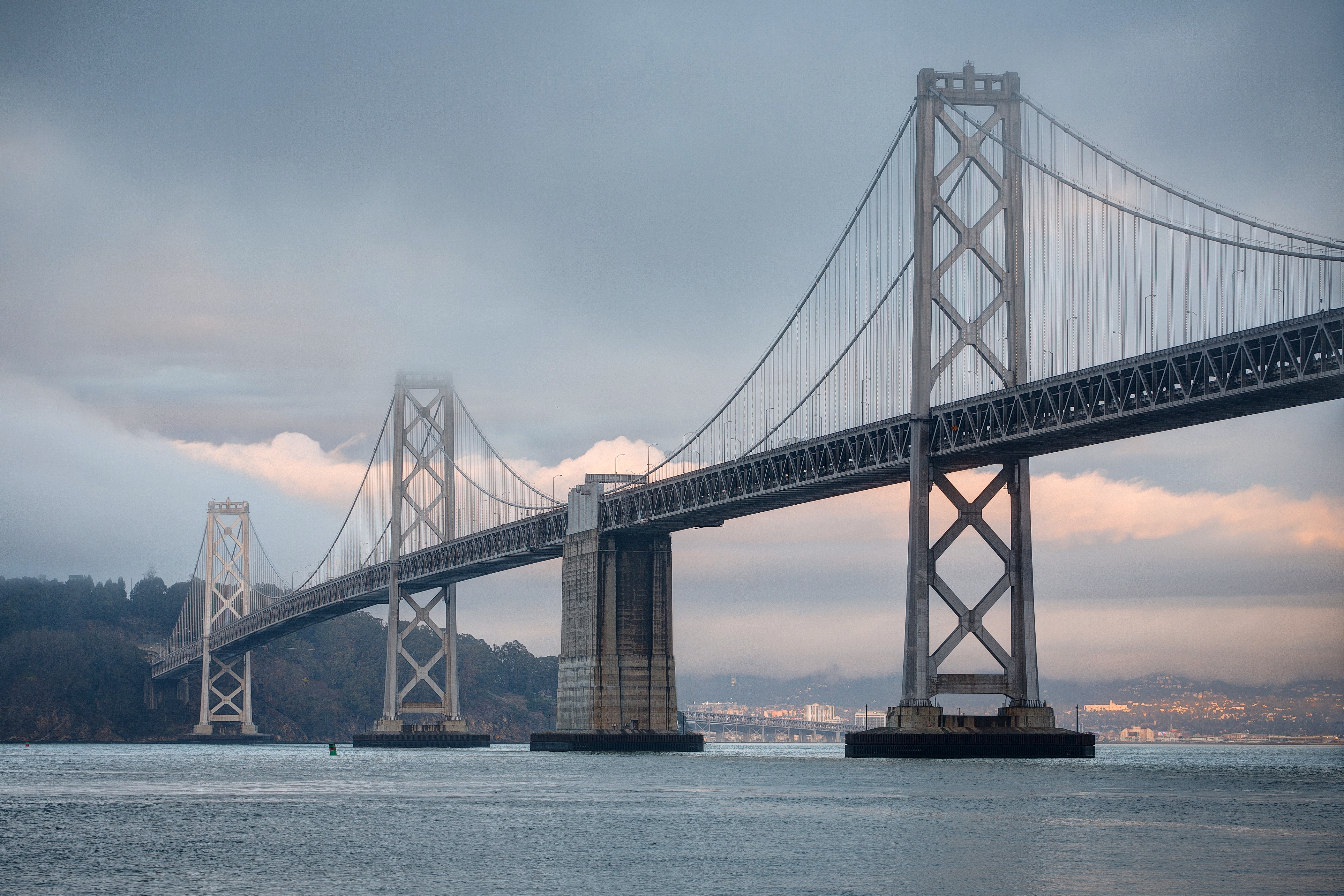
Connecting San Francisco to Yerba Buena Island, the West Span of the Bay Bridge is arguably its most visually stunning and famous portion. This section consists of two consecutive suspension bridges, end-to-end, with a shared central anchorage. This design was chosen due to the depth of the bay and the geological conditions of the San Francisco side. Each of these suspension bridges measures approximately 2,310 feet (704 meters) in length, resulting in a combined main span length of 4,620 feet (1,408 meters).
The two suspension spans are supported by colossal towers that rise dramatically from the water, allowing for ample clearance for maritime traffic. The intricate web of cables, visible from miles around, defines the iconic silhouette of the Bay Bridge against the San Francisco skyline. Driving across this section, especially at night when the “Bay Lights” art installation illuminates the cables, offers an unparalleled experience, merging art with infrastructure. For visitors embarking on tourism in the Bay Area, the West Span provides breathtaking views of Alcatraz Island, the Golden Gate Bridge in the distance, and the bustling waterfront.
Yerba Buena Island and Its Unique Tunnel
Nestled between the West and East Spans, Yerba Buena Island serves as a critical connector. The bridge traffic traverses the island via a unique structure: the Yerba Buena Island Tunnel. This tunnel, roughly 76 feet wide and 58 feet high, is a remarkable engineering feat in itself, being the largest-diameter bore tunnel in the world at the time of its completion. It provides safe passage for the ten lanes of traffic that converge from the dual suspension bridges before fanning out onto the East Span.
The presence of Yerba Buena Island and its tunnel fundamentally impacts how the bridge’s length is perceived. It’s not just an uninterrupted stretch of steel over water but rather an intelligent integration of land and sea. Adjoining Yerba Buena Island is Treasure Island, a man-made island originally built for the 1939 Golden Gate International Exposition, which also connects to the bridge system and offers its own unique vantage points and development opportunities.
The East Span: A Modern Architectural Masterpiece
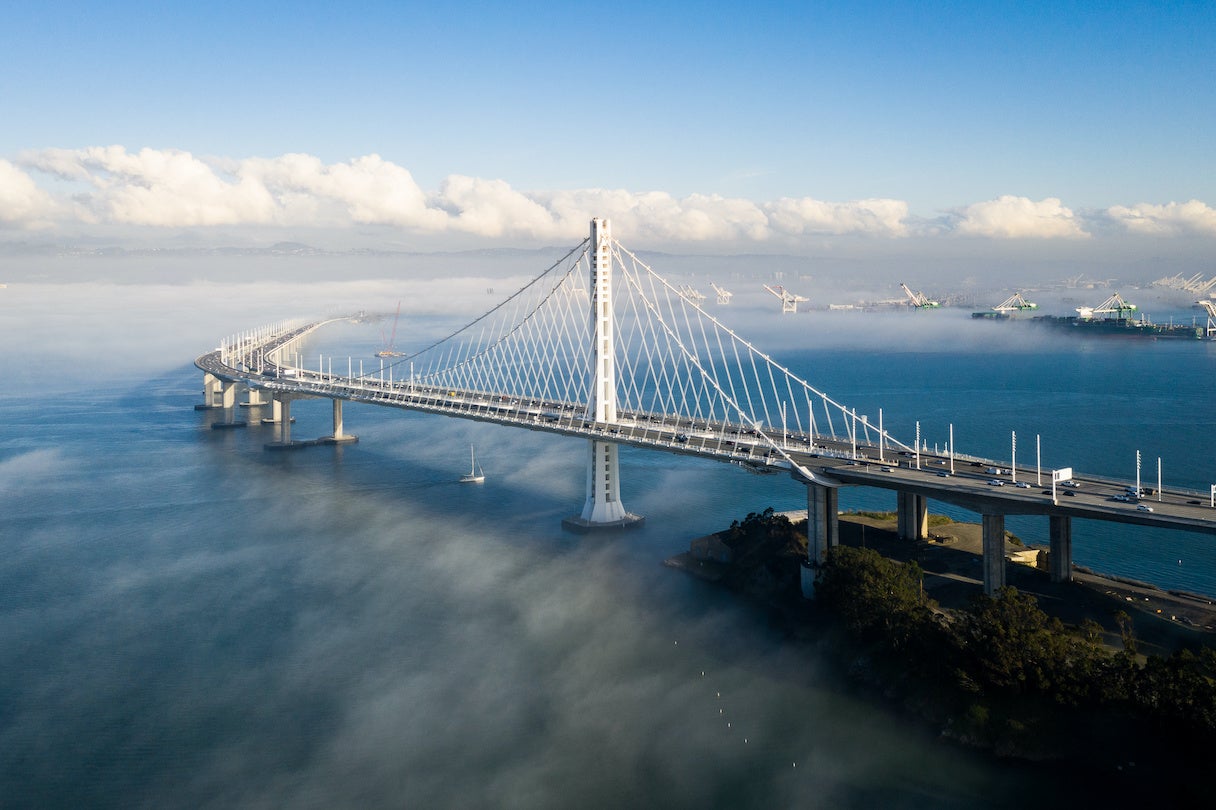
The original East Span, a lengthy cantilever and truss bridge, stood for nearly seven decades. However, following damage sustained during the 1989 Loma Prieta earthquake, the decision was made to replace it with a more seismically resilient and aesthetically pleasing structure. The new East Span, opened in 2013, is a marvel of modern engineering. This self-anchored suspension (SAS) bridge is a single-tower design, distinct from the twin-tower West Span, and stretches approximately 2.2 miles (3.5 kilometers) from Yerba Buena Island to Oakland.
The new East Span is unique because its main cable, instead of being anchored into the ground at either end like a traditional suspension bridge, is anchored within the bridge deck itself. This innovative design not only enhances its seismic performance but also gives it a sleek, contemporary look. The single tower, rising majestically from the bay, and the gently curving suspension cables create a sense of harmony and strength. This section also includes a dedicated pedestrian and bicycle path, the Bay Bridge Trail, offering an incredible way for adventurers to experience the bridge’s length and gain panoramic views of the bay, Oakland waterfront, and even the distant San Francisco skyline.

A Journey Through Time: History and Significance
The story of the San Francisco-Oakland Bay Bridge is deeply interwoven with the history and development of the entire Bay Area. Its existence was a monumental undertaking, driven by necessity and ambition, forever changing the landscape and the flow of commerce and life between the region’s major cities.
From Concept to Construction: Bridging the Bay
The idea of bridging San Francisco Bay dates back to the mid-19th century, but the sheer scale of the challenge and the financial requirements made it seem like an impossible dream for decades. It wasn’t until the early 20th century, with advancements in engineering and a growing need for efficient transportation between the rapidly expanding cities of San Francisco and Oakland, that serious plans began to take shape. The project gained momentum during the Great Depression, when it offered a massive public works initiative, providing jobs and stimulating the economy.
Construction began in 1933, a period marked by daring feats of engineering, immense human effort, and significant challenges posed by the deep, often turbulent waters of the bay and the area’s seismic activity. Thousands of workers toiled tirelessly, utilizing innovative techniques to build foundations deep underwater and erect the colossal steel structures. Just three years later, on November 12, 1936, the Bay Bridge was officially opened to traffic, instantly becoming a symbol of progress and a vital link for the region. Its opening predated that of the Golden Gate Bridge by six months, making it the original grand bridge of the San Francisco Bay.
Enduring Challenges and Rebuilding Efforts
Despite its initial success, the Bay Bridge has faced its share of challenges. The most significant was the 1989 Loma Prieta earthquake, which caused a section of the upper deck of the East Span to collapse onto the lower deck. This event highlighted the urgent need for seismic retrofitting and ultimately led to the decision to entirely replace the East Span. The replacement project, spanning over a decade and costing billions of dollars, was one of the largest public works projects in California’s history. It involved cutting-edge engineering, environmental considerations, and careful logistical planning to maintain traffic flow during construction.
The completion of the new East Span in 2013 marked a new era for the bridge, ensuring its safety and longevity for generations to come. This resilience in the face of natural forces further cemented the Bay Bridge’s status not just as a piece of infrastructure but as a testament to human determination and adaptation.
Economic and Cultural Impact on the Bay Area
The Bay Bridge’s impact on the Bay Area cannot be overstated. Economically, it transformed trade and commerce, allowing for the rapid movement of goods and people between the East Bay and San Francisco. It facilitated the growth of industries, urban development, and made the entire region more interconnected and accessible. For daily commuters, it is an indispensable link, shaping daily routines and residential patterns.
Culturally, the bridge has become an integral part of the Bay Area’s identity, often depicted in art, literature, and media. While the Golden Gate Bridge may capture more international attention for its dramatic aesthetic, the Bay Bridge holds a special place in the hearts of locals as the hardworking, essential backbone of the region. Its nightly illumination, “The Bay Lights,” has further enhanced its cultural profile, transforming it into a dynamic public art installation that draws onlookers and photographers. From a lifestyle perspective, the bridge enables the vibrant interchange of diverse communities, facilitating everything from business travel to family outings.
Experiencing the Bay Bridge: Views, Vistas, and Vibrancy
For visitors planning their San Francisco or Oakland itinerary, experiencing the Bay Bridge offers more than just a means of transport; it’s an attraction in itself. Whether you’re driving, cycling, or simply admiring it from afar, the bridge provides unique perspectives on the Bay Area’s stunning natural beauty and urban dynamism.
Driving the Iconic Structure
The most common way to experience the Bay Bridge is by driving across it. Connecting U.S. Route 80 between San Francisco and Oakland, the bridge carries hundreds of thousands of vehicles daily. The drive offers shifting panoramas, from the dramatic suspension spans of the West Side to the modern lines of the East Span, with a brief, intriguing passage through the Yerba Buena Island Tunnel. During peak hours, traffic can be heavy, but even in congestion, the views are captivating, especially during sunrise or sunset.
Drivers coming from San Francisco will appreciate the grandeur of the West Span and the sparkling waters of the bay. Heading towards Oakland, the architecture of the new East Span with its single tower is a sight to behold. It’s a journey that encapsulates the energy and engineering prowess of the Bay Area, making it a memorable part of any travel experience.
Biking and Walking the Path
One of the most exciting developments for experiencing the Bay Bridge is the opening of the Bay Bridge Trail. This dedicated pedestrian and bicycle path extends along the entire new East Span, from Oakland to Yerba Buena Island, where it connects to Treasure Island. The trail currently does not connect to the San Francisco side, but future plans aim to extend it fully.
This path offers an unparalleled opportunity to walk or cycle above the bay, feeling the scale of the bridge up close. It provides stunning, unobstructed views of the East Bay shoreline, the Oakland hills, and the distant cityscape of San Francisco. It’s an ideal activity for those seeking an active outdoor experience, whether on a family trip or a solo adventure. The gentle slope makes it accessible for most fitness levels, and interpretive signs along the way offer insights into the bridge’s history and construction. This aspect of the bridge is a significant draw for tourism, providing an intimate encounter with this magnificent landmark.
Best Vantage Points for Photography
Capturing the majesty of the Bay Bridge requires knowing the best spots. For classic views of the West Span and its “Bay Lights,” consider viewpoints along the San Francisco waterfront, particularly near the Ferry Building Marketplace or from Pier 14. These locations offer excellent compositions with the city skyline. Additionally, taking a ferry across the bay provides dynamic, water-level perspectives of both the Bay Bridge and the Golden Gate Bridge.
For the East Span, the Bay Bridge Trail itself is a fantastic photographic spot. From Oakland side parks, such as those near the toll plaza, you can get wide shots of the entire new East Span and its impressive single tower. Treasure Island also offers magnificent panoramic views of the entire bridge, with the San Francisco skyline as a dramatic backdrop, especially at sunset. Professional photographers and casual snap-happy tourists alike will find endless inspiration in the bridge’s ever-changing moods and spectacular vistas.
Beyond the Bridge: Exploring San Francisco and Oakland
The San Francisco-Oakland Bay Bridge serves as a gateway to two distinct yet equally captivating cities, each offering a wealth of attractions, dining, and cultural experiences. Integrating a visit to the bridge with explorations of San Francisco and Oakland will enrich any Bay Area travel itinerary.
San Francisco’s Waterfront Attractions
Once you cross the Bay Bridge into San Francisco, a world of iconic attractions awaits. The bridge delivers you near the vibrant Embarcadero, home to the historic Ferry Building Marketplace, a foodie paradise brimming with local delicacies and artisanal goods. A short distance away lies Fisherman’s Wharf, famous for its seafood, street performers, and the beloved sea lions of Pier 39. From here, ferries depart for Alcatraz Island, offering a glimpse into the infamous prison’s past.
Beyond the waterfront, San Francisco boasts diverse neighborhoods like bustling Chinatown, the bohemian Haight-Ashbury, and the colorful Mission District. Don’t forget to ride the historic cable cars, explore Golden Gate Park, or simply wander through the charming streets lined with Victorian houses. For accommodation, San Francisco offers everything from luxury hotels in the Financial District to boutique stays in unique neighborhoods, catering to various lifestyle and budget preferences.
Oakland’s Vibrant Districts
On the East Bay side, Oakland offers a distinct cultural experience. After crossing the Bay Bridge, you’re positioned to explore its vibrant downtown and diverse neighborhoods. Jack London Square, named after the famous author, is a lively waterfront area with restaurants, shops, and entertainment, including ferry services to San Francisco.
The city is also known for its thriving arts scene, with numerous galleries and performance venues. The Oakland Museum of California offers insights into the state’s art, history, and natural sciences. A stroll around Lake Merritt, the nation’s first wildlife refuge, provides a serene escape right in the heart of the city. Oakland’s food scene is another highlight, boasting a rich tapestry of international cuisines. Neighboring Berkeley also offers its own unique charm, particularly around the University of California, Berkeley campus. Oakland provides excellent accommodation options that are often more budget-friendly than San Francisco, making it an attractive base for exploring the wider Bay Area.
Planning Your Bay Area Itinerary
When planning your Bay Area travel, consider how the Bay Bridge fits into your journey. It’s not just a means of getting from point A to point B but an experience in itself. Allocate time to drive across it, or if possible, walk or bike a portion of the Bay Bridge Trail. Visit Treasure Island for unparalleled photo opportunities.
Think about your accommodation strategy; staying in Oakland can offer more value while still providing easy access to San Francisco via the bridge or ferry. Explore both cities to appreciate the full spectrum of the Bay Area’s dynamic character. Whether your lifestyle leans towards luxury retreats or budget-friendly adventures, the Bay Bridge stands as a central figure in any memorable tourism experience in this iconic California region. Its impressive length and captivating history make it far more than just a bridge – it’s a living landmark, a testament to innovation, and a gateway to discovery.
LifeOutOfTheBox is a participant in the Amazon Services LLC Associates Program, an affiliate advertising program designed to provide a means for sites to earn advertising fees by advertising and linking to Amazon.com. Amazon, the Amazon logo, AmazonSupply, and the AmazonSupply logo are trademarks of Amazon.com, Inc. or its affiliates. As an Amazon Associate we earn affiliate commissions from qualifying purchases.