
While often synonymous with the vibrant energy of New York City, the state of New York is a diverse tapestry of landscapes, cultures, and economies, all underpinned by a substantial and dynamic population. Understanding the sheer number of people who call New York home offers crucial context for anyone planning a visit, considering a move, or simply curious about one of America’s most influential states. This exploration delves into the population figures of New York State, examining its distribution, key demographic shifts, and how these numbers impact various facets of life, from tourism and accommodation to lifestyle and the unique character of its famous landmarks.

Understanding New York State’s Population Landscape
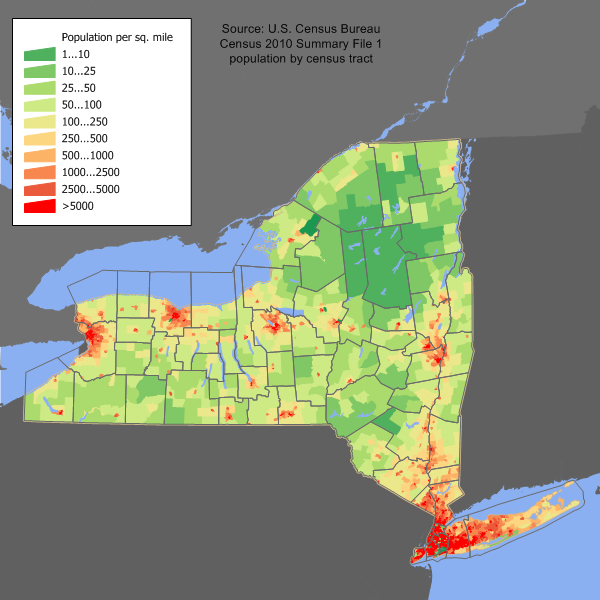
The most recent census data, often a cornerstone for understanding demographic trends, reveals a state with a significant and continuously evolving population. As of the 2020 Census, New York State was home to over 20 million residents. This figure places it among the most populous states in the United States, underscoring its national importance. However, the raw number only tells part of the story. The distribution of this population is remarkably uneven, with a heavy concentration in the southeastern corner of the state.
The Dominance of New York City
The undeniable epicenter of New York State’s population is, of course, New York City. This global metropolis, comprising five distinct boroughs—Manhattan, Brooklyn, Queens, the Bronx, and Staten Island—accounts for a significant majority of the state’s inhabitants. With millions of residents packed into its iconic streets and skyscrapers, New York City drives much of the state’s economic activity, cultural output, and, by extension, its tourism sector. The sheer density of people here fuels the demand for an unparalleled array of hotels, from luxury suites in Midtown Manhattan to charming boutique accommodations in historic neighborhoods.
Beyond the Metropolis: Upstate and Suburban Growth
While New York City dominates the population statistics, the rest of New York State, often referred to as “Upstate New York,” possesses its own distinct demographic profile and appeal. Cities like Buffalo, Rochester, Syracuse, and the state capital, Albany, each have populations in the hundreds of thousands, contributing to the state’s overall headcount. These urban centers, while smaller than their metropolitan counterpart, offer unique cultural experiences, historical landmarks, and a different pace of life that attracts tourists and residents alike.
Furthermore, the suburban areas surrounding New York City and other major upstate cities also house substantial populations. These regions often provide a blend of urban accessibility and more suburban or rural living, attracting families and individuals seeking a different lifestyle. This suburban growth is a consistent trend, influencing housing markets, transportation needs, and local tourism.
Demographic Trends and Their Impact
The population of New York State is not static; it’s a living entity shaped by birth rates, migration, and an aging demographic. Understanding these shifts provides deeper insights into the state’s present and future.
Age and Diversity
New York State is characterized by a rich tapestry of ethnic and racial diversity, reflecting its history as a melting pot of immigration. This diversity is a significant driver of its vibrant cultural scene, from the culinary delights found in the Bronx’s diverse neighborhoods to the cultural festivals celebrated throughout the state. This demographic richness contributes to unique local experiences and influences the types of tourism and lifestyle offerings that appeal to its residents and visitors.
In terms of age, like many developed regions, New York State is experiencing an aging population. This trend has implications for healthcare, social services, and the demand for different types of accommodation, including retirement communities and accessible housing options. Simultaneously, younger generations continue to shape the state’s future, influencing trends in technology, arts, and urban development.
Migration Patterns
Migration plays a pivotal role in shaping New York State’s population dynamics. While historically a destination for international immigrants, the state also experiences significant domestic migration. People move to New York seeking economic opportunities, educational institutions, or the unique cultural experiences it offers. Conversely, some residents may leave for perceived lower costs of living or different lifestyle opportunities elsewhere. These ebb and flow of people directly impact the demand for hotels and accommodation, the types of businesses that thrive, and the overall character of its cities and towns. The influx of new residents often brings fresh perspectives and contributes to the ongoing evolution of New York’s lifestyle offerings, from niche culinary scenes to emerging artistic communities.

Population and its Influence on Travel and Tourism
The substantial population of New York State has a profound and multifaceted impact on its tourism and travel sectors. It fuels both domestic and international visitor numbers, creating a constant demand for experiences, accommodation, and services.
Driving Domestic Tourism
The sheer number of New York State residents represents a significant internal market for tourism. Many New Yorkers, whether living in the bustling heart of New York City or the more serene landscapes of Upstate, take advantage of the diverse attractions within their own state. Weekend getaways to the Adirondack Mountains, cultural explorations in Rochester, or vineyard tours in the Finger Lakes are popular choices for residents seeking to explore the beauty and culture of their home state. This domestic travel is crucial for many local businesses, particularly hotels, resorts, and attractions outside the immediate vicinity of major metropolitan areas.
Fueling International Appeal
New York City remains a top global destination, drawing millions of international tourists each year. The iconic landmarks like the Empire State Building, Times Square, and the Statue of Liberty are magnets for visitors from every corner of the globe. This constant influx of international travelers directly influences the hospitality industry, with a wide range of hotels, from budget-friendly options to five-star luxury resorts, catering to diverse needs and preferences. The demand generated by international tourism also supports a vast ecosystem of tour operators, cultural institutions, and dining establishments that define the state’s vibrant tourism landscape.
The Demand for Accommodation and Experiences
A large population, both resident and visiting, naturally leads to a high demand for accommodation. New York State boasts an extensive array of lodging options. In New York City, you’ll find everything from sprawling resorts and serviced apartments to quaint bed and breakfasts and budget-friendly hostels. Beyond the city, the appeal of the Adirondacks, the Catskills, and the numerous charming towns scattered across the state means a burgeoning market for cabin rentals, lakeside villas, and country inns. This demand extends to experiences as well. The diverse population and its visitors seek out a wide range of activities, from exploring the history of the Niagara Falls region to enjoying the world-class museums and Broadway shows in New York City. The sheer number of people engaging with these offerings ensures a dynamic and ever-evolving tourism industry.
Lifestyle and Accommodation: A Reflection of Population Density
The population figures and their distribution in New York State directly shape the types of lifestyles that are prevalent and the accommodation options available to residents and visitors. From the fast-paced urban existence to the more tranquil rural retreats, there’s a spectrum of living and staying that caters to all.
Urban Living vs. Suburban and Rural Retreats
The stark population density difference between New York City and the rest of the state creates distinct lifestyle choices. In the city, life is often characterized by a higher pace, a greater emphasis on public transportation, and a vast array of entertainment and dining options. Accommodation here ranges from luxury high-rise apartments and executive suites in major hotels like the Conrad New York Midtown to more affordable, albeit often smaller, living spaces.
Conversely, suburban and rural areas offer a different lifestyle, often with more space, a focus on family life, and a closer connection to nature. This is reflected in the accommodation market, which sees a higher demand for single-family homes, apartments in smaller complexes, and for travelers, a preference for resorts, villas, or vacation rentals in scenic locations like the Hamptons or near the Great Lakes. Budget travel and family trips are particularly well-suited to these regions, offering a more relaxed and often more cost-effective experience.
The Accommodation Spectrum: From Luxury to Long-Term Stays
The diverse population and its varied needs create a comprehensive accommodation market in New York State. For business travelers and luxury seekers, there are world-renowned hotels and resorts offering top-tier amenities and services. Think of establishments like the The Plaza or the opulent The St. Regis New York. For those on a budget, numerous chain hotels and hostels provide comfortable and affordable options, particularly outside the prime tourist zones.
The state also caters to longer-term stays, driven by students attending universities, individuals on extended work assignments, or those looking to experience life in New York before committing to a permanent move. This has led to a growth in serviced apartments, extended-stay hotels, and platforms facilitating long-term rentals, offering more homely amenities and competitive pricing for stays exceeding a few weeks. The population’s varied economic backgrounds and lifestyle preferences ensure that every segment of the accommodation market finds its niche.
In conclusion, the population of New York State is a crucial factor influencing every aspect of life within its borders. From the bustling streets of New York City to the tranquil beauty of its upstate landscapes, the numbers dictate the rhythm of travel, the availability and variety of accommodations, the richness of its cultural tapestry, and the diverse lifestyles embraced by its residents and celebrated by its visitors. Understanding this demographic foundation provides a richer appreciation for the complexity and allure of the Empire State.
LifeOutOfTheBox is a participant in the Amazon Services LLC Associates Program, an affiliate advertising program designed to provide a means for sites to earn advertising fees by advertising and linking to Amazon.com. Amazon, the Amazon logo, AmazonSupply, and the AmazonSupply logo are trademarks of Amazon.com, Inc. or its affiliates. As an Amazon Associate we earn affiliate commissions from qualifying purchases.