
The allure of a perfectly cooked New York strip steak is undeniable. Its rich marbling, robust flavor, and satisfying chew have made it a perennial favorite on menus across the globe. But the name itself sparks curiosity: does this esteemed cut of beef truly originate from the bustling streets of New York? Or is it a culinary moniker that, like many things in the world of food, carries a bit of mystique and a fascinating history? To answer this, we must journey beyond the steakhouses of Manhattan and delve into the origins of this beloved cut, exploring its anatomical placement, the cattle breeds that contribute to its quality, and the historical narrative that has cemented its place in the pantheon of fine dining.
Unpacking the Anatomy: What Exactly is a New York Strip?
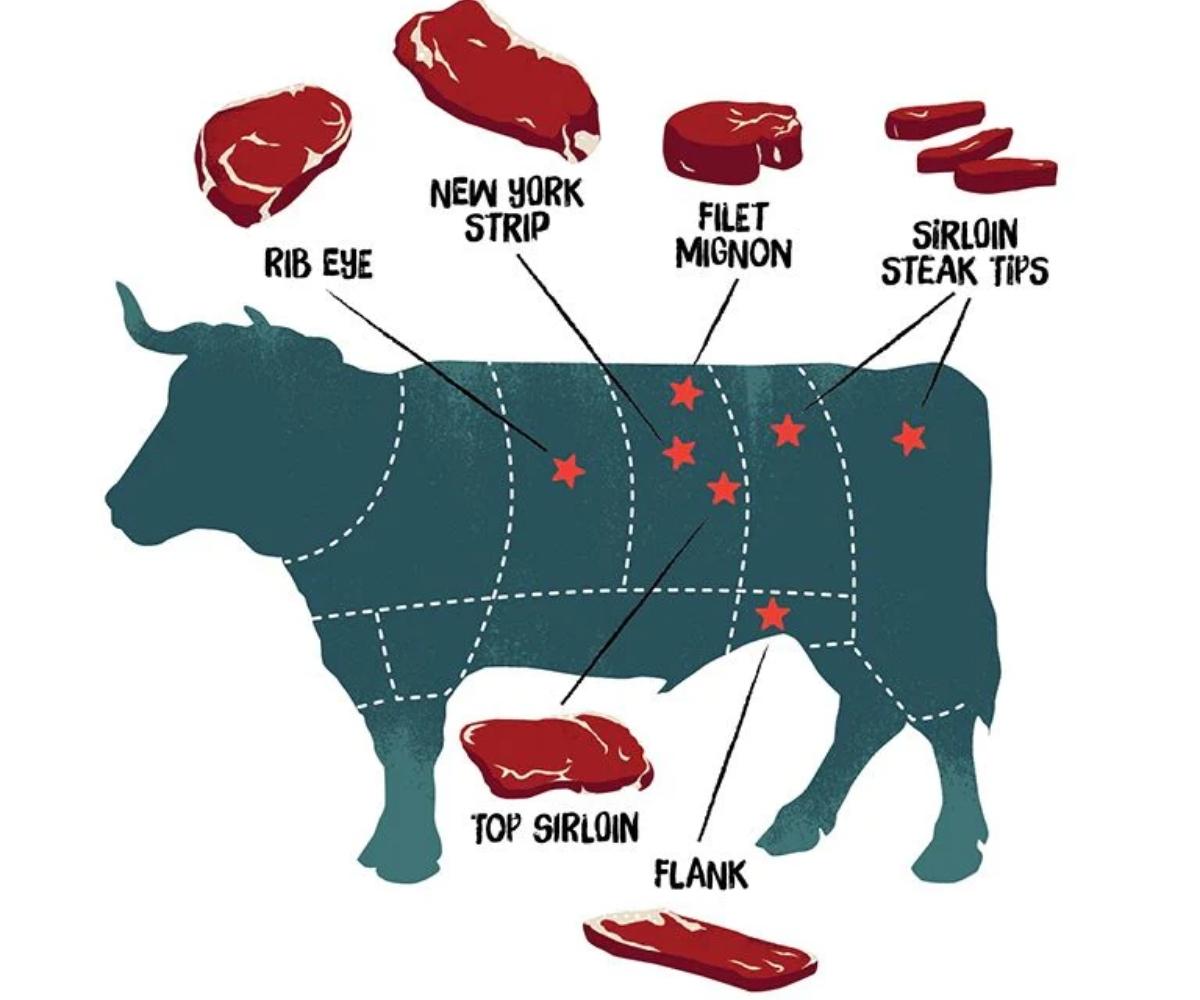
To understand where the New York strip comes from, we first need to understand what it is anatomically. This cut is most commonly known as the New York strip steak, but it also goes by several other regional names, including the Kansas City strip, the Concord steak, the hotel-style steak, and, in Australia and New Zealand, the porterhouse or sirloin. These aliases hint at a broader geographical and historical connection than just the Empire State.
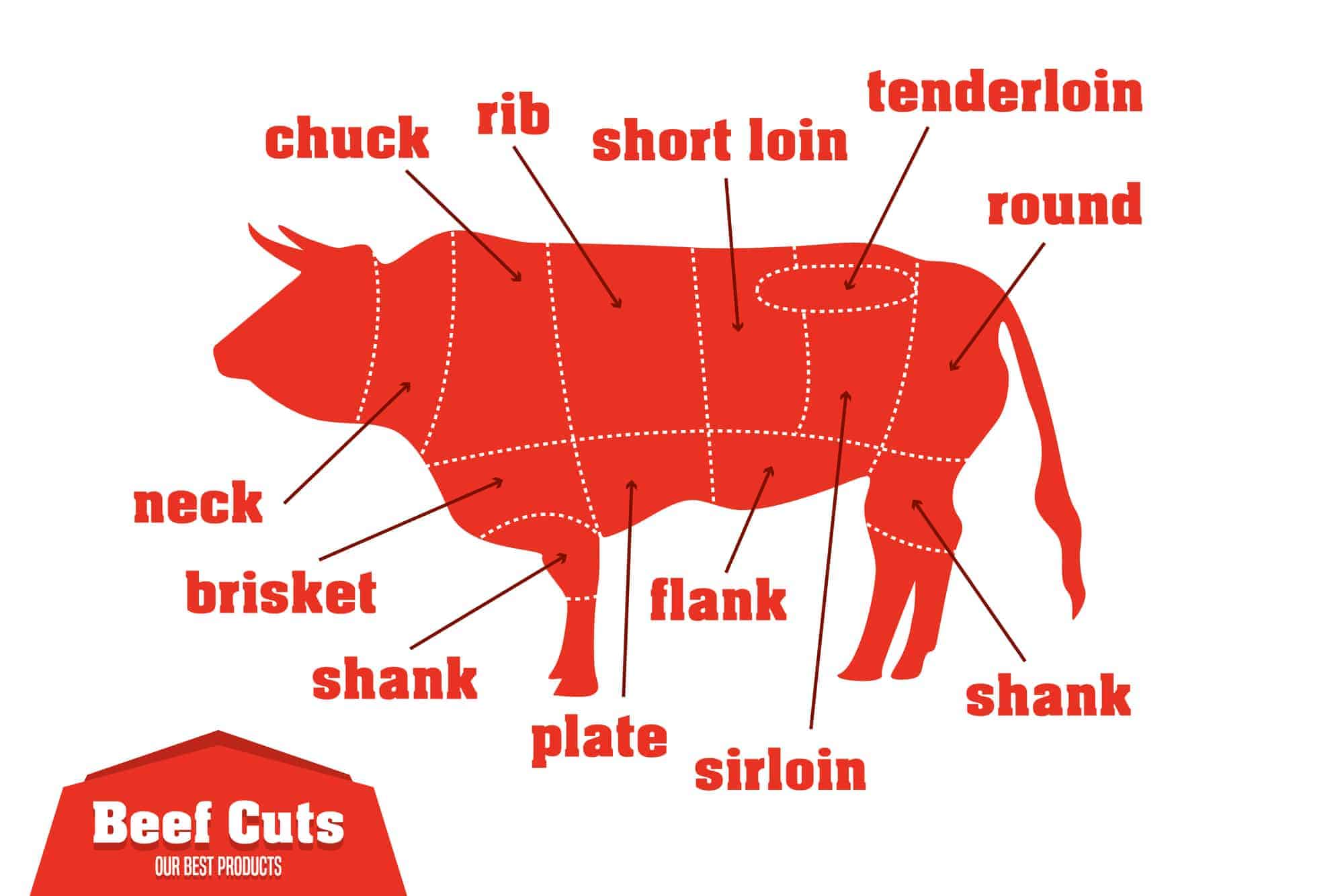
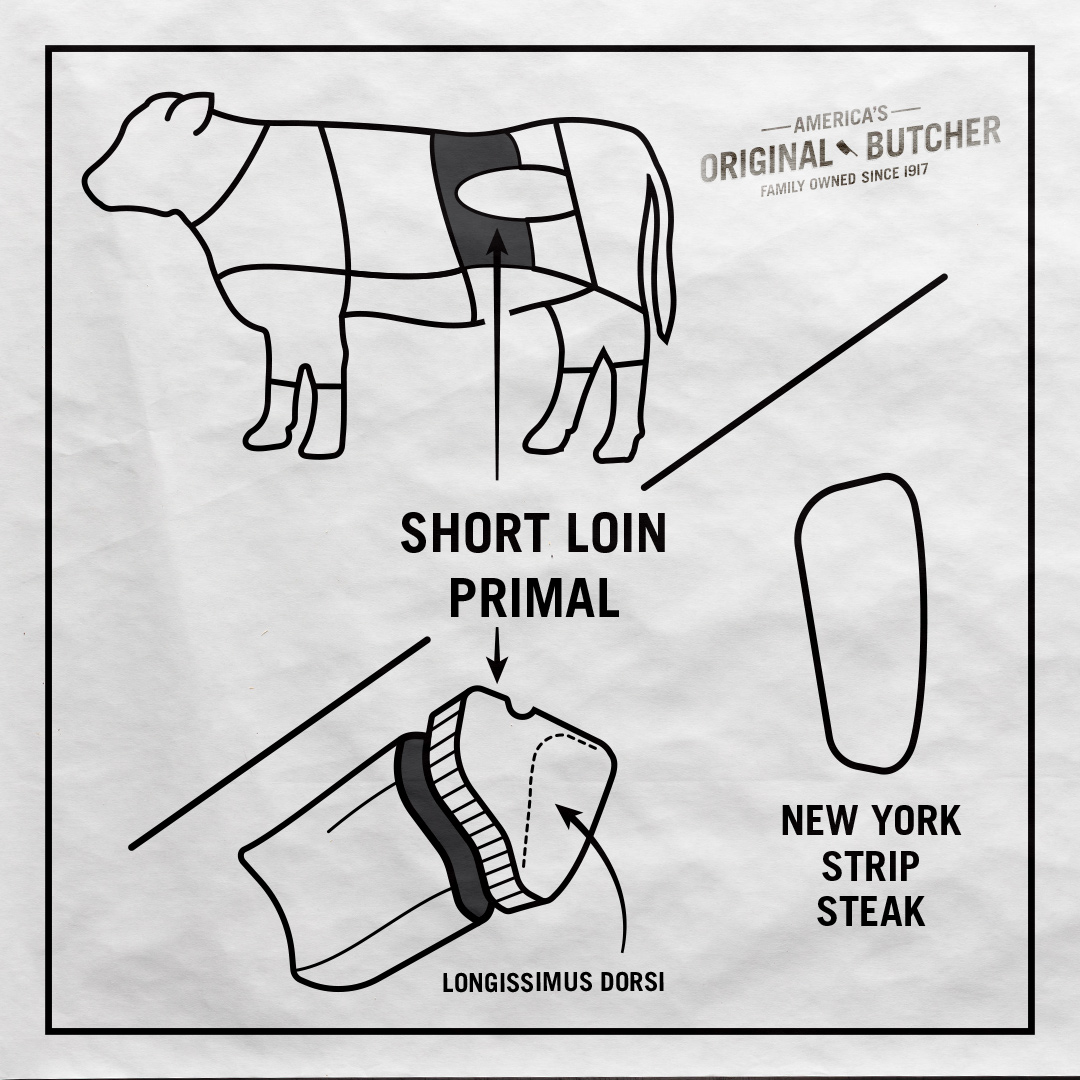
The New York strip is a subprimal cut derived from the short loin of the beef carcass. Specifically, it’s the muscle that runs along the back of the cow, between the rib cage and the hip. This particular muscle, the longissimus dorsi, is a large, tender loin muscle that doesn’t do a great deal of heavy lifting during the animal’s life. This lack of strenuous activity is precisely what contributes to its tenderness and desirable texture.
The short loin itself is a prime section of the steer, prized for producing several of the most sought-after steaks. It’s situated just behind the rib section, where the prime rib roasts are found, and ahead of the sirloin. The short loin is further divided into two key areas: the strip loin and the tenderloin. The New York strip steak is cut from the strip loin portion.
A crucial distinction lies in how the steak is fabricated. A true New York strip steak is cut from the boneless strip loin. If you encounter a steak from this same primal cut that still has a bone attached, it’s often called a bone-in strip steak or, more famously, when it includes a portion of the tenderloin separated by the T-bone, it becomes a T-bone steak or porterhouse steak. The absence of the bone is a defining characteristic of the New York strip as we typically know it in many steakhouses.
The Sirloin Connection and Regional Variations
While the New York strip is definitively from the short loin, its proximity to the sirloin often leads to its inclusion in broader discussions of sirloin cuts. In some contexts, especially in butcher shops or certain regional markets, the term “sirloin” can encompass steaks from both the short loin and the sirloin primal. However, when diners order a “New York strip,” they are specifically requesting the cut from the strip loin.
The regional nomenclature – Kansas City strip, Concord steak – suggests a historical distribution and perhaps a local embrace of this cut in different parts of the United States. The “hotel-style” moniker might point to its popularity and consistent preparation in hotel dining rooms, where quality and guest satisfaction are paramount.
Across the Pacific, the naming conventions diverge significantly. In Australia and New Zealand, the steak cut from the strip loin is often referred to as a porterhouse or sometimes a sirloin. This can be a point of confusion for international travelers accustomed to American or British terminology. Understanding these regional differences is key to navigating menus and butcher counters effectively. The term “porterhouse” in these regions often refers to what Americans would call a T-bone or porterhouse steak, which includes both the strip and the tenderloin. When they say “sirloin,” it can sometimes refer to the strip steak specifically, or a broader range of steaks from the sirloin primal.
The Pedigree of the Plate: Cattle Breeds and Quality
The quality of a New York strip steak is not solely determined by its anatomical location; it’s also heavily influenced by the breed of cattle from which it is sourced and the way those cattle are raised. Several breeds are renowned for producing beef that yields exceptional New York strip steaks, contributing to its rich flavor, tenderness, and marbling.
Angus cattle, particularly Black Angus and Red Angus, are a cornerstone of high-quality beef production worldwide. Known for their docility, efficient feed conversion, and genetic predisposition for marbling – the intramuscular fat that melts during cooking to provide flavor and moisture – Angus breeds are a popular choice for steak producers. A New York strip from an Angus steer will typically exhibit excellent marbling, resulting in a tender and flavorful eating experience.
Hereford cattle are another prevalent breed, often crossbred with Angus to create the popular “Black Baldy” (a cross of Black Angus and a red or polled Hereford). Herefords are also known for their hardiness and good marbling capabilities, contributing to a well-balanced flavor profile and tender texture in their steaks.
Beyond these common breeds, specific programs focus on raising cattle for premium beef. Wagyu cattle, originating from Japan, are legendary for their extreme marbling, producing incredibly rich and buttery steaks. While a purebred Wagyu strip steak might be a rare and expensive indulgence, crossbreeds with Wagyu genetics can also yield exceptionally tender and flavorful cuts. The American Wagyu Association promotes cattle that combine the intense marbling of Japanese Wagyu with the hardiness and larger frame of traditional American breeds.
The method of raising cattle also plays a significant role. Grass-fed beef, where cattle graze on pastures for their entire lives, often has a leaner profile and a distinct, sometimes more herbaceous flavor. Grain-finished beef, where cattle are transitioned to a grain-based diet in the final months of their lives, tends to develop more marbling and a richer, more traditional beef flavor. The choice between grass-fed and grain-finished can significantly alter the taste and texture of a New York strip, offering different but equally appealing experiences for discerning palates.
For many connoisseurs, Prime and Choice grades, as designated by the United States Department of Agriculture (USDA), represent the pinnacle of steak quality. These grades are based on marbling and maturity, with USDA Prime being the highest grade, characterized by abundant marbling, exceptional tenderness, and rich flavor. USDA Choice is the next best, still offering excellent quality and marbling. Many restaurants and butcher shops proudly feature these USDA grades, ensuring a consistent and superior New York strip experience.
The “New York” Enigma: A Historical and Culinary Tale
So, why the name “New York strip”? While the steak is produced from cattle raised all over the United States and beyond, its association with New York City is deeply rooted in its culinary history and its prominence in the city’s iconic steakhouses.
During the late 19th and early 20th centuries, New York emerged as a global hub for finance, culture, and, importantly, gastronomy. The city’s burgeoning wealth and sophisticated dining scene demanded high-quality ingredients and refined preparations. Steakhouses became temples of meat, and chefs sought out the finest cuts to satisfy their discerning clientele.
The strip loin, with its desirable tenderness and rich flavor, was a natural fit for this elevated dining experience. It offered a robust beefiness without the extreme richness and fat of a ribeye, and it was more consistently tender than many cuts from the sirloin. New York‘s elite establishments likely played a significant role in popularizing this specific cut, giving it the name that would eventually stick.
One prevailing theory suggests that the name originated from Delmonico’s, a legendary restaurant in Lower Manhattan that was a pioneer in American fine dining. Delmonico’s was known for its elaborate menus and its role in introducing many dishes and cuts of meat to the American public. It’s widely believed that Delmonico’s was one of the first, if not the first, to consistently feature the boneless strip steak, and in doing so, it became associated with the restaurant and the city it called home. While definitive proof is elusive, the association with such a prestigious establishment and its prominent location in New York makes this narrative highly plausible.
Furthermore, the city’s role as a major port and transportation hub meant that high-quality ingredients from across the country were readily available. This accessibility, combined with the city’s discerning diners and influential restaurateurs, solidified the New York strip’s reputation. As other cities and regions developed their own culinary identities, they adopted the name or created regional variations, but the New York moniker, for many, remained the quintessential identifier.
The steak’s journey from the ranch to the plate is a testament to both the agricultural prowess of cattle-raising regions and the sophisticated culinary landscape that helped define and popularize its place on the menu. Whether you find yourself savoring a New York strip at a swanky restaurant in Times Square or at a beloved local steakhouse in a small town, its name carries the echo of a bygone era of culinary innovation and a city that helped make it a star. It’s a cut that embodies not just a flavor, but a piece of American gastronomic history, a delicious legacy born from the back of a steer and elevated by the discerning tastes of a great metropolis.
LifeOutOfTheBox is a participant in the Amazon Services LLC Associates Program, an affiliate advertising program designed to provide a means for sites to earn advertising fees by advertising and linking to Amazon.com. Amazon, the Amazon logo, AmazonSupply, and the AmazonSupply logo are trademarks of Amazon.com, Inc. or its affiliates. As an Amazon Associate we earn affiliate commissions from qualifying purchases.