
The California State Capitol, an architectural marvel and a monument to democratic governance, stands majestically in downtown Sacramento, serving as both the seat of the state government and a captivating historical landmark. More than just an office building for legislators, it is a living museum, a public park, and a symbol of California’s rich past, vibrant present, and promising future. For anyone interested in the confluence of history, politics, and architectural brilliance, understanding what this iconic structure represents offers profound insights into the Golden State’s identity.
A Beacon of Californian Governance and Heritage
At its core, the California State Capitol is the epicenter of the legislative and executive branches of California’s government. It houses the chambers for the California State Assembly and the California State Senate, where laws are debated and passed, shaping the lives of millions of Californians. Beyond its functional role, the building itself is a masterpiece, echoing the aspirations and values of the people it serves. Its towering dome and classical facade command attention, drawing visitors from across the globe to witness its grandeur.
Architectural Grandeur and Design Influences
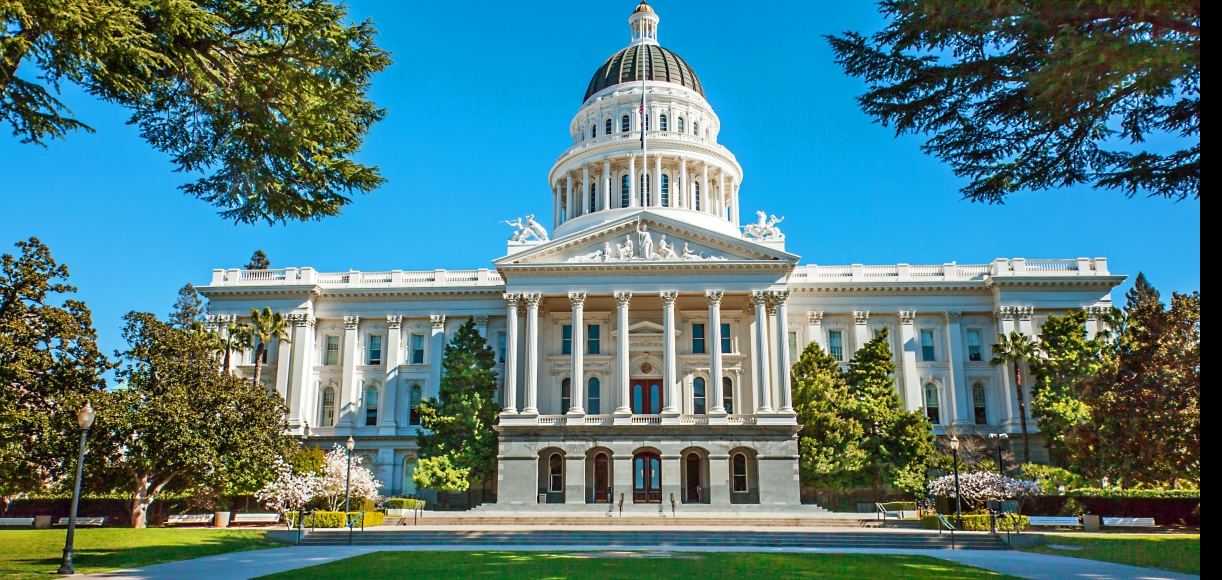
The design of the California State Capitol is a striking example of Neoclassical architecture, drawing inspiration from the U.S. Capitol in Washington D.C. The cornerstone was laid in 1861, and construction spanned 14 years, culminating in its completion in 1874. The building features a magnificent central dome, which rises approximately 220 feet from the ground, topped by a cupola and a statue of Minerva, the Roman goddess of wisdom and war, symbolizing the state’s enlightened governance.
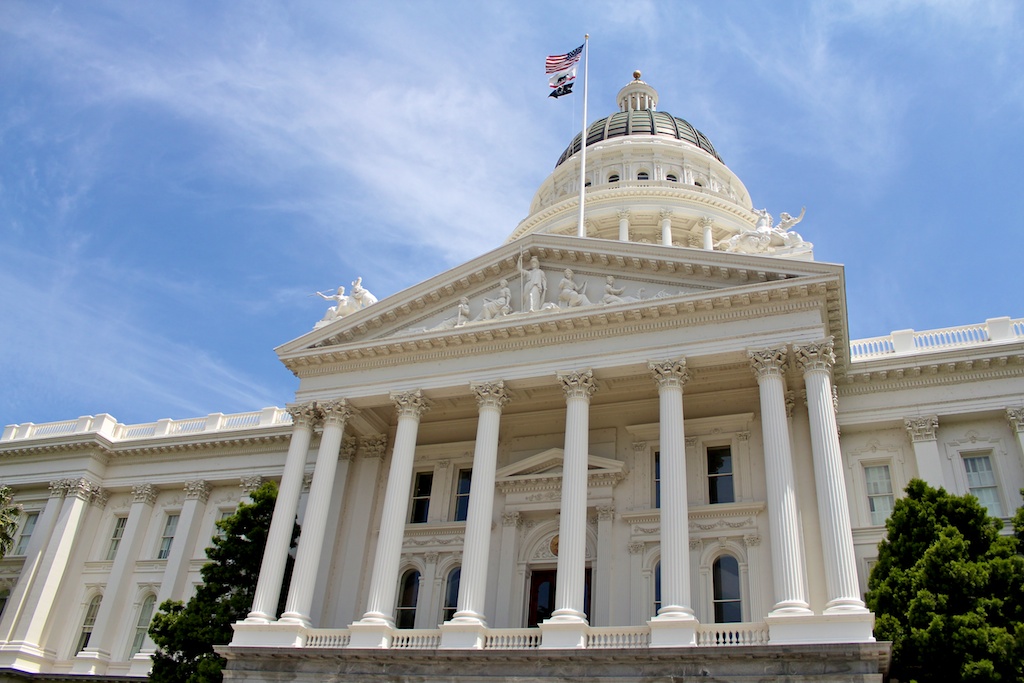
The exterior is adorned with intricate details, including columns, pilasters, and cornices, crafted primarily from durable materials such as granite and marble. The grand entrance on the west side opens into a rotunda that is truly breathtaking. Ornate frescoes, gilded railings, and a massive stained-glass seal of California illuminate the space, creating an atmosphere of solemn importance and artistic beauty. Each element, from the patterned mosaic floors to the elaborate ceiling paintings, tells a story of the state’s heritage and its democratic ideals.
The interior spaces, including the legislative chambers and the various offices, are meticulously preserved, showcasing a blend of historical elegance and functional design. The chambers themselves are rich with history, featuring original desks, impressive chandeliers, and portraits of past governors and legislative leaders. The attention to detail in the architecture and interior design reflects the enduring significance placed on the legislative process and the state’s historical narrative.
A Legacy Etched in Stone: Construction and Evolution
The journey of the California State Capitol began with the need for a permanent seat of government. After several temporary locations, Sacramento was chosen, and the construction of this iconic structure commenced. The initial design was developed by Reuben S. Clark, and later refined by M. Frederick Butler and other architects, who navigated the challenges of a burgeoning state and evolving architectural tastes.
Over the decades, the Capitol has undergone several modifications and restorations to preserve its historical integrity and ensure its functionality. A major restoration project in the late 20th century, completed in 1982, meticulously refurbished much of the building, bringing it up to modern earthquake safety standards while restoring its historical splendor. This comprehensive effort ensured that the original craftsmanship and artistic details were preserved for future generations, making it one of the best-maintained state capitols in the nation. The result is a structure that seamlessly blends historical authenticity with contemporary functionality, symbolizing the resilience and forward-thinking spirit of California.
The Heart of California’s Political Landscape
The California State Capitol is not merely a static monument; it is a dynamic, living institution where the daily work of governing California unfolds. It is the hub where elected officials convene, constituents voice their concerns, and the democratic process is enacted. The building pulsates with activity during legislative sessions, but even outside of these periods, its historical significance and ongoing operations make it a focal point of state life.
Legislative Functions and Daily Operations
Within its hallowed halls, the 80 members of the California State Assembly and the 40 members of the California State Senate gather to represent their districts and deliberate on critical issues facing the state. Committee hearings, policy debates, and voting sessions are regular occurrences, directly impacting areas such as education, healthcare, environmental protection, and economic development. The legislative process is transparent, with many proceedings open to the public, underscoring the democratic principles upon which the state was founded.
Beyond the legislative chambers, numerous offices house the staff and support personnel essential to the functioning of state government. These individuals work tirelessly behind the scenes, conducting research, drafting legislation, and communicating with constituents, ensuring the smooth operation of the state’s complex administrative machinery. The constant hum of activity within the Capitol reflects its role as a vibrant center of governance.
The Governor’s Domain: Executive Power
While the legislative branch occupies the primary space, the California State Capitol also houses the Governor’s Office. The Governor, as the chief executive of California, plays a crucial role in shaping state policy, signing or vetoing legislation, and overseeing the vast network of state agencies. The executive suite, while grand, is a place of serious work where critical decisions are made that affect the entire population of California.
The presence of both legislative and executive branches within the same building facilitates communication and collaboration, although it also sets the stage for the checks and balances inherent in the American system of government. Visitors to the Capitol can gain a firsthand appreciation for the intricate dance of power and responsibility that defines state governance.
Exploring the Capitol: A Public Treasure
The California State Capitol is not just a workplace for politicians; it is a public building, open to all, designed to educate and inspire. It serves as a monumental classroom, a repository of art and artifacts, and a tranquil escape within the urban fabric of Sacramento. Its accessibility makes it a crucial landmark for fostering civic engagement and historical understanding.
Public Tours and Educational Programs
One of the most engaging ways to experience the California State Capitol is through its comprehensive public tour program. Knowledgeable docents lead visitors through the historic chambers, the grand rotunda, and various points of interest, sharing fascinating stories about the building’s history, architecture, and the legislative process. These tours provide invaluable context, bringing the past to life and explaining the contemporary workings of state government.
Educational programs are also a cornerstone of the Capitol’s public outreach. School groups from across California regularly visit, participating in interactive sessions that teach them about civics, lawmaking, and the importance of active citizenship. These programs are vital in cultivating a deeper understanding of democracy among younger generations, connecting them directly to the institutions that govern their lives.
Museum Exhibits and Historical Artifacts
Throughout the Capitol building, various museum exhibits showcase historical artifacts, portraits, and documents that chronicle California’s journey from a fledgling territory to a global economic and cultural powerhouse. The historic rooms, restored to their late 19th-century appearance, offer a glimpse into the daily lives of early legislators and governors. These displays provide a tangible link to the past, illustrating the challenges and triumphs that shaped the state.
Visitors can view legislative chambers as they appeared decades ago, walk through the historic Governor’s Office, and admire a collection of art that celebrates California’s diverse landscapes and historical figures. Each artifact and exhibit serves as a portal to a different era, enriching the visitor’s appreciation for the state’s heritage. The combination of legislative activity and museum-quality exhibits makes the Capitol a uniquely educational landmark.
The Capitol Park: An Urban Oasis
Surrounding the California State Capitol is the expansive and beautifully landscaped Capitol Park. This 40-acre urban oasis is a destination in itself, featuring meticulously manicured gardens, groves of diverse trees from around the world, and numerous memorials. It provides a serene backdrop to the stately building and offers a peaceful respite for both locals and tourists.
Within the park, visitors can find memorials honoring significant historical events and groups, such as the California Vietnam Veterans Memorial, the California Firefighters Memorial, and a garden dedicated to the victims of the Armenian Genocide. The World Peace Rose Garden, with its vibrant blooms and symbolic messages, is another popular attraction. The Capitol Park seamlessly blends natural beauty with historical reflection, reinforcing the Capitol’s role as a public space for contemplation and remembrance.
Symbolism and Significance in the Golden State
The California State Capitol stands as more than just a magnificent building; it embodies the ideals and aspirations of California itself. It symbolizes the state’s enduring commitment to democracy, its rich historical narrative, and its forward-looking vision.
A Testament to Enduring Democracy
As the seat of government for one of the world’s largest economies and most populous democratic entities, the Capitol is a powerful testament to the enduring principles of representative democracy. It signifies the place where diverse voices converge, where disagreements are debated, and where collective decisions are made for the common good. Its imposing presence serves as a constant reminder of the responsibilities inherent in self-governance and the importance of civic participation. The building has witnessed pivotal moments in California’s history, from significant legislative milestones to public protests, all contributing to the ongoing narrative of a vibrant democracy.
The Capitol as a Cultural and Educational Hub
Beyond its political functions, the California State Capitol has solidified its role as a crucial cultural and educational institution. It is a place where history is made daily and where that history is meticulously preserved and shared. The artwork, the architecture, and the surrounding park all contribute to a rich cultural experience that transcends mere politics. For students, historians, architects, and the general public, the Capitol offers a unique window into the past and present of California, making it an indispensable landmark for understanding the state’s identity.
Planning Your Visit to this Iconic Landmark
Visiting the California State Capitol is an enriching experience that offers a blend of education, history, and architectural appreciation. Whether you are a history buff, a student of politics, or simply a curious traveler, a trip to this landmark in Sacramento is highly recommended.
Location and Accessibility in Sacramento
The California State Capitol is conveniently located in the heart of downtown Sacramento, easily accessible by car, public transport, or on foot from many of the city’s hotels and attractions. Its central location makes it a prominent feature of the city’s skyline and an easy addition to any itinerary exploring the state capital. Ample parking is available in surrounding garages, and the building is well-served by local bus routes.

Best Practices for an Enriching Experience
To make the most of your visit, consider taking one of the guided tours, which provide invaluable insights that might be missed on a self-guided exploration. Check the Capitol’s official website for tour schedules, legislative session dates, and any special events. Allow plenty of time to explore not only the interior of the building but also the extensive and beautiful Capitol Park. Dress comfortably, especially if you plan to walk through the park, and be prepared for security checks upon entry, as is standard for government buildings. A visit to the California State Capitol promises a memorable journey through California’s governmental and historical heart.
LifeOutOfTheBox is a participant in the Amazon Services LLC Associates Program, an affiliate advertising program designed to provide a means for sites to earn advertising fees by advertising and linking to Amazon.com. Amazon, the Amazon logo, AmazonSupply, and the AmazonSupply logo are trademarks of Amazon.com, Inc. or its affiliates. As an Amazon Associate we earn affiliate commissions from qualifying purchases.