
The story of how New York came to be is a captivating narrative, woven from threads of commerce, colonial ambition, and a strategic geographical advantage. While many may associate New York with its iconic skyline, bustling streets, and status as a global hub, its origins lie in a much humbler, yet equally significant, foundation. The establishment of this pivotal settlement wasn’t a sudden event but a gradual process, driven by the economic imperatives of European powers and the unique potential of its natural harbor.
The Dawn of a Trading Post: From New Netherland to New York
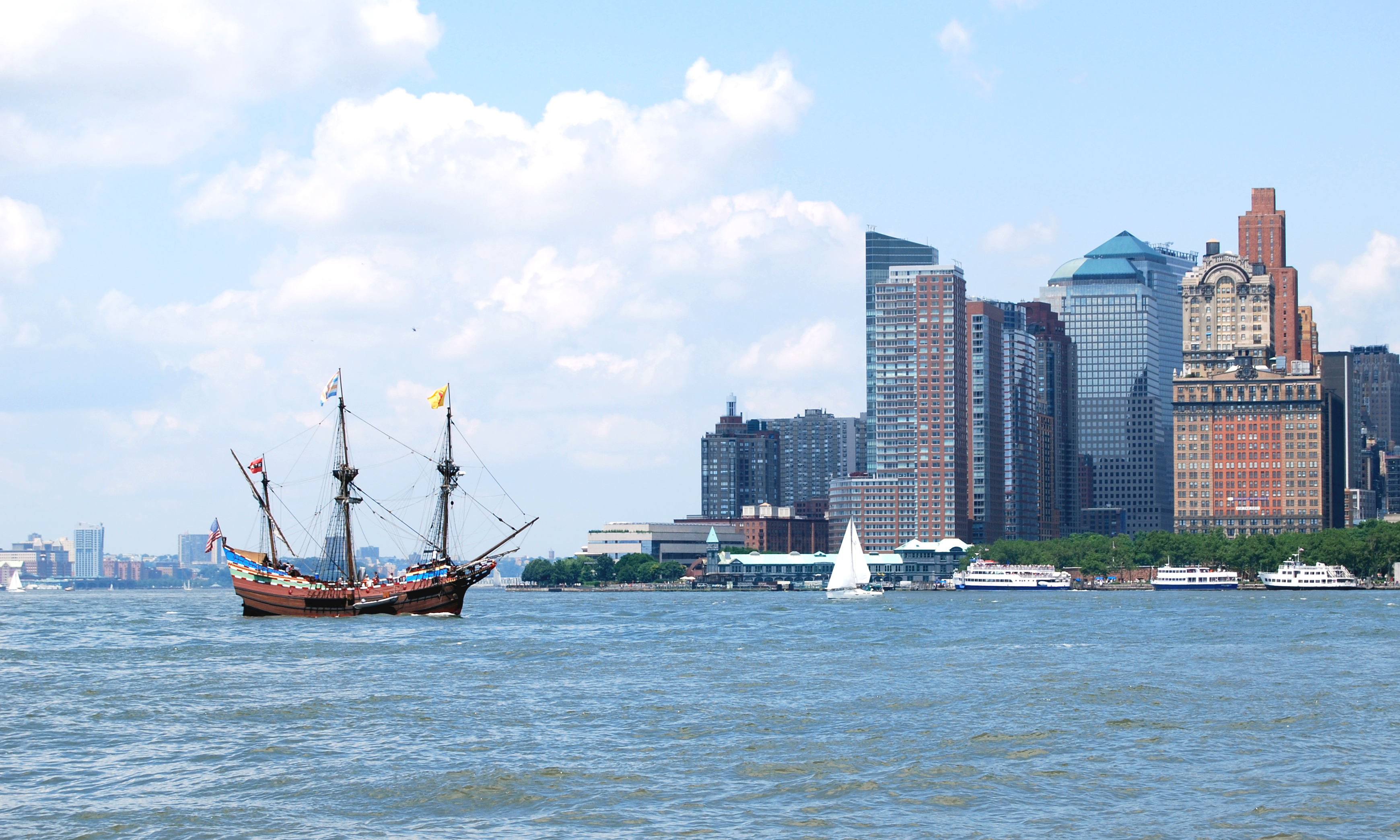
The very genesis of New York can be traced back to the early 17th century and the ambitions of the Dutch West India Company. In 1624, a small group of Dutch colonists, led by Captain Thijmen Jacobsz Cuy, arrived and established a permanent settlement on the southern tip of Manhattan Island. This wasn’t an isolated outpost; it was part of a larger venture to create a profitable trading empire in North America. The Dutch envisioned a robust network of fur trading posts, and the location at the mouth of the Hudson River proved to be exceptionally advantageous.

The Hudson River offered a natural gateway to the interior, providing access to the lucrative fur trade with Indigenous populations. The Dutch called their new colony New Netherland, with its administrative center being New Amsterdam. The strategic importance of the site was immediately apparent. The island of Manhattan offered a defensible position, protected by the waters of the Atlantic Ocean and the Hudson River, while also providing excellent docking facilities for ships. This natural deep-water harbor would become a cornerstone of the settlement’s future growth and prosperity.
Life in New Amsterdam in these early years was a far cry from the cosmopolitan metropolis we know today. It was a frontier settlement, a trading post focused on survival and profit. The colonists engaged in trade, built rudimentary fortifications, and began to cultivate the land. The population was diverse, comprising Dutch settlers, along with Walloons, French Huguenots, Portuguese Jews, and enslaved Africans who were brought to the colony to perform labor. This early multiculturalism, born out of necessity and trade, would become a defining characteristic of New York throughout its history.
The Dutch West India Company’s primary objective was economic. They sought to monopolize the fur trade, particularly beaver pelts, which were highly prized in Europe for their use in fashion. New Amsterdam served as the central hub for this trade, receiving furs from Indigenous traders and then shipping them back to Europe. The establishment of the settlement was, therefore, a direct result of the burgeoning mercantilist policies of the time, where colonies were seen as sources of raw materials and markets for finished goods.
The Strategic Advantage of the Harbor
The harbor itself was the undisputed linchpin of New Amsterdam’s establishment. Its natural depth and sheltered waters made it an ideal location for ships to dock, load, and unload cargo. This was crucial for the transatlantic trade that fueled the colonial economy. The Hudson River acted as a superhighway, allowing goods and people to move easily between the coast and the interior. Without this exceptional natural asset, the Dutch ambitions for a thriving trading post would have been significantly hampered.
The proximity to the Atlantic Ocean also meant direct access to global shipping routes. This allowed for efficient transport of goods to and from Europe, making New Amsterdam a vital link in the global trade network. The Dutch understood this potential, and their investment in the settlement was a calculated move to secure a strong foothold in the burgeoning economies of the New World.
A Shift in Power: The English Takeover and the Birth of New York
The Dutch presence in New Netherland, while significant, was destined to be challenged. The English, with their own burgeoning colonial ambitions and a strong naval presence, viewed the Dutch settlement as an unwelcome rival in North America. The strategic location of New Netherland also made it a potential threat, as it separated the English colonies in New England from those in the South.
In 1664, a fleet of English warships arrived in the harbor of New Amsterdam. The English, under the command of Colonel Richard Nicolls, demanded the surrender of the colony. The Dutch governor, Peter Stuyvesant, a formidable figure known for his autocratic rule, initially resisted. However, facing overwhelming military force and lacking adequate support from the Dutch West India Company, he was ultimately compelled to surrender without a shot being fired.

This transfer of power marked a pivotal moment in the history of the settlement. The English renamed the colony New York, in honor of James, the Duke of York and Albany, who had been granted the territory by his brother, King Charles II. The city itself, formerly New Amsterdam, also became New York City. This name change symbolized the shift in sovereignty and the beginning of a new era for the settlement.
Under English rule, New York continued to flourish as a center of trade and commerce. The English maintained and even expanded upon the existing infrastructure, recognizing the inherent value of the harbor and the colony’s strategic position. While the initial establishment was Dutch, the English takeover ensured its integration into a larger, and ultimately more dominant, colonial power. The emphasis on trade and its diverse population remained, laying the groundwork for its future cosmopolitan character.
The Legacy of Colonial Ambition
The establishment of New York, first by the Dutch and then solidified by the English, is a clear illustration of the intense colonial rivalries and ambitions of the 17th century. Both powers recognized the immense economic and strategic potential of the region. The Dutch saw it as a vital piece in their global trading network, while the English viewed it as a crucial link to consolidate their dominance along the Atlantic coast.
The story of New York’s founding is not just about the actions of European powers; it also acknowledges the presence and displacement of Indigenous peoples who had inhabited this land for centuries. While not directly addressed in the context of establishment, their prior presence and subsequent interactions with the colonists are an integral, albeit often overlooked, part of the historical narrative.
The legacy of these early colonial ambitions is evident even today. The foundational importance of trade and its strategic location continues to shape New York’s identity as a global economic powerhouse. The early multiculturalism, fostered by trade and the influx of diverse peoples, has evolved into the vibrant, international character that defines the city.
From Colonial Outpost to Global Metropolis: The Enduring Significance of New York’s Establishment
The reasons for New York’s establishment—its strategic harbor, access to trade routes, and the colonial ambitions of European powers—laid the bedrock for its extraordinary evolution. What began as a Dutch trading post, then became an English proprietary colony, has transformed over centuries into one of the most influential cities in the world.
The initial Dutch settlement on Manhattan Island was driven by the pursuit of profit through the fur trade. The natural advantages of the harbor and the Hudson River were undeniable assets that attracted the Dutch West India Company. This early focus on commerce and trade created a precedent that would endure. Even after the English takeover, New York remained a vital port city, facilitating the exchange of goods and ideas between North America and the rest of the world.
The English, recognizing the established strengths of the settlement, continued to foster its commercial growth. They encouraged immigration, further diversifying the population and bringing new skills and perspectives. This influx of people, coupled with the strategic location, created a dynamic environment for economic development.
The Foundations of a Thriving Metropolis
The establishment of New York was a deliberate act, motivated by a clear understanding of its potential. The Dutch chose the site for its defensibility and access to trade. The English saw its strategic importance in their colonial expansion. These initial decisions, driven by practical and economic considerations, proved to be remarkably prescient.
The enduring legacy of this early establishment is the city’s inherent connectivity. The harbor has always been its gateway to the world, a conduit for trade, migration, and cultural exchange. This connectivity, established from its very inception, has allowed New York to adapt and thrive through various historical periods, from its colonial beginnings to its present-day status as a global financial, cultural, and diplomatic center.
From the humble beginnings of New Amsterdam, a small trading settlement, New York has grown into a sprawling metropolis. Its iconic landmarks, from the Empire State Building to the Statue of Liberty, stand testament to its long and complex history. The very act of its establishment, rooted in the strategic foresight of its early founders, set in motion a chain of events that would lead to the creation of one of the most dynamic and influential cities on the planet. The question of “Why Was New York Established?” ultimately points to a confluence of geographical fortune and calculated human ambition, setting the stage for an unparalleled urban saga.
LifeOutOfTheBox is a participant in the Amazon Services LLC Associates Program, an affiliate advertising program designed to provide a means for sites to earn advertising fees by advertising and linking to Amazon.com. Amazon, the Amazon logo, AmazonSupply, and the AmazonSupply logo are trademarks of Amazon.com, Inc. or its affiliates. As an Amazon Associate we earn affiliate commissions from qualifying purchases.