
The vibrant spirit of New Orleans is undeniable. It’s a city that pulsates with a unique rhythm, a captivating blend of cultures, and an infectious zest for life. From the soulful sounds of jazz echoing through the French Quarter to the tantalizing aromas wafting from its world-renowned kitchens, New Orleans promises an unforgettable travel experience. However, like many major metropolises, it grapples with a reputation that includes safety concerns. Understanding these issues is crucial for any traveler planning a visit, allowing for informed decisions and a more secure and enjoyable journey.
The perception of danger in New Orleans is often amplified by media portrayals and isolated incidents, which can overshadow the overwhelmingly positive experiences many visitors have. This article aims to delve into the factors that contribute to this perception, offering a balanced perspective for travelers interested in exploring the magic of this iconic American city. We will explore the socioeconomic underpinnings, the realities of crime statistics, and practical advice for navigating New Orleans safely, ensuring your trip is focused on the unparalleled culture, history, and attractions it has to offer.
Navigating the Complexities: Understanding Crime in New Orleans
It’s a difficult reality that New Orleans, like many urban centers across the globe, faces challenges with crime. This isn’t a phenomenon unique to this southern gem, but the city’s specific historical, economic, and social contexts contribute to its particular crime landscape. Understanding these nuances is key to demystifying the “dangerous” label and approaching a visit with informed caution rather than unfounded fear.
Socioeconomic Factors and Their Impact
The roots of crime in any city are often deeply entwined with socioeconomic disparities. New Orleans is no exception. Centuries of complex history, including the legacy of slavery, economic downturns, and the devastating impact of Hurricane Katrina in 2005, have left lasting scars on certain communities. Poverty, lack of educational and employment opportunities, and historical disenfranchisement can unfortunately create environments where crime can flourish.
- Poverty and Opportunity Gaps: Areas with high poverty rates often experience higher crime rates. When legitimate avenues for success are limited, some individuals may turn to illicit activities out of desperation or a lack of alternatives. Investing in education, job training programs, and community development initiatives are crucial long-term strategies for addressing these root causes.
- Historical Inequities: The lingering effects of systemic racism and economic marginalization continue to impact communities in New Orleans. Addressing these historical injustices is not only a moral imperative but also a vital component in fostering a safer and more equitable city for all.
- Post-Katrina Recovery: While New Orleans has shown remarkable resilience in its recovery from Hurricane Katrina, the storm exacerbated existing socioeconomic challenges. The displacement of residents, the destruction of infrastructure, and the uneven pace of rebuilding in some neighborhoods have had long-term repercussions on community stability and safety.
Crime Statistics: A Closer Look
When discussing crime, statistics provide a crucial, albeit sometimes complex, picture. It’s important to interpret these numbers within their broader context and avoid generalizations. While New Orleans has, at times, ranked higher than the national average in certain crime categories, particularly violent crimes, it’s essential to differentiate between the city as a whole and specific neighborhoods. Tourist areas, for instance, often have a higher police presence and are generally safer than some residential districts with greater socioeconomic challenges.
- Types of Crime: The majority of crimes reported in New Orleans, as in most cities, fall into categories like property crime (theft, burglary) and less severe offenses. Violent crimes, while a serious concern, are often concentrated in specific areas and may not directly impact the typical tourist experience.
- Trends Over Time: Crime statistics are not static. New Orleans, like many cities, has seen fluctuations in crime rates over the years. Understanding these trends can offer a more nuanced perspective than focusing solely on peak periods.
- Focus on Tourist Areas: Law enforcement and city officials place a significant emphasis on ensuring the safety of visitors in popular tourist zones such as the French Quarter, the Garden District, and along the Mississippi Riverfront. While vigilance is always advised, these areas are generally well-patrolled and are not typically where the highest crime rates are concentrated.
Experiencing New Orleans Safely: Practical Tips for Travelers
While the reputation for danger exists, it’s crucial to remember that millions of tourists visit New Orleans each year without incident, returning with cherished memories of its unique charm. The key to a safe and enjoyable trip lies in awareness, common sense, and adopting a few practical precautions. By taking these simple steps, you can confidently explore all that this incredible city has to offer.
Smart Travel Practices in the Crescent City
The “danger” often associated with New Orleans can be mitigated by adopting smart travel habits that are applicable in many urban environments. It’s about being present, aware, and prepared, allowing you to fully immerse yourself in the city’s vibrant culture.
- Stay Aware of Your Surroundings: This is perhaps the most fundamental piece of advice for any traveler. Be mindful of who is around you, especially in crowded areas or when walking alone, particularly at night. Avoid displaying large amounts of cash or expensive electronics openly.
- Stick to Well-Lit and Populated Areas: When exploring, especially after dark, favor streets that are well-lit and have a good number of people around. This is particularly true when venturing away from the most prominent tourist hubs like Bourbon Street.
- Utilize Reputable Transportation: When getting around, opt for licensed taxis, ride-sharing services like Uber and Lyft, or the city’s public transportation system. Avoid hailing unmarked cars. If you’re staying in a reputable hotel such as the Roosevelt New Orleans, ask the concierge for transportation recommendations.
- Secure Your Belongings: Keep your valuables safe. Use hotel safes for passports and excess cash. Be cautious of pickpockets in crowded tourist attractions and on public transport.
- Trust Your Instincts: If a situation feels uncomfortable or unsafe, remove yourself from it. It’s always better to be cautious and err on the side of safety.
Understanding Neighborhoods and Travel Times
New Orleans is a city of distinct neighborhoods, each with its own character and atmosphere. While many visitors stick to the well-trodden paths of the French Quarter and the Central Business District, venturing further afield can offer deeper cultural experiences. However, it’s important to research neighborhoods you plan to visit, especially if they are outside the main tourist zones.
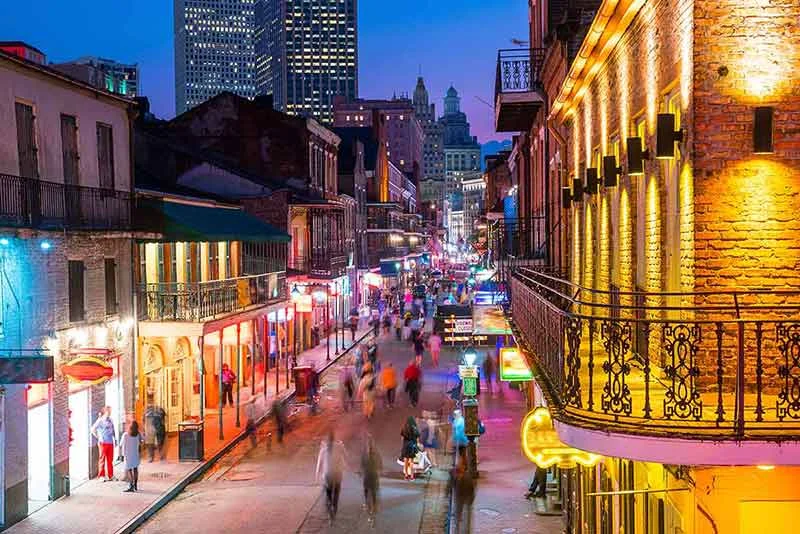
- The French Quarter and Beyond: The French Quarter is a bustling hub of activity, known for its historic architecture, live music, and diverse culinary scene. While generally safe during the day and early evening, it’s advisable to exercise caution late at night, especially on less crowded side streets. Nearby areas like the Marigny, famous for its live music venues on Frenchmen Street, are also popular and generally safe for enjoying the nightlife.
- The Garden District: This affluent neighborhood is known for its stunning antebellum mansions and lush gardens. It’s a popular area for walking tours and is generally considered very safe, offering a glimpse into the city’s elegant past.
- Exploring Other Districts: If you plan to explore neighborhoods beyond the immediate tourist core, such as the Uptown, Mid-City, or Bywater areas, it’s wise to do some research beforehand. Understand the local vibe and be aware of your surroundings, especially if visiting during off-peak hours or in less developed sections. Many of these areas offer unique cultural experiences, from authentic local eateries to vibrant street art.
Embracing the Allure: Why New Orleans is Worth the Visit
Despite the safety concerns that may arise in discussions about New Orleans, its allure remains potent and its cultural significance is undeniable. The city offers a tapestry of experiences that are difficult to find anywhere else, making it a compelling destination for travelers seeking depth, authenticity, and a truly unique adventure. Focusing on the positive aspects and adopting sensible precautions allows visitors to fully appreciate the magic of the Crescent City.
A World of Culture, Cuisine, and Festivities
New Orleans is celebrated for its rich cultural heritage, a vibrant fusion of French, Spanish, African, and Caribbean influences. This cultural melting pot is evident in every facet of city life, from its music and art to its distinct dialect and traditions.
- The Soundtrack of a City: Music is the lifeblood of New Orleans. From the mournful beauty of traditional jazz funerals to the infectious rhythms of brass bands on Frenchmen Street, the city offers a continuous soundtrack to your travels. Don’t miss opportunities to catch live performances in iconic venues or simply enjoy the spontaneous street music.
- Culinary Delights: The food scene in New Orleans is legendary. From the delicate flavors of Creole cuisine to the hearty traditions of Cajun cooking, the city is a paradise for food lovers. Indulge in classic dishes like gumbo, jambalaya, po’boys, and beignets at establishments ranging from historic restaurants like Commander’s Palace to humble neighborhood eateries.
- Festivals and Traditions: New Orleans is renowned for its vibrant festival culture, most famously Mardi Gras. Beyond this iconic celebration, the city hosts numerous other events throughout the year, including the New Orleans Jazz & Heritage Festival, highlighting its enduring traditions and celebratory spirit.
The Enduring Charm of Landmarks and Experiences
Beyond the immediate sensory delights of food and music, New Orleans boasts a wealth of historical sites, architectural marvels, and unique experiences that draw visitors from around the globe.
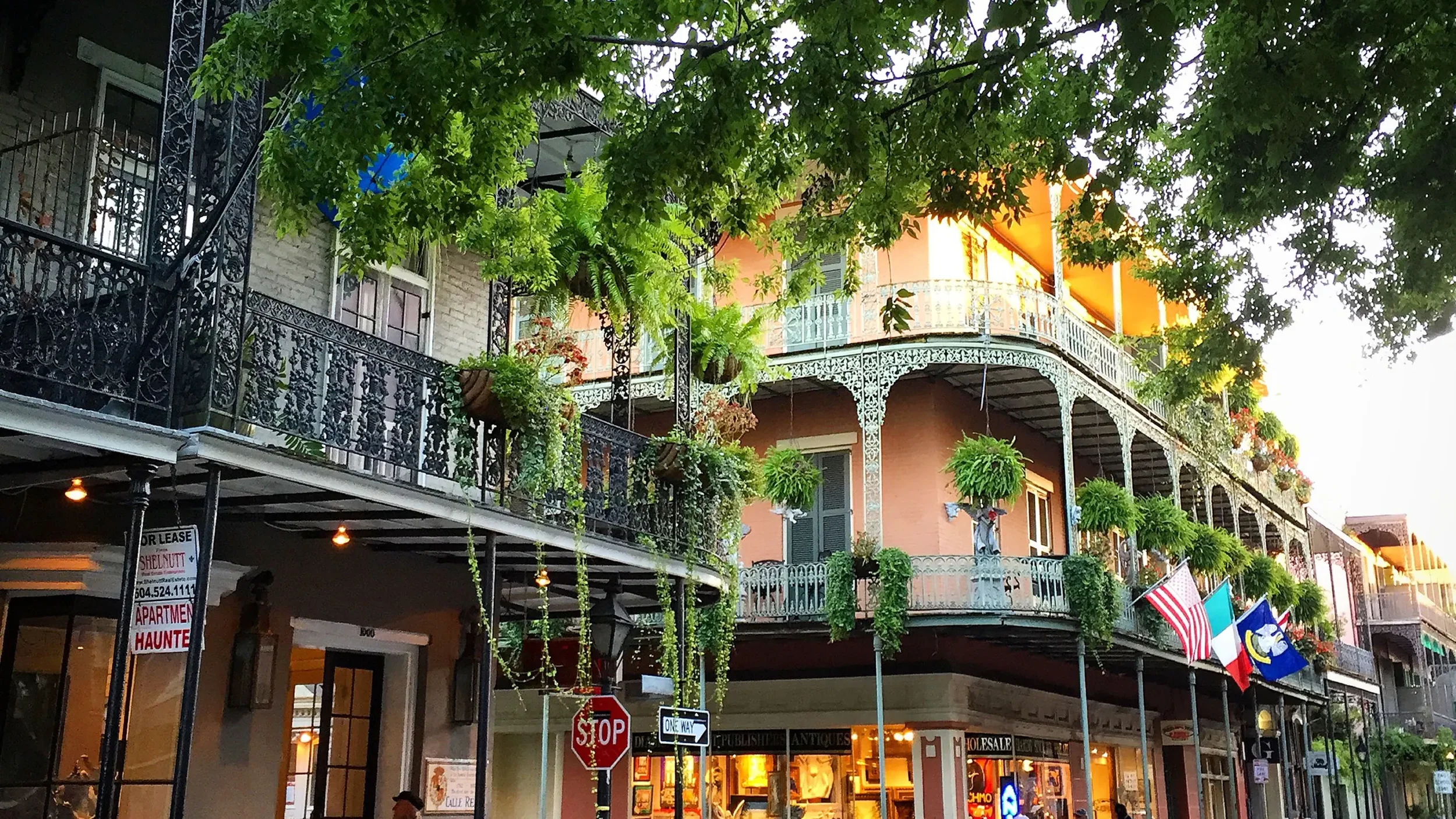
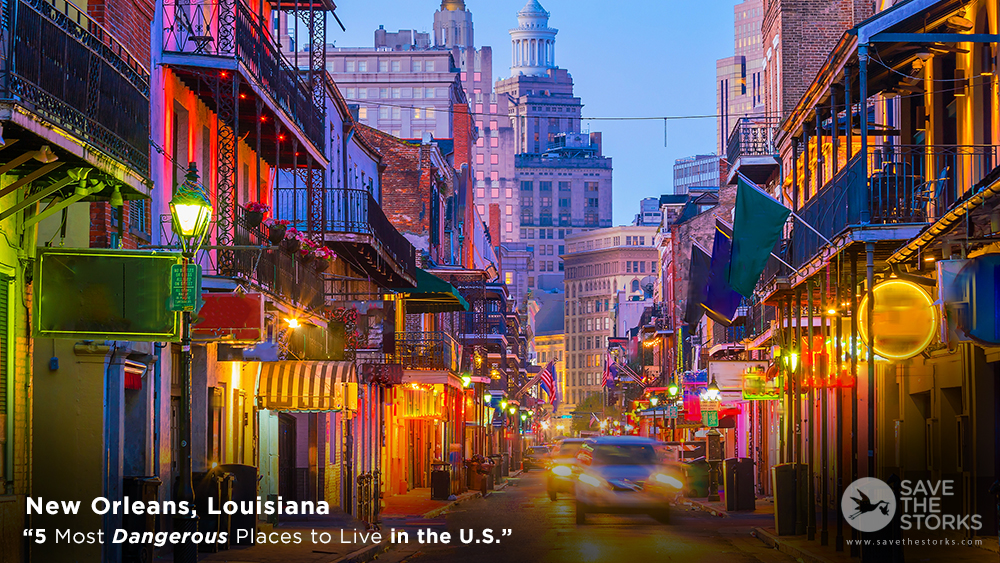
- Historic Architecture: The French Quarter itself is a living museum, with its distinctive Creole townhouses, wrought-iron balconies, and hidden courtyards. Exploring areas like the Frenchmen Street entertainment district or the grand homes of the Garden District offers a visual journey through the city’s storied past.
- Iconic Attractions: From a steamboat cruise on the Mississippi River to exploring the historic cemeteries with their above-ground tombs, New Orleans offers a variety of unique attractions. The National WWII Museum is a world-class institution that offers a profound and moving experience.
- The Spirit of Hospitality: Despite any challenges, the people of New Orleans are known for their warmth and hospitality. Engaging with locals, whether it’s a bartender, a street musician, or a shop owner, can often lead to genuine connections and a deeper understanding of the city’s soul.
In conclusion, while acknowledging the realities of crime statistics and socioeconomic challenges, it is crucial not to let fear dictate one’s travel plans to New Orleans. By staying informed, practicing common-sense safety measures, and focusing on the city’s extraordinary cultural riches, travelers can have an unforgettable and enriching experience in this captivating corner of the United States. The vibrant spirit of New Orleans is its most enduring characteristic, a testament to its resilience and its unique place in the American tapestry.
LifeOutOfTheBox is a participant in the Amazon Services LLC Associates Program, an affiliate advertising program designed to provide a means for sites to earn advertising fees by advertising and linking to Amazon.com. Amazon, the Amazon logo, AmazonSupply, and the AmazonSupply logo are trademarks of Amazon.com, Inc. or its affiliates. As an Amazon Associate we earn affiliate commissions from qualifying purchases.