
Navigating the roads of Texas without a valid driver’s license is a serious offense, carrying significant legal and financial ramifications. While the allure of wide-open highways and the promise of an unforgettable Texas road trip might beckon, it’s crucial to understand the consequences of driving without the proper credentials. This article delves into the potential costs, legal repercussions, and important considerations for anyone facing a “no license” citation in the Lone Star State, offering insights relevant to travelers, tourists, and residents alike, all within the broader context of enjoying Texas responsibly.
Understanding the Offense: Driving Without a License in Texas
In Texas, operating a motor vehicle on public roads requires a valid driver’s license issued by the Texas Department of Public Safety (DPS). Driving without one falls under the umbrella of “driving without a license” or “no driver’s license,” and it’s not a minor infraction. The penalties can escalate based on prior offenses and other contributing factors, making it a concern for anyone who might be considering a temporary stay or a more extended visit to the state, whether for exploring the vibrant culture of Austin, the historic charm of San Antonio, or the bustling metropolis of Houston.
The offense can be categorized in a few ways, each with its own set of consequences:
Driving Without Ever Having Been Issued a Driver’s License
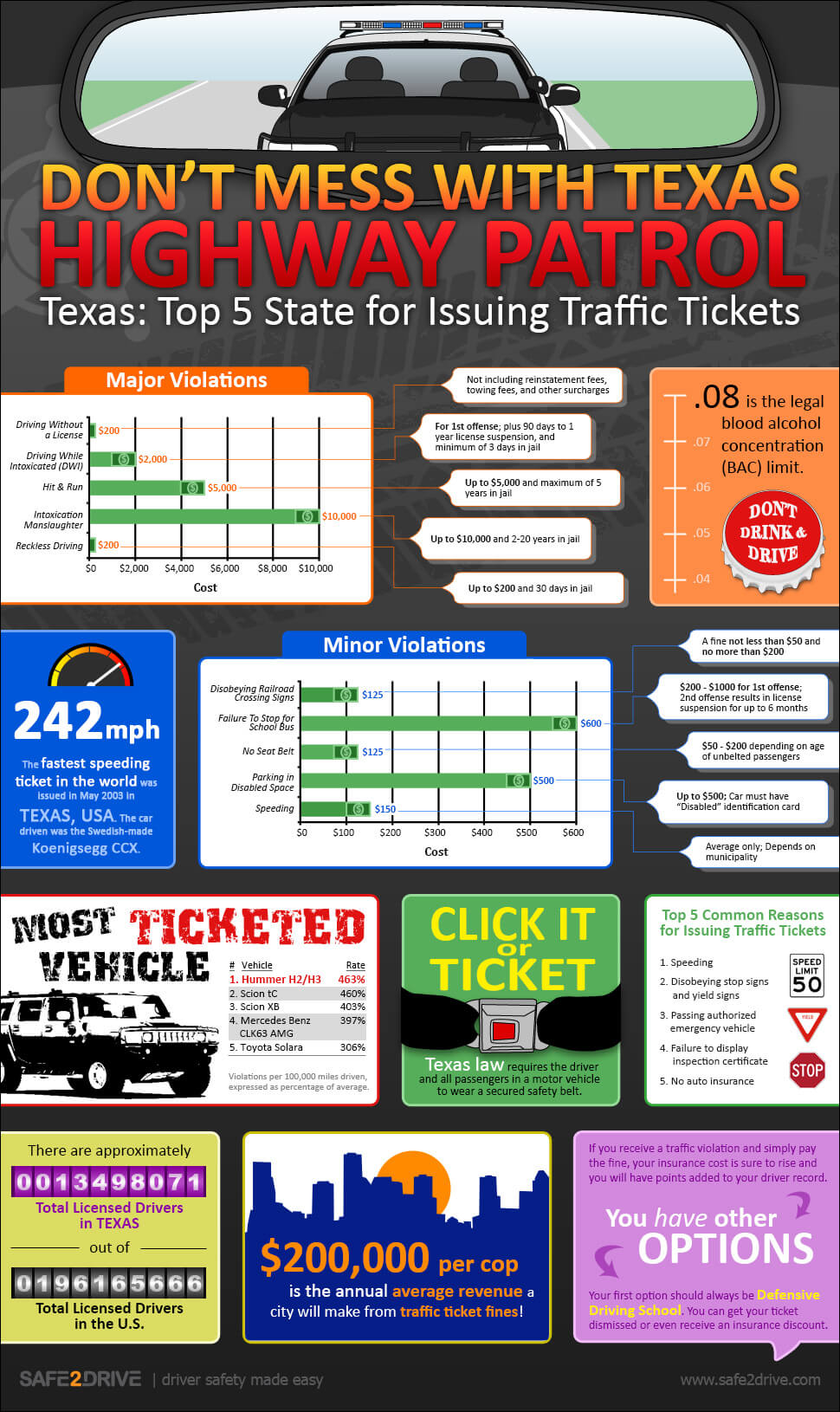
This is perhaps the most straightforward scenario. If an individual has never applied for or obtained a Texas driver’s license and is caught driving, they are committing a violation. This often results in a Class C misdemeanor. The fines associated with this offense can range from $25 to $200 for a first offense, with additional court costs and fees potentially doubling or tripling the initial amount. While this might seem minor compared to other offenses, it can still impact your ability to obtain a license in the future and can be a significant inconvenience if you’re planning an extended stay for work or leisure.
Driving While License Invalid (DWLI)
This is a more common and often more complex situation. Driving While License Invalid (DWLI) covers a range of scenarios where a person has had a license in the past but it is currently suspended, revoked, cancelled, or disqualified. Common reasons for a license to be invalid include:
- Unpaid Fines or Unresolved Tickets: Failing to address traffic tickets, parking violations, or other court-ordered fines can lead to license suspension. This is particularly relevant for tourists who might accumulate minor infractions and overlook them, only to discover their license is invalid when stopped by law enforcement.
- Failure to Appear in Court: Missing a scheduled court date for any traffic-related offense will likely result in a license suspension.
- Accumulation of Points: Texas operates a points system for traffic violations. Accumulating too many points can lead to license suspension.
- DUI/DWI Convictions: Driving under the influence of alcohol or drugs is a serious offense with severe penalties, including lengthy license suspensions.
- Medical Conditions: In some cases, a license may be invalidated due to a medical condition that impairs driving ability, as determined by the DPS.
- Failure to Pay Child Support: Texas law allows for license suspension for individuals who are delinquent in child support payments.
The penalties for DWLI are generally more severe than for simply driving without ever having had a license. A first-offense DWLI is typically a Class C misdemeanor, carrying a fine of up to $500 and potentially up to 30 days in jail. However, if the reason for the invalid license is a DWI or related offense, the penalties will be significantly higher and fall under those specific DWI statutes. Subsequent offenses of DWLI can escalate to Class B misdemeanors, with fines up to $1,000 and jail time up to 180 days.
Driving with an Expired License
While often categorized under DWLI, driving with a license that has simply expired is also a violation. The grace period for renewing a license can vary, but once it has officially expired, driving with it is illegal. The penalties are usually similar to a first-offense DWLI, often resulting in a fine and court costs. It’s a situation that can easily be overlooked, especially by long-term visitors or new residents who are still acclimating to Texas regulations.
The Financial and Legal Costs: Beyond the Ticket
The “ticket” for driving without a license in Texas is more than just the fine amount. It represents a cascade of potential costs and legal complications that can significantly impact your life, especially if you’re a traveler planning your itinerary around iconic landmarks like the Alamo in San Antonio or the vast landscapes of Big Bend National Park.
Fines and Court Costs
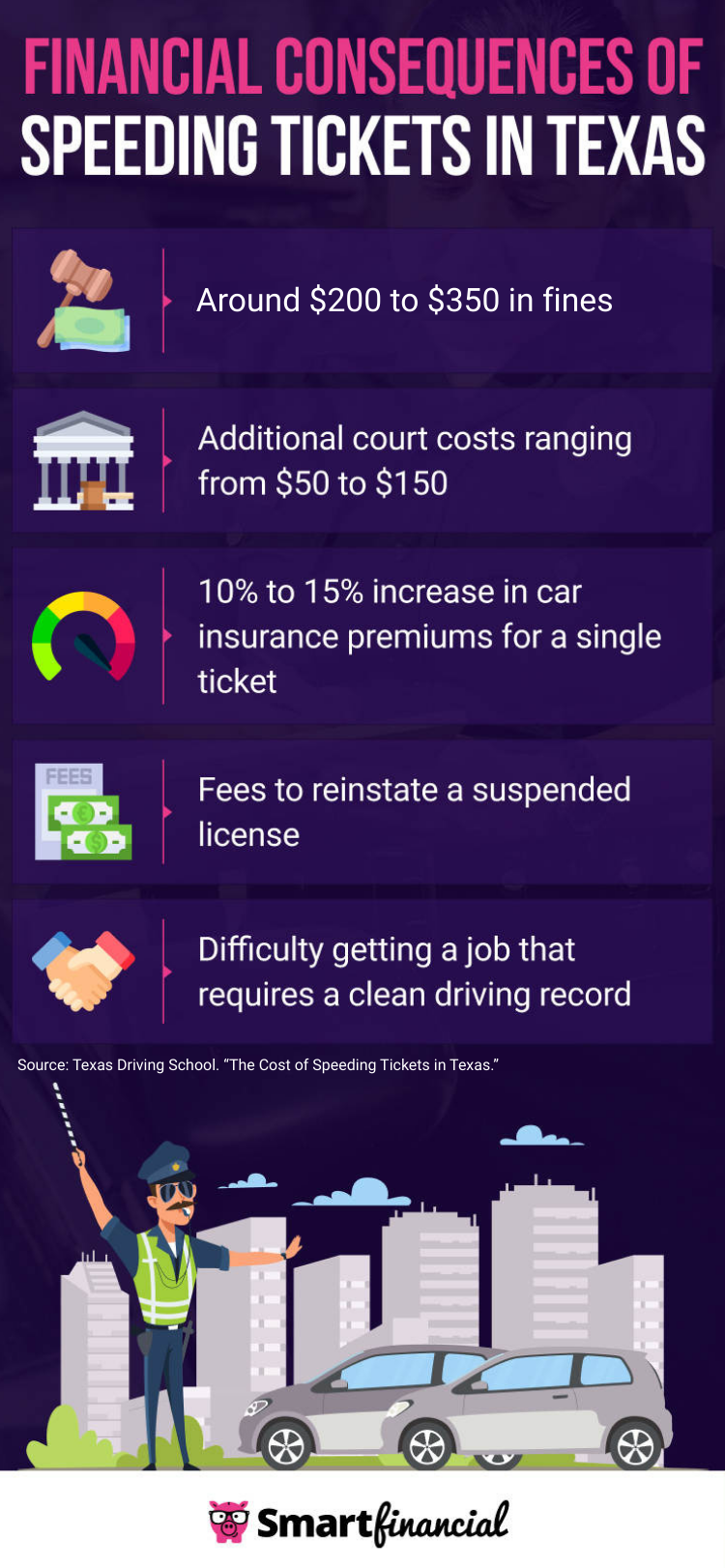
As mentioned, fines can range from a couple of hundred dollars for a first-time offense of driving without ever having a license to potentially hundreds or even thousands of dollars for DWLI, especially for repeat offenders or when the underlying reason for invalidity is more serious. Beyond the base fine, numerous court costs, administrative fees, and surcharges are added, often significantly increasing the total amount due. These can include:
- Court Costs: Fees associated with processing the case through the judicial system.
- State Surcharges: Additional fees imposed by the state for various offenses.
- DPS Administrative Fees: Costs associated with reinstating or updating your driving record with the Texas Department of Public Safety.
Increased Insurance Premiums

A conviction for driving without a license or DWLI will almost certainly lead to a substantial increase in your car insurance premiums. Insurance companies view such violations as indicators of higher risk. If you are a visitor with a rental car, the rental company might also impose additional fees or refuse service in the future. For residents, this can translate into higher costs for years to come, impacting your budget for essential services and even leisure activities like booking a stay at a luxury resort or a cozy bed and breakfast.
License Reinstatement Fees
If your license was suspended or revoked, you will be required to pay a reinstatement fee to get it back. These fees can be substantial and are in addition to any fines, court costs, and outstanding tickets. Forgetting to pay a ticket that led to suspension, for instance, will mean not only paying the original fine but also the reinstatement fee to regain your driving privileges.
Impact on Future Travel and Employment
A conviction for driving without a license can have long-term consequences. In some instances, it can be noted on your criminal record, which could impact your ability to travel to other countries, especially those with strict entry requirements. For Texas residents, it can also affect employment opportunities, particularly if the job requires driving or a clean driving record. Even for tourists, the stress and disruption caused by such an incident can detract from the enjoyment of their trip, whether they are exploring the vibrant arts scene of Dallas or the historical significance of Galveston.
Potential for Vehicle Impoundment
In some situations, especially if the driver is deemed to be an immediate safety risk or has a history of similar offenses, law enforcement officers have the authority to impound the vehicle being driven. This adds another layer of significant expense, as you’ll be responsible for towing fees and daily storage charges until the vehicle is released, assuming you can prove ownership and have the legal right to reclaim it.
Navigating the Legal Landscape: What To Do If You’re Pulled Over
Being pulled over by law enforcement in Texas can be a stressful experience, and it’s crucial to know how to handle the situation, especially if you are aware that your driver’s license is not valid. Maintaining a calm and respectful demeanor is paramount.
What To Do When Stopped
- Pull Over Safely: As soon as you see flashing lights behind you, signal and pull over to the nearest safe location on the right side of the road.
- Stay in Your Vehicle: Do not exit the vehicle unless specifically instructed to do so by the officer.
- Have Documents Ready (If Applicable): If you have a valid license, have it, along with your vehicle registration and proof of insurance, readily accessible. If you do not have a valid license, do not offer it.
- Be Polite and Respectful: Answer the officer’s questions truthfully but concisely. Avoid arguing or becoming confrontational.
- Do Not Lie: If the officer asks for your license and you do not have a valid one, it is best to state the truth respectfully.
- Understand Your Rights: You have the right to remain silent. If you are unsure about a question or feel it might incriminate you, you can politely state that you wish to speak with an attorney.
Seeking Legal Counsel
If you receive a citation for driving without a license or DWLI, it is highly recommended to consult with a qualified attorney. A Texas traffic ticket attorney can:
- Explain the Charges: Clarify the specific offense you are being charged with and the potential penalties.
- Identify Potential Defenses: Explore any legal defenses that might be available in your case.
- Negotiate with Prosecutors: Work towards reducing fines, avoiding jail time, or minimizing the impact on your driving record.
- Assist with License Reinstatement: Guide you through the process of clearing up any outstanding issues that led to your license invalidity and help you navigate the reinstatement procedures.
For travelers, especially those from out of state or out of the country, understanding the local legal system and having legal representation can be invaluable in resolving these matters efficiently and minimizing disruptions to their travel plans, whether they are en route to explore the natural beauty of Palo Duro Canyon State Park or enjoying the culinary delights of Fort Worth.
Preventing the Problem: Responsible Driving Practices
The most effective way to avoid the penalties and stress associated with driving without a license in Texas is to ensure you always have a valid license and are in compliance with all traffic laws. This applies to everyone, from seasoned Texas drivers to those exploring the state’s attractions for the first time, perhaps planning a visit to the Space Center Houston or a leisurely drive through the Hill Country.
Key Steps for Compliance
- Maintain a Valid License: Always ensure your driver’s license is current and valid. Renew it well before the expiration date.
- Address All Traffic Violations Promptly: Pay all traffic tickets and fines on time. If you cannot pay the full amount, contact the court to discuss payment plans or other options.
- **Understand *Texas* Traffic Laws:** Familiarize yourself with the traffic laws and regulations in Texas. Ignorance of the law is generally not a valid defense.
- Keep Your Contact Information Updated with DPS: Ensure the Texas Department of Public Safety has your current mailing address so you don’t miss important notices regarding your license.
- Plan Ahead for Out-of-State Licenses: If you are moving to Texas, begin the process of obtaining a Texas driver’s license as soon as you establish residency. For visitors with foreign licenses, understand the requirements for driving in Texas and consider obtaining an International Driving Permit if necessary.
By adhering to these practices, you can ensure that your Texas experience, whether it involves exploring historical sites, enjoying the diverse culinary scene, or simply enjoying the open road, remains a positive and memorable one, free from the undue stress and financial burden of driving offenses. Responsible driving is key to unlocking the full potential of your Texas adventure.
LifeOutOfTheBox is a participant in the Amazon Services LLC Associates Program, an affiliate advertising program designed to provide a means for sites to earn advertising fees by advertising and linking to Amazon.com. Amazon, the Amazon logo, AmazonSupply, and the AmazonSupply logo are trademarks of Amazon.com, Inc. or its affiliates. As an Amazon Associate we earn affiliate commissions from qualifying purchases.