
The Sooner State holds a special place in the heart of America, a tapestry woven with vast prairies, dramatic red rock formations, and a rich history shaped by diverse peoples and pivotal events. For those planning a journey through its expansive landscapes, understanding its administrative divisions can be a key to unlocking deeper travel experiences. While the exact number of counties might seem like a simple factual question, it opens a door to appreciating the intricate geography and the distinct character of each region within Oklahoma. So, how many counties are in the state of Oklahoma? The answer is a definitive seventy-seven. This number, seventy-seven, serves as the foundation for navigating the state, from the bustling metropolises of Oklahoma City and Tulsa to the charming small towns that dot its countryside.
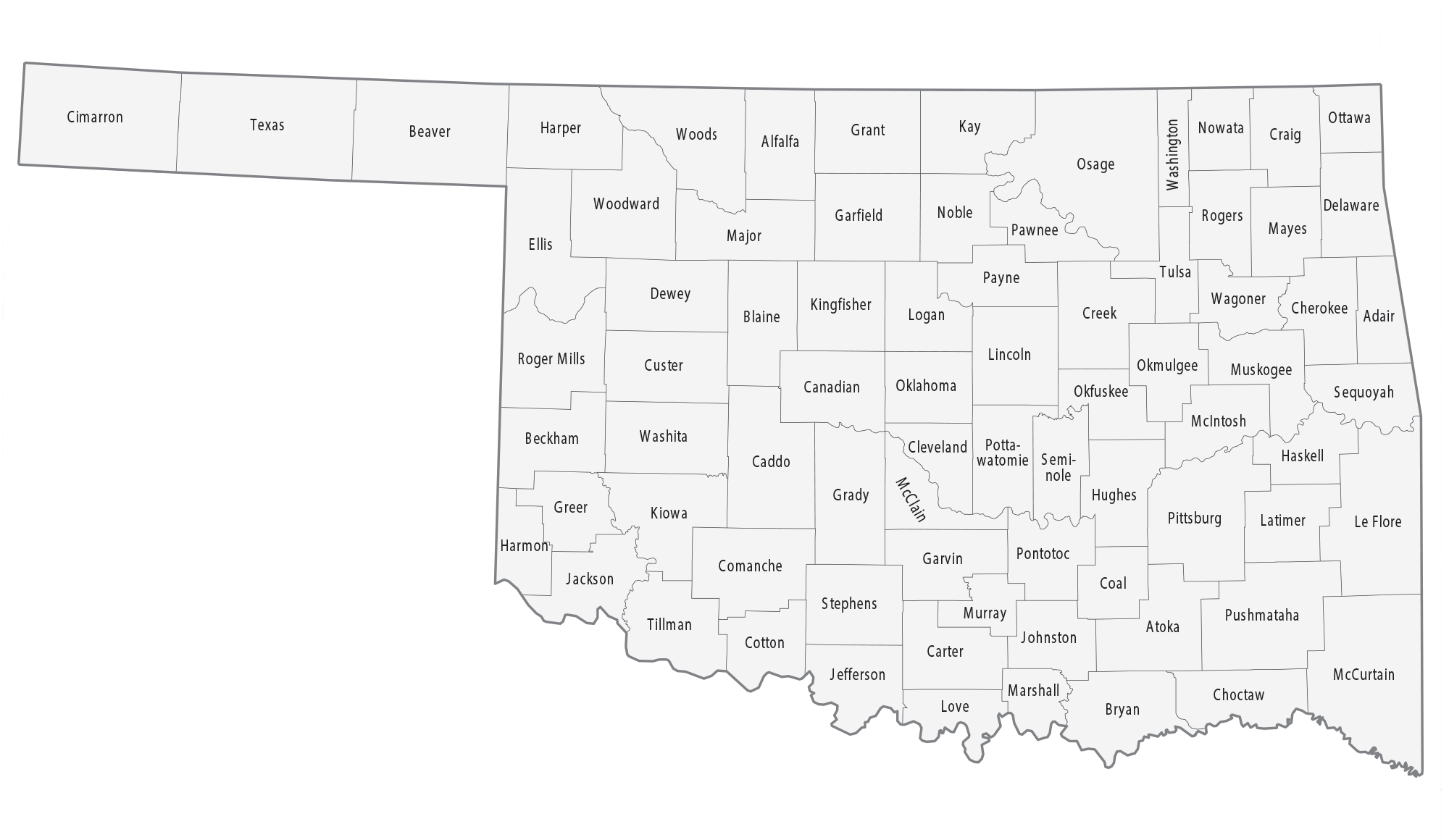
This comprehensive guide will not only answer your question but also delve into what these seventy-seven counties represent for travelers, adventurers, history buffs, and anyone seeking to immerse themselves in the Oklahoma lifestyle. We’ll explore how the division into counties influences travel itineraries, the discovery of unique local cultures, and the pursuit of unforgettable experiences across this vibrant state.
Exploring Oklahoma’s Seventy-Seven Counties: A Traveler’s Perspective
The seventy-seven counties of Oklahoma are more than just administrative boundaries; they are the distinct chapters in the state’s unfolding story. For the traveler, understanding this geographical framework is akin to having a detailed map that reveals not only distances but also the unique flavors, sights, and sounds each region offers. Whether you’re a seasoned explorer or a first-time visitor, this division allows for a more nuanced and personalized journey.
Discovering Destinations and Attractions Within Each County
Each of Oklahoma‘s seventy-seven counties boasts its own unique set of attractions, from iconic Landmarks to hidden gems waiting to be discovered. Planning a trip around specific counties can lead to a more focused and enriching experience.
For instance, Oklahoma County, home to the state capital, Oklahoma City, offers a wealth of urban attractions. Here, you can explore the National Cowboy & Western Heritage Museum, wander through the vibrant Bricktown Entertainment District with its canals and entertainment venues, and visit the moving Oklahoma City National Memorial & Museum. The county’s diverse offerings cater to a wide range of interests, from history and culture to entertainment and fine dining.
Heading northeast, Tulsa County presents a different but equally captivating experience. Tulsa itself is renowned for its stunning Art Deco architecture, its vibrant Brady Arts District, and the Philbrook Museum of Art. The county also encompasses natural beauty, with opportunities for outdoor recreation in areas like the Osage Hills State Park.
Venturing further, Cherokee County in the northeastern part of the state is a gateway to the scenic Ozarks. Here, the Illinois River offers unparalleled opportunities for rafting, kayaking, and fishing, making it a prime destination for outdoor enthusiasts. The county is also steeped in Native American history, particularly that of the Cherokee Nation, offering visitors a chance to connect with this rich heritage.
In western Oklahoma, Comanche County is home to Lawton and the awe-inspiring Wichita Mountains National Wildlife Refuge. This refuge is a haven for wildlife, including bison and longhorn cattle, and offers breathtaking hiking trails and stunning geological formations like the Mount Scott. It’s a testament to the natural grandeur that exists within Oklahoma‘s counties.
The sheer variety across these seventy-seven counties means that no two travel itineraries will be exactly alike. You can craft a journey focused on historical sites, a road trip dedicated to exploring the state’s natural parks, or a culinary adventure sampling the diverse local cuisines found in each region.
Hotels and Accommodation: Tailoring Stays to County Exploration
The availability and type of Hotels and Accommodation vary significantly from county to county, reflecting the local economy and the nature of the tourism it attracts. This diversity is a boon for travelers, allowing them to find the perfect place to rest and recharge, whether they seek the amenities of a luxury Resort or the simplicity of a budget-friendly inn.
In major urban centers like Oklahoma City (within Oklahoma County) and Tulsa (within Tulsa County), you’ll find a wide array of options, from international Hotel chains offering all the modern conveniences to boutique hotels nestled in historic districts. These areas often feature Suites, Apartments, and even Villas for those seeking extended stays or a more private experience. Amenities commonly found in these urban accommodations include fitness centers, swimming pools, on-site restaurants, and business services.
As you move into more rural or nature-focused counties, the accommodation landscape shifts. Counties known for their natural beauty, like those surrounding the Wichita Mountains or along the Illinois River, might offer more rustic lodges, cabins, and campgrounds. These options provide an immersive experience, allowing guests to wake up to the sounds of nature and enjoy easy access to outdoor activities. Many of these rural accommodations still provide essential amenities, ensuring comfort without sacrificing the connection to the natural environment.
For those interested in longer stays or seeking a more local feel, many counties offer vacation rentals and Apartments that can provide a home-away-from-home experience. Platforms for Booking, Reviews, and Comparison are invaluable tools for identifying the best fit for your needs and budget within any given county. Whether you’re planning a family trip, a romantic getaway, or a solo adventure, the seventy-seven counties of Oklahoma ensure that the perfect Accommodation is within reach.
Tourism, Local Culture, and Lifestyle: Experiencing the Heart of Each County
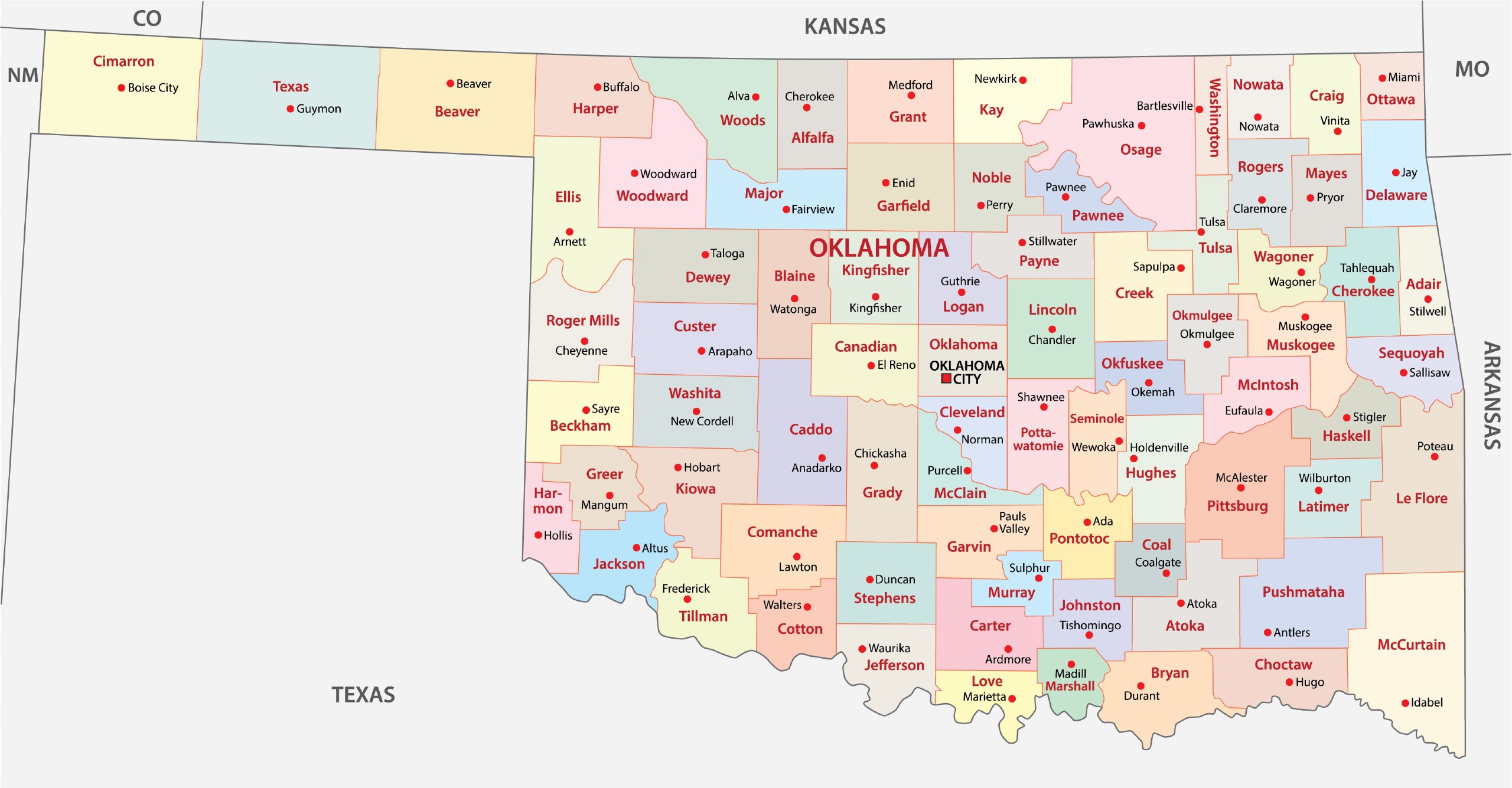
Tourism in Oklahoma is deeply intertwined with the unique Local Culture and Lifestyle of its seventy-seven counties. Each county has its own stories, traditions, and flavors that contribute to the rich mosaic of the state. Understanding these distinctions can elevate a simple trip into a profound cultural immersion.
In the eastern part of the state, counties with strong Native American heritage, such as those in the Osage Nation or the Cherokee Nation, offer opportunities to learn about ancient traditions, attend powwows, and visit museums dedicated to preserving this vital history. The Osage County, for example, is renowned for its connection to the Osage people and their influential role in the region’s development.
The western plains counties, in contrast, often showcase a Lifestyle shaped by ranching and agriculture. Here, you might find authentic Rodeos, Chuckwagon dinners, and a palpable sense of the pioneering spirit. These areas embody a down-to-earth charm and a strong sense of community that is characteristic of rural America.
Food is another significant aspect of Local Culture that varies by county. While Oklahoma is known for its barbecue and Tex-Mex influences, each county can have its own specialties. From hearty breakfast diners in agricultural towns to innovative farm-to-table restaurants in more populated areas, exploring the culinary landscape is an integral part of the Tourism experience. Be sure to sample regional favorites like Fried Onion Burgers or Chicken Fried Steak.
Family Trips can find incredible value in counties with abundant natural attractions and kid-friendly museums. Counties with state parks offer playgrounds, hiking trails suitable for all ages, and opportunities for family picnics. Budget Travel is also a significant aspect of Oklahoma‘s appeal, with many counties offering affordable attractions and Accommodation, allowing visitors to experience the state’s charm without breaking the bank.
For those interested in Luxury Travel, certain counties offer high-end experiences. This might include boutique Resorts with spa services, fine dining establishments, and exclusive shopping opportunities, particularly in the more developed urban areas. Even in smaller towns, you might discover unique artisan shops and galleries that reflect the creative spirit of the local population.
Ultimately, exploring Oklahoma‘s seventy-seven counties is about more than just seeing sights; it’s about connecting with the people, understanding their history, and embracing the diverse Lifestyles that make the state so compelling.
Beyond the Number: Understanding the Significance of Oklahoma’s Counties
The number seventy-seven, while a simple factual answer to “How Many Counties Are In The State Of Oklahoma?”, represents far more than just a numerical count. Each county is a unique entity, contributing its own distinct character, history, and attractions to the overall fabric of the Sooner State. For travelers, this understanding is the key to unlocking a truly authentic and personalized Oklahoma experience.
Navigating and Planning with County Knowledge
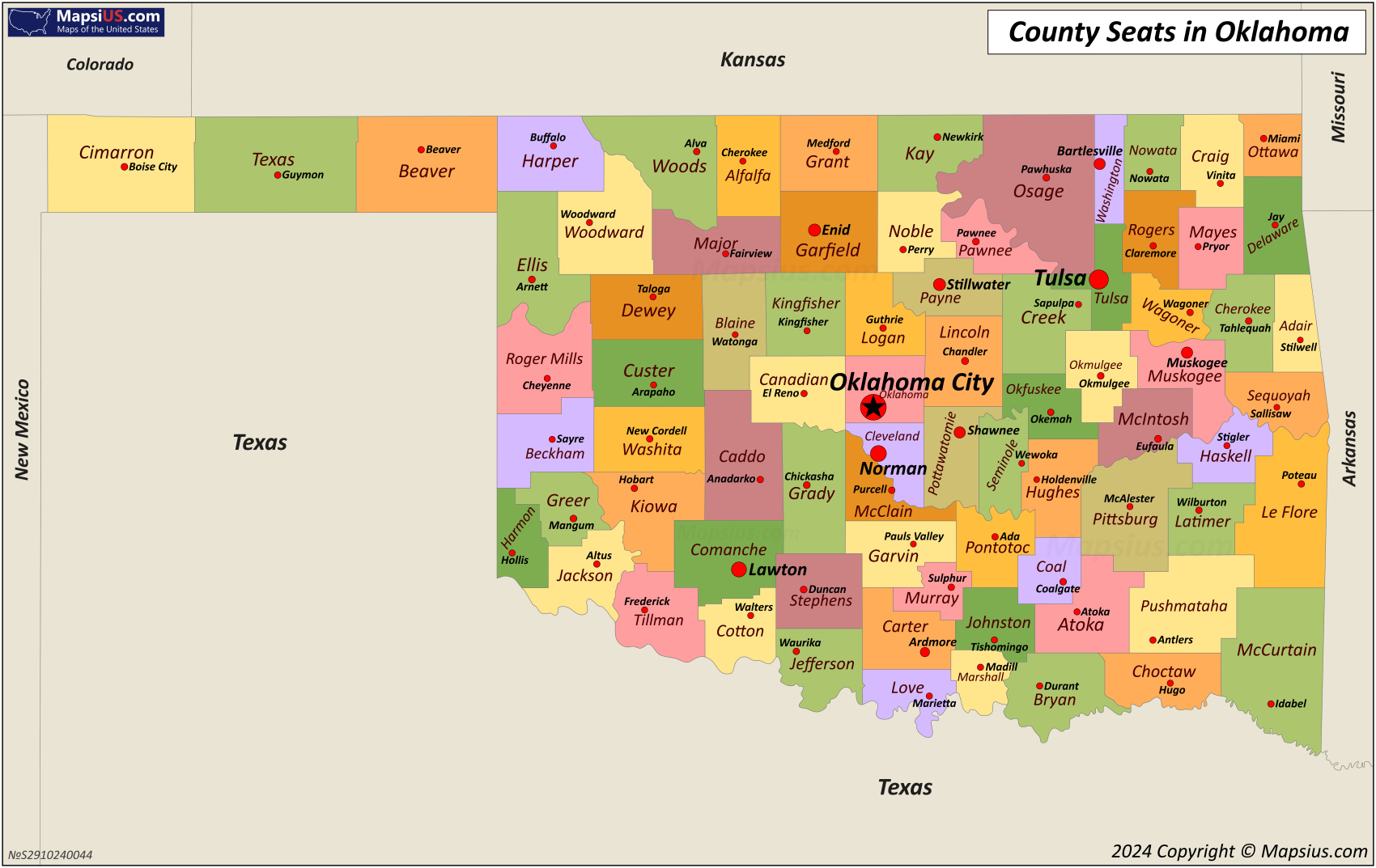
Knowing the number of counties – seventy-seven – and understanding their geographical distribution is crucial for effective travel planning. It allows you to segment the state into manageable regions, making it easier to create an itinerary that balances driving times with exploration. For example, if your interest lies in exploring the natural beauty of the Ozarks, you might focus your trip on counties in northeastern Oklahoma, such as Cherokee County or Adair County. If your passion is for cowboy culture, western Oklahoma counties like Comanche County with the Wichita Mountains or Dewey County might be your primary destinations.
This knowledge also aids in selecting appropriate Accommodation. As discussed, the types of Hotels and lodging vary greatly. Urban counties like Oklahoma County and Tulsa County will offer a vast selection of modern hotels, while more rural counties might present charming bed and breakfasts or rustic cabins. Understanding which county you are in allows you to anticipate the lodging options available and book in advance, especially during peak travel seasons or local festivals.
Furthermore, county-level information is essential for discovering local events and Activities. Many counties host annual festivals, rodeos, farmers’ markets, and cultural celebrations that are deeply rooted in their specific history and traditions. A quick search for events in a particular county can reveal unique opportunities you might otherwise miss, from the Bristow Bluegrass Festival in Creek County to the Checotah Crawfish Festival in McIntosh County.
The Cultural Tapestry Woven Across Oklahoma’s Seventy-Seven Counties
The seventy-seven counties of Oklahoma collectively form a rich and diverse cultural tapestry, each thread representing a unique heritage and way of life. This diversity is a direct result of the state’s complex history, including the Homestead Act, the Land Runs, and the relocation of various Native American tribes.
In Oklahoma, the influence of Native American culture is profound and can be experienced in numerous counties. Counties like Osage County, Cherokee County, and McIntosh County are particularly rich in Native American history and living culture. Here, visitors can explore tribal museums, learn about traditional crafts and art, and even witness contemporary cultural expressions. The Five Civilized Tribes Museum in Muskogee (within Muskogee County) is a prime example of an institution dedicated to preserving and sharing this vital heritage.
The legacy of the Land Runs and the subsequent settlement of Oklahoma is palpable in many counties, particularly in the western and central parts of the state. Counties settled during these periods often retain a strong sense of frontier spirit and agricultural heritage. The Oklahoma Frontier History Museum in Guthrie (within Logan County), the state’s first capital, offers a glimpse into this era.
Beyond historical influences, Oklahoma‘s seventy-seven counties are also characterized by their varying natural landscapes, which shape Lifestyles and attract different types of Tourism. The rolling hills and dense forests of the eastern counties lend themselves to outdoor activities like hiking, fishing, and boating. Conversely, the flatter plains of western Oklahoma are ideal for stargazing and experiencing the vastness of the prairie sky. The Black Mesa State Park in Cimarron County, the westernmost county, offers a glimpse into a different geological era with its ancient fossils and unique ecosystem.
The culinary landscape also reflects this diversity. While classic Oklahoma dishes can be found statewide, regional variations exist. Counties known for their cattle ranches might excel in steak preparations, while those with access to fertile land may feature farm-fresh produce prominently on their menus. Exploring the local diners, cafes, and restaurants in each county is an adventure in itself, offering a taste of the local Lifestyle.
Maximizing Your Oklahoma Experience: From Luxury to Budget
Whether you are seeking Luxury Travel or embracing Budget Travel, Oklahoma‘s seventy-seven counties provide opportunities to suit every preference and wallet. The key to maximizing your experience lies in understanding the unique offerings of each region.
For those who appreciate the finer things, counties with larger cities like Oklahoma City (Oklahoma County) and Tulsa (Tulsa County) offer upscale Hotels, fine dining restaurants, and high-end shopping. Resorts with extensive amenities, including spas and golf courses, can be found in areas that cater to a more discerning clientele. For instance, the Arbuckle Mountains region, spanning across counties like Murray County, boasts some beautiful Resorts and natural spas, offering a luxurious escape.
On the other hand, Budget Travel is incredibly accessible throughout Oklahoma. Many state parks and natural attractions have low entrance fees, and camping options are abundant. Smaller towns in various counties often feature affordable motels and Bed and Breakfasts. Exploring these areas allows for an authentic experience without significant expense. Packing a picnic and enjoying the scenic beauty of a county park is a perfect example of budget-friendly Tourism.
Family Trips can be incredibly rewarding in Oklahoma. Counties with attractions like the Oklahoma City Zoo (Oklahoma County), the Tulsa Zoo (Tulsa County), or the numerous State Parks offer engaging and educational experiences for all ages. Many rural counties also have local historical museums or unique roadside attractions that spark curiosity in younger travelers.
Ultimately, the seventy-seven counties of Oklahoma offer a journey of discovery. By understanding the geographical, historical, and cultural nuances of each, travelers can craft an adventure that is not only memorable but also deeply enriching, allowing them to experience the true spirit of the Sooner State.
LifeOutOfTheBox is a participant in the Amazon Services LLC Associates Program, an affiliate advertising program designed to provide a means for sites to earn advertising fees by advertising and linking to Amazon.com. Amazon, the Amazon logo, AmazonSupply, and the AmazonSupply logo are trademarks of Amazon.com, Inc. or its affiliates. As an Amazon Associate we earn affiliate commissions from qualifying purchases.