
For any traveler planning a visit to the vibrant metropolis of Chicago, Illinois, understanding the local time is far more than a mere detail—it’s a fundamental pillar for effective planning, smooth transitions, and an ultimately enriching experience. From coordinating flights and hotel check-ins to scheduling business meetings or securing reservations at world-class restaurants, knowing the precise time in the Windy City is paramount. This guide will delve into Chicago’s time zone, explain its implications for travelers, and provide insights on how to harness this knowledge to maximize your stay in one of the United States’ most captivating cities.

Understanding Chicago’s Time Zone: Central Standard Time (CST)
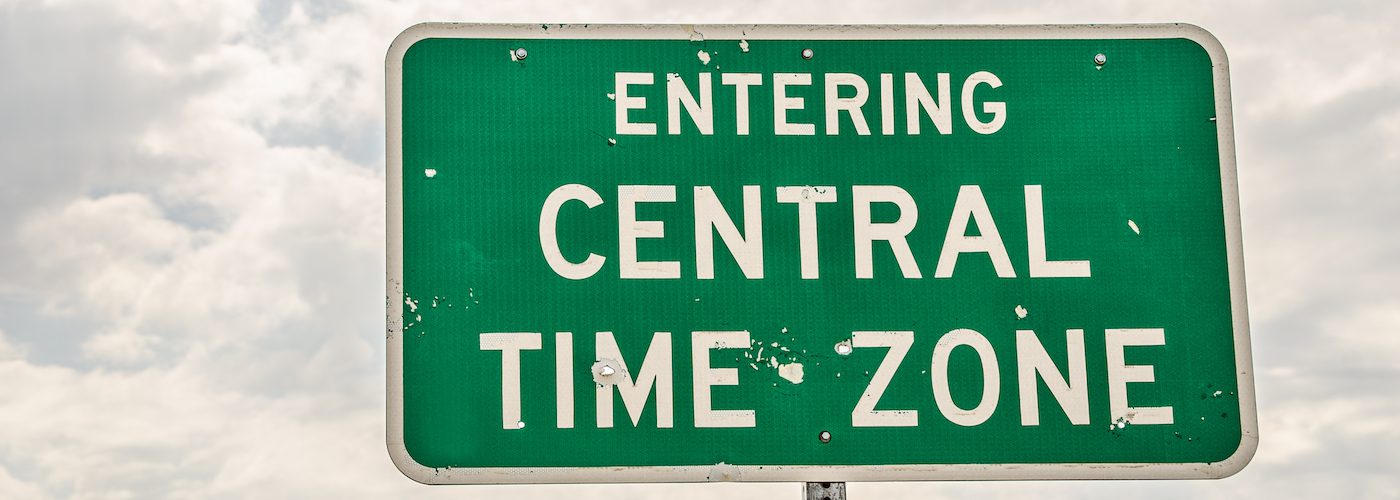
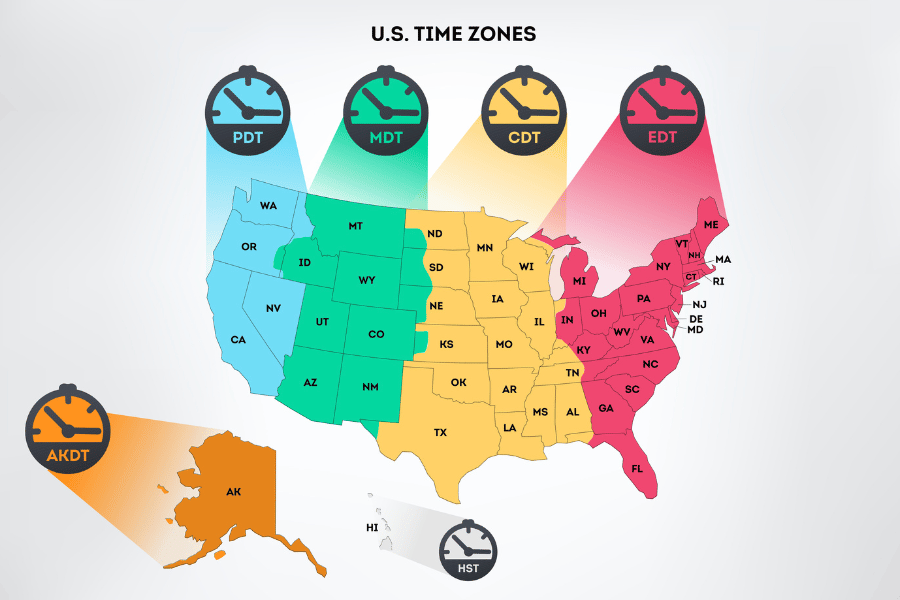
Chicago operates within the Central Time Zone, a geographical region that observes a uniform standard time. This time zone governs much of the central United States and parts of Canada and Mexico.
The Basics of Time Zones
Globally, time is divided into 24 primary time zones, each approximately 15 degrees of longitude wide, relative to the Prime Meridian (Greenwich Mean Time or GMT, now often referred to as Coordinated Universal Time, UTC). Chicago is located in the time zone designated as UTC-6 during standard time, meaning it is six hours behind Coordinated Universal Time. This fixed relationship serves as the bedrock for calculating time differences with any other location on the planet, allowing travelers to quickly ascertain how many hours they are ahead or behind local Chicago time. For instance, if you are traveling from London (UTC+0), Chicago will be 6 hours behind; from Los Angeles (UTC-8), Chicago will be 2 hours ahead.
Daylight Saving Time in Illinois
Like many regions across the globe, Illinois observes Daylight Saving Time (DST). This practice involves advancing clocks by one hour during warmer months so that evening daylight lasts longer, and then returning to standard time as the weather cools. For Chicago residents and visitors, this means that from the second Sunday in March until the first Sunday in November, the city switches from Central Standard Time (CST, UTC-6) to Central Daylight Time (CDT, UTC-5). During CDT, Chicago is only five hours behind UTC. This shift is critical for travelers to remember, as it impacts everything from flight schedules to museum opening hours. Failing to account for DST can lead to missed appointments or confusion, especially for those arriving during the spring forward or fall back transition weekends.
Why Knowing Chicago’s Time Matters for Travelers
Beyond the obvious practicalities, an understanding of Chicago’s time zone is integral to the overall quality of your travel experience. It directly influences your ability to combat jet lag, schedule your itinerary efficiently, and engage seamlessly with local life. For business travelers, punctual attendance at meetings and conference calls relies entirely on accurate time zone calculations. For leisure visitors, knowing the local time ensures you don’t miss that morning river cruise, the opening act of a Broadway show, or the perfect sunset view from the Willis Tower. It empowers you to truly immerse yourself in the rhythm of the city, rather than constantly feeling out of sync.
Navigating Time Differences for a Seamless Chicago Experience
Traveling across time zones can be disorienting, but with proper planning, you can minimize disruption and maximize your enjoyment of Chicago. The key is to consciously adapt to the local time as quickly as possible.
Planning Your Arrival and Departure
When booking flights to Chicago, particularly from distant time zones, consider the time of day you will arrive at O’Hare International Airport or Midway International Airport. An early morning arrival might seem appealing for a full day of sightseeing, but if you’re coming from a significantly later time zone, this could mean landing at what feels like the middle of the night for your body. Conversely, a late afternoon arrival allows you to check into your accommodation, have a relaxed dinner, and settle into Chicago time before a full day of exploration. Always confirm your flight times are listed in local departure and arrival times, and double-check them against Chicago’s current time zone, accounting for Daylight Saving Time.
Scheduling Meetings and Activities
Precision is paramount when scheduling. If you have business commitments or pre-booked tours and events, always confirm the times are expressed in Chicago local time. When communicating with people in other time zones, clearly state which time zone you are referring to. For example, “Let’s meet at 2 PM Central Daylight Time” eliminates ambiguity. When planning your daily itinerary, remember that many Chicago attractions like the Art Institute of Chicago, the Field Museum, or Shedd Aquarium have specific opening and closing hours, which are strictly observed. Factor in travel time between locations, especially during peak traffic hours, to ensure you arrive punctually and avoid feeling rushed.
Minimizing Jet Lag and Maximizing Enjoyment
Jet lag can significantly detract from your travel experience. To combat it when heading to Chicago:
- Adjust gradually: A few days before your trip, try to shift your sleep schedule closer to Chicago time.
- Hydrate: Drink plenty of water on your flight.
- Adjust immediately: Upon arrival, set your watch to Chicago time and try to stick to local meal and sleep schedules, even if you don’t feel tired.
- Seek daylight: Exposure to natural light, particularly in the morning, helps reset your body clock. Take a walk in Millennium Park or along Navy Pier.
- Avoid excessive caffeine/alcohol: These can disrupt sleep patterns further.
- Power naps: If you absolutely need to nap, keep it short (20-30 minutes) to avoid deeper sleep cycles.
By consciously managing your internal clock, you can quickly acclimate to Chicago’s rhythm and fully enjoy everything the city has to offer, from early morning architectural boat tours to late-night jazz clubs.
Chicago’s Dynamic Day: Activities and Events Across Time
Chicago is a city that never truly sleeps, offering a vast array of activities around the clock. Understanding the flow of the day helps travelers plan a comprehensive and fulfilling itinerary.
Morning Must-Dos and Brunch Spots
Early mornings in Chicago offer a peaceful charm before the city fully awakens. This is an ideal time for a serene stroll through Grant Park, a jog along the lakefront, or an uncrowded visit to the “Bean” (Cloud Gate sculpture) at Millennium Park. Many cafes open early, offering artisanal coffee and pastries. For those seeking a quintessential Chicago brunch experience, popular spots in neighborhoods like the West Loop or River North typically start serving by 9 or 10 AM, but reservations are often essential, especially on weekends. Catching a sunrise over Lake Michigan is a truly memorable experience that requires an early start but offers spectacular photographic opportunities.
Afternoon Adventures and Cultural Immersion
Afternoons in Chicago are perfect for delving into its rich cultural scene and exploring its diverse attractions. Museums like the Art Institute of Chicago, the Field Museum, Shedd Aquarium, and the Adler Planetarium are typically open from late morning until mid-to-late afternoon (e.g., 10 AM to 5 PM). Shopping along the Magnificent Mile or exploring unique boutiques in Lincoln Park can fill hours. Sporting events, such as a Chicago Cubs game at Wrigleyville or a Chicago White Sox game at Guaranteed Rate Field, often have afternoon start times, especially on weekends. Architectural river cruises are another popular afternoon activity, providing insightful commentary on Chicago’s iconic skyline.
Evening Entertainment and Dining Delights
As dusk falls, Chicago transforms into a hub of evening entertainment and culinary excellence. Dinner services typically begin around 5 PM, with peak hours between 7 PM and 9 PM. Securing reservations for popular restaurants, especially those serving Deep Dish Pizza or Michelin-starred cuisine, is highly recommended. The city’s thriving theater scene, including Broadway in Chicago productions and improvisational comedy at The Second City, usually features evening shows starting between 7 PM and 8:30 PM. For live music lovers, jazz and blues clubs often host performances well into the night, with the most vibrant atmosphere developing after 9 PM. Knowing the local time allows you to perfectly time your dinner plans with a show or concert, creating a truly unforgettable evening.
Practical Tools and Tips for Time Management in Chicago
Managing your time effectively in Chicago is made easier with modern tools and a few practical considerations.
Digital Aids and Mobile Apps
Your smartphone is your best friend for time zone management. Most modern smartphones automatically adjust to the local time zone when you arrive in a new location, provided you have cellular service or Wi-Fi. It’s wise to double-check this setting. Additionally, numerous apps are available that display world clocks, allowing you to easily compare Chicago time with your home time zone or any other relevant location. Google Maps or Apple Maps will also show operating hours for businesses and attractions, all in local Chicago time, helping you plan your movements. Setting calendar reminders and alarms in local time can also be incredibly helpful to keep you on schedule.
Local Observances and Business Hours
Beyond the standard time, be aware of local public holidays and special events, which can impact business hours and traffic. While a federal holiday might mean government offices are closed, most tourist attractions and retail stores typically remain open, often with modified hours. Restaurant and bar closing times vary widely, with some establishments in busy areas like River North or Wrigleyville staying open quite late on weekends. Always check the specific operating hours for any place you plan to visit, as these can change seasonally or for special occasions. Public transportation, such as the ‘L’ train, operates with different schedules on weekdays, weekends, and holidays, another factor to consider when planning your commutes.
Essential Reminders for International Visitors
For international travelers, the time difference can be substantial. Ensure your travel insurance covers any potential delays caused by unforeseen time zone miscalculations, though this is rare. Keep a portable charger for your devices, as relying on them for time and navigation can drain batteries quickly. If you are flying back home directly, make sure you convert your departure time to your home country’s local time well in advance to avoid any confusion. Consider carrying a small, analog travel clock that you can manually set to Chicago time upon arrival, providing a reliable backup.
Maximizing Your Stay: Beyond the Clock
While mastering Chicago’s time zone is a practical necessity, truly embracing your travel experience goes beyond simply adhering to a schedule. It involves syncing with the city’s unique pulse.
Embracing Chicago’s Unique Rhythms
Chicago has a distinct rhythm that changes with the seasons and neighborhoods. In summer, the long daylight hours encourage outdoor festivals, beach activities, and extended patio dining. In winter, days are shorter, leading to cozy indoor experiences, holiday markets, and vibrant theater seasons. Each neighborhood, from the bustling financial district to the artistic enclaves of Wicker Park, operates with its own ebb and flow. Allowing yourself some flexibility within your schedule to simply observe and participate in these local rhythms can lead to unexpected discoveries and deeper connections with the city.
Connecting with Local Life
Ultimately, travel is about connection. While knowing the time helps you meet appointments, understanding the flow of the day allows you to connect with local life. Join the morning commuters for coffee, enjoy a leisurely lunch alongside Chicagoans in a neighborhood eatery, or experience the rush of evening diners heading to their favorite spots. Observing how locals navigate their day, within the framework of Central Time, offers invaluable insight into the city’s character and culture. It transforms your visit from a series of scheduled events into an immersive journey.
Departures and Lasting Impressions
As your trip to Chicago concludes, a final check of the time is crucial for a smooth departure. Confirm your flight details and allow ample time for travel to the airport, considering potential traffic at different times of the day. A well-managed schedule, facilitated by a clear understanding of Chicago’s time zone, ensures you leave the city not only with incredible memories but also feeling refreshed and punctual, ready for your next adventure. The ability to seamlessly integrate into Chicago’s temporal framework is a testament to savvy travel, enabling you to capture the full essence of this magnificent destination.
LifeOutOfTheBox is a participant in the Amazon Services LLC Associates Program, an affiliate advertising program designed to provide a means for sites to earn advertising fees by advertising and linking to Amazon.com. Amazon, the Amazon logo, AmazonSupply, and the AmazonSupply logo are trademarks of Amazon.com, Inc. or its affiliates. As an Amazon Associate we earn affiliate commissions from qualifying purchases.