
Oklahoma, a state renowned for its vast prairies, rich oil history, and unique cultural tapestry, is also undeniably synonymous with one powerful and sometimes terrifying natural phenomenon: the tornado. Nestled squarely in the heart of what is colloquially known as “Tornado Alley,” the Sooner State experiences a significant number of these swirling vortexes each year. For travelers planning a visit, residents seeking to understand their environment, or anyone simply curious about the meteorological realities of this region, understanding the frequency of tornadoes in Oklahoma is paramount. This exploration delves into the statistics, the contributing factors, and what these numbers truly mean for those living in or traveling through this dynamic landscape.

The question of “how often” is not a simple one to answer with a single, definitive number, as tornado activity can fluctuate dramatically from year to year. However, by examining historical data and understanding the atmospheric conditions that give rise to tornadoes, we can paint a clear picture of Oklahoma’s relationship with these powerful storms.
Understanding Tornado Alley and Oklahoma’s Place Within It
The term “Tornado Alley” itself is a fluid concept, with its exact boundaries debated among meteorologists. However, it generally refers to a corridor in the central United States where the collision of warm, moist air from the Gulf of Mexico, cool, dry air from the Rocky Mountains, and dry air from the Southwest creates ideal conditions for severe thunderstorm development, including tornadoes. Oklahoma, due to its geographical position, is often considered one of the epicenters of this phenomenon.
Several geographical and meteorological factors contribute to Oklahoma’s high tornado frequency:
- Location: Oklahoma lies at the convergence of several air masses. The southward flow of cold, dry air from Canada, the northward flow of warm, moist air from the Gulf of Mexico, and the westward flow of dry air from the desert Southwest all meet and interact over the state. This atmospheric instability is a breeding ground for severe weather.
- Topography: While Oklahoma is largely flat, particularly in its western and central regions, the subtle elevation changes and the presence of the dryline (the boundary between moist and dry air masses) can enhance the development of supercell thunderstorms, which are the most prolific tornado producers.
- Seasonal Patterns: The peak tornado season in Oklahoma typically runs from spring through early summer, with March, April, May, and June being the most active months. This is when the atmospheric ingredients for severe weather are most consistently in place.
It’s important to note that while “Tornado Alley” is a common term, the exact path and intensity of tornado activity can shift. Some research suggests that parts of Texas and even states further east are experiencing an increase in tornado activity in recent years, but Oklahoma consistently remains a state with a high likelihood of experiencing tornadoes.
Historical Tornado Data and Frequency
To quantify “how often,” we must turn to historical data. The National Oceanic and Atmospheric Administration (NOAA) and its National Severe Storms Laboratory (NSSL) have meticulously tracked tornado occurrences for decades. These records provide invaluable insights into tornado frequency across different regions.
On average, Oklahoma experiences a substantial number of tornadoes annually. While the exact number varies significantly year by year, the state often ranks among the top in the nation for tornado occurrences. For instance, in a typical year, Oklahoma might see anywhere from 50 to over 100 tornadoes. Some years can be significantly more active, with outbreaks producing dozens of tornadoes in a single event, while other years might be relatively quiet.
- Annual Averages: While precise yearly figures fluctuate, an average annual tornado count for Oklahoma often falls within the range of 50-70 tornadoes. However, this is an average, and outliers are common.
- Peak Months: As mentioned, April and May are typically the most active tornado months in Oklahoma. During these months, the state can experience multiple severe weather outbreaks, leading to a concentration of tornado activity.
- Tornado Outbreaks: Oklahoma has a history of devastating tornado outbreaks. These are periods of intense severe weather, often lasting several days, during which numerous tornadoes can touch down. Major outbreaks can significantly skew annual totals and leave a lasting impact on communities.
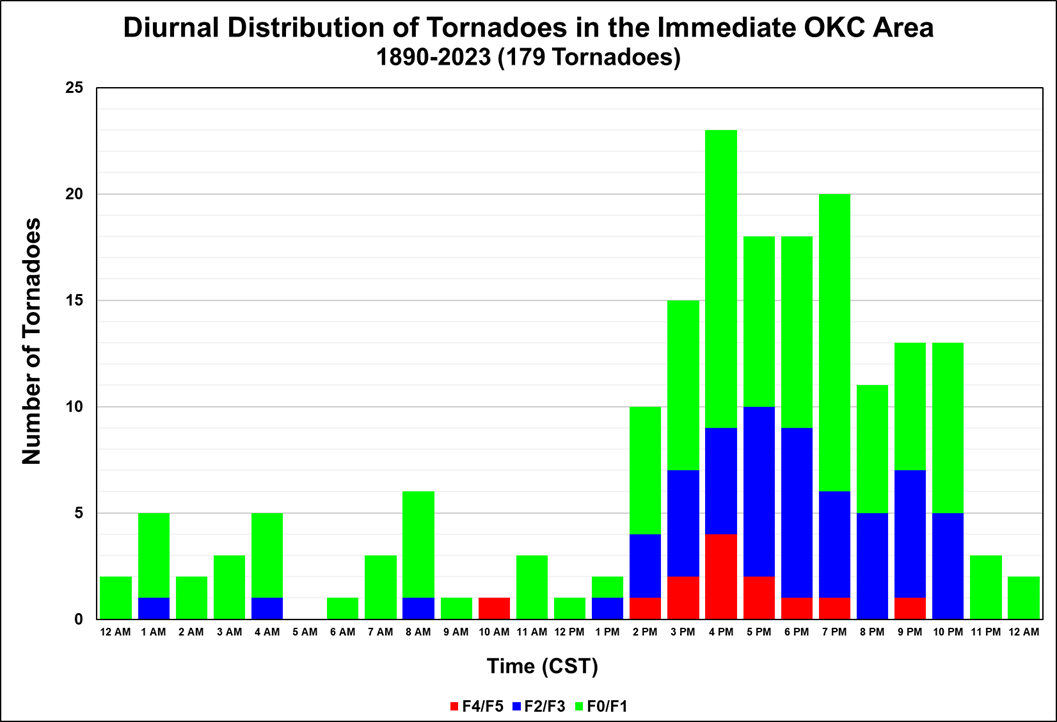
It is crucial to understand that these numbers represent reported tornadoes. The detection and reporting of tornadoes have improved significantly with advancements in radar technology (like Doppler radar) and storm spotter networks. Therefore, what might have been missed in the past is now more reliably documented.
Significant Tornado Events in Oklahoma
Oklahoma’s history is punctuated by some of the most powerful and destructive tornadoes ever recorded. These events, while rare, underscore the potential for severe weather in the state and have shaped public awareness and preparedness efforts.
One of the most infamous events occurred on May 3, 1999, when a powerful F5 tornado, part of a larger outbreak, devastated areas southwest of Oklahoma City, including Moore. This tornado caused immense damage, extensive loss of life, and served as a stark reminder of nature’s destructive power. Another significant event was the May 20, 2013, EF5 tornado that struck Moore and surrounding areas, causing widespread devastation and tragically claiming lives. The EF5 rating signifies the highest category on the Enhanced Fujita Scale, indicating winds exceeding 200 mph.
Beyond these catastrophic F5 events, Oklahoma has experienced numerous other destructive tornadoes that have impacted cities and towns across the state, from Tulsa in the northeast to Lawton in the south. Each of these events, whether an F5 or a less intense tornado, has a story of resilience and rebuilding for the communities affected.
Factors Influencing Tornado Frequency
While Oklahoma’s geographical location is a primary driver of its tornado activity, several other factors can influence the frequency and intensity of tornadoes in any given year.
- Climate Cycles: Large-scale climate patterns, such as El Niño and La Niña, can influence weather patterns across the United States. Some research suggests that La Niña years may be associated with an increased likelihood of tornado activity in the southern Plains, including Oklahoma. However, the exact relationship is complex and not always predictable.
- Jet Stream Patterns: The position and strength of the jet stream play a critical role in steering storm systems. When the jet stream is positioned in a way that encourages the clash of air masses over Oklahoma, tornado activity is more likely.
- Moisture Availability: The amount of moisture pulled northward from the Gulf of Mexico is crucial for the development of severe thunderstorms. Years with abundant moisture can fuel more robust storm systems.
- Temperature Extremes: Both unseasonably warm temperatures in the spring and significant cold snaps can contribute to the instability needed for tornado formation.
These are just some of the complex meteorological variables that contribute to the unpredictability of tornado seasons. While meteorologists can forecast the potential for severe weather on a day-to-day basis, predicting the exact number of tornadoes for an entire season remains a significant challenge.

What This Means for Travelers and Residents
Understanding the frequency of tornadoes in Oklahoma is not about instilling fear, but about fostering preparedness and informed decision-making. For those planning a trip to the state, especially during the spring and early summer months, a basic awareness of tornado safety is advisable.
- Travel Planning: If traveling to Oklahoma during tornado season, it’s wise to stay informed about weather forecasts. Many hotels and accommodations in Oklahoma, from luxury resorts to budget-friendly motels, offer weather alerts and have designated safe rooms or basements. It’s always a good idea to ask about their tornado safety procedures upon check-in. Many popular tourist destinations, such as the Oklahoma City National Memorial & Museum or the Tulsa Arts District, are located in urban areas that have robust emergency preparedness plans.
- Accommodation Choices: When booking accommodations, consider locations that are less exposed or have strong safety measures. Many hotels and resorts in cities like Oklahoma City and Tulsa, or even smaller towns known for their hospitality, will have information readily available regarding their safety protocols. Researching reviews might also offer insights into how accommodations handle severe weather.
- Lifestyle and Safety: For residents and longer-term visitors, developing a comprehensive tornado safety plan is essential. This includes identifying a safe place in your home (a basement or an interior room on the lowest floor, away from windows), having a NOAA weather radio, and practicing evacuation routes if necessary. Many communities in Oklahoma have active storm spotter networks and public warning systems. Local news channels, such as KOCO 5 in Oklahoma City or KJRH-TV in Tulsa, provide crucial real-time weather updates.
- Embracing the Culture, Safely: Oklahoma’s attractions, from its natural beauty like the Wichita Mountains Wildlife Refuge to its vibrant local culture found in towns like Norman or Stillwater, are worth experiencing. By understanding the weather patterns and taking appropriate precautions, visitors can enjoy all that Oklahoma has to offer while remaining safe and prepared. The thrill of experiencing a unique destination can be amplified by a sense of confidence in one’s safety.
In conclusion, Oklahoma’s reputation for tornado activity is well-earned. The state’s position within Tornado Alley, combined with its meteorological landscape, makes it a hotspot for these powerful storms. While the exact frequency can vary, a proactive approach to understanding weather forecasts and safety protocols allows both residents and visitors to navigate Oklahoma’s dynamic environment with confidence and appreciation for its unique character.
LifeOutOfTheBox is a participant in the Amazon Services LLC Associates Program, an affiliate advertising program designed to provide a means for sites to earn advertising fees by advertising and linking to Amazon.com. Amazon, the Amazon logo, AmazonSupply, and the AmazonSupply logo are trademarks of Amazon.com, Inc. or its affiliates. As an Amazon Associate we earn affiliate commissions from qualifying purchases.