
For countless travelers venturing to the majestic Grand Canyon, the vibrant city of Flagstaff, Arizona, often serves as an indispensable gateway. Situated amidst the world’s largest contiguous ponderosa pine forest and at the foot of the San Francisco Peaks, Flagstaff offers a unique blend of natural beauty, outdoor adventure, and urban amenities. Its strategic location makes it a prime candidate for a base camp before embarking on the awe-inspiring journey to one of the planet’s most iconic natural wonders. Understanding the distance and travel logistics between these two significant Arizona destinations is crucial for planning a memorable and efficient trip.
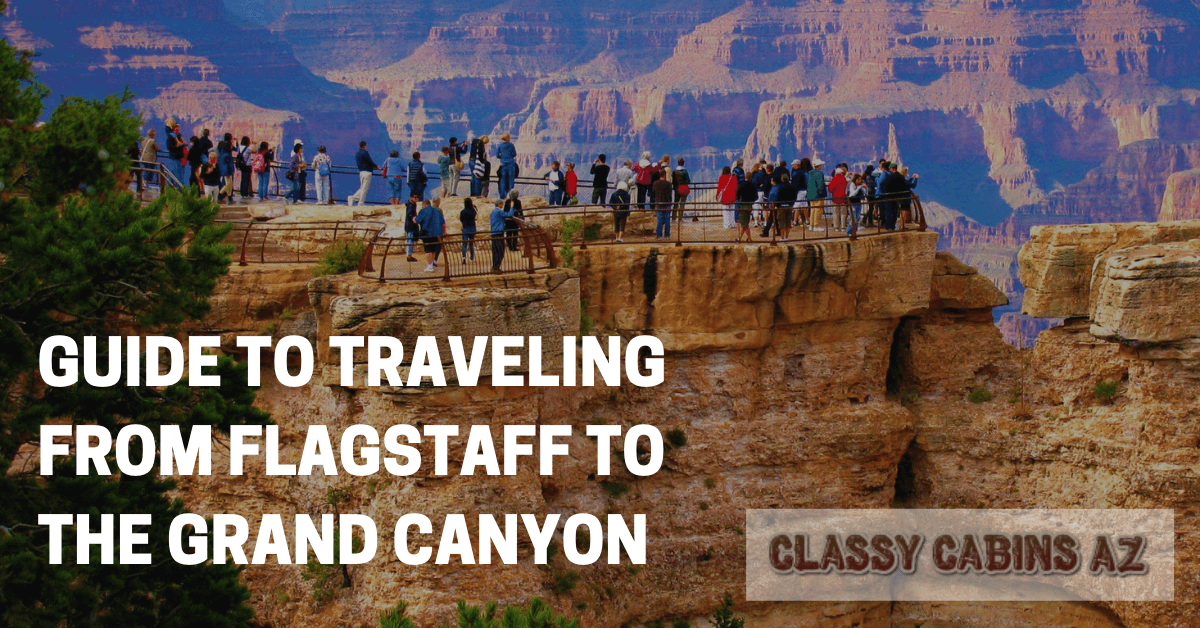
The Essential Distance: Flagstaff to the Grand Canyon
The proximity of Flagstaff to the Grand Canyon is one of its most appealing attributes for visitors. While not immediately adjacent, the drive is relatively short and scenic, making day trips entirely feasible. The exact distance, however, depends on which rim of the Grand Canyon you intend to visit.
South Rim vs. North Rim Considerations
The Grand Canyon National Park is divided into two primary visitor areas accessible by road: the South Rim and the North Rim.
- South Rim: This is the most popular and accessible section of the park, open year-round. It’s home to the majority of visitor services, viewpoints, and hiking trails. From Flagstaff, the South Rim is the closest and most frequently visited section.
- North Rim: Offering a more secluded and rugged experience, the North Rim sits at a higher elevation and is typically only open from mid-May to mid-October due to heavy snowfall. While stunning, it is significantly farther from Flagstaff and requires a much longer drive, often necessitating an overnight stay.
Given that the vast majority of visitors head to the South Rim, our primary focus will be on this route.
Average Driving Times and Routes
The distance from Flagstaff to the Grand Canyon South Rim is approximately 80 to 90 miles (129 to 145 kilometers), depending on your exact destination within the park (e.g., Grand Canyon Village, Mather Point, or Desert View Watchtower).
-
Driving Time: The drive typically takes about 1 hour and 30 minutes to 2 hours, without significant stops. This makes it an ideal distance for a day trip, allowing ample time to explore the canyon and return to Flagstaff in the evening.
-
Primary Route (via US-180 N): This is the most direct and common route.
- From Flagstaff, take US-180 N (North Fort Tuthill Loop) for approximately 50 miles.
- Turn right onto AZ-64 E/US-180 E, which leads directly to the South Rim entrance station.
- Continue on AZ-64 E into the park, where you can access various viewpoints and visitor centers.
-
Alternative Route (via I-40 W and AZ-64 N through Williams): This route is slightly longer but is a good option if you want to experience a portion of historic Route 66 or visit the charming town of Williams.
- From Flagstaff, take I-40 W for approximately 30 miles to Williams.
- In Williams, take AZ-64 N directly to the South Rim entrance.
- This route is about 90-100 miles and takes approximately 1 hour and 45 minutes to 2 hours.
For the North Rim, the journey from Flagstaff is considerably longer, spanning roughly 210 miles (338 kilometers) and taking approximately 4 to 4.5 hours of driving time. This route typically involves taking US-89 N to US-89A W, passing through scenic areas and small towns, but it’s important to remember its seasonal closure.
Why Flagstaff Makes an Ideal Base for Grand Canyon Exploration
Flagstaff’s appeal as a Grand Canyon base extends far beyond its convenient distance. The city offers a well-rounded travel experience, combining practical advantages with enriching opportunities.
Strategic Location and Accessibility
Beyond the Grand Canyon, Flagstaff is strategically located within a few hours’ drive of numerous other natural and cultural attractions. This makes it an excellent central hub for exploring the wider region of northern Arizona. Its position along I-40 also makes it easily accessible from major cities like Phoenix (about 2.5 hours south) and Las Vegas (about 4 hours northwest), making it a natural stop on longer road trips. The presence of the Pulliam Airport (FLG) offers regional flight connections, further enhancing its accessibility.
Alternative Transportation Options from Flagstaff
While driving is the most flexible option, other modes of transport are available for those who prefer not to drive or wish for a unique experience.
- Shuttle Services: Several private shuttle companies offer daily round-trip transportation from Flagstaff to the Grand Canyon South Rim. These services provide convenience, allowing travelers to relax and enjoy the scenery without worrying about navigation or parking. They typically pick up from various hotels in Flagstaff and drop off at key visitor centers within the park.
- Grand Canyon Railway: For a truly nostalgic journey, the Grand Canyon Railway offers daily train service from Williams to the Grand Canyon Village. While not directly from Flagstaff, you can easily drive to Williams (about 30 minutes west of Flagstaff) and board the train there. This option provides a unique historical experience, complete with Western entertainment, before arriving right at the canyon’s edge.
Planning Your Journey: Tips for a Seamless Trip
A well-planned trip ensures you make the most of your time and minimize any potential travel hiccups.
Best Time to Travel and What to Pack
- Best Time: Spring (April-May) and Fall (September-October) are generally considered the best times to visit the Grand Canyon from Flagstaff. The weather is typically mild, crowds are thinner than in summer, and both the canyon and the surrounding Flagstaff area offer pleasant temperatures for outdoor activities. Summer (June-August) is popular but sees the largest crowds and highest temperatures. Winter (November-March) offers a serene, snow-dusted canyon but can bring road closures and colder temperatures, especially at Flagstaff’s higher elevation.
- What to Pack: Regardless of the season, layering is key. Temperatures can fluctuate significantly between day and night, and between Flagstaff (7,000 ft elevation) and the Grand Canyon South Rim (7,000 ft elevation) or the canyon floor. Essential items include comfortable walking shoes, sun protection (hat, sunglasses, sunscreen), reusable water bottles, snacks, and a camera. For cooler months, bring warm jackets, gloves, and hats.
Must-See Stops Along the Way
The drive from Flagstaff to the Grand Canyon is more than just a means to an end; it’s an opportunity for additional exploration.
- Williams (via I-40 W): Known as the “Gateway to the Grand Canyon” and situated directly on Historic Route 66, Williams offers a nostalgic glimpse into Americana. You can stroll through its charming downtown, grab a bite at a classic diner, or catch the Grand Canyon Railway.
- Grand Canyon Deer Farm: Located near Williams, this family-friendly attraction allows visitors to get up close with various deer species and other animals.
- Bearizona Wildlife Park: Also close to Williams, Bearizona is a drive-thru wildlife park where you can observe North American animals like bears, wolves, and bison in natural habitats.
- Desert View Watchtower (East Entrance to the South Rim): If you’re entering the park from the east via AZ-64 E, the Desert View Watchtower is one of the first major viewpoints you’ll encounter. Designed by architect Mary Colter, this historic stone tower offers panoramic views of the eastern canyon and the Colorado River.
Maximizing Your Grand Canyon Experience from Flagstaff
Leveraging Flagstaff as your base requires thoughtful planning to get the most out of your Grand Canyon visit.
Day Trip Itineraries
A day trip from Flagstaff to the South Rim is perfectly achievable. Here’s a sample itinerary:
- Morning (7:00 AM – 9:00 AM): Depart Flagstaff after an early breakfast. Enjoy the scenic drive to the Grand Canyon National Park entrance.
- Late Morning (9:00 AM – 12:00 PM): Enter the park and head to key viewpoints like Mather Point and Yavapai Point for your first breathtaking views. Visit the Yavapai Geology Museum for insightful exhibits.
- Lunch (12:00 PM – 1:00 PM): Grab lunch at one of the eateries in Grand Canyon Village or bring a picnic to enjoy with a view.
- Afternoon (1:00 PM – 4:00 PM): Explore more viewpoints along the Rim Trail. Consider walking a section of the Bright Angel Trail or Kaibab Trail for a short descent into the canyon (remember, every step down means a step up!). Alternatively, take the shuttle bus along Hermit Road to visit viewpoints like Pima Point and Hopi Point.
- Late Afternoon (4:00 PM – 5:00 PM): Begin your drive back to Flagstaff, perhaps stopping at Desert View Watchtower if you missed it on the way in.
- Evening (6:30 PM onwards): Arrive back in Flagstaff, ready for dinner and a well-deserved rest.
Multi-Day Adventures and Lodging Near the Grand Canyon
While a day trip is feasible, staying closer to the Grand Canyon for a night or two allows for deeper exploration, sunrise/sunset viewing, and more strenuous hiking.
- In-Park Lodging: Staying at one of the lodges within Grand Canyon Village (e.g., El Tovar Hotel, Bright Angel Lodge) offers unparalleled access to the rim. Reservations are highly recommended well in advance, sometimes a year out.
- Lodging in Tusayan: Just outside the South Rim entrance, the town of Tusayan offers several hotels, restaurants, and amenities. This is a convenient option if you can’t secure in-park lodging but still want to be very close to the canyon.
- Combining Stays: Many travelers choose a hybrid approach: spending a couple of nights in Flagstaff to explore the city and surrounding areas, then transitioning to an overnight stay near the Grand Canyon to fully immerse themselves in the park’s grandeur.
Beyond the Grand Canyon: Exploring the Flagstaff Area
While the Grand Canyon is undoubtedly the main draw, Flagstaff and its immediate surroundings offer a wealth of attractions that warrant exploration, making your overall trip to northern Arizona even more rewarding.
Flagstaff’s Own Attractions
Flagstaff itself is a destination worth exploring, boasting a rich history, a vibrant downtown, and stunning natural surroundings.
- Downtown Flagstaff: Stroll along Route 66, explore historic buildings, browse unique shops, and enjoy diverse dining options.
- Lowell Observatory: Discover the site where Pluto was discovered. This historic observatory offers daytime tours and nighttime stargazing programs.
- Museum of Northern Arizona: Learn about the natural and cultural history of the Colorado Plateau, including Native American art and ethnography.
- Outdoor Recreation: With the San Francisco Peaks as its backdrop, Flagstaff is a hub for hiking, mountain biking, skiing (Arizona Snowbowl), and rock climbing.

Nearby Natural Wonders
Several other impressive natural sites are within a short drive of Flagstaff, perfect for extending your travel adventures.
- Sedona: Just 45 minutes south of Flagstaff through the breathtaking Oak Creek Canyon, Sedona is famous for its stunning red rock formations, spiritual vortexes, and art galleries.
- Meteor Crater Natural Landmark: Approximately 35 miles east of Flagstaff, this privately owned impact crater is one of the best-preserved meteorite impact sites on Earth.
- National Monuments: Explore the ancient pueblos at Wupatki National Monument and the cinder cones of Sunset Crater Volcano National Monument, both located north of Flagstaff and often visited together.
- Page, Arizona: Though a longer drive (about 2.5 hours north of Flagstaff), Page is home to other iconic Arizona landmarks such as Antelope Canyon, Horseshoe Bend, and the Glen Canyon Dam. This can be an excellent extension for those on a multi-day Grand Canyon trip.
In conclusion, the distance between Flagstaff, Arizona and the Grand Canyon South Rim is ideal for an easy day trip or as a comfortable base for a more extended exploration of northern Arizona’s wonders. With its convenient location, diverse amenities, and access to unique travel experiences, Flagstaff truly stands out as the ultimate launchpad for your Grand Canyon adventure.
LifeOutOfTheBox is a participant in the Amazon Services LLC Associates Program, an affiliate advertising program designed to provide a means for sites to earn advertising fees by advertising and linking to Amazon.com. Amazon, the Amazon logo, AmazonSupply, and the AmazonSupply logo are trademarks of Amazon.com, Inc. or its affiliates. As an Amazon Associate we earn affiliate commissions from qualifying purchases.